Why Is My Cat Quiet? Causes of Sudden Quietness in Cats
By Dr. Zubair Khalid, DVM, MS, PhD ·
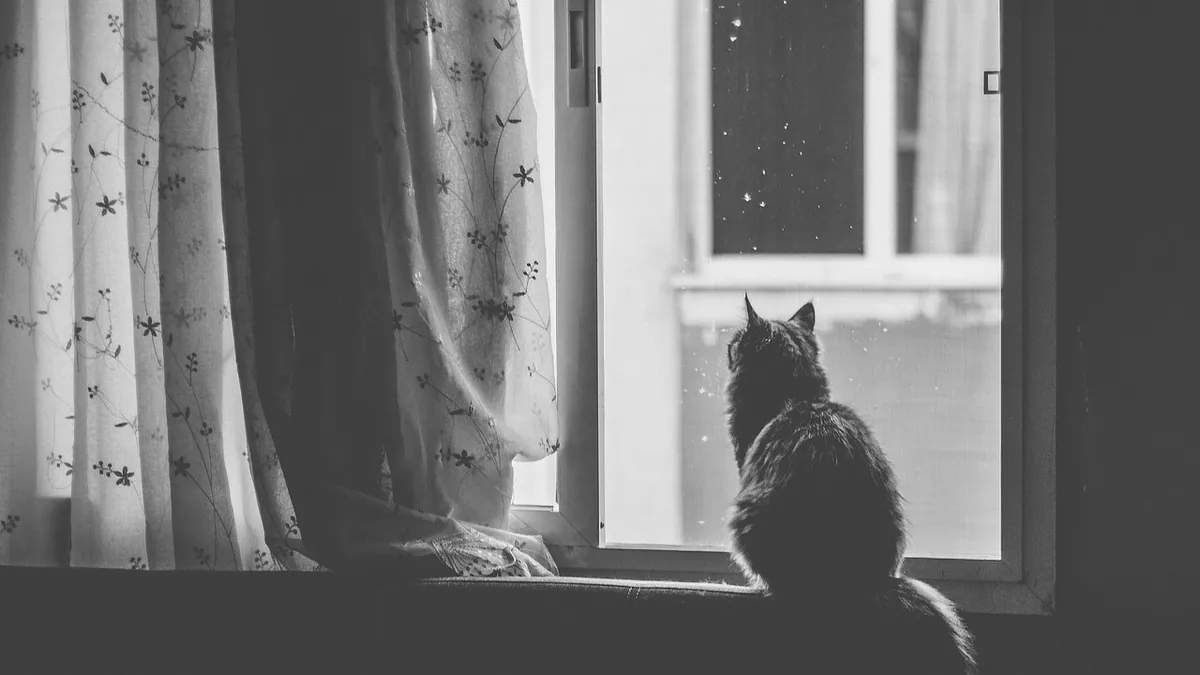
Cats are quiet by nature, so a quiet cat is often completely normal. Cats evolved as solitary hunters who rely on silence to survive, and many healthy cats simply do not vocalize much. The question that matters is whether your cat's quietness is new, and whether it comes with other changes in eating, drinking, grooming, or activity.
This article is educational and is not a substitute for veterinary diagnosis or treatment.
Quick Answer
- Quietness alone is usually normal, especially in cats who were never very vocal to begin with.
- Sudden quietness is more concerning when it appears with hiding, appetite loss, vomiting, limping, or changes in litter box use.
- Stress and changes at home can make a cat go quiet, and cats often respond to stress by avoiding people and resting more [1].
- Pain is a common hidden cause of quiet behavior, and cats with chronic joint pain show measurable changes in how their nervous system processes sensation [2].
- Call your veterinarian the same day if a quiet cat stops eating, seems painful, breathes oddly, or behaves in ways that are clearly not normal for them.
What a Quiet Cat Looks Like and What Is Normal
Quietness in cats is not one single behavior. It can mean your cat stopped meowing at you. It can mean they sleep more and interact less. It can mean they hide under the bed instead of greeting you at the door. Some owners describe it as their cat being "flat" or "not themselves."
Normal quiet behavior looks like this. Your cat still eats and drinks normally. They use the litter box as usual. They groom themselves. They come out for meals, treats, or lap time on their own schedule. They may simply be a cat who never talked much. Some cats meow only at feeding time. Others chirp at birds and stay silent the rest of the day.
Breed and personality matter too. Some cats are naturally chatty, and others are naturally reserved. The key comparison is your cat against their own normal baseline, not against another cat.
Kittens can also be quiet, and this is often normal. A quiet kitten who plays, eats, and grows well is usually fine. A quiet kitten who is lethargic, not gaining weight, or hiding from littermates needs a veterinary exam.
Why Is My Cat Quiet All of a Sudden? Main Causes
When a normally social cat becomes quiet, owners often search for answers. The list below covers the most common reasons, from simple to serious. Use the urgency column as a rough guide, not a diagnosis.
| Cause | Typical clues | How urgent |
|---|---|---|
| Stress or household change | New pet, move, new baby, schedule change, hiding but still eating | Routine visit if it lasts more than a few days |
| Pain (arthritis, dental, injury) | Limping, stiffness, reluctance to jump, reduced grooming, irritability when touched | Same-day to routine, depending on severity |
| Nausea or stomach upset | Lip licking, drooling, vomiting, eating less, sitting hunched | Same-day if vomiting repeats or appetite is poor |
| Dental disease | Bad breath, dropping food, chewing on one side, pawing at mouth | Routine, sooner if not eating |
| Upper respiratory infection | Sneezing, nasal discharge, watery eyes, decreased smell and appetite | Same-day if not eating or breathing is noisy |
| Fever or systemic illness | Warm ears, lethargy, hiding, not grooming | Same-day |
| Injury or trauma | Limping, wound, tenderness, sudden behavior change | Emergency if bleeding, collapse, or trouble breathing |
| Neurologic problem | Head tilt, circling, wobbling, facial droop, seizures | Emergency |
| Heart or lung disease | Fast or labored breathing, coughing, open-mouth breathing | Emergency |
| Toxin exposure | Drooling, vomiting, tremors, weakness, known exposure | Emergency, call poison control |
| Recent vaccination or medication | Mild lethargy for a day or two after a vet visit | Call your vet if it lasts longer or worsens |
Stress deserves extra attention because it is so common. In one study of cats living in a cat café, cats spent a large portion of observed time avoiding human interaction entirely, and they preferred elevated spaces and cat-only rooms when the building was busy [1]. Your home is not a café, but the principle holds. Cats manage stress by creating distance and staying quiet. If something changed recently, that may explain the silence.
Pain is the other big one. Cats are masters at hiding discomfort. Research on cats with osteoarthritis found that chronic pain is linked to changes in how the nervous system processes touch and other sensations, and these cats showed measurable differences in nerve responses compared with healthy cats [2]. A cat in pain may not cry out. They may just go quiet, move less, and sleep more.
Red Flags That Mean Emergency
Some signs mean you should stop reading and call an emergency veterinary hospital now.
- Open-mouth breathing, panting, or obvious effort to breathe
- Collapse, weakness, or inability to stand
- A seizure or sudden loss of consciousness
- Known or suspected exposure to a toxin, such as lilies, antifreeze, human medications, or rodenticide
- Repeated vomiting or vomiting with a bloated, painful belly
- Straining to urinate, especially in a male cat, or no urine for more than 12 hours
- Bleeding that will not stop, or a wound that goes through the skin
- Sudden inability to use the back legs
- Extreme pain, such as crying when picked up or hiding and hissing when approached
For suspected poisoning in the United States, call the ASPCA Animal Poison Control Center at (888) 426-4435 or the Pet Poison Helpline at (855) 764-7661. Have the product container with you if possible.
Safe Things You Can Do at Home While You Wait
You cannot diagnose your cat at home, but you can gather information that helps your veterinarian and keeps your cat comfortable.
Track the basics. Write down how much your cat ate and drank in the last 24 hours, how many times they used the litter box, and whether the urine or stool looks different. Note the exact day the quietness started.
Keep the environment calm. Give your cat a quiet room with food, water, a litter box, and a soft place to hide. Let them come to you. Forcing interaction can backfire. Research on owner-cat interactions found that passive, low-pressure contact was linked to higher oxytocin and lower cortisol in cats, while forced interactions showed the opposite pattern [3]. In plain terms, sitting quietly nearby is better than chasing your cat for cuddles.
Do not force food or water. Never syringe liquids into a cat's mouth unless a veterinarian tells you to. That can cause choking or aspiration.
Do not give human medications. Never give acetaminophen, ibuprofen, aspirin, or any human pain reliever to a cat. These can be fatal. Your veterinarian will calculate any medication dose from your cat's weight and health status.
Keep a video. Record any odd breathing, twitching, head tilt, or limping. Cats often look normal in the exam room, and a short video can be very useful.
Watch for subtle pain signs. These include squinting, a hunched posture, a tucked tail, ears rotated back, and avoiding jumps they used to make. Cats with chronic pain show changes in sensory processing that can be detected with specialized testing, but at home you are looking for behavior patterns [2][4].
What Your Veterinarian Will Check and Test
Your vet will start with a full history. They will ask when the quietness began, what changed at home, and whether eating, drinking, and litter box habits shifted. Bring your notes and videos.
The physical exam includes weight, temperature, heart rate, breathing rate, hydration, gum color, dental check, abdominal palpation, and a hands-on joint and spine assessment. Your vet will also watch how your cat moves and responds to handling.
Depending on findings, your vet may recommend:
- Blood work, including a complete blood count and chemistry panel, to check organ function, blood sugar, and infection markers
- Urinalysis, to check for urinary tract disease, crystals, and kidney function
- Thyroid testing, especially in older cats
- X-rays, to look for arthritis, fractures, masses, or lung changes
- Ultrasound, to evaluate the abdomen and internal organs
- Blood pressure measurement, since high blood pressure can cause subtle behavior changes
- Infectious disease testing, such as for feline leukemia virus or feline immunodeficiency virus
- Neurologic exam, if head tilt, wobbling, or weakness is present
Pain assessment in cats is improving. Newer tools include EEG-based methods that measure brain activity to help identify and quantify chronic pain in cats, which is difficult to judge from behavior alone [4]. Your vet may also use a standardized arthritis scoring instrument to grade impairment. These tools help guide treatment even when your cat seems calm and quiet.
If your cat is stressed by the visit itself, tell the staff. A quiet cat in a clinic may be shut down from fear, and that can hide important findings. Nasal stimulation testing, for example, produces a startle response more often in cats than in dogs, and responses vary with stress and setting [5]. Your vet knows this and will interpret the exam with that in mind.
Preventing and Monitoring Quiet Behavior
You cannot prevent every illness, but you can catch changes early.
Know your cat's baseline. Track how often your cat meows, plays, and seeks you out. A written log or phone notes make changes obvious.
Schedule routine exams. Annual visits for young cats and twice-yearly visits for seniors catch problems before they become emergencies. Many quiet cats turn out to have dental disease or arthritis that responds well to treatment.
Keep stress low. Cats prefer predictable routines, vertical space, and quiet hiding spots [1]. Add a cat tree or shelf, keep litter boxes clean and separate from food, and introduce changes slowly.
Watch the mouth. Bad breath, drooling, or dropping food can point to dental pain. If your cat's breath has changed, see Why Does My Cat's Breath Smell?.
Notice social shifts. A cat who suddenly avoids you may be stressed, painful, or both. Related reading includes Why Is My Cat Suddenly Hiding and Acting Weird? and Why Is My Cat Suddenly Afraid of Me?.
Use gentle, passive bonding. Let your cat choose contact. Passive interactions support calmer hormone responses in cats, while forced handling does the opposite [3]. This is one of the easiest things you can control at home.
Limitations and When to Contact a Veterinarian
This article cannot tell you whether your specific cat is sick. Only a veterinarian who examines your cat can do that. Individual cases need a veterinarian, and quietness has dozens of possible causes.
Call your veterinarian the same day if your cat:
- Has not eaten for 24 hours, or has eaten very little for 2 days
- Is hiding constantly and will not come out for food
- Is vomiting, has diarrhea, or has not used the litter box normally
- Seems painful when touched, moved, or picked up
- Has bad breath, drooling, or trouble chewing
- Is quieter than usual for more than 2 or 3 days with no clear reason
Go to an emergency hospital now if your cat:
- Breathes with an open mouth, pants, or struggles to breathe
- Collapses, cannot stand, or has a seizure
- Strains to urinate with no urine produced
- May have eaten a toxin or human medication
- Has severe bleeding, a deep wound, or sudden paralysis
For a routine visit, book an appointment if the quietness is mild but persistent, if your cat is older and slowing down, or if you simply feel something is off. Trust that instinct. Owners often notice subtle changes before anyone else does.
Frequently Asked Questions
Are cats quiet by nature?
Yes, many cats are naturally quiet, and silence is normal for the species. Cats are solitary hunters who rely on stealth, so they do not need to vocalize constantly. A quiet cat who eats, plays, and uses the litter box normally is usually healthy.
Why is my kitten quiet?
A quiet kitten is often normal, especially during long naps, which take up most of a young cat's day. Watch for eating, playing, steady weight gain, and normal stool. A kitten who is limp, cold, not nursing, or hiding from littermates needs to be seen promptly.
Why is my cat quieter than usual but still eating?
A cat who is quieter but still eating may have mild stress, early pain, or a low-grade illness. Keep watching for hiding, reduced grooming, or changes in litter box habits. If the change lasts more than a few days, schedule a veterinary visit.
My cat is quiet all of a sudden. Should I worry?
Sudden quietness is worth attention, especially if it appeared within a day or two. Check for breathing changes, appetite loss, vomiting, limping, and hiding. Call your vet if any of those appear, or if your cat seems painful or withdrawn.
Is it normal for cats to be quiet after a vet visit or vaccine?
Mild tiredness for a day or two after a vet visit or vaccine is common and usually settles on its own. Call your vet if the quietness lasts longer than 2 days, if your cat stops eating, or if you see vomiting, facial swelling, hives, or trouble breathing.
Related Articles
- Why Is My Cat Suddenly Clingy?
- Why Is My Cat Sneezing All Of The Sudden
- Why Is My Cat Suddenly Hiding and Acting Weird?
- Why Is My Cat Suddenly Afraid of Me?
- Why Does My Cat's Breath Smell?
- Why Is My Cat Suddenly Aggressive? Medical Causes to Rule Out
- Cat Losing Its Meow: Why a Cat Goes Silent
- Why Is My Cat's Voice Changing? Causes and When to Worry
- Why Does My Cat Quietly Meow at Me?
References
- Cats in a Cat Café: Individual Cat Behavior and Interactions with Humans. Animals : an open access journal from MDPI, 2025.
- Somatosensory and visual evoked potentials and brainstem auditory evoked responses in osteoarthritic cats with chronic pain - a comparative study. Frontiers in veterinary science, 2026.
- EXPRESS: The hormonal effects of owner-cat interactions on pet cats of different potential attachment styles. Journal of feline medicine and surgery, 2026.
- EEG-based quantification of chronic pain in cats: A proof-of-concept study using the Piq algorithm. Veterinary journal (London, England : 1997), 2026.
- Nasal Stimulation Response in Neurologically Normal Dogs and Cats. Journal of veterinary internal medicine, 2025.