Why Is My Dog Quiet Today? When Quiet Means Something
By Dr. Zubair Khalid, DVM, MS, PhD ·
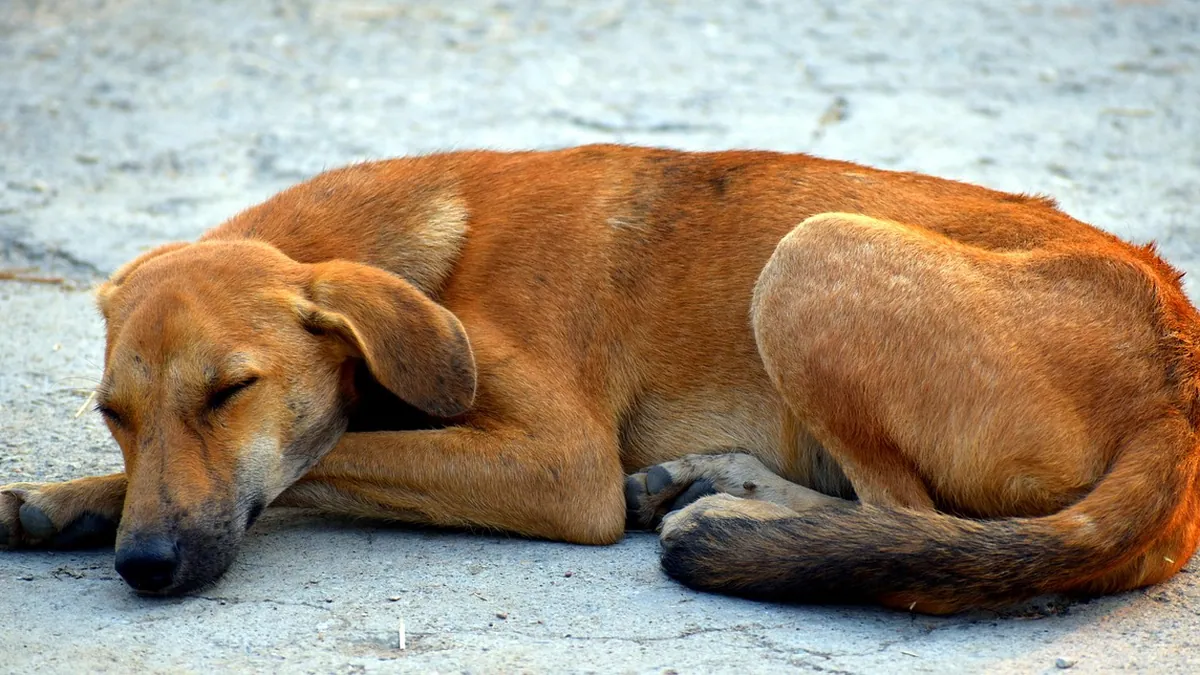
If your dog is quieter than usual, the first question to ask is whether this is a change from their normal. A dog who has always been calm is often just being themselves. A dog who is suddenly quiet, withdrawn, or slow to respond is showing you something worth checking. This article is educational and is not a substitute for veterinary diagnosis or treatment.
Quick Answer
- A quiet dog can be completely normal, especially in naturally calm breeds or older dogs who sleep more.
- A sudden change in how quiet your dog is matters more than the quiet itself.
- Pain is a common hidden cause of quiet behavior, and owners often miss the subtle signs [1][2].
- Watch for refusing food, hiding, stiffness, or not greeting you, and call your vet if these appear.
- If your dog is hard to wake, breathing oddly, or collapsing, treat it as an emergency and go now.
What a Quiet Dog Looks Like and What Counts as Normal
Quiet is not one behavior. It is a collection of small changes. Your dog may sleep more, move less, respond slowly when you call, skip the door greeting, or stop asking for play. Some dogs go quiet by lying in a corner. Others stay near you but seem flat and uninterested.
Some dogs are quiet by nature. Many adult dogs rest 12 to 14 hours a day, and senior dogs rest even more. A calm dog still eats well, moves comfortably, greets familiar people, and shows interest in walks or meals. That is normal quiet.
The quiet that concerns veterinarians is a change from your dog's own baseline. A dog who is usually loud and bouncy but is now silent for a day is different from a dog who has always been mellow. Owners are good at spotting this shift when they know what to look for. In one study, owners most often reported changes in walking, playing with objects, and playing with their owner as signs of pain after surgery [1]. Reduced play and a change in personality also scored high as pain signs in a survey of dog owners [2].
You can also read your dog's body. Ears that sit flat or pull back, a tucked tail, and a lowered head often mean your dog feels unwell or worried. Some owners search for "dog quiet ears" because the ears look different. Ear position alone does not diagnose anything, but it adds a piece to the picture.
Why Is My Dog Quiet Today? The Main Causes
Normal Calm or Age-Related Change
Not every quiet day is a problem. Puppies have short bursts of energy and long naps. Adult dogs settle as they mature. Senior dogs slow down. If your dog eats, drinks, walks, and interacts as usual, a quiet day is often nothing more than rest.
Pain
Pain is one of the most common reasons a dog goes quiet. Dogs hide pain well because showing weakness once had a survival cost. Subtle signs include hesitant paw lifting, a fluctuating mood, reduced play, and turning the head or body away [2]. Some painful dogs shadow family members or pace at night instead of crying out [2]. Acute pain after a procedure often shows up as changes in walking and playing [1]. Pain and suffering are also common near the end of life, reported by 87% of owners in one large survey as a reason for euthanasia [3]. That number shows how often pain hides in plain sight.
Illness
Many medical problems make a dog quiet before they make a dog obviously sick. Dental disease, ear infections, arthritis, stomach upset, and organ disease can all cause low energy. A dog with a fever or an infection often sleeps more and eats less. If your dog is quiet and also off food, that combination deserves a call to your vet.
Stress and Anxiety
Stress changes behavior. Dogs in unpredictable or unstable environments can show reduced activity, less exploration, and less social contact [4][5]. Shelter dogs are a clear example, but the same pattern happens at home after a move, a new baby, a loss, loud construction, or a schedule change. A stressed dog may go quiet, hide, pace, or cling. If your dog is also hiding or acting odd, see Dog Hiding and Acting Weird: What Does It Mean?.
Depression-Like Behavior
Some dogs show a pattern that looks like depression. In a small study of shelter dogs, the group with depression-like behavior rested significantly longer than matched controls, and they trended toward less exploration and less social behavior [4]. This pattern is not fully understood in pet dogs at home, and it is not well established how often it occurs outside shelters. Still, a dog who withdraws for weeks without a clear medical cause may need a behavior and medical workup.
Table: Cause, Clues, and Urgency
| Cause | Typical clues | How urgent |
|---|---|---|
| Normal calm or aging | Eats and walks normally, slow but steady, no other changes | Routine, monitor |
| Pain | Stiff walking, hesitant paw lift, reduced play, mood shifts, night restlessness [1][2] | Same-day call, sooner if severe |
| Illness | Off food, vomiting, diarrhea, fever, drinking more or less | Same-day call, emergency if severe |
| Stress or anxiety | Hiding, clinging, pacing, changes after an event [4][5] | Routine to same-day, depends on severity |
| Depression-like behavior | Weeks of low activity, less social contact, less exploration [4] | Routine visit |
| Toxin or trauma | Sudden collapse, tremors, bleeding, known exposure | Emergency now |
Red Flags That Make It an Emergency
Some quiet dogs need care right away. Go to an emergency clinic now if you see any of these.
- Your dog is hard to wake or will not stand.
- Breathing is fast, noisy, or labored.
- The gums are pale, white, blue, or bright red.
- There is a swollen or painful belly.
- Your dog collapses, has a seizure, or cannot walk.
- There is heavy bleeding, a deep wound, or a known fall or car accident.
- You suspect poisoning or your dog ate something toxic.
For poison questions in the United States, call the ASPCA Animal Poison Control Center at (888) 426-4435 or the Pet Poison Helpline at (855) 764-7661. Both may charge a consultation fee.
Safe Things You Can Do at Home While You Wait
You cannot treat the cause at home, but you can keep your dog safe and gather useful information for your vet.
- Keep the room calm and quiet. Lower the lights and reduce noise.
- Offer water often. Do not force food, but note whether your dog eats.
- Take a short video of your dog walking, standing, and lying down. Videos help your vet see subtle changes [1].
- Check the gums, eyes, and ears gently. Note any odor, discharge, or color change.
- Take your dog's temperature only if you have a rectal thermometer and know how. Stop if it causes distress.
- Do not give human pain relievers. Many are toxic to dogs, and the safe dose depends on your dog's weight and health. Your veterinarian calculates any medication dose for your pet.
- Keep your dog leashed outside. A quiet dog may not come when called.
- Write down when the quiet started and what changed that day.
If your dog is quiet and also barking oddly or whining, those sounds can point to different problems. See Why Is My Dog Barking at Nothing? and Dog Whining All the Time: What Is Your Dog Trying to Tell You?.
What Your Veterinarian Will Check and Test
Your vet starts with a full history. They will ask when the quiet began, whether your dog is eating, and what else changed. Bring your notes and videos.
The physical exam checks hydration, gum color, heart and lung sounds, belly comfort, joints, teeth, ears, and eyes. Your vet will press along the spine and limbs to look for pain. They may watch your dog walk and stand.
Testing depends on what they find. Common options include blood work, urine testing, and imaging such as X-rays or ultrasound. If pain is suspected, your vet may prescribe medication and recheck your dog. If stress or behavior is the main concern, your vet may discuss a behavior plan or refer you to a veterinary behaviorist.
Prevention and Monitoring
Track your dog's normal patterns so changes stand out. Note daily eating, drinking, walking, play, and sleep. A simple phone note works well.
Keep routine vet visits. Dental care, weight control, and joint care prevent many painful conditions. Watch for slow changes over weeks, since quiet often builds gradually.
If your dog's behavior has shifted in a lasting way, read What Does It Mean When Your Dog's Behavior Changes. For dogs who are quiet because they have learned to stop barking, training resources like Dog Barking Problems: How to Train Your Dog to Be Quiet can help you tell training from illness.
Limitations and When to Contact a Veterinarian
This article cannot tell you what is wrong with your dog. Only a veterinarian who examines your dog can do that. Individual cases need a veterinarian.
Call your vet the same day if your dog is quiet and also off food, vomiting, limping, hiding, or not greeting you. Book a routine visit if the quiet has lasted more than a day or two without other signs. Go to an emergency clinic now for collapse, trouble breathing, seizures, pale gums, a painful belly, or a known toxin exposure.
Frequently Asked Questions
Is it normal for dogs to be quiet?
Yes, many dogs are quiet by nature, and calm adults and seniors rest a lot. The quiet that matters is a change from your dog's normal pattern. If your dog is quiet and still eats, walks, and interacts, it is often fine to watch for a day.
Do quiet puppies stay quiet?
Not always. Puppies have short energy bursts and long naps, so a quiet puppy can be normal. A puppy who is suddenly quiet, refuses food, or seems weak needs a vet visit, because young dogs can decline quickly.
How can I tell if my dog is quiet from pain?
Look for stiff walking, hesitant paw lifting, reduced play, mood shifts, and restlessness at night [1][2]. These signs are easy to miss because dogs hide pain. A video of your dog moving helps your vet judge what is going on.
Can stress make my dog quiet?
Yes. Stress can lower activity, exploration, and social contact in dogs [4][5]. Events like moves, new pets, or schedule changes can trigger this. If the quiet lasts for weeks, ask your vet about a behavior plan.
When should I worry about a quiet dog?
Worry when the quiet is new, lasts more than a day or two, or comes with other signs like not eating, hiding, limping, or vomiting. Call your vet the same day for those combinations. Go to an emergency clinic now if your dog collapses, struggles to breathe, or cannot be woken.
Related Articles
- Why Is My Dog Barking at Nothing?
- Dog Whining All the Time: What Is Your Dog Trying to Tell You?
- What Does It Mean When Your Dog's Behavior Changes
- Dog Hiding and Acting Weird: What Does It Mean?
- Dog Barking Problems: How to Train Your Dog to Be Quiet
- Why Is My Dog Drooling?
- Why Is My Dog Not Barking? When Silence Is Normal
- Why Is My Puppy Quiet and Not Himself? Causes to Consider
- Why Is My Dog Losing Its Voice or Bark?
References
- Acute pain sign recognition by dog owners in a home setting. PloS one, 2026.
- The abilities in dog pain sign recognition as assessed by presenting seventeen listed dog behavioural signs and three case descriptions to dog owners and non-dog owners. PloS one, 2026.
- Poor quality of life and recent veterinary consultation are associated with increased owner-perceived pain and/or suffering prior to euthanasia in dogs. American journal of veterinary research, 2026.
- "Beyond the Sad Eyes": A Pilot Study on Behavioural and Physiological Indicators in Shelter Dogs Exhibiting Depression-like Behaviour. Animals : an open access journal from MDPI, 2026.
- Stress in Free-Roaming and Shelter-Housed Dogs: A Review of Neurobiological, Physiological and Behavioral Mechanisms Relevant to Welfare Assessment. Animals : an open access journal from MDPI, 2026.