Sick Cat Body Language: Signs Your Cat Is Unwell
By Dr. Zubair Khalid, DVM, MS, PhD ·
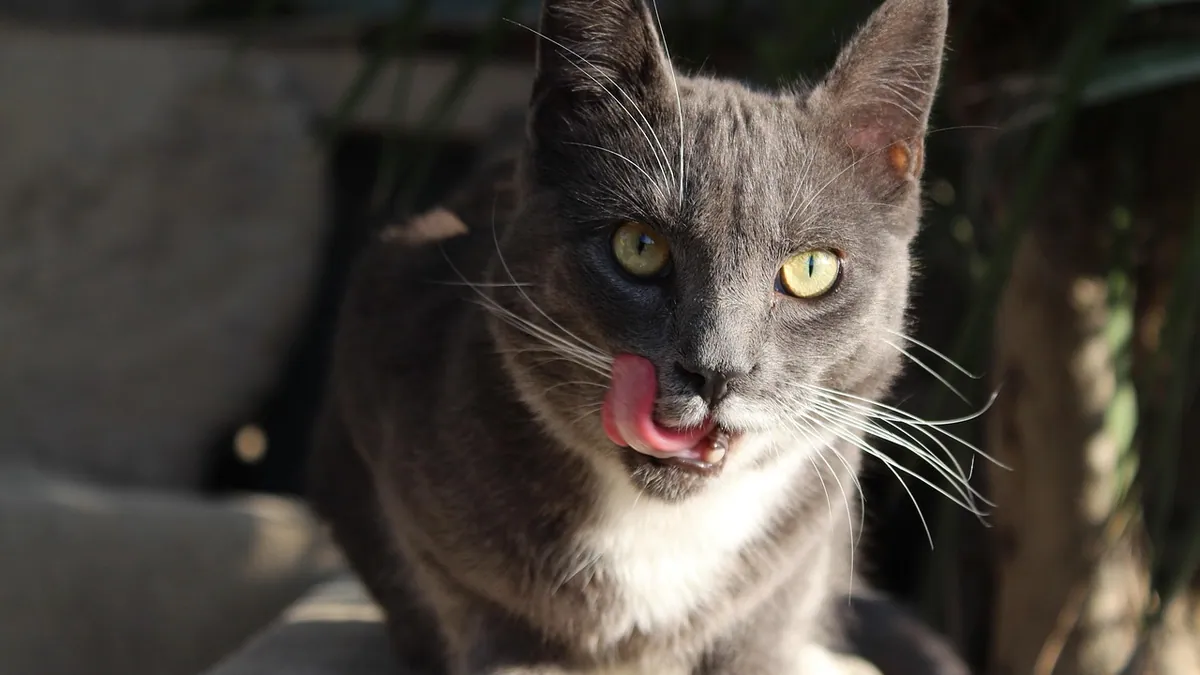
Cats are masters at hiding illness, so the first clues often show up in their posture, ears, tail, and eyes instead of in obvious symptoms. Reading sick cat body language helps you spot the difference between a cat who is simply annoyed and one who needs medical care. The tricky part is that these signals are subtle and easy to misread, even for experienced owners.
This article is educational and is not a substitute for veterinary diagnosis or treatment.
Quick Answer
- A sick cat often holds a crouched, hunched posture with the head lowered and the body tucked tight, which is different from the relaxed loaf position of a content cat.
- Ears that stay flattened sideways or pinned back for hours, along with a dull or half-closed gaze, point toward pain or illness instead of a brief bad mood.
- A tail tucked tight against the body or held low and still can signal discomfort, while a rapidly flicking tail usually means irritation.
- Humans are not naturally good at reading cat stress signals from body language alone, and accuracy drops with age, so use behavior changes over time as your guide [1].
- If your cat hides, stops eating, breathes oddly, or seems painful when touched, call your veterinarian the same day.
What Normal Cat Body Language Looks Like
Before you can spot a sick cat, you need a clear picture of a well cat. A healthy, relaxed cat has soft eyes that blink slowly, ears that point forward or swivel naturally toward sound, and a tail that moves loosely or rests quietly. When she loafs, her weight is spread evenly and her head stays up.
A tense but healthy cat looks different. She may crouch slightly, tuck her tail, and hold her ears partway back. This is a normal response to a stranger, a loud noise, or another pet. The signal that matters is duration and context. A cat who relaxes within minutes is probably fine. A cat who stays rigid, hunched, or hidden for hours is telling you something else.
Fear and stress produce their own body language, and these states are not the same as illness. Fearful cats often flatten their ears, widen their pupils, and press their bodies low to the ground. A study of how people read feline stress found that participants correctly identified relaxed, tense, and fearful states more often than chance, but overall accuracy stayed low [1]. In other words, even loving owners can miss the mark. That is why you should track changes from your cat's normal baseline instead of relying on a single snapshot.
Sick Cat Body Language: Posture, Ears, Tail, and Eyes
Posture
A sick cat often adopts a hunched, tucked posture with the back arched upward and the limbs pulled close to the body. This "meatloaf with a hunch" look is common with abdominal pain, nausea, and fever. Some cats sit over the water bowl without drinking, or press their heads against a wall or furniture, which can point to neurologic or metabolic problems.
Posture carries real clinical information, and researchers have worked on tools to measure it because the signs are subtle and vary between observers [2]. For you at home, the practical rule is simple. A cat who holds an unusual posture for more than a few hours, especially with a lowered head or a stiff, unwilling walk, needs a veterinary call.
Ears
Ears tell you a lot about both mood and health. Forward-facing ears mean alert and comfortable. Ears rotated sideways or flattened back can mean annoyance, fear, or pain. The difference is often in the rest of the body. An annoyed cat usually keeps her head up and her body loose. A painful cat often pairs flat ears with a lowered head, squinted eyes, and a tucked body.
Ear problems themselves can change ear position and head carriage. If your cat is pawing at her ears, holding one ear lower than the other, or shaking her head, see Cat Head Shaking and Ear Problems: What to Know. A head tilt with loss of balance is more serious and is covered in Cat Ear Infection with Loss of Balance: Emergency Signs.
Tail
A relaxed tail moves gently and sits at a neutral height. A tail tucked tight under the body or wrapped around the cat often signals pain or fear. A tail that flicks rapidly in short, sharp strokes usually means irritation, not illness. A tail held low and motionless for long stretches, especially with a hunched body, is more concerning.
Tail position is one of the descriptors that automated posture analysis systems measure, along with back curvature and head pitch, because these features change with how a cat feels [2]. You do not need software to notice the pattern. Compare today's tail to your cat's usual tail.
Eyes and Face
Sick cats often have a dull, unfocused stare or eyes that stay half-closed. Squinting can mean eye pain, and a cat with a painful eye may hold it shut, rub it, or avoid bright light. A cat in significant discomfort may also show a grimace, with ears rotated outward, whiskers pulled forward or stiff, and a tense muzzle.
One unusual sign worth knowing is a persistently open mouth. Open-mouth jaw locking is an uncommon condition linked to jaw joint laxity, and it causes a fixed open-mouth posture with the lower jaw shifted to one side [3]. If your cat's mouth is stuck open and she cannot close it, that is an emergency.
Common Causes of These Signs
| Cause | Typical clues | How urgent |
|---|---|---|
| Pain (dental, abdominal, joint, or injury) | Hunched posture, squinted eyes, hiding, flinching when touched | Same-day vet visit |
| Nausea or gastrointestinal upset | Lip licking, drooling, sitting over the bowl, vomiting | Same-day if not eating |
| Fever or infection | Lethargy, warm ears, dull eyes, reduced grooming | Same-day vet visit |
| Dental or oral disease | Drooling, bad breath, dropping food, one-sided chewing | Routine to same-day |
| Poisoning | Vomiting, drooling, tremors, weakness, collapse | Emergency now |
| Neurologic or metabolic disease | Head pressing, circling, wobbling, open-mouth posture | Emergency now |
| Stress or fear (not illness) | Flattened ears with a loose body, quick recovery | Watch at home |
Poisoning deserves special attention because the signs overlap with many other problems. Common signs of poisoning in cats include vomiting, drooling, tremors, weakness, and collapse, and the list varies widely depending on the substance involved [4]. If you suspect your cat ate something toxic, call your veterinarian or Pet Poison Helpline at 855-764-7661 right away, because faster treatment leads to better outcomes [4].
Red Flags That Mean Emergency
Some body language signals mean you should stop watching and go now. Call an emergency clinic or your veterinarian immediately if you see any of these.
- Open-mouth breathing, or breathing with the elbows out and the neck stretched forward
- A fixed open-mouth posture that the cat cannot close [3]
- Collapse, seizures, tremors, or extreme weakness
- Suspected poisoning of any kind [4]
- A cat who cannot stand, drags a limb, or cries out when moved
- A kitten who is limp, cold, or unresponsive
Breathing changes are easy to miss because cats hide them well. If your cat is breathing with effort, sitting with her head and neck extended, or panting while resting, treat it as an emergency. More detail is in Cat Difficulty Breathing: Emergency Signs and What to Do.
Sick Kitten Body Language: What Is Different
Kittens hide illness even less well than adult cats, and they crash faster. A sick kitten may simply stop playing, stop grooming, and sleep more than usual. She may cry weakly, feel cool to the touch, or refuse to eat. Because kittens have small reserves, a kitten who skips two meals or seems limp needs to be seen the same day.
Watch for a kitten who separates from her littermates or stays in a corner. That is a strong signal. So is a kitten who stops responding to your voice or touch. Do not wait to see if she improves overnight.
Safe Things You Can Do at Home While You Wait
Your job at home is to keep your cat comfortable and gather information for the vet. Do not give any medication unless your veterinarian tells you to, and never give human pain relievers to a cat. Your veterinarian calculates any drug dose from your pet's weight and health, so a dose that is safe for one cat may be dangerous for another.
- Move your cat to a quiet, warm room away from other pets and children.
- Offer water and a small amount of her usual food, and note whether she eats.
- Write down when the signs started, what changed, and any possible exposure to toxins, plants, or medications.
- Take a short video of the posture, breathing, or movement you are worried about. This helps your vet see what you see.
- Keep her carrier nearby and ready in case you need to leave quickly.
Do not force food or water into your cat's mouth. Do not try to open a locked jaw yourself [3]. If you suspect poisoning, do not induce vomiting unless a veterinarian or Pet Poison Helpline tells you to [4].
What Your Veterinarian Will Check and Test
Your veterinarian will start with a full physical exam, watching how your cat stands, walks, and holds her head. They will check the mouth, ears, eyes, and abdomen, and they will feel for pain, swelling, or masses. They will also ask about appetite, litter box habits, and any behavior changes you noticed at home.
Depending on what they find, they may recommend blood work, urine testing, X-rays, or other imaging. In cases involving the jaw, advanced imaging such as CT can confirm the diagnosis and guide surgery [3]. If your cat has bad breath along with other signs, that can point to dental disease or another underlying problem, and Cat Bad Breath: When Is It a Sign of Illness? explains what to watch for.
Prevention and Monitoring at Home
The best tool you have is a baseline. Know how your cat normally stands, sleeps, eats, and moves. Weigh your cat monthly if you can, since weight loss is an early sign of many diseases. Track litter box habits, because changes in urination or stool often show up before other signs.
Keep a simple log of any new behavior, even small ones. Because people tend to under-recognize feline stress and pain from body language alone, and accuracy declines with age, a written record helps you and your vet see patterns you might otherwise miss [1]. If your cat shakes her head often, see Why Is My Cat Shaking Her Head And Ears for common causes.
Schedule routine wellness visits at least once a year, and twice a year for senior cats. Bring your notes and videos. Early detection is often the difference between a simple treatment and a serious illness.
Limitations and When to Contact a Veterinarian
Body language is a guide, not a diagnosis. Cats can show the same posture for different reasons, and a single sign rarely tells the whole story [5]. Pain assessment in cats is genuinely difficult, even for professionals, so your observations plus a veterinary exam give the best picture [5].
Call your veterinarian the same day if your cat stops eating, hides for more than a few hours, vomits repeatedly, has diarrhea for more than a day, or seems painful when touched. Go to an emergency clinic now for open-mouth breathing, collapse, seizures, a fixed open-mouth posture, or suspected poisoning [4][3]. Schedule a routine visit for subtle changes like gradual weight loss, increased thirst, or new bad breath.
Every cat is an individual, and only a veterinarian who examines your cat can decide what is wrong and what treatment is needed.
Frequently Asked Questions
How can I tell if my cat is sick or just annoyed?
An annoyed cat usually keeps a loose body, holds her head up, and recovers within minutes once the trigger is gone. A sick cat tends to stay hunched, hide, refuse food, and hold unusual postures for hours. If the change lasts more than a day or comes with appetite loss, call your vet.
Does a tucked tail always mean my cat is sick?
No. A tucked tail can mean fear, stress, or cold, especially in a new environment. The context matters more than the tail alone. If the tucked tail comes with a hunched back, hiding, and not eating, treat it as a possible illness.
Why do cats hide their symptoms so well?
Cats are both predators and prey animals, so showing weakness can be risky in the wild. That instinct carries over into your home. This is why subtle body language, not obvious symptoms, is often the first clue that something is wrong.
Should I wait a day to see if my cat improves?
It depends on the sign. Mild changes like a single missed meal in an otherwise bright cat can sometimes wait a few hours. Do not wait if your cat is breathing hard, cannot close her mouth, seems to be in pain, or may have eaten something toxic. Call right away in those cases [4][3].
Can stress make my cat look sick?
Yes. Fear and stress can produce flattened ears, wide pupils, a crouched body, and hiding, which look a lot like illness. The key difference is recovery. A stressed cat relaxes when the trigger leaves, while a sick cat stays the same or gets worse.
Related Articles
- Cat Bad Breath: When Is It a Sign of Illness?
- Cat Head Shaking and Ear Problems: What to Know
- Cat Ear Infection with Loss of Balance: Emergency Signs
- Cat Difficulty Breathing: Emergency Signs and What to Do
- Why Is My Cat Shaking Her Head And Ears
- Cat Shaking Head And Scratching Ear
- How to Tell If Your Cat Is Sick
- Cat Not Feeling Well? 12 Signs to Watch For
- Sick Cat Face: What Facial Signs Mean
References
- Human recognition of feline stress-related behavioral states from visual cues depends on observer characteristics. Scientific reports, 2026.
- Automated analysis of feline posture using deep learning and geometric modeling. Frontiers in veterinary science, 2026.
- Open-Mouth Jaw Locking in a Cat: Computed Tomography Diagnosis and Surgical Management - A Case Report. Journal of veterinary dentistry, 2026.
- Signs And Symptoms of Pet Poisoning. Pet Poison Helpline.
- Recognising and assessing feline emotions during the consultation: History, body language and behaviour. Journal of feline medicine and surgery, 2018.