Kitten Stuffy Nose: Safe Ways to Help Breathing
By Dr. Zubair Khalid, DVM, MS, PhD ·
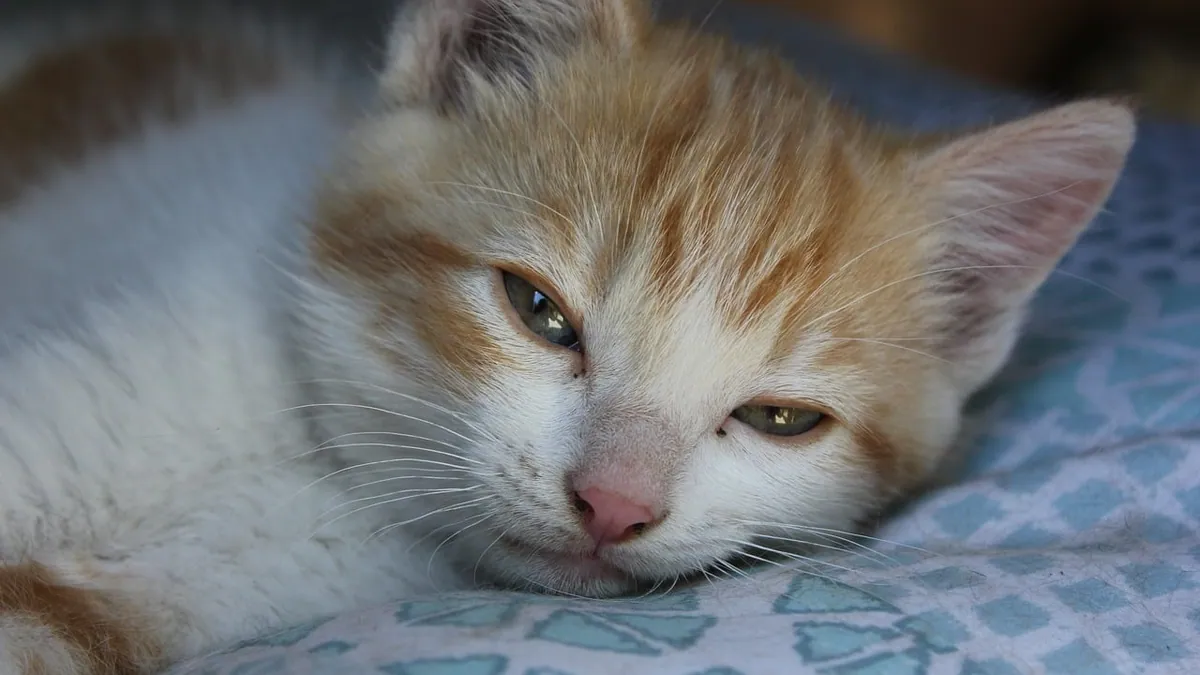
A stuffy nose in a kitten is usually caused by a viral or bacterial upper respiratory infection, though irritants and rare nasal conditions can also block airflow. To help a kitten with a stuffy nose, you can gently clear dried discharge, use steam or saline, and keep food and water tempting so they keep eating. This article is educational and is not a substitute for veterinary diagnosis or treatment.
Quick Answer
- Most kitten nasal congestion comes from infectious upper respiratory disease, and feline herpesvirus and Mycoplasma species are common findings in cats with rhinitis [1].
- Never use human decongestants, antihistamines, or essential oils on a kitten. Many are toxic, and kittens are far more sensitive than adult cats.
- Gently wipe the nose with a warm damp cloth and use only plain saline drops made for pets or babies, never medicated sprays.
- Offer warmed, smelly wet food and keep water bowls shallow and close by. A kitten who cannot smell food often stops eating, which is dangerous fast.
- Call your veterinarian the same day if a kitten is not eating, is breathing through the mouth, or seems tired and weak.
What a Stuffy Nose Looks Like in a Kitten
A kitten with a blocked nose sounds congested when breathing. You may hear snuffling, wheezing, or a wet rattle with each breath. Some kittens sneeze repeatedly and produce clear or colored discharge from one or both nostrils.
You might also see dried crusts around the nostrils, especially after sleep. The nose itself can look dry, cracked, or irritated from constant wiping. Many kittens with congestion also have watery or crusty eyes, because the tear ducts and nasal passages connect [2].
Kittens cannot blow their noses the way people do. When owners search for how to help a kitten blow their nose, the honest answer is that you cannot teach this. You can only loosen and remove discharge from the outside, and support the kitten while the underlying cause is treated.
Normal kitten breathing is quiet and effortless when the kitten is resting. A normal nose may be slightly moist or dry, and that alone does not mean illness. What matters is whether the kitten is breathing comfortably, eating, playing, and acting alert.
Main Causes of a Stuffy Nose in Kittens
| Cause | Typical clues | How urgent |
|---|---|---|
| Feline herpesvirus (FHV) | Sneezing, watery eyes, fever, lethargy, often after stress | Urgent if not eating or breathing hard |
| Feline calicivirus (FCV) | Sneezing, mouth ulcers, drooling, lameness | Urgent if not eating or breathing hard |
| Mycoplasma species | Chronic or recurrent nasal discharge, poor response to some antibiotics | See a vet soon for testing |
| Bordetella bronchiseptica | Coughing, sneezing, contact with other cats | See a vet soon |
| Chlamydia species | Mostly eye discharge and conjunctivitis | See a vet soon |
| Irritants (dust, smoke, strong scents, litter dust) | Symptoms start around a new product or environment | Try removing the irritant, vet if it persists |
| Foreign object or polyp | Discharge from one nostril only, sometimes bloody | Same-day vet visit |
| Rare nasal disease (fungal, bone, or tumor) | Long-standing congestion that does not improve | Needs veterinary workup |
Infectious causes are by far the most common. In one study of cats with rhinitis, herpesvirus was found in 39.1% of affected cats compared with 8.1% of healthy cats, and Mycoplasma species were found in 28.3% of affected cats compared with 5.4% of healthy cats [1]. Mycoplasma felis specifically appeared in 21.7% of rhinitis cases and in none of the healthy cats [1]. Calicivirus was also more common in affected cats (17.4% versus 5.4%), though that difference was not statistically significant in this group [1].
These infections often overlap. The same study found that herpesvirus detection was linked to detection of Mycoplasma species in cats with rhinitis, which means a kitten can have more than one problem at once [1].
Chronic congestion in adult cats can have other causes, including lymphoplasmacytic rhinitis, cancer, fungal infection, and even bone disease that narrows the nasal passages [3]. Rare infections such as Prototheca wickerhamii can also destroy nasal tissue over time [4]. These are uncommon in kittens, but they are a reason long-standing congestion deserves a real diagnosis instead of guesswork.
If your kitten is sneezing with a runny nose and you want more detail on that pattern, see Why Is My Cat Sneezing So Much And Has A Runny Nose. For sneezing alone, Cat Sneezing: When to Worry and How to Help covers the warning signs.
Red Flags That Mean Emergency Care
Some signs mean you should stop reading and call a veterinarian right away.
- Open-mouth breathing, or breathing that looks like effortful panting while resting
- Blue, gray, or pale gums and tongue
- A kitten who refuses all food and water for more than a few hours
- No urine or stool for a day, or repeated vomiting
- Extreme weakness, collapse, or a kitten who will not stand
- A body temperature that feels very hot or very cold to the touch
- Sudden severe swelling around the face or eyes
- Discharge that becomes thick, bloody, or foul-smelling
Kittens have tiny reserves. A congested kitten who stops eating can become dehydrated and hypoglycemic within hours. That is a medical emergency, not something to watch overnight.
How to Help a Kitten With a Stuffy Nose at Home
These steps support comfort and breathing while you arrange veterinary care. They do not cure an infection.
Clear the nose gently
Soak dried crusts with a warm, damp cotton ball or soft cloth. Let the crust soften before you wipe, so you do not tear the delicate skin. Wipe away from the nostrils, not into them.
Plain saline nose drops for pets or babies can help loosen thick mucus. Place one drop in each nostril, wait a moment, then gently wipe what comes out. Do not use medicated drops, decongestant sprays, or anything containing steroids or antibiotics unless your veterinarian prescribed it.
Never push a cotton swab, suction bulb, or your finger into a kitten's nostril. The nasal passages are small and easy to injure.
Use steam and humidity
Run a warm shower and sit with your kitten in the steamy bathroom for 10 to 15 minutes. The moist air thins mucus and can make breathing easier for a while. Stay with the kitten the whole time and keep the room comfortably warm, not hot.
A cool-mist humidifier near the kitten's sleeping area can help too. Clean it often, because a dirty humidifier grows mold and bacteria that make congestion worse.
Keep the kitten eating and drinking
Cats rely heavily on smell to want food. When the nose is blocked, appetite often drops. Warm wet food slightly to release more aroma, and offer small amounts often. Try a shallow dish so the kitten does not have to push their face deep into it.
If your kitten will not eat, ask your veterinarian about a high-calorie recovery diet. Never force food into a kitten's mouth, because it can cause choking or aspiration.
For water, use shallow bowls and offer several around the house. Some kittens drink more from a running fountain. If your kitten will not drink, call your vet the same day.
Reduce irritants
Keep the kitten away from cigarette smoke, scented candles, air fresheners, strong cleaning products, and dusty litter. These do not cause infections, but they irritate already inflamed nasal tissue.
Keep the kitten warm and quiet. Stress can trigger herpesvirus flare-ups, so a calm, draft-free space with soft bedding helps.
Do not give human medicine
Never give a kitten human cold medicine, pain relievers, or antihistamines. Ingredients like acetaminophen and ibuprofen are toxic to cats, and decongestants can cause dangerous heart and blood pressure effects. Even "natural" products like essential oils can harm a kitten.
If your kitten seems itchy or uncomfortable around the ears or face, that is a different problem. See Cat Ear Infection with Itching: Safe Ways to Help Your Cat for guidance, and let your vet examine the whole head.
What Your Veterinarian Will Check
Your veterinarian will start with a full physical exam. They will listen to the lungs, check the eyes, mouth, and ears, feel the lymph nodes, and take the kitten's temperature. They will also ask about appetite, energy, sneezing, discharge color, and contact with other cats.
Depending on what they find, they may recommend:
- Nasal or eye swabs for PCR testing to look for herpesvirus, calicivirus, Mycoplasma, Bordetella, and Chlamydia [1]
- Blood work to check hydration, organ function, and infection markers
- Fecal testing, especially in kittens with diarrhea
- X-rays or CT imaging if the congestion is long-standing or one-sided [3]
- A biopsy or culture if a rare cause is suspected [4]
Treatment depends on the cause. Viral infections are managed with supportive care, because antibiotics do not kill viruses. Bacterial infections may need antibiotics chosen by your veterinarian. Eye involvement is common in kittens with upper respiratory disease and may need specific eye treatment [2].
Any medication dose for your kitten will be calculated by your veterinarian based on weight, age, and health status. Do not use a dose meant for an adult cat or another pet.
Prevention and Monitoring
Vaccination is the foundation of prevention. Keep your kitten on the schedule your veterinarian recommends, and keep them away from unknown cats until the vaccine series is complete.
Reduce stress where you can. Herpesvirus can reactivate during stressful events, so gradual introductions, stable routines, and quiet spaces matter.
Watch your kitten's weight and appetite. A kitchen scale can track small weight changes that are easy to miss. Weigh your kitten at the same time each day and write it down.
Monitor breathing while your kitten sleeps. Count breaths for 15 seconds and multiply by four. If the resting rate climbs or the effort increases, call your vet.
If your kitten also has bad breath, dental or oral problems can be part of the picture. See Why Does My Cat's Breath Smell? for what that sign can mean.
Limitations and When to Contact a Veterinarian
Home care can ease symptoms, but it cannot diagnose or cure the cause. Only a veterinarian can examine your kitten, run tests, and prescribe safe treatment. Individual cases need a veterinarian, and this article cannot replace that visit.
Call your veterinarian the same day if your kitten is not eating, is sneezing blood, has thick colored discharge, has one-sided congestion, or is not improving after a few days.
Go to an emergency clinic now if your kitten is breathing through the mouth, has blue or pale gums, is collapsing, or is struggling to breathe at all.
Schedule a routine visit if the congestion keeps coming back, if it has lasted more than a week, or if your kitten is behind on vaccines. Long-standing nasal disease in cats can have serious causes, including cancer, fungal infection, and bone changes that narrow the airway [3][4]. Early testing gives you the best options.
Frequently Asked Questions
Can I use a baby nasal aspirator on my kitten?
A soft bulb syringe made for babies can remove loose mucus at the nostril opening, but do not insert it deep into the nose. Kittens have very small nasal passages, and suctioning too hard or too far can cause bleeding and swelling. Plain saline drops followed by gentle wiping are safer for most kittens.
Is a stuffy nose in a kitten always an infection?
No, but infection is the most common reason. Irritants like smoke, dust, and strong scents can cause congestion, and rare conditions such as nasal polyps, fungal disease, or bone changes can also block airflow [3][4]. Because the causes look similar at home, a veterinarian should evaluate any congestion that lasts or keeps returning.
How long does kitten congestion usually last?
Mild viral congestion often improves over several days to a couple of weeks with supportive care, but it can linger or flare up again. Herpesvirus in particular can stay dormant and reactivate during stress. If your kitten is still congested after about a week, or gets worse at any point, book a veterinary visit.
Can I catch a cold from my kitten?
The viruses that cause feline upper respiratory disease are not the same ones that cause human colds, so you will not catch a cold from your kitten. However, some bacteria involved, such as Bordetella bronchiseptica, can occasionally spread to people with weakened immune systems. Wash your hands after handling a sick kitten, and ask your doctor if anyone at home is immunocompromised.
Should I separate my stuffy kitten from other cats?
Yes, keep the kitten separated until your veterinarian says it is safe. Upper respiratory infections spread easily through sneezing, shared bowls, and close contact. Wash your hands and change clothes between handling the sick kitten and other cats, and clean food and water bowls daily.
Related Articles
- Cat Ear Infection with Itching: Safe Ways to Help Your Cat
- Cat Sneezing: When to Worry and How to Help
- How To Help Cat Cough Up Furball
- Why Does My Cat's Breath Smell?
- Why Is My Cat Sneezing So Much And Has A Runny Nose
- Cat Breathing Fast While Sleeping: When to Worry
- How to Help a Congested Kitten Breathe Easier
- Cat Breathing Hard Through the Nose: Stuffy Nose Causes
- How to Help a Kitten With a Cold
- Cat Respiratory Infections: Etiology, Clinical Signs, Zoonotic Potential, and Management
- Bacterial Respiratory Infections in Cats: Etiology, Clinical Signs, and Treatment
References
- EXPRESS: Detection of Mycoplasma species and respiratory pathogens in cats with rhinitis and healthy cats. Journal of feline medicine and surgery, 2026.
- Clinical Management of Ophthalmic Manifestations of Upper Respiratory Tract Infections in Kittens. The Veterinary clinics of North America. Small animal practice, 2025.
- Diffuse Osteosclerosis in a Young Cat Presenting With Chronic Nasal Congestion: A Case Report. Veterinary medicine and science, 2025.
- Granulomatous rhinitis with intracranial invasion caused by Prototheca wickerhamii in a cat. The Journal of veterinary medical science, 2026.