What Can I Give My Dog for a Runny Nose?
By Dr. Zubair Khalid, DVM, MS, PhD ·
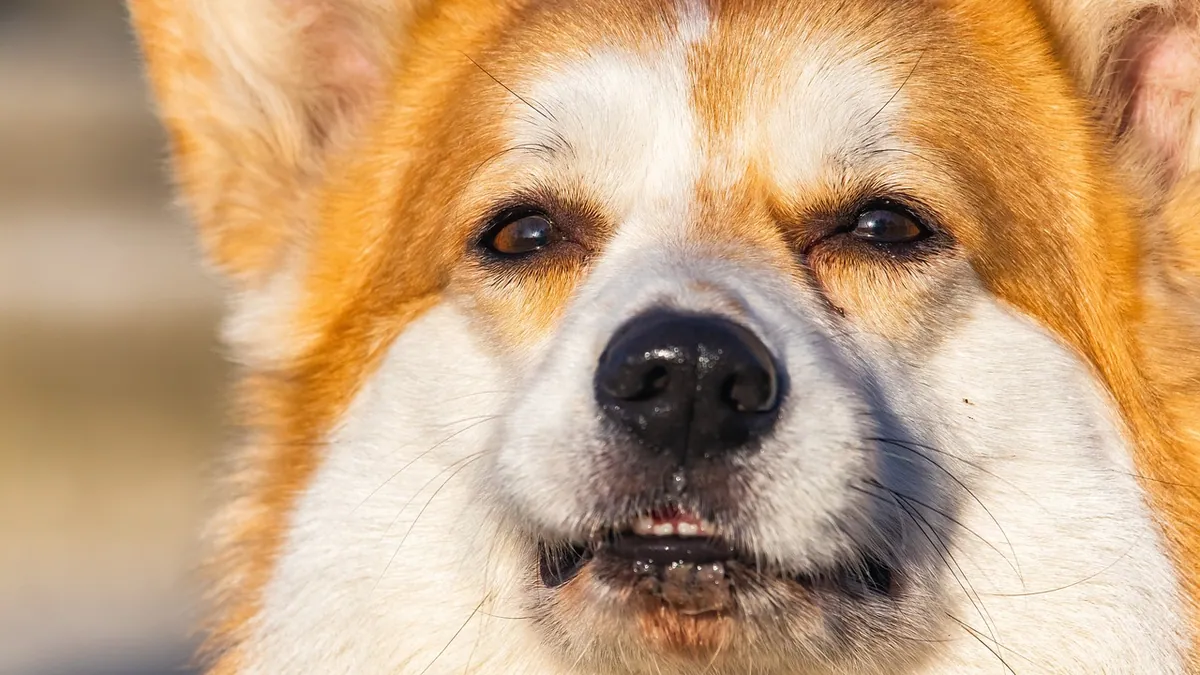
A runny nose in dogs is often mild and clears on its own, but the color and thickness of the discharge tell you a lot about what is going on. When owners ask what can I give my dog for a runny nose, the honest answer is that most human cold and allergy medicines are unsafe for dogs, and safe care starts with gentle home support plus a call to your vet if signs persist. This article is educational and is not a substitute for veterinary diagnosis or treatment.
Quick Answer
- Never give human nasal decongestants, including products containing phenylephrine, to your dog without veterinary direction. These can cause serious reactions and even cardiac arrest when used incorrectly [1].
- Clear, watery discharge with no other signs often improves within about 24 hours with simple home care such as steam exposure [2].
- Thick yellow, green, or bloody discharge, one-sided discharge, sneezing fits, or facial swelling need a veterinary visit.
- Safe at-home steps include keeping your dog in a steamy bathroom during a hot shower, keeping the nose clean, and using a humidifier.
- Any medication, including antihistamines or anti-inflammatories, should be chosen and dosed by your veterinarian based on your dog's weight and health.
What a Runny Nose Looks Like in Dogs
A runny nose means nasal discharge coming from one or both nostrils. It can be thin and clear like water, or thick and colored. Some dogs also sneeze, snort, reverse sneeze, paw at their face, or breathe noisily.
A small amount of clear discharge now and then is normal. Dogs explore the world with their noses, and dust, pollen, or a sudden temperature change can cause brief watery drainage. A stuffy nose in dogs may clear up in about 24 hours on its own [2].
What matters most is the pattern. Ask yourself:
- Is it coming from one nostril or both?
- Is it clear, cloudy, yellow, green, or bloody?
- Has it been going on for days or weeks?
- Is your dog eating, drinking, and acting normal?
- Are there other signs like sneezing, coughing, eye discharge, or lethargy?
Your answers to these questions help your veterinarian decide how urgent the problem is.
Main Causes of a Runny Nose in Dogs
Many different problems cause nasal discharge in dogs. Some are minor and self-limiting. Others are chronic or serious. The table below groups the most common causes and what makes each one stand out.
| Cause | Typical clues | How urgent |
|---|---|---|
| Irritants (dust, smoke, pollen, dry air) | Clear watery discharge from both nostrils, no lethargy, normal appetite | Usually mild, watch for 24 to 48 hours |
| Viral or bacterial upper respiratory infection | Clear to colored discharge, sneezing, sometimes cough or eye discharge | See a vet if signs last more than a few days or worsen |
| Nasal allergies | Clear discharge, sneezing, itching, seasonal pattern | Routine visit if recurrent |
| Chronic rhinitis | Long-standing discharge, often serous to mucopurulent, may include nosebleeds | Needs veterinary workup |
| Fungal rhinitis | Unilateral discharge, nosebleeds, sneezing, sometimes facial pain | Needs veterinary workup and treatment |
| Foreign body (grass awn, seed, foxtail) | Sudden violent sneezing, one-sided discharge, pawing at nose | Same-day veterinary visit |
| Dental disease | One-sided discharge, bad breath, drooling, pain when chewing | Veterinary visit soon |
| Tumor or polyp | One-sided discharge, nosebleeds, facial swelling, long duration | Needs prompt workup |
Chronic rhinitis is one of the most common upper respiratory diseases in dogs, and it often has more than one contributing factor [3]. In a group of 75 dogs with chronic idiopathic rhinitis, the average duration of signs before referral was 104 days, and only 11 of the 75 had not received antibiotics before referral [4]. That pattern shows how often nasal discharge lingers and gets treated with medication before a full diagnosis is made.
Fungal and other unusual infections can also cause nasal disease. In four dogs from Northern California with a fungal rhinitis, all presented with sneezing, nasal discharge, and nosebleeds, and imaging showed destructive rhinitis [5]. Another report described two dogs with a chronic fungal infection causing sneezing, nasal wheezing, and one-sided mucous to bloody discharge [6]. These cases are uncommon, but they show why a runny nose that does not resolve deserves a closer look.
Red Flags That Mean Emergency or Same-Day Care
Some signs mean you should not wait. Call your veterinarian right away or go to an emergency clinic if your dog has:
- Trouble breathing, open-mouth breathing, or noisy breathing that is getting worse
- Heavy nosebleeds that will not stop
- A swollen or painful face, or swelling around one eye
- Sudden collapse, weakness, or a very high fever
- A suspected foreign object in the nose, especially after violent sneezing
- Discharge that is bloody, foul-smelling, or rapidly worsening
If you think your dog swallowed or was given a human decongestant, call your veterinarian or a pet poison helpline immediately. Phenylephrine, the active ingredient in many nasal decongestants, constricts blood vessels and can cause fast heart rate, high blood pressure, seizures, and tremors in overdose [1]. These products are extremely toxic to pets when not used correctly and can result in cardiac arrest [1].
What You Can Safely Do at Home
Home care for a runny nose focuses on comfort and keeping the nose clear. It does not replace a veterinary diagnosis when signs are persistent or severe.
Use steam to loosen congestion
Have your dog lie in the bathroom while you take a hot shower. The steam may help clear a stuffy nose [2]. Keep the door closed so the room fills with moisture, and stay with your dog so it does not get too hot or stressed.
Run a cool-mist humidifier
Dry indoor air, especially in winter, can irritate the nose. A humidifier in the room where your dog sleeps can reduce irritation. Clean it regularly so it does not grow mold.
Keep the nose clean and dry
Gently wipe clear discharge with a soft, damp cloth. If the skin around the nostrils gets crusty or irritated, a little petroleum jelly can protect it. Do not push anything into the nostril.
Offer water and soft food
A congested dog may not smell food well and may eat less. Warm, soft food can be more appealing. Make sure fresh water is always available.
Avoid irritants
Keep your dog away from cigarette smoke, strong cleaners, scented candles, and dusty areas. These can worsen nasal irritation.
Do not reach for human medicine
This is the most important rule. Human nasal decongestants are not safe to give on your own [2][1]. Some nasal decongestants are used in animals, but they need to be prescribed by a veterinarian [1]. The same caution applies to antihistamines, cough syrups, and pain relievers. Your veterinarian calculates the dose from your pet's weight and health, and some common human drugs are toxic to dogs.
If allergies seem to be the trigger, read What Natural Remedy Can I Give My Dog For Allergies for background, then confirm any plan with your vet. If you are wondering about human nose sprays specifically, see Can You Give Your Dog Human Nasal Spray for Congestion?.
What the Veterinarian Will Check and Test
Your veterinarian starts with a full history and physical exam. They will ask when the discharge started, whether it is one-sided or both, and whether your dog has other signs. They will check the nose, mouth, teeth, eyes, and lymph nodes, and they will listen to the lungs.
Depending on what they find, they may recommend:
- Nasal swabs and cultures to look for bacterial or fungal infection
- Blood work to check for systemic illness
- Imaging, such as CT, to look at the nasal passages and sinuses. In one report, CT showed severe bone changes and sinus inflammation in a young dog with nasal discharge and fever [7].
- Rhinoscopy, which uses a small camera to look inside the nose and take biopsies
- Biopsy of nasal tissue, which is the basis for diagnosing chronic rhinitis once other causes like tumors, fungal infections, dental disease, parasites, polyps, or foreign bodies have been ruled out [3]
Treatment depends on the cause. For chronic rhinitis, nasal lavage, inhalation therapy, and mucolytic medications are the foundation of long-term care because they improve mucociliary clearance [3]. Some dogs respond to anti-inflammatory drugs such as corticosteroids or nonsteroidal anti-inflammatory drugs [3]. In one group of dogs with chronic idiopathic rhinitis, nonsteroidal anti-inflammatory drugs were the most common first-line treatment after referral [4]. Antibiotics are used often but are debated for chronic rhinitis, and they do not lead to complete resolution on their own [3].
If your dog has a foreign body, polyp, or fungal plaque, the vet may remove or treat it directly. In the two fungal rhinosporidiosis cases, one dog did not improve with itraconazole alone, and both dogs were treated successfully with an endoscopically guided diode laser to remove the growths [6].
How to Prevent and Monitor Nasal Problems
You cannot prevent every cause of a runny nose, but you can lower the odds and catch problems early.
- Keep your dog up to date on vaccines and parasite prevention.
- Address dental disease early, since dental problems can drain into the nose.
- Reduce exposure to smoke, dust, and strong chemicals.
- Use a humidifier in dry months.
- Check your dog's nose during routine grooming so you notice changes early.
- Track the discharge. Note the color, which nostril, and how long it has been present. This information helps your vet.
If your dog has a runny nose plus diarrhea, dehydration can become a concern. Guidance on that separate problem is available in What Can I Give My Dog For Diarrhea At Home and What Can I Give My Dog For Diarrhea Home Remedy.
Limitations and When to Contact a Veterinarian
This article gives general guidance only. Every dog is different, and a runny nose can have many causes that look alike at home. Only a veterinarian who examines your dog can decide what is safe and what treatment is needed.
Contact your veterinarian the same day if:
- Discharge is thick, yellow, green, or bloody
- Only one nostril is affected
- Your dog is sneezing violently or pawing at the nose
- Your dog has a fever, is lethargic, or is not eating
- Signs have lasted more than a few days or are getting worse
Go to an emergency clinic now if:
- Your dog is struggling to breathe
- There is heavy bleeding from the nose
- The face or eye area is swollen
- Your dog collapsed or had a seizure
- You suspect your dog ate or was given a human decongestant or other medication
For a mild, clear runny nose with no other signs, you can monitor at home for about 24 hours with steam and rest [2]. If it does not improve, call your vet.
Frequently Asked Questions
Can I give my dog Benadryl for a runny nose?
No, you should not give any human medication, including antihistamines, without asking your veterinarian first. Doses depend on your dog's weight and health, and some human drugs are toxic to dogs. Your vet can tell you whether an antihistamine is appropriate and what dose is safe.
Is a runny nose in dogs contagious to other pets?
It depends on the cause. Viral and bacterial upper respiratory infections can spread between dogs, while allergies, irritants, and tumors do not. Keep a dog with a new runny nose away from other dogs until your veterinarian says it is safe.
How long does a dog runny nose usually last?
A mild stuffy nose may clear in about 24 hours [2]. If discharge lasts more than a few days, or if it is colored, one-sided, or paired with other signs, it needs a veterinary visit. Chronic rhinitis can last weeks to months without treatment [4].
Can I use a saline spray on my dog's nose?
Plain saline can help moisten the nose, but you should ask your veterinarian before using any product. Never use medicated nasal sprays made for people, because ingredients like phenylephrine are dangerous to dogs [1]. Your vet can recommend a safe product and method.
What if my dog has a runny nose and is sneezing?
Sneezing with clear discharge often points to irritation or allergies, but sudden violent sneezing can mean a foreign object in the nose. If sneezing is severe, one-sided, or comes with bloody discharge, see your veterinarian promptly. Mild sneezing with clear discharge can be monitored at home for about a day [2].
Related Articles
- What Can I Give My Dog For Diarrhea At Home
- What Natural Remedy Can I Give My Dog For Allergies
- Can You Give Your Dog Human Nasal Spray for Congestion?
- Dry Dog Nose Remedy
- What Can I Give My Dog For Diarrhea Home Remedy
- Can I Give My Dog Kennel Cough
- Runny Nose in Dogs: Normal or a Warning Sign?
- What Can I Give My Dog for Allergies? Safe Options
- What Can I Give My Dog for a Fever? Safe Options
References
- Nasal Decongestant for Dogs. Pet Poison Helpline.
- Are Nasal Decongestants Used for Dogs. Pet Poison Helpline.
- Chronic rhinitis in dogs and cats - an overview of etiology, diagnostics and therapy. Tierarztliche Praxis. Ausgabe K, Kleintiere/Heimtiere, 2025.
- Canine chronic idiopathic rhinitis: management and outcome - a single-centre retrospective observational study. The Journal of small animal practice, 2026.
- Scedosporium spp. rhinitis in 4 dogs from Northern California. Medical mycology case reports, 2026.
- Two Cases of Nasal Rhinosporidiosis in Dogs Treated Endoscopically with a Diode Laser. Animals : an open access journal from MDPI, 2026.
- Case Report: Idiopathic calvarial hyperostosis and concurrent nasal discharge in a 22-week-old Staffordshire bull terrier. Frontiers in veterinary science, 2025.