Bump on Your Dog's Tongue or Mouth: What It Means
By Dr. Zubair Khalid, DVM, MS, PhD ·
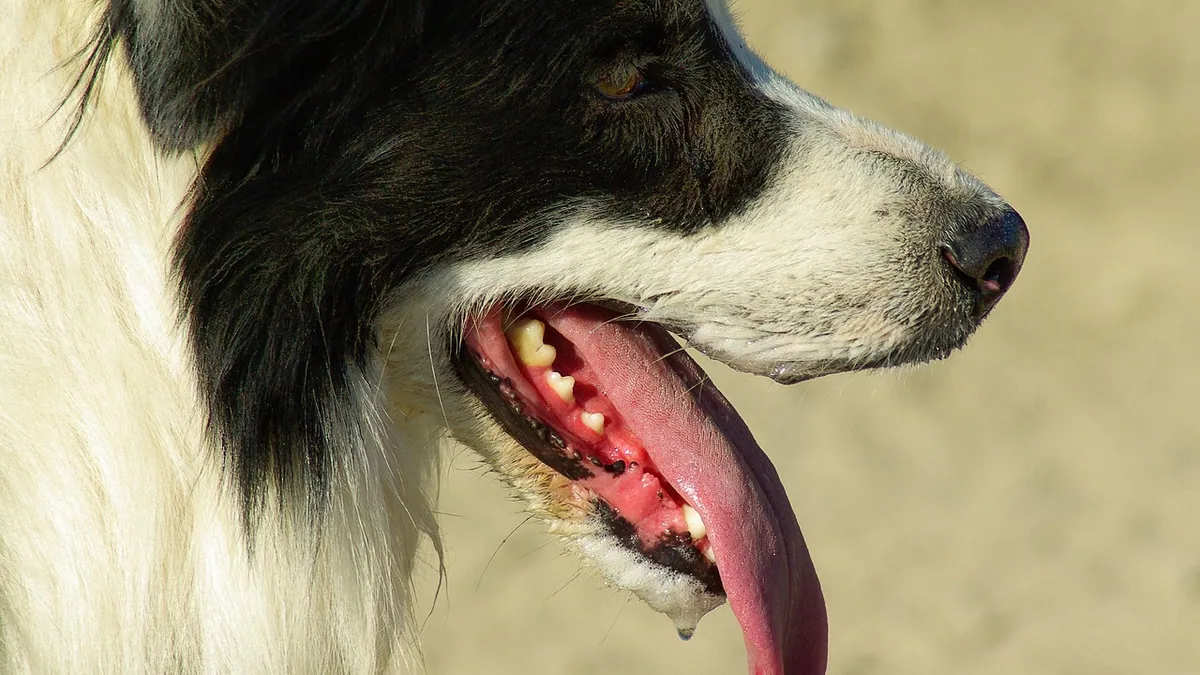
A dog bump on the tongue or elsewhere in the mouth can be harmless, or it can be an early sign of something serious. Most oral growths in dogs turn out to be non-cancerous, but the only way to know for sure is an examination and often a biopsy. Because mouth problems are easy to miss and tend to get worse when ignored, early diagnosis gives your dog the best chance at a simple fix [1].
This article is educational and is not a substitute for veterinary diagnosis or treatment.
Quick Answer
- A bump in the mouth is common. In one biopsy study of 338 canine oral masses, 52.7% were not tumors at all, and among the true tumors, 73.7% were benign [2].
- Young dogs with warty, cauliflower-like bumps often have oral papillomas, a benign viral condition that usually goes away on its own [3].
- Older dogs are more likely to have a malignant tumor. In that same study, dogs with malignant tumors had a median age of 12.0 years versus 9.0 years for benign tumors [2].
- Any lump that bleeds, grows fast, smells bad, or makes eating painful needs a vet visit promptly.
- You cannot tell a benign bump from a malignant one by looking. A veterinarian may need a biopsy to identify it.
What a Bump in a Dog's Mouth Looks Like
Owners often find these by accident. You might see a raised pink or white spot while your dog yawns, or you might feel a lump while brushing teeth or giving a pill. Sometimes the first clue is a smell, drooling, or your dog pawing at its face.
Dogs hide mouth pain well. Signs of mouth inflammation include loss of appetite, bad breath, drooling, saliva tinged with blood, pawing at the mouth, and resisting having the mouth examined. Lymph nodes in the area may also be enlarged [1].
What Is Normal in a Dog's Mouth
Normal structures can look alarming if you do not know what you are seeing. Dogs have a ridge down the center of the tongue, small raised papillae on the surface, and a bumpy row of tissue at the back of the upper palate. The incisive papilla is a small raised spot just behind the upper front teeth. These are supposed to be there.
If you are unsure whether something is a normal structure or a new growth, compare both sides of the mouth. Normal anatomy is usually symmetrical. A lump on one side only deserves a closer look. A dark patch on the tongue is often just pigment, which you can read about in this guide to a black spot on a dog's tongue.
Main Causes of a Dog Bump on the Tongue or Mouth
The table below covers the growths owners ask about most. Urgency reflects how fast a veterinarian should see the lump, not how serious it will turn out to be.
| Cause | Typical clues | How urgent |
|---|---|---|
| Oral papilloma (viral wart) | Young dog, warty cauliflower-like clusters, often on lips, tongue, or gums, may spread to several spots [3] | Routine visit within days to weeks |
| Peripheral odontogenic fibroma (POF) | Firm, smooth, slow-growing lump on the gums, common benign tumor [2] | Routine visit |
| Canine acanthomatous ameloblastoma (CAA) | Firm growth on the gums, often near the lower front teeth, benign but locally invasive [2] | Prompt visit, usually needs surgery |
| Squamous cell carcinoma (SCC) | Older dog, ulcerated or raised mass, often on gums or tongue, most common malignant oral tumor in one study [2][4] | Prompt to urgent visit |
| Malignant melanoma (MM) | Older dog, often pigmented, can appear on lips or gums, second most common malignant tumor in that study [2] | Prompt to urgent visit |
| Lingual lymphoma | Red swollen mass on the tongue, rare, diagnosed by biopsy [5] | Prompt visit |
| Trauma or foreign body | Sudden swelling, bleeding, a stick or bone fragment, drooling, pain when eating | Same-day visit |
| Abscess or infection | Soft, painful, pus, foul odor, sometimes fever | Same-day visit |
Benign Bumps: Papillomas, Epulis, and Other Growths
Oral papillomas come from canine papilloma virus 1 and mostly affect young or immunosuppressed dogs. Most cases shrink and disappear without treatment, though severe cases with many lesions can cause real discomfort and may need surgery [3]. If surgery is done, recurrence is common, so veterinarians sometimes add other treatments to reduce that risk [3].
The term epulis is an older label for a group of gum growths. In modern biopsy reports, the most common benign tumors are peripheral odontogenic fibroma and canine acanthomatous ameloblastoma [2]. Both are benign, meaning they do not spread to distant organs, but acanthomatous ameloblastoma can eat into nearby bone and usually needs surgical removal.
Malignant Bumps: What Cancer in the Mouth Looks Like
Squamous cell carcinoma is the second most common oral tumor in dogs and the most common malignant oral tumor in the biopsy series described above, at 50.0% of malignant cases, followed by malignant melanoma at 26.2% [2][4]. These tumors are more common in older dogs [2].
Cancer in the mouth does not always look dramatic. It can be a small ulcer that will not heal, a raised pink mass, or a pigmented lump. One report described a papillary squamous cell carcinoma in a 6-month-old Labrador retriever, which shows that age alone does not rule cancer out [6]. That dog had surgery plus chemotherapy and was free of recurrence more than 1,400 days later, so an early, aggressive approach can work well [6].
Lingual lymphoma is rare and appears as a red swollen mass on the tongue. It is confirmed with a biopsy, and treatment generally follows lymphoma protocols [5].
Red Flags That Mean Emergency or Same-Day Care
Call your veterinarian right away, or go to an emergency clinic, if you see any of these:
- Bleeding from the mouth that will not stop
- A lump that has grown noticeably in days
- Trouble breathing, especially with swelling near the throat
- Inability to swallow, or choking
- Dropping food, or crying out while eating
- A swollen face or eye on one side
- Pale gums, which can signal a serious problem such as blood loss. See this guide to dog pale gums.
- Refusing all food and water for more than 24 hours
Mouth disease that goes untreated can lead to malnutrition and dehydration, which is why early diagnosis matters so much [1].
What You Can Safely Do at Home While You Wait
You cannot treat a mouth lump at home, and you should not try to remove or drain it yourself. What you can do is gather information and keep your dog comfortable.
- Take clear photos of the lump from a few angles, with good light. Bring them to the visit.
- Note when you first saw it and whether it has changed size.
- Check both sides of the mouth and compare.
- Offer soft food if chewing seems painful. Warm water can soften kibble.
- Keep your dog away from sticks, bones, and hard toys that could irritate the area.
- Do not apply human creams, antiseptics, or wart treatments to the mouth.
- Do not try to squeeze, cut, or tie off the lump.
If your dog is drooling heavily, vomiting, or licking the lips more than usual, that can point to nausea or mouth discomfort. This article on dog vomiting and licking lips explains what those signs can mean.
What Your Veterinarian Will Check and Test
A complete oral examination should be part of every physical exam, because mouth disease is treated best when caught early and often stays hidden until it is advanced [1].
Your veterinarian will likely:
- Examine the mouth with good lighting, sometimes under sedation if your dog will not allow a full look
- Feel the lymph nodes under the jaw and in the neck, since these can enlarge with mouth disease [1]
- Measure and describe the lump, including its location, color, and texture
- Check the teeth, gums, and palate for other lesions
If the lump cannot be identified by appearance, the next step is usually a biopsy. A punch biopsy was used to diagnose a lingual lymphoma in one reported case, followed by laboratory analysis of the tissue [5]. Biopsy results sort growths into non-neoplastic, benign, and malignant categories, which is exactly how the 338-case study classified its samples [2].
Depending on findings, your veterinarian may also recommend blood work, imaging of the jaw, or referral to a veterinary dentist or oncologist. If cancer is confirmed, treatment options can include surgery, chemotherapy, or other drugs chosen for your dog's specific tumor type. One dog with lingual lymphoma improved on oclacitinib, a drug approved for canine atopic dermatitis, without conventional anticancer therapy [5]. That is a single reported case, so your veterinarian will decide what fits your dog.
Any medication dose is calculated by your veterinarian based on your dog's weight and health. Never give a human medication or leftover pet medication for a mouth lump.
Prevention and Monitoring
You cannot prevent most oral tumors, but you can catch them early.
- Look inside your dog's mouth about once a month. Lift the lips, check the gums, and glance at the tongue and palate.
- Brush your teeth routine. Daily brushing keeps gums healthy and gives you a reason to look around.
- Book dental cleanings as recommended. Your veterinarian can see areas you cannot.
- Watch for changes in eating, chewing on one side, dropping food, or new drooling.
- Track any lump you decide to monitor. Photograph it monthly with a ruler or coin for scale.
- Ask for a recheck if a monitored lump changes at all.
Ear and skin issues can also change how your dog eats and scratches, so if you notice new scratching, see what it means when your dog scratches their ears.
Limitations and When to Contact a Veterinarian
No article can tell you what a specific lump is. Only your veterinarian can examine the tissue, and often only a biopsy can name it. Individual cases need a veterinarian.
Use this timing guide:
- Emergency now: bleeding that will not stop, trouble breathing, choking, a rapidly swelling face or throat, or collapse.
- Same day: a new lump with drooling, refusal to eat, obvious pain, or a foul odor.
- Within a few days: any new lump you can see or feel, especially in an older dog.
- Routine visit: a small, stable lump in a young dog that is not causing any signs, but still get it checked.
If you are unsure, call your veterinary clinic and describe what you see. A phone call costs nothing and can save time.
Frequently Asked Questions
Can a dog bump on the tongue go away on its own?
Yes, some do. Oral papillomas in young dogs usually regress without treatment because they are caused by a virus and the immune system clears them [3]. Other lumps, including benign gum tumors and cancers, do not go away and often grow. Because you cannot tell them apart by looking, have any new lump checked.
Is a bump on the roof of a dog's mouth always cancer?
No. The upper palate has normal raised ridges, and many growths in the mouth are benign or not tumors at all. In one biopsy series, more than half of oral masses were non-neoplastic and most true tumors were benign [2]. Still, the palate is a common site for several tumor types, so a new lump there should be examined.
How does a veterinarian tell a benign lump from a malignant one?
Often by biopsy. Appearance, location, and your dog's age give clues, but tissue analysis is what confirms the diagnosis [5][2]. Your veterinarian may start with a fine needle sample or a punch biopsy, and more extensive testing if cancer is suspected.
Are mouth tumors in dogs painful?
They can be. Signs of mouth inflammation and tumors include drooling, bad breath, loss of appetite, pawing at the mouth, and resisting an oral exam [1]. Some dogs show almost no pain until a mass is large. That is one reason monthly mouth checks matter.
Do young dogs get mouth cancer?
Yes, though it is less common. One reported case involved a 6-month-old Labrador retriever with oral papillary squamous cell carcinoma that had spread to a lymph node [6]. Age is a clue, not a guarantee, so any suspicious lump in a young dog still deserves a veterinary look.
Related Articles
- What Does It Mean When Your Dog Scratches Their Ears
- Black Spot On Dog Tongue: Comprehensive Veterinary Reference Guide
- Dog Scratching Ears Meaning
- Dog Vomiting and Licking Lips: What It Means and What to Do
- Dog Pale Gums: What Does It Mean?
- Dog Skin Rash with Bumps: What Could It Be?
- Red Bump on Your Dog's Mouth or Gum: What It Means
- Bumps on Your Dog's Lips and Mouth: Causes and Care
- Lump on Your Dog's Gums, Jaw, or Mouth
References
- Disorders of the Mouth in Dogs - Dog Owners. Merck Veterinary Manual.
- Lesion distribution based on oral biopsy and histopathology in dogs: A retrospective study of 338 cases (2015-2025). Veterinary journal (London, England : 1997), 2026.
- Topical Mitomycin C Application Following Surgical Excision in Canine Oral Papilloma: A Case Report. Veterinary medicine and science, 2025.
- Spatial Transcriptomic Landscape of Canine Oral Squamous Cell Carcinoma. Molecular carcinogenesis, 2025.
- A case of lingual lymphoma in a dog treated with oclacitinib. The Journal of veterinary medical science, 2025.
- Canine oral papillary squamous cell carcinoma with lymph node metastasis in a dog. The Canadian veterinary journal = La revue veterinaire canadienne, 2025.