Dog Eye Stye: Causes, Treatment, and When to See a Vet
By Dr. Zubair Khalid, DVM, MS, PhD ·
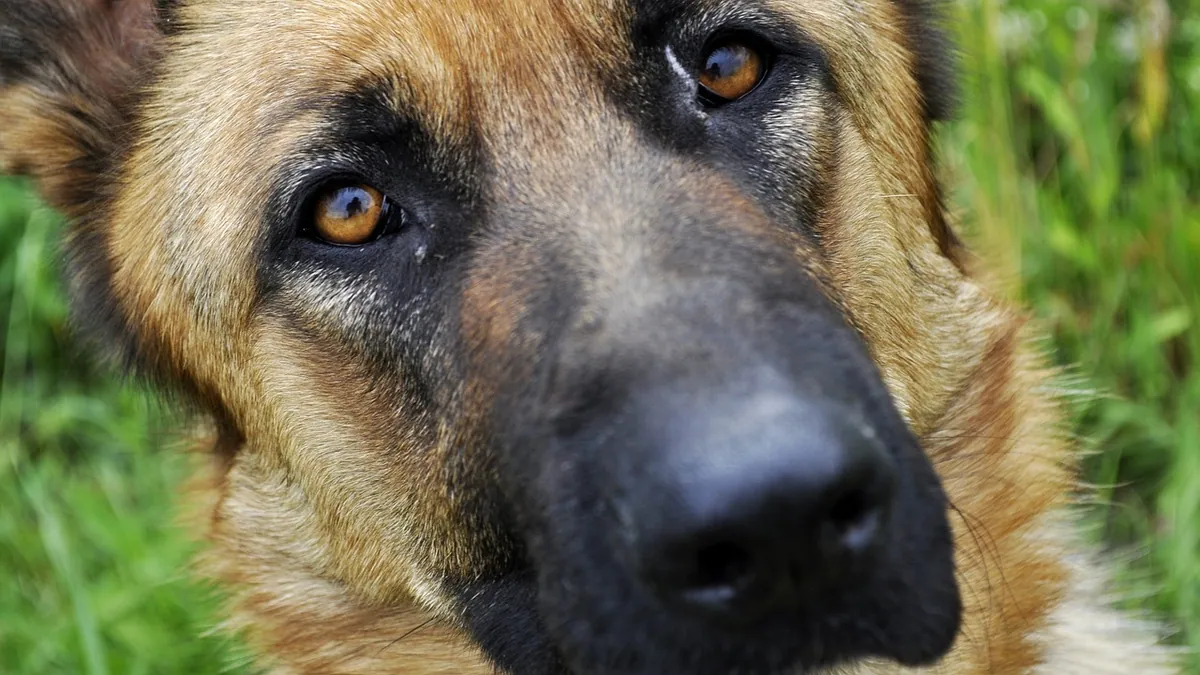
A dog eye stye is a small, red, pimple-like bump on the edge or inside of a dog's eyelid. Most styes are minor and improve with warm compresses and gentle hygiene, but some eyelid bumps turn out to be something more serious. This article is educational and is not a substitute for veterinary diagnosis or treatment.
Quick Answer
- A stye is a bacterial infection of a tiny gland in the eyelid, and it usually looks like a small red or pink bump near the eyelash line.
- Warm compresses several times a day are the main home measure, and you should never squeeze or pop the bump.
- A chalazion is a blocked oil gland that looks similar but is usually firmer and less tender.
- Any eyelid bump that grows, bleeds, changes color, or comes with squinting, redness, or discharge needs a veterinary exam.
- Dogs with flat faces or certain eyelid shapes may have a higher risk of eyelid and eye surface problems, so they need closer watching [1].
What Is a Dog Eye Stye?
A stye (the medical term is hordeolum) is an infected gland in the eyelid. Dogs have glands along the eyelid margin that produce part of the tear film, and when bacteria get into one of those glands, it swells into a small, tender bump. You may see it on the outer skin of the eyelid or along the inner edge where the lid meets the eye.
A chalazion is a close cousin. It happens when an oil gland gets blocked instead of infected. Chalazia tend to be firmer, rounder, and less painful than styes, and they can sit under the skin of the lid for weeks.
Both are different from other eyelid problems. Entropion, for example, is a condition where the eyelid rolls inward so the lashes and fur rub the eye surface. It is the most frequent inherited eyelid defect in many dog breeds, and it causes irritation, tearing, and sometimes slow-healing sores on the cornea [2]. That is a structural problem, not an infection, and it needs a different treatment plan.
Signs Owners Notice
Most owners spot a stye while petting their dog or looking at them face to face. Common signs include:
- A small red or pink bump on the eyelid, often near the eyelash line
- Mild swelling of the lid
- Squinting or holding one eye partly closed
- Pawing at the eye or rubbing the face on furniture
- Clear or slightly cloudy discharge
- Redness of the white of the eye
Some dogs show almost no discomfort. Others act like the eye is bothering them a lot, even when the bump is tiny. Pain matters because eyelid problems that cause squinting can sometimes trigger or worsen inward rolling of the lid, and early spasms of entropion may reverse if the cause is removed or the pain is lessened [2].
If the eye itself looks red or irritated beyond the bump, see our guide to dog eye redness for help sorting mild from serious.
Causes and Risk Factors
Infection and blocked glands
The most common cause is bacteria that normally live on the skin getting into an eyelid gland. Blocked glands cause chalazia. Neither one is contagious to people or to other pets.
Irritation and allergies
Dust, pollen, smoke, and shampoo residue can irritate the lid margin and make gland problems more likely. Dogs with allergies often rub their eyes, which can introduce bacteria.
Anatomy and breed
Eye shape matters. A study of 68 dogs found that brachycephalic (flat-faced) dogs had a significantly thinner tear film lipid layer and less stable tears than dogs with longer muzzles, likely because of meibomian gland problems and more exposed eye surface. That raises their risk of dry eye and other surface disease [1]. If you live with a Pug, French Bulldog, Shih Tzu, or similar breed, eyelid bumps deserve a closer look.
Breed surveys also show that some eye conditions cluster in certain dogs. In a survey of 105 veterinarians practicing ophthalmology in Japan, the most commonly seen breeds included Toy Poodles, Shiba Inus, Shih Tzus, Chihuahuas, Miniature Dachshunds, and French Bulldogs, and cataracts were reported across most popular breeds [3]. That does not mean those breeds get more styes, but it does show how often eye problems show up in everyday practice.
Other eyelid lumps
Not every bump is a stye. Warts, cysts, tumors, and insect bites can all appear on a dog's eyelid. Some eyelid tumors are benign, and some are not. That is the main reason a bump that does not settle down in a few days should be examined.
How a Dog Eye Stye Is Diagnosed
Your veterinarian will start with a full eye exam. That usually includes:
- Looking at the lid and lid margin with a bright light and magnifier
- Checking the tear film and cornea
- Testing tear production
- Staining the cornea to look for scratches or ulcers
- Checking the eyelids for inward or outward rolling [2]
If the bump looks unusual, your vet may measure it, photograph it, and recheck it in a week or two to see whether it changes. For lumps that could be tumors, a small sample (fine needle aspirate or biopsy) may be sent to a lab. That step gives a definite answer instead of a guess.
Eye surface testing has become more detailed in recent years. A veterinary ocular surface analyzer can measure tear film stability, tear meniscus height, and meibomian gland structure, and it has shown value in giving a fuller picture of the ocular surface in dogs [1]. Your vet may use this kind of tool if your dog has repeated eyelid or tear problems.
Treatment Options
Home care for a simple stye
For a small, uncomplicated stye, many vets recommend:
- Warm compresses for a few minutes, three to four times a day
- Keeping the area clean with a damp cloth or vet-approved wipe
- Preventing rubbing with an Elizabethan collar if your dog paws at the eye
- Watching closely for any change in size, color, or comfort
Never squeeze, pop, or lance a stye at home. You can spread infection or damage the lid.
Prescription treatment
If the stye is infected or the eye is uncomfortable, your vet may prescribe antibiotic eye drops or ointment, sometimes with an oral medication. The dose and choice depend on your dog's weight, the exam findings, and whether the cornea is involved. Your veterinarian calculates the dose from your pet's weight and health.
Anti-inflammatory eye drops are sometimes used when there is surface inflammation. In a pilot study of dogs with chronic corneal inflammation, bevacizumab eye drops were given twice daily for 28 days and were monitored for ocular and systemic toxicity [4]. That is a specialized treatment for a specific problem, not a standard stye treatment, and it is only used under veterinary direction.
Procedures
A chalazion that will not resolve may be drained or removed by a veterinarian. Eyelid surgery is reserved for structural problems. Established entropion usually requires surgery to correct the defect, while very young puppies with the condition may sometimes be treated with temporary stitches that are removed in 2 to 3 weeks [2].
What about the cornea?
If an eyelid problem leads to a corneal ulcer, treatment becomes more involved. A study of 76 dogs (78 eyes) treated surgically for deep corneal ulcers and perforations looked at which factors predicted clear corneas afterward, and corneal perforation was present in 31 of those eyes [5]. That is a reminder that eyelid problems left alone can sometimes progress to serious eye damage.
| Situation | What it usually means | Typical next step |
|---|---|---|
| Small red bump, dog comfortable | Likely a simple stye | Warm compresses, monitor 2 to 3 days |
| Firm bump under the lid skin, no pain | Likely a chalazion | Vet exam, warm compresses, possible drainage |
| Bump plus squinting, redness, or discharge | Infection or corneal involvement | Vet visit within 24 hours |
| Bump that grows, bleeds, or changes color | Possible tumor or cyst | Vet exam, possibly a sample for lab testing |
| Lid rolling inward with lashes rubbing the eye | Entropion | Vet exam, often surgery if established [2] |
Recovery, Outlook, and Long-Term Management
Most simple styes improve within a few days to a week with warm compresses and, when needed, medication. A chalazion can take longer, sometimes several weeks, and may come back in the same spot.
Long-term care depends on why the bump happened. If allergies or dry eye are part of the picture, managing those conditions reduces repeat problems. Flat-faced dogs often need ongoing eye surface care because their tear film is less stable and their eyes are more exposed [1]. Your vet may recommend lubricating drops, lid cleaning, or regular rechecks.
If your dog has had eye surgery, recovery can be slow. In one report of a lens removal in a sun bear, mild eyelid swelling, eye rubbing, and reduced appetite appeared in the first week after surgery, and the eyelid swelling resolved by day 18, though a persistent corneal opacity left that eye blind [6]. The lesson for dog owners is simple: follow post-operative instructions closely and keep every recheck appointment.
Prevention
You cannot prevent every stye, but you can lower the odds:
- Keep the area around the eyes clean, especially after walks in tall grass or dusty areas.
- Use dog-safe shampoo and rinse the face well at bath time.
- Treat allergies and dry eye promptly.
- Trim hair that hangs into the eyes if your groomer or vet advises it.
- Check your dog's eyelids once a week during petting, so you notice changes early.
- Keep up with routine eye exams, especially for breeds known to have eye disease [3].
If your dog has discharge along with the bump, our article on dog eye discharge explains what is normal and what is not. If the eye looks injured instead of infected, see dog eye injury: when to go to the vet.
Limitations and When to Contact a Veterinarian
No article can tell you what a specific bump on your dog's eyelid is. That requires an exam, and individual cases need a veterinarian.
Contact a veterinarian the same day if you see:
- A bump that appeared suddenly and is getting bigger
- Squinting, tearing, or pawing that started with the bump
- Yellow or green discharge
- Cloudiness on the surface of the eye
- The lid rolling inward or outward
Go to an emergency clinic now if you see:
- A bump that is bleeding heavily
- The eyeball itself looks out of place or the eye cannot close
- Sudden blindness or a pupil that looks different from the other eye
- Your dog is in obvious pain, crying, or refusing to open the eye
Schedule a routine visit if you see:
- A small bump that has not changed in 3 to 5 days
- A firm lump under the lid skin that has been there for weeks
- Repeated styes in the same eye
Frequently Asked Questions
Can I pop a stye on my dog's eyelid?
No. Popping or squeezing a stye can push bacteria deeper into the lid and damage delicate tissue around the eye. Warm compresses and veterinary treatment are the safe options.
How long does a stye take to go away?
A simple stye often improves within a few days and resolves within about a week with warm compresses and, if needed, medication. A chalazion can take several weeks and may need to be drained by a veterinarian.
Is a stye on a dog contagious to other pets or to people?
No. Styes come from bacteria that normally live on the dog's own skin, so they do not spread to other pets or to humans in the household. Good hand washing after touching the eye area is still a sensible habit.
Can a dog eyelid bump be cancer?
Yes, some eyelid lumps in dogs are tumors, which is why any bump that grows, bleeds, changes color, or fails to heal should be examined. A fine needle aspirate or biopsy gives a definite answer.
Are certain dog breeds more likely to get eyelid problems?
Flat-faced breeds have less stable tear films and more exposed eye surfaces, which raises their risk of eye surface disease [1]. Breed surveys also show that eye conditions are common in popular breeds such as Toy Poodles, Shih Tzus, and French Bulldogs [3].
Related Articles
- Dog Eye Infection Home Care: What Is Safe and When to See a Vet
- Dog Eye Injury: When to Go to the Vet
- Dog Eye Redness: When to See a Vet and When to Monitor
- Dog Eye Discharge: What's Normal and When to Call the Vet
- Cat Eye Discharge: Causes and When to See a Vet
- Dog Ear Infection: How to Spot It and When to See the Vet
- Dog Eye Infection: Symptoms, Treatment, and When to Worry
- Conjunctivitis in Dogs: Causes, Contagion, and Treatment
- Dog Eye Specialist: When to See a Veterinary Ophthalmologist
References
- Investigation of ocular surface parameters in dogs with different cephalic conformations using veterinary ocular surface analyzer (OSA-VET). Veterinary ophthalmology, 2025.
- Disorders of the Eyelids in Dogs - Dog Owners. Merck Veterinary Manual.
- Common Ophthalmic Conditions in Popular Dog Breeds in Japan: Insights From a Survey of 105 Veterinarians Practicing Ophthalmology. Veterinary ophthalmology, 2026.
- Topical Application of Preserved and Unpreserved Bevacizumab Eye Drops Improves Ocular Surface Parameters in Dogs with Chronic Keratitis: A Pilot Study. Veterinary sciences, 2026.
- Predictors of Postoperative Corneal Clarity After Corneal Reconstruction for Deep Corneal Ulcers and Perforations in Dogs. Veterinary ophthalmology, 2026.
- Management of anterior lens luxation in a bornean sun bear (Helarctos malayanus euryspilus): A case report. Open veterinary journal, 2025.