How to Tell If Your Dog Dislocated a Hip, Shoulder, or Leg
By Dr. Zubair Khalid, DVM, MS, PhD ·
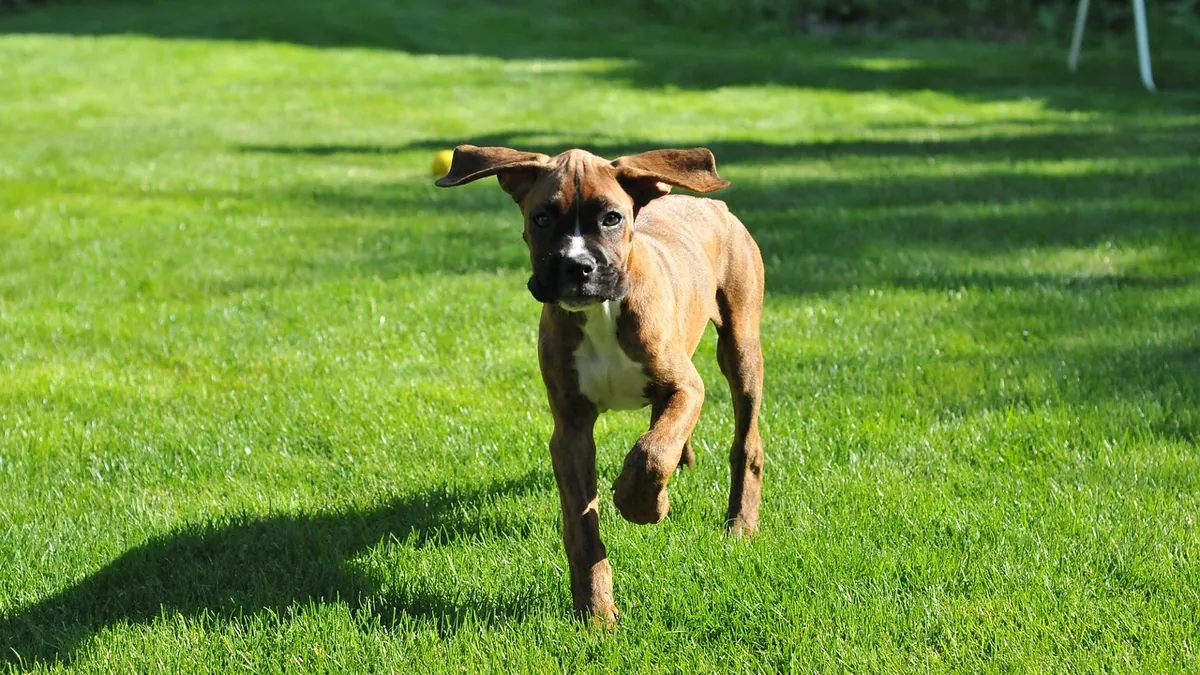
A dislocated joint usually looks dramatically different from a sprain or a break. Your dog may hold the leg up completely, the limb may point in an odd direction, and the joint may look out of place. If you are asking yourself how to tell if my dog dislocated his hip, the short answer is that a true dislocation almost always causes sudden, severe lameness and a visibly abnormal limb position that you cannot safely fix at home.
This article is educational and is not a substitute for veterinary diagnosis or treatment.
Quick Answer
- A dislocated joint causes sudden, non-weight-bearing lameness, meaning your dog will not put the paw down at all.
- The limb often looks shorter, rotated, or pointed in a strange direction compared to the other side.
- Most dogs with a dislocation are in obvious pain and may cry, pant, tremble, or refuse to be touched near the joint.
- Hip dislocation is the most common of these injuries in dogs and usually follows a traumatic event such as a car accident [1].
- Do not try to pop the joint back into place yourself. Keep your dog still and call a veterinarian right away.
What a Dislocated Joint Looks Like and What Is Normal
A joint is where two bones meet. In a dislocation, also called a luxation, the bones lose their normal alignment. The rounded end of one bone slips out of the socket, and the joint no longer works the way it should.
Normal leg function looks like this. Your dog bears weight evenly on all four limbs. The joints bend smoothly when walking or running. The leg hangs in a natural position when your dog stands still. When your dog is lying down, the limb rests in a relaxed, predictable pose.
A dislocated joint looks very different. The leg may be held up off the floor entirely. The paw may turn inward or outward when it should point straight ahead. The affected limb may appear shorter than the opposite leg because the bone has shifted out of place. In some dogs, you can see or feel a hard bump where the joint should be smooth.
With a hip dislocation, the leg often looks rotated and the dog refuses to bear weight on that side. With a shoulder dislocation, the front leg may be carried high and the shoulder area may look flattened or misshapen. With a leg dislocation, the problem may be at the knee, ankle, or another joint, and the limb may bend in a direction it should not.
Pain is a major clue. A dog with a dislocation usually resists having the limb moved. Your dog may snap, growl, or pull away when you reach for the leg. That reaction is not aggression. It is pain.
How to Tell If My Dog Dislocated His Hip, Shoulder, or Leg
The three injuries share some signs, but each has features that can help you describe what you are seeing to your veterinarian. Your description matters because it helps the vet decide how quickly your dog needs to be seen and what imaging to plan.
Hip Dislocation
Hip dislocation, or coxofemoral luxation, happens when the femoral head slips out of the acetabulum, the socket of the pelvis [1]. These injuries commonly occur in dogs after traumatic events such as car accidents [1]. The most common direction is craniodorsal, which accounts for about 72% of cases [1]. In a craniodorsal dislocation, the top of the femur shifts upward and forward, so the leg may look shorter and turned outward.
On an exam, veterinarians look at three landmarks: the wing of the ilium, the ischial tuberosity, and the greater trochanter of the femur [1]. In a normal hip, these form a triangle. In a craniodorsal dislocation, they line up in a straight line because the greater trochanter has moved upward [1]. You will not be able to check this at home, but it explains why your vet may feel the hip carefully before taking X-rays.
Shoulder Dislocation
Shoulder dislocation is less common than hip dislocation, but it can happen after a fall, a hard landing, or a sudden twist. The front leg is usually carried up and off the ground. The shoulder may look flatter than the other side, and your dog may resist having the leg extended forward.
Shoulder problems in dogs can also involve instability instead of a full dislocation. Medial shoulder instability is a frequent cause of front leg lameness, and diagnosis can be challenging [2]. Your veterinarian may measure a shoulder abduction angle and use imaging to sort out what is happening [2]. If your dog is limping on a front leg, see Why's My Dog Limping On His Front Leg for more on front limb lameness.
Leg Dislocation
A dislocated leg joint can involve the knee, ankle, or elbow. The signs are similar: sudden severe lameness, an odd limb angle, and pain when the joint is touched. Kneecap dislocation, called patellar luxation, is a related condition that can cause a skipping gait or lameness, and it is often linked to other hindlimb deformities involving the hip, femur, and tibia [3]. Dogs of any age may be affected [3].
If your dog is limping but still putting some weight on the leg, the problem may be a sprain, a strain, or a partial tear. See Dog Limping: How to Tell If It's a Sprain or a Break to compare those possibilities.
Main Causes and How Urgent They Are
| Cause | Typical clues | How urgent |
|---|---|---|
| Traumatic hip dislocation | Sudden non-weight-bearing lameness after a car accident, fall, or collision. Leg may look short and rotated. | Emergency. Go now. |
| Traumatic shoulder or leg dislocation | Sudden severe lameness after a jump, fall, or twist. Limb held in an abnormal position. | Emergency. Go now. |
| Patellar luxation | Skipping gait, intermittent lameness, hindlimb deformity. Dogs of any age can be affected [3]. | Same-day or next-day vet visit. |
| Legg-Perthes disease | Hindlimb lameness, thigh muscle wasting, and hip pain in young miniature and small breeds [3]. | Prompt vet visit. Not usually an emergency. |
| Soft tissue injury (sprain or strain) | Lameness that may improve with rest. Limb position looks normal. | Same-day or next-day vet visit. |
| Fracture | Severe pain, swelling, instability, sometimes an open wound. | Emergency. Go now. |
A dislocation is not the same as a sprain. A sprain stretches or tears ligaments, but the bones stay in place. A dislocation means the bones have moved out of alignment. That difference is why a dislocation usually looks so dramatic and why it needs urgent care.
Red Flags That Make It an Emergency
Some signs mean you should stop reading and call an emergency veterinary hospital now.
- Your dog cannot put the leg down at all.
- The limb is visibly rotated, shortened, or pointing in the wrong direction.
- You can see or feel a hard bump where the joint should be smooth.
- Your dog is crying, panting, trembling, or unable to settle.
- Your dog will not let you touch the leg, or snaps when you try.
- There is swelling, bleeding, or an open wound near the joint.
- Your dog was hit by a car or fell from a height.
- Your dog is dragging the leg or has lost feeling in the paw.
If your dog is limping but the leg looks normal and your dog is comfortable, the problem may still need a vet visit, but it may not be an emergency. See Dog Limping: How to Tell If It's an Emergency for help sorting that out.
What You Can Safely Do at Home While Waiting
Your job at home is to keep your dog still and comfortable until you reach the vet. Do not try to reduce the dislocation or manipulate the joint. You can cause more damage and more pain.
- Keep your dog confined in a small, quiet space. A crate or a small room works well.
- Put a leash on your dog for any movement, even to go outside to urinate.
- Support the hind end with a towel sling under the belly if your dog needs to walk a few steps.
- Do not apply heat to the joint.
- Do not give any medication unless your veterinarian tells you to. Human pain relievers can be toxic to dogs, and the dose must be calculated by your vet based on your dog's weight and health.
- Keep children and other pets away from your dog.
- Call the veterinary clinic before you arrive so the team can prepare for your dog.
If your dog is in severe pain, do not wait for an appointment. Call an emergency hospital and describe what you see.
What the Veterinarian Will Check and Test
Your veterinarian will start with a full physical and orthopedic exam. They will watch your dog walk if your dog can walk at all. They will feel the joints on both sides and compare them. They will check for swelling, instability, and pain.
Imaging comes next. Radiographs, also called X-rays, are the standard way to confirm a hip dislocation [4]. Your vet may take more than one view because limb positioning can hide a problem. In one described case, a straight-limb view obscured a fracture of the femoral head, while a flexed frog-leg view revealed it clearly [1]. That is why positioning matters.
Ultrasound is another option. It can accurately diagnose hip luxation in dogs with hind limb lameness, with accuracy ranging from 84.2% to 100% for detecting the presence of luxation [5]. Ultrasound can also identify the direction of the luxation, with accuracy from 80.6% to 98.1% depending on the evaluator's experience [5]. A dorsolateral approach to the hip and pelvis allows the veterinarian to see the femoral head and acetabulum and to spot displacement [6].
If your dog has a chronic limp or a history of joint problems, your vet may also consider conditions such as Legg-Perthes disease, which causes collapse of the top of the femur in young miniature and small breeds and often affects both hips [3]. X-rays can help identify the characteristic changes [3]. For older dogs or dogs with a long history of limping, see Dog Limping: How to Tell If It's Arthritis or a Torn Ligament.
Treatment depends on the joint and the severity. Some dislocations can be reduced manually under sedation or anesthesia. Others need surgery. Legg-Perthes disease is treated by surgical removal of the affected femoral head and neck, followed by physical therapy to stimulate limb usage, and most animals recover with this approach [3].
Prevention and Monitoring
You cannot prevent every accident, but you can lower the risk.
- Keep your dog leashed near roads and driveways.
- Use a secure harness or collar and check it for wear.
- Block access to stairs, decks, and windows that could lead to a fall.
- Keep your dog at a healthy weight to reduce stress on joints.
- Ask your vet about joint-friendly exercise for breeds prone to hip or knee problems.
- Watch for early signs such as a skipping gait, stiffness after rest, or reluctance to jump. Patellar luxation can cause a skipping gait, and dogs of any age may be affected [3].
- If your dog has had a dislocation repaired, follow the discharge instructions closely and keep follow-up appointments.
Monitoring matters most in the first few weeks after treatment. Call your vet if your dog's lameness gets worse, if the leg looks abnormal again, or if your dog seems painful despite medication.
Limitations and When to Contact a Veterinarian
This article cannot tell you whether your dog has a dislocation, a sprain, or a fracture. Only a veterinarian can do that with an exam and imaging. Individual cases need a veterinarian, and the timing of care can change the outcome.
Contact a veterinarian the same day if your dog is limping but still bearing some weight, if the lameness started after a minor stumble, or if your dog has a history of joint problems and the limp is new.
Go to an emergency hospital now if your dog cannot bear weight, if the limb looks rotated or shortened, if your dog is in severe pain, or if your dog was hit by a car or fell from a height.
Call your regular vet for a routine visit if your dog has a mild, intermittent limp that comes and goes, or if you want to discuss prevention and monitoring for a breed prone to joint disease.
Frequently Asked Questions
Can a dog dislocate a hip and still walk?
Some dogs with a hip dislocation can take a few steps, but they usually will not bear full weight on the leg. The limb often looks rotated or shorter, and your dog will resist having the hip moved. Any dog with these signs needs to see a veterinarian right away.
Will a dislocated joint fix itself?
No. A dislocated joint does not go back into place on its own. The bones stay out of alignment, and the surrounding ligaments and cartilage can be damaged further over time. A veterinarian needs to reduce the joint, sometimes with surgery, and then manage recovery.
How can I tell the difference between a dislocation and a break?
Both cause severe pain and lameness, so you cannot tell them apart at home. A break may cause swelling, instability, or an open wound, while a dislocation often causes a visibly abnormal limb position. Only X-rays or ultrasound can confirm which one your dog has.
Is a shoulder dislocation as serious as a hip dislocation?
Both are serious and both need urgent care. Hip dislocations are more common in dogs and often follow trauma such as a car accident [1]. Shoulder dislocations are less common but can still cause severe lameness and may need surgery. Shoulder instability can also be a cause of front leg lameness, and diagnosis may require advanced imaging [2].
What should I do if my dog is in pain and I cannot reach a vet right away?
Keep your dog confined and quiet, and do not try to move the joint. Do not give human pain medication, because many are toxic to dogs and the dose must be calculated by a veterinarian. Call the nearest emergency hospital and follow their instructions while you travel.
Related Articles
- Dog Limping: How to Tell If It's a Sprain or a Break
- Dog Limping: How to Tell If It's Arthritis or a Torn Ligament
- Why's My Dog Limping On His Front Leg
- Dog Limping: How to Tell If It's an Emergency
- Why Is My Dog Limping On Front Left Leg
- Why Is My Dog Limping On The Front Leg
- Dog Paw or Leg Injury: How to Tell If It's Sprained or Broken
- Dog Sprained or Broken Leg: What to Do Right Now
- Dog Limping With a Swollen Paw, Leg, or Joint
References
- Joint Trauma in Dogs and Cats - Musculoskeletal System. Merck Veterinary Manual.
- Diagnostic value of abduction angle and magnetic resonance imaging in dogs with arthroscopically confirmed medial shoulder instability. The Canadian veterinary journal = La revue veterinaire canadienne, 2026.
- Other Joint Disorders in Dogs - Dog Owners. Merck Veterinary Manual.
- Ultrasound is an accurate method compared to radiography for diagnosing the presence of acute hip luxation in cadaver dogs and can identify the direction of luxation with variable reliability. Veterinary radiology & ultrasound : the official journal of the American College of Veterinary Radiology and the International Veterinary Radiology Association, 2022.
- Ultrasound is an accurate imaging modality for diagnosing hip luxation in dogs presenting with hind limb lameness. Journal of the American Veterinary Medical Association, 2024.
- Dorsolateral approach to hip and pelvis ultrasound in dogs. Journal of the American Veterinary Medical Association, 2025.