Dog Limping With a Swollen Paw, Leg, or Joint
By Dr. Zubair Khalid, DVM, MS, PhD ·
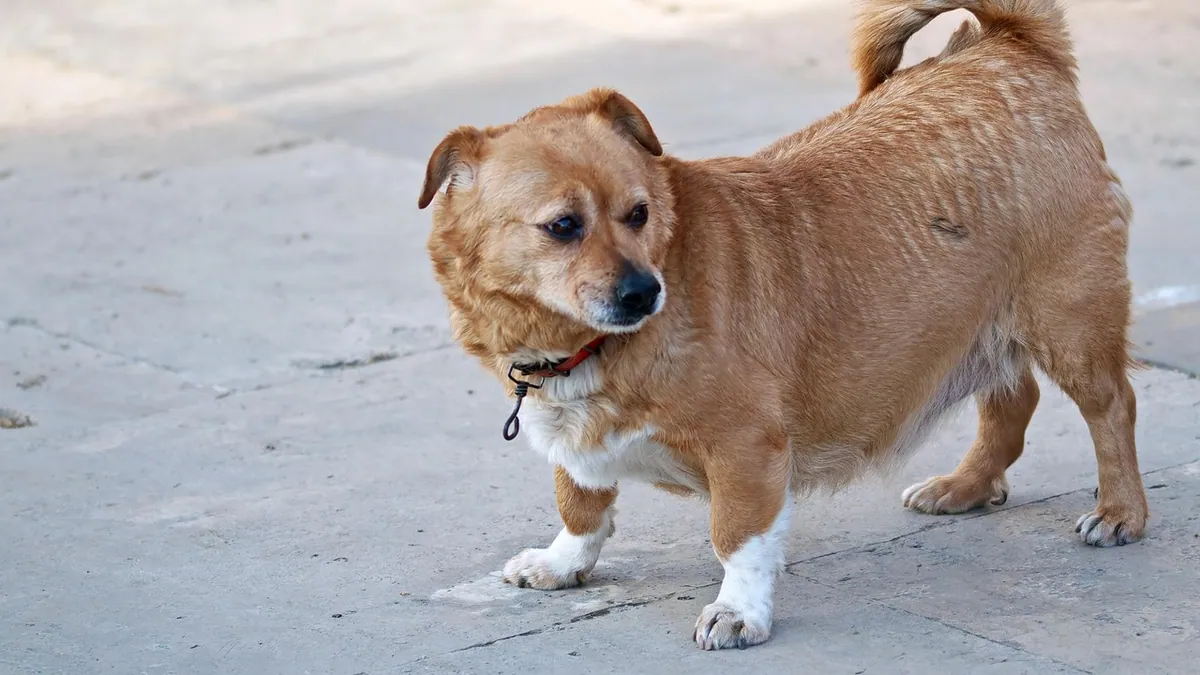
A dog limping with a swollen paw, leg, or joint has some kind of problem in the limb, and swelling means tissue is injured, inflamed, or infected. Lameness is a sign of illness, not a specific disease, and it often points to a disorder in the musculoskeletal system [1]. Some causes are minor and settle with rest, while others need same-day care.
This article is educational and is not a substitute for veterinary diagnosis or treatment.
Quick Answer
- Swelling plus limping is never normal. A limb that is puffy, warm, or painful to touch needs a veterinary exam.
- Sudden non-weight-bearing lameness with distal limb swelling can signal a deep infection in a growing puppy, which is a medical emergency [2].
- Keep your dog quiet and leashed, and do not give human pain relievers. Many are toxic to dogs.
- Cold compress for the first 24 to 48 hours can help with a suspected minor strain, but only if your dog tolerates it.
- Call your veterinarian the same day for any new swelling, and go to an emergency clinic now if the leg is deformed, bleeding, or your dog cannot stand.
What a Swollen Limb With Limping Looks Like
Swelling can show up in different places, and where it sits gives your veterinarian useful clues.
Paw and paw pad swelling. The paw looks puffy or wider than the other side. The pads may be tender, cracked, or have a foreign object stuck between them. Your dog may lick the paw constantly.
Leg swelling. The whole lower leg or a section of it looks thicker. Pressing gently may leave a dent (pitting edema) or feel firm. Swelling that involves the soft tissues around a growth plate in a young dog is a serious finding [2].
Joint swelling. The carpus (wrist), elbow, knee, or hock looks bigger than the matching joint on the other leg. Your dog may hold the leg stiff or resist having the joint bent.
What is normal. A dog can have a mild, brief limp after a hard run or a long hike, and it often improves within a day. Mild paw pad wear from hot pavement or rough ground can cause tenderness without much swelling. What is not normal is visible swelling, heat, a leg that your dog will not put down, or a limp that lasts more than a day or two.
If your dog is limping on a front leg with no swelling at all, the picture is different. You can read more about that pattern in Dog Limping Front Leg But No Swelling and Dog Limping Front Leg No Pain Or Swelling.
Common Causes of a Swollen Paw or Leg With Limping
Causes fall into a few broad groups: injury, infection, immune or inflammatory disease, blood flow problems, and cancer. Your veterinarian's job is to sort out which group your dog fits into.
| Cause | Typical clues | How urgent |
|---|---|---|
| Soft tissue injury (strain, sprain, bruise) | Swelling after a jump, slip, or rough play. Dog still puts some weight on the leg. | Routine visit within 24 to 48 hours |
| Paw pad injury or foreign object | Swelling and pain in one paw. Licking, limping, visible cut or object. | Same day if deep or bleeding |
| Insect sting or bite | Rapid swelling of the paw or face, sometimes hives. | Emergency if breathing changes |
| Bacterial infection of bone or growth plate (osteomyelitis, septic physitis) | Acute non-weight-bearing lameness, distal limb swelling, lethargy, often in a young dog [2] | Emergency now |
| Joint infection (septic arthritis) | Hot, very painful, swollen joint. Fever, reluctance to move. | Emergency now |
| Immune-mediated joint disease | Multiple joints swollen over days to weeks. Shifting lameness. | Same day to urgent |
| Ischemic necrosis of a bone | Long-standing lameness, an expansile bone lesion, sometimes a fracture [3][4] | Urgent, needs imaging |
| Bone cancer or cancer spread to bone | Multiple limb lameness and joint swelling over weeks, often an older dog [5] | Urgent, poor prognosis possible |
| Fracture | Deformity, sudden severe lameness, swelling at the fracture site. | Emergency now |
Injury
This is the most common reason a dog shows up limping with a swollen leg. A sprain stretches or tears a ligament, a strain injures muscle or tendon, and a bruise damages small blood vessels. Swelling follows within hours.
A fracture is the more serious version. A growth plate fracture in a puppy can happen after an infection weakens the bone, and in one reported case a 19-week-old Boxer developed a fracture of the distal tibia after a septic infection in the growth plate [2]. That dog had a two-day history of acute non-weight-bearing lameness, distal limb swelling, and lethargy [2].
Infection
Infection can sit in the skin, the soft tissue, the joint, or the bone itself. Bone infection is called osteomyelitis, and infection of the growth plate is called septic physitis [2]. These are painful and can destroy bone quickly.
Signs that point to infection include heat, redness, fever, lethargy, and a dog that will not use the leg at all. In the Boxer puppy case, a pocket of pus under the bone surface was found during surgery and Pasteurella bacteria were cultured from it [2].
Immune and inflammatory problems
Sometimes the body's own immune system attacks the joints. This causes swelling in several joints, and the lameness can shift from leg to leg over days or weeks. These dogs often look stiff after rest and better after moving around.
Blood flow problems
When blood supply to a bone is cut off, the bone tissue can die. This is called ischemic necrosis. It has been described in the accessory carpal bone of a dog with a nine-month history of front limb lameness, where imaging showed an aggressive-looking lesion in the bone [3]. A review of 14 dogs found radio-ulnar ischemic necrosis mostly in adult dogs, with Spaniels and their crosses most commonly affected, and most lame dogs had another coexisting cause of lameness as well [4].
Cancer
Cancer in bone or cancer that has spread to bone can cause lameness and joint swelling. One report described a dog with multiple limb lameness and joint swelling that developed over three weeks, and imaging found a tumor in the adrenal gland with spread to many organs and to bones throughout the body [5]. This is uncommon, but it belongs on the list, especially in older dogs with swelling in more than one limb.
Red Flags That Mean Emergency
Go to a veterinary emergency clinic right away if you see any of these:
- The leg is bent at a strange angle or looks shorter than the other one.
- Your dog will not put the paw down at all and cries when you touch the leg.
- Swelling appeared within minutes, especially after a sting, bite, or possible snake bite.
- The paw or leg is bleeding and does not stop with gentle pressure.
- The limb is cold, pale, or blue compared with the others.
- Your dog is lethargic, vomiting, breathing fast, or has a fever.
- The swelling is spreading up the leg quickly.
- Your dog cannot stand or seems to have lost control of the limb.
Acute non-weight-bearing lameness with distal limb swelling and lethargy in a young dog is a specific pattern that needs immediate imaging and treatment [2].
Safe Things You Can Do at Home While Waiting
You cannot diagnose this at home, but you can keep your dog comfortable and avoid making things worse.
Restrict activity. Use a leash for every bathroom trip. No stairs if you can avoid them. No running, jumping, or playing. A crate or a small quiet room works well.
Check the paw carefully. Look between the toes and pads for a thorn, splinter, piece of glass, or burr. If you can see it and it lifts out easily with tweezers, remove it. If it is embedded, leave it and call your veterinarian.
Apply a cold pack for a suspected strain. Wrap a gel pack or a bag of frozen peas in a thin towel and hold it against the swollen area for 10 to 15 minutes, a few times a day, for the first 24 to 48 hours. Never put ice directly on the skin.
Do not give human pain medications. Ibuprofen, naproxen, acetaminophen, and aspirin can cause serious harm to dogs. Your veterinarian will calculate the correct dose of a dog-safe medication based on your dog's weight and health.
Do not wrap the leg tightly. A bandage that is too snug can cut off circulation. If you need to cover a wound, use a clean gauze pad and light self-adhesive wrap, then get seen.
Keep your dog from licking. Licking increases swelling and can introduce bacteria. An Elizabethan collar or a soft cone helps.
Take notes. Write down when the limping started, which leg, whether your dog is eating and drinking, and any recent activity or injury. This helps your veterinarian a lot.
If the problem is in a front leg joint instead of the paw, these guides may help you describe it: Dog Limping Front Leg Joint and Dog Limping On His Front Leg. For a problem centered on one front paw, see Dog Limping Front Right Paw.
What Your Veterinarian Will Check and Test
Your veterinarian will start with a full history and a hands-on exam. Expect them to watch your dog walk and trot, then feel each limb from toe to shoulder or hip.
Localizing the problem. Thoracic limb lameness is a diagnostic challenge because orthopedic, neurologic, infectious, inflammatory, vascular, and neoplastic disorders can all produce overlapping signs [6]. Your veterinarian uses signalment (age, breed, sex), gait assessment, and a careful orthopedic and neurologic exam to narrow down where the problem is [6].
Imaging. Radiographs (X-rays) are usually the first step. Ultrasound can help evaluate soft tissues. For complex or unresolved cases, your veterinarian may recommend computed tomography (CT), MRI, PET-CT, or arthroscopy [6]. CT was what confirmed an aggressive carpal bone lesion in one reported case, where standard radiographs had already shown an abnormality [3].
Lab work. Blood work and a urinalysis give a picture of your dog's overall health. If infection is suspected, your veterinarian may collect a sample of fluid or tissue for culture. In the puppy with the bone infection, surgery revealed a pocket of pus that was drained and cultured, and Pasteurella bacteria grew from it [2].
Joint fluid analysis. If a joint is swollen, your veterinarian may draw a small amount of joint fluid. This is one of the best ways to tell infection from immune-mediated inflammation.
Referral. Some cases need a specialist. Your veterinarian will discuss referral when the diagnosis is unclear, when advanced imaging is needed, or when a condition is one where delayed diagnosis could hurt your dog's outcome [6].
Prevention and Monitoring
You cannot prevent every injury, but you can lower the odds and catch problems early.
Keep nails trimmed. Long nails change how your dog's paw hits the ground and can lead to toe injuries.
Watch hot pavement. If it is too hot for your bare hand, it is too hot for paws. Walk early or late in the day.
Manage weight. Extra body weight puts more stress on joints, especially elbows, knees, and hips.
Use safe play surfaces. Slippery floors and hard landings are common causes of sprains. Rugs and non-slip mats help older dogs.
Check paws after outings. A quick look between the pads after hikes, beach trips, and walks in tall grass catches cuts and foreign objects early.
Monitor chronic limping. A dog with a long-standing limp that comes and goes needs an exam, even if the swelling is mild. Some bone and joint conditions cause lameness for months before they are diagnosed [3][4].
Know your dog's baseline. If your dog normally trots sound and suddenly favors a leg, that change matters. Early exams are usually simpler and less expensive than waiting.
Limitations and When to Contact a Veterinarian
This article cannot tell you what is wrong with your dog. Only a veterinarian who examines your dog can do that, and individual cases always need a veterinarian's judgment.
Contact your veterinarian the same day if:
- You see new swelling in a paw, leg, or joint.
- Your dog is limping but still putting some weight on the leg.
- The swelling is mild but has been present for more than 24 hours.
- Your dog has a fever, is eating less, or seems tired.
- Your dog has a known chronic condition and the limping is getting worse.
Go to an emergency clinic now if:
- Your dog will not use the leg at all.
- The limb is deformed, bleeding, or cold to the touch.
- Swelling appeared suddenly and is spreading fast.
- Your dog is struggling to breathe, vomiting, or collapsed.
- Your dog is a puppy with sudden severe lameness and limb swelling [2].
Schedule a routine visit if:
- Your dog has a mild limp that comes and goes over weeks.
- You notice a firm lump near a joint.
- Your dog is stiff after rest but loosens up with activity.
Frequently Asked Questions
Should I walk my dog if the paw is swollen and he is limping?
No, skip the walk and keep activity to short leash trips outside for bathroom breaks. Movement can make an injury or infection worse. Rest until your veterinarian examines the leg.
Can I give my dog aspirin or ibuprofen for the swelling?
No. Human pain relievers can seriously harm dogs, and the correct dose of any dog-safe medication depends on your dog's weight and health. Call your veterinarian for guidance instead.
How long can I wait before seeing a vet?
If your dog is still putting weight on the leg and seems comfortable, a visit within 24 hours is reasonable. If your dog will not use the leg, has a fever, or the swelling is getting worse, go now.
What if only one toe or paw pad looks swollen?
A single swollen toe often means a foreign object, a bite, an ingrown nail, or a small fracture. Your veterinarian can examine it closely and may take an X-ray. Do not try to dig out anything that is deeply embedded.
Can a swollen leg in a dog heal on its own?
Mild strains sometimes improve with rest, but you cannot tell a strain from an infection or a fracture just by looking. Swelling that lasts more than a day, gets worse, or comes with severe lameness needs a veterinary exam.
Related Articles
- Dog Limping Front Right Paw
- Dog Limping Front Leg Joint
- Dog Limping Front Leg But No Swelling
- Dog Limping Front Leg No Pain Or Swelling
- Dog Limping On His Front Leg
- Dog Swollen Paw Limping Home Remedy
- Dog Paw or Leg Injury: How to Tell If It's Sprained or Broken
- Dog Limping From a Broken or Split Nail: What to Do
- Dog Limping With Red Skin Between the Toes
References
- Lameness in Dogs - Dog Owners. Merck Veterinary Manual.
- Case Report: Distal tibial physeal fracture secondary to septic physitis and osteomyelitis in a Boxer puppy. Frontiers in veterinary science, 2026.
- Computed Tomographic Findings of Ischemic Necrosis of the Accessory Carpal Bone in a Dog. Veterinary radiology & ultrasound : the official journal of the American College of Veterinary Radiology and the International Veterinary Radiology Association, 2026.
- Radio-ulnar ischaemic necrosis in 14 dogs. The Journal of small animal practice, 2026.
- Osteolytic metastases from a pheochromocytoma presenting as multiple limb lameness and joint swelling in a dog: a case report. Frontiers in veterinary science, 2025.
- Diagnosing Thoracic Limb Lameness in Dogs. The Veterinary clinics of North America. Small animal practice, 2026.