Do Cats Get Colds? Symptoms, Causes, and When to Worry
By Dr. Zubair Khalid, DVM, MS, PhD ·
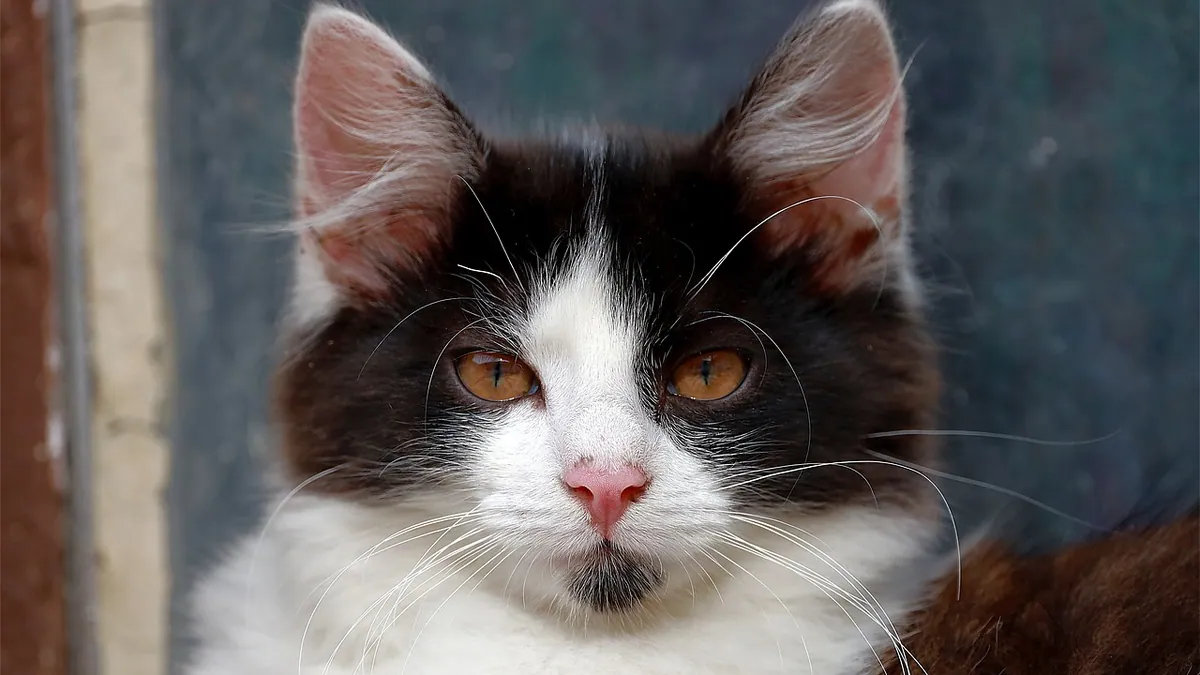
Do cats get colds? Yes, but not the same colds people get. The runny nose, sneezing, and watery eyes you see in a cat come from feline-specific viruses and bacteria, and they cannot catch your human cold or pass theirs to you. Most cases are mild and clear up with supportive care, but kittens and cats with other health problems can get very sick.
This article is educational and is not a substitute for veterinary diagnosis or treatment.
Quick Answer
- Feline "colds" are upper respiratory infections (URIs), usually caused by feline herpesvirus, feline calicivirus, or bacteria such as Mycoplasma species [1][2].
- Symptoms include sneezing, clear or colored nasal discharge, watery eyes, squinting, mild fever, and a reduced appetite.
- Most adult cats recover in one to two weeks with rest, fluids, and good nutrition, but some need veterinary treatment.
- Kittens are at higher risk for dehydration and serious complications because they are small and have immature immune systems [3].
- Call your veterinarian the same day if a kitten stops eating, breathes with an open mouth, or seems weak.
What a Cat Cold Looks Like and What Is Normal
A cat with an upper respiratory infection often starts with sneezing. You may notice clear discharge from the nose that later becomes thicker or colored. The eyes may water, and the cat may squint or hold one eye partly closed. Some cats run a mild fever and feel tired. Others keep eating and acting mostly normal.
Normal sneezing in cats is occasional and usually linked to dust, a foreign object, or a mild irritant. A single sneeze now and then is not a cold. What points to infection is a pattern: repeated sneezing, discharge, eye changes, and a change in appetite or energy that lasts more than a day or two.
Cats do not get colds from being cold. Chilly weather does not cause a viral infection. However, stress, crowding, and poor ventilation in shelters or multi-cat homes make it easier for viruses to spread. If your cat is sneezing often, our guide on Cat Sneezing: Common Causes and When to Worry can help you sort out what you are seeing.
Do kittens get colds?
Yes, and they get them more often and more severely than adult cats. A kitten's immune system is still developing, and their small body size means they lose fluids quickly when they have a runny nose and do not eat. Severe rhinosinusitis in kittens may require intravenous fluids to prevent dehydration and nutritional support through a feeding tube to maintain weight [3]. That is why a kitten with cold symptoms needs to be seen by a veterinarian sooner than a healthy adult cat.
Do kittens get cold easily?
Kittens do not get viral colds just from cold air, but they are less able to regulate body temperature and have less body fat. A chilled kitten uses energy to stay warm, which leaves less energy for fighting infection. Keep kittens warm, dry, and away from drafts, especially if they are already sneezing.
What Causes Cat Colds?
The main causes are viruses and bacteria that infect the nose, throat, and sometimes the eyes. Feline herpesvirus (FHV) and feline calicivirus (FCV) are the primary causative agents of respiratory disease in cats [1]. A recent study found FHV in 39.1% of cats with rhinitis compared to 8.1% of healthy cats [2]. Mycoplasma species, including Mycoplasma felis, were also more common in cats with rhinitis than in healthy cats (28.3% versus 5.4%) [2].
Feline herpesvirus is a lifelong infection in many cats. About 80% of infected cats establish latent infections, meaning the virus can reactivate during stress or illness [4]. That is why some cats seem to get "colds" again and again.
| Cause | Typical clues | How urgent |
|---|---|---|
| Feline herpesvirus (FHV) | Sneezing, eye discharge, squinting, corneal ulcers, recurrences after stress | See a vet if eyes are affected or symptoms last more than a few days |
| Feline calicivirus (FCV) | Sneezing, mouth ulcers, drooling, lameness, sometimes severe pneumonia | Same-day vet visit if the cat will not eat or has trouble breathing |
| Mycoplasma species | Chronic nasal discharge, sneezing, often alongside FHV [2] | Routine visit, but sooner if discharge is thick or bloody |
| Bordetella bronchiseptica | Cough, sneezing, nasal discharge, often in group settings | Routine visit, same day if breathing is labored |
| Chlamydia species | Watery eyes, conjunctivitis, mild sneezing | Routine visit, same day if the eye is swollen shut |
| Fungal rhinosinusitis | Long-lasting nasal discharge, sometimes nosebleeds | Routine visit for testing, treatment can be prolonged [3] |
| Allergic rhinitis | Clear discharge, sneezing, itching, no fever | Routine visit to rule out infection |
Allergic disease in cats is different from a cold, but it can look similar. Cat allergens are widely distributed in the environment, and allergic rhinitis in people can cause sneezing and nasal symptoms [5]. In cats, allergies more often show up as itchy skin or asthma, but nasal signs can happen. Your veterinarian can help tell the difference.
Red Flags That Mean an Emergency
Most cat colds are not emergencies. Some signs mean you should stop reading and call a veterinarian right away.
- Open-mouth breathing, wheezing, or obvious effort to breathe
- A kitten that is limp, cold to the touch, or not responding to you
- Refusing all food and water for more than 12 to 24 hours
- Vomiting, severe diarrhea, or a swollen, painful belly
- A eye that is bulging, bleeding, or suddenly blind
- Collapse, seizures, or a body temperature that feels very hot or very cold
Breathing problems in a cat are always urgent. Cats hide illness well, so by the time they breathe with an open mouth, they are often in serious trouble. Call your veterinarian or an emergency clinic on the way.
Safe Home Care While You Wait
Home care supports a cat that is still eating, drinking, and breathing normally. It does not replace a veterinary visit when one is needed.
Keep the nose and eyes clean
Use a soft, damp cloth or a warm cotton ball to gently wipe discharge from the nose and eyes. Wipe away from the eye, not toward it. Use a fresh cloth for each eye to avoid spreading infection. If the discharge is thick and crusty, a warm compress for a minute or two can soften it.
Encourage eating and drinking
A stuffed nose kills appetite. Warm wet food slightly to make it smell stronger. Offer small amounts often. You can also try plain, unseasoned chicken broth with no onion or garlic. Never force food or water into a cat's mouth, because that can cause choking or aspiration.
Use a humid room
Run a cool-mist humidifier or take your cat into a steamy bathroom for 10 to 15 minutes. This can loosen nasal mucus. Stay with your cat the whole time and keep the room safe.
Keep the cat warm and quiet
Provide a soft bed away from drafts. Reduce stress as much as you can. Stress can trigger herpesvirus reactivation in latently infected cats [4].
Do not give human cold medicine
Never give a cat acetaminophen, ibuprofen, naproxen, aspirin, or any human cold or sinus product. These can be deadly to cats. Do not use essential oils, eucalyptus, or menthol rubs around cats either. If you think your cat swallowed something toxic, call your veterinarian or a pet poison control hotline right away.
What about antibiotics?
Antibiotics do not treat viruses [3]. A veterinarian may prescribe antibiotics if a secondary bacterial rhinosinusitis is present or suspected [3]. Only your veterinarian can decide whether your cat needs them, and the dose is calculated from your cat's weight and health.
What Your Veterinarian Will Check and Test
Your veterinarian will start with a full history and physical exam. They will look at the nose, eyes, mouth, and throat. They will listen to the lungs and check for fever, dehydration, and weight loss. They may also check for mouth ulcers, which are common with calicivirus.
If symptoms are mild or acute, treatment to relieve signs may be effective [3]. For more stubborn or severe cases, testing can include x-rays, computed tomography (CT), rhinoscopy (endoscopy of the nose), nasal biopsy, and testing to rule out other causes of nasal discharge and sneezing [3]. These tests cannot always confirm the cause of disease [3].
Your veterinarian may also run PCR tests on nasal swabs for FHV, FCV, Mycoplasma species, Bordetella bronchiseptica, and Chlamydia species [2]. These tests help identify which organisms are involved, but a positive result does not always mean that organism is the main problem.
Severe cases in kittens or adult cats may need intravenous fluids to prevent dehydration and nutritional support through a feeding tube to maintain weight [3]. If a fungal cause is found, antifungal therapy can be used once the specific fungus is identified [3]. Surgery may be recommended for cats that do not respond to medical therapy, though results are often disappointing [3].
Chronic rhinosinusitis is a frustrating disease to manage, and cures are rare [3]. That is hard to hear, but it helps to know what to expect. Many cats with chronic disease can still live comfortable lives with ongoing management.
Prevention and Monitoring
Vaccination is the main way to reduce the severity of viral respiratory disease. Current control strategies rely on antiviral medications and vaccines to reduce disease severity and viral transmission [4]. No vaccine prevents every infection, but vaccinated cats tend to get less sick.
Keep your cat indoors and away from unknown cats. Feline herpesvirus spreads through direct or indirect contact with secretions from infected cats [4]. That means shared food bowls, bedding, and hands can move the virus between cats.
Wash your hands and change clothes after handling a sick cat before you touch other cats. Isolate a sick cat in a separate room with its own bowls and litter box. Clean bowls daily with hot, soapy water.
Monitor your cat's appetite, energy, and breathing every day. Write down what you see so you can give your veterinarian a clear picture. If your cat is coughing along with sneezing, see Cat Coughing: When Should You Worry?. If sneezing is the main sign, Cat Sneezing: When to Worry and How to Help walks through the details.
Limitations and When to Contact a Veterinarian
This article cannot tell you what is wrong with your specific cat. Only a veterinarian who examines your cat can do that. Individual cases need a veterinarian, and the timing matters.
Call your veterinarian the same day if your cat has a fever, is eating less than half of normal, has thick yellow or green nasal discharge, has an eye that is squinting or cloudy, or has had symptoms for more than five to seven days without improving.
Go to an emergency clinic now if your cat is breathing with an open mouth, gasping, collapsing, having seizures, or is a kitten that is weak and not eating.
Schedule a routine visit if symptoms are mild, your cat is eating and drinking normally, and you want to confirm the cause or discuss vaccination and prevention.
Frequently Asked Questions
Can I catch a cold from my cat?
No. Feline upper respiratory infections are caused by feline-specific viruses and bacteria, and they do not infect people. You cannot catch your cat's cold, and your cat cannot catch yours.
How long does a cat cold last?
Most mild cases improve within one to two weeks with supportive care. Chronic rhinosinusitis can last for months or longer, and cures are rare [3]. If symptoms are not improving after a week, call your veterinarian.
Should I let my cat outside while it has a cold?
No. Keep your cat indoors and away from other cats while it is sick. Viral particles spread through nasal and eye secretions, and outdoor contact increases the risk of spreading infection or catching a second one.
Can a cat cold turn into pneumonia?
Yes, in some cases. Calicivirus and other respiratory pathogens can spread to the lungs, and fatal respiratory disease does occur in cats [1]. Trouble breathing, open-mouth breathing, or a sudden drop in energy means an emergency visit.
Do I need to take my kitten to the vet for a cold?
Yes, kittens should be seen by a veterinarian for any cold symptoms. Kittens dehydrate quickly and may need fluids or nutritional support [3]. A kitten that stops eating or seems weak needs to be seen the same day.
Related Articles
- Cat Coughing: When Should You Worry?
- Cat Sneezing: Common Causes and When to Worry
- Cat Sneezing: When to Worry and How to Help
- Upper Respiratory Infection In Cats Symptoms
- Why Is My Cat Sneezing So Much And Coughing
- Cat Coughing: Causes and When to Seek Help
- Cat Flu and Viral Infections: Signs and When to Worry
- Cat Fever and Colds: What You Can Safely Give
- How to Tell If Your Cat Is Sick
- Cat Respiratory Infections: Etiology, Clinical Signs, Zoonotic Potential, and Management
- Feline Upper Respiratory Infections (Feline Herpesvirus, Calicivirus, and Bordetella): Etiology, Clinical Signs, Zoonotic Potential, and Therapeutics
References
- Feline herpesvirus and calicivirus: Occurrence and pathology in cats with respiratory disease. Topics in companion animal medicine, 2025.
- EXPRESS: Detection of Mycoplasma species and respiratory pathogens in cats with rhinitis and healthy cats. Journal of feline medicine and surgery, 2026.
- Rhinitis and Sinusitis in Cats - Cat Owners. Merck Veterinary Manual.
- Detection of neutralizing antibody to Feline herpesvirus type 1 in cat serum. Comparative immunology, microbiology and infectious diseases, 2025.
- Allergy to Cats: Current Perspectives and Therapeutic Options. Clinical and translational allergy, 2026.