Can Dogs Get Stomach Viruses? Signs and Care
By Dr. Zubair Khalid, DVM, MS, PhD ·
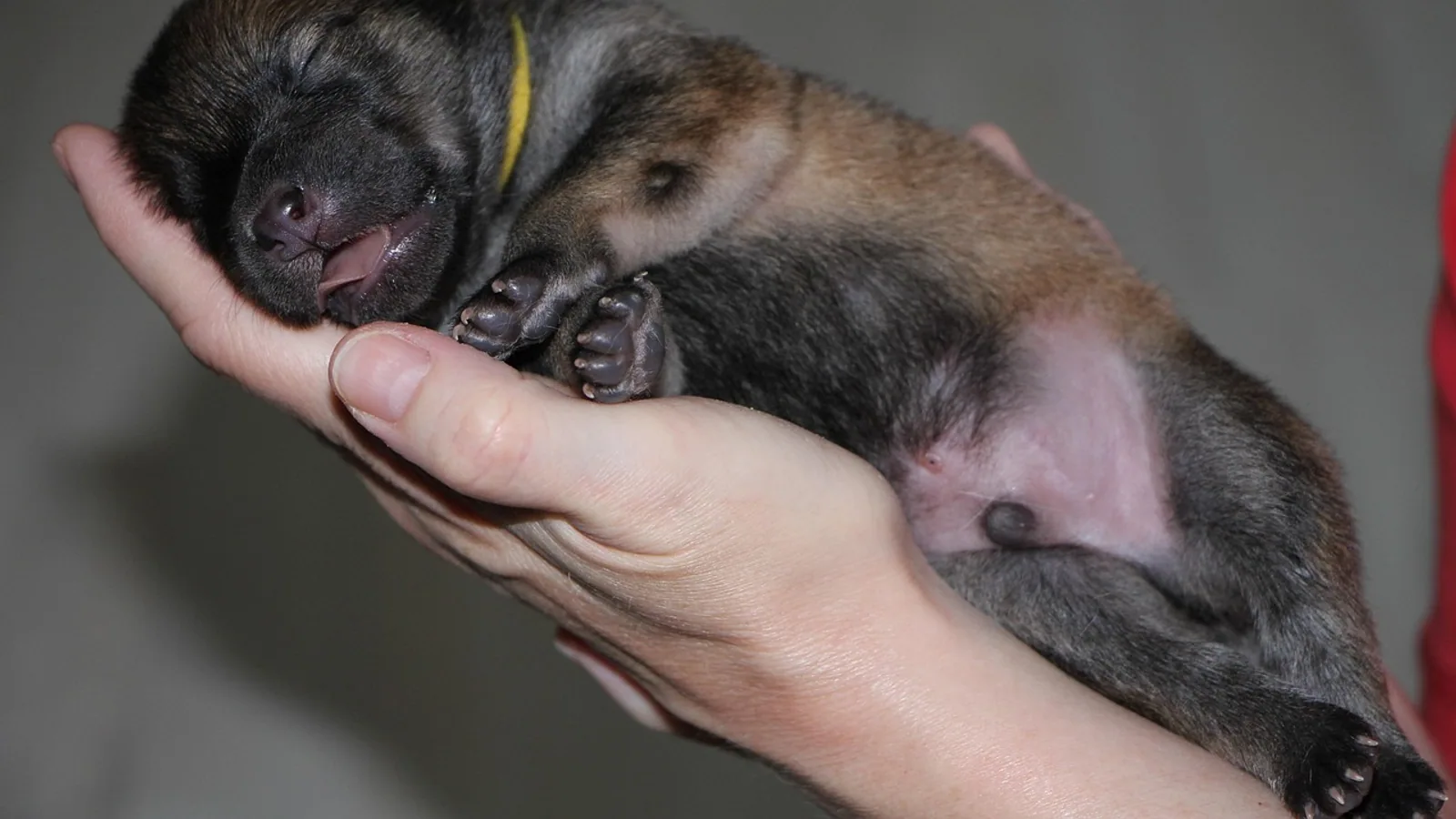
Yes, dogs can get viral stomach infections, but the human term "stomach flu" does not apply to them. What people call the stomach flu in dogs is usually one of several canine-specific viral or bacterial gastrointestinal diseases, and the most dangerous of these, canine parvovirus, can kill an unvaccinated puppy within 24 to 48 hours without treatment.
This article explains what actually causes acute vomiting and diarrhea in dogs, how viral illness differs from bacterial infection and simple dietary upset, and the exact signs that mean you should stop watching and call a veterinarian today.
This article is educational and is not a substitute for veterinary diagnosis or treatment.
Why "Stomach Flu" Is a Human Term
The "stomach flu" people get is most often norovirus or a related human virus. Those viruses infect people. Dogs have their own set of gastrointestinal pathogens, and the viruses that make dogs sick are not the same ones that make humans sick.
So can a dog get the stomach flu? Not in the human sense. A dog cannot catch human norovirus and come down with the same illness you had last winter. What a dog can get is canine viral gastroenteritis, a group of diseases caused by viruses that specifically target dogs. The clinical picture looks similar to a human stomach bug (sudden vomiting, diarrhea, lethargy, loss of appetite), which is why owners reach for the phrase. The cause, the risk, and the treatment are different.
The practical takeaway is this. If your dog has sudden vomiting and diarrhea, do not assume it will pass like a 24-hour human bug. In dogs, the same signs can signal parvovirus, a bacterial overgrowth, a foreign body, or a dietary indiscretion, and these have very different outcomes.
What Actually Causes Stomach Bugs in Dogs
Can dogs get stomach bugs? Yes, and they fall into three broad categories: viral, bacterial, and non-infectious (dietary or foreign-body related). Each has a different level of urgency.
Viral Causes
Canine parvovirus type 2 (CPV-2) is the most serious viral cause of gastroenteritis in dogs. It is highly contagious and produces severe systemic disease with gastroenteric signs, especially in young puppies [1]. Infection can cause fever, vomiting, diarrhea, septicemia, systemic inflammation, and immunosuppression, and the mortality rate of persistent infection is significantly high [2]. Vaccination dramatically reduces risk. In one study of dogs with gastroenteritis symptoms, positive cases dropped from 56.9 percent in unvaccinated dogs to 2.0 percent in fully vaccinated dogs, and younger dogs with incomplete or no vaccination history were at highest risk [1].
Canine coronavirus, canine distemper virus, and rotavirus also cause viral gastroenteritis in dogs. These pathogens frequently appear together. In a 2023 outbreak among working dogs, parvovirus was found in eight of ten samples examined, and genetic sequencing showed that circovirus and parvovirus together accounted for over 80 percent of all viral reads [3]. The same report notes that parvovirus enteritis is often complicated by co-infection with distemper virus, coronavirus, or rotavirus, and that these mixed infections are a leading cause of mortality [3].
Bacterial Causes
Bacterial gastrointestinal disease in dogs is real, but it is overdiagnosed by owners and sometimes overtreated by clinicians. The best-studied bacterial cause is Clostridium perfringens, specifically strains that carry pore-forming toxin genes called netE and netF.
In a study of 174 dogs, the netE and netF toxin genes were found in 48.1 percent of dogs with acute hemorrhagic diarrhea syndrome (AHDS), in 0 percent of dogs with parvovirus, and in 12.1 percent of healthy dogs [4]. This pattern suggests that these toxin-producing clostridia are associated with AHDS rather than with parvovirus, and that they can be present in healthy dogs too.
Histologic examination of intestinal biopsies from dogs with AHDS shows acute necrotizing and neutrophilic enterocolitis, with clostridia-like gram-positive bacteria visible on the necrotic mucosal surface in nine of ten affected dogs [5]. The same study identified Clostridium perfringens type A carrying the netF toxin gene in the duodenum of affected dogs, which supports the idea that a pore-forming toxin drives the necrotizing lesions [5].
Other bacteria such as Salmonella, Campylobacter, and Providencia species have been implicated in acute diarrhea. During a 2019 outbreak of severe AHDS in Norway, the fecal microbiota of affected dogs showed decreased diversity, a loss of Firmicutes, and an outgrowth of Proteobacteria, including increased Clostridium perfringens and Providencia species [6]. One Providencia isolate matched a strain cultivated from the same outbreak, though the study did not prove causation.
A key clinical point: enteropathogenic bacteria usually do not play a role in the etiology of uncomplicated acute diarrhea in dogs, and antibiotics should not be given in uncomplicated cases without signs of sepsis or systemic inflammatory response [7].
Dietary and Foreign-Body Causes
Not every episode of vomiting and diarrhea is infectious. Dietary indiscretion (eating garbage, table scraps, or something spoiled) is a common trigger. Foreign bodies can also cause acute hemorrhagic diarrhea. In one case report, a Golden Retriever developed acute vomiting and hemorrhagic diarrhea after swallowing two used feminine hygiene products. The contaminated products were suspected to induce AHDS and led to a subsequent complication [8]. This case illustrates that a mechanical or toxic cause can mimic an infectious one.
Viral vs Bacterial vs Dietary: How to Tell Them Apart
No owner can diagnose the cause at home. But the pattern of signs gives your veterinarian useful clues. The table below summarizes the typical differences.
| Feature | Viral (e.g., parvovirus) | Bacterial (e.g., Clostridium perfringens) | Dietary or foreign body |
|---|---|---|---|
| Onset | Sudden, often severe | Sudden, often severe | Variable, often within hours of ingestion |
| Stool character | Often bloody, foul, watery | Often bloody (AHDS pattern), watery | Variable, may be bloody if foreign body |
| Fever | Common in parvovirus | Variable, often absent | Usually absent |
| Vomiting | Common, often repeated | Common | Common if foreign body or toxin |
| Lethargy | Marked, especially in puppies | Variable | Variable |
| Contagious to other dogs | Yes, highly for parvovirus | Not in the classic contagious sense, but environmental sources exist | No |
| Age risk | Highest in puppies under 6 months | Any age | Any age |
This table is a guide, not a diagnosis. A dog with parvovirus can look identical to a dog with AHDS on day one, and both can deteriorate quickly. The studies comparing AHDS and parvovirosis note that dogs with AHDS present with similar clinical signs and histopathological findings as dogs with parvovirosis [9]. That overlap is exactly why veterinary assessment matters.
The Biology in Plain Language
When a dog ingests a virus like parvovirus, the virus targets rapidly dividing cells in the intestinal lining and in the bone marrow. The intestinal damage causes vomiting, diarrhea, and protein loss. The bone marrow damage causes neutropenia, which cripples the immune response and allows bacteria to translocate from the gut into the bloodstream. That is why parvovirus can cause septicemia and why antibiotics are unavoidable in parvovirosis due to the immunological incompetence caused by severe neutropenia [7].
In AHDS, the mechanism is different. Toxin-producing Clostridium perfringens releases pore-forming toxins that create holes in intestinal cells, leading to necrosis and hemorrhage. Studies show that dogs with AHDS have increased intestinal permeability, measured by higher serum iohexol concentrations than healthy controls, and that permeability correlates with clinical severity [10]. The same dogs show significant gastrointestinal protein loss and intestinal inflammation, with markers like calprotectin and S100A12 elevated at presentation and decreasing by day three of treatment [11].
The gut microbiome is disrupted in both scenarios. Dogs with AHDS have lower microbial diversity than healthy dogs, with an outgrowth of Proteobacteria and a loss of beneficial Firmicutes [6]. This dysbiosis can outlast the acute inflammation and protein loss [11]. That is why some veterinarians now use microbiome-targeted therapies such as probiotics or fecal microbiota transplantation (FMT) instead of antibiotics in uncomplicated cases.
What the Evidence Says About Treatment
The cornerstone of treatment for any acute gastrointestinal disease in dogs is fluid therapy. AHDS is defined by sudden onset of severe bloody diarrhea, often with vomiting, resulting in severe and sometimes life-threatening dehydration [12]. With early and appropriate treatment, mainly fluid therapy, the prognosis is good and complications such as sepsis or severe hypoalbuminemia are rare [12].
Antibiotics are not routine. In a retrospective study of 237 dogs hospitalized with suspected AHDS, 62 percent received no antimicrobials, 31 percent received one antimicrobial (predominantly aminopenicillins), and 7 percent received two [13]. Survival to discharge was 96 percent overall, and it was lower for dogs receiving two antimicrobials (77 percent), likely because those dogs were sicker [13]. Another study found that neutropenia in dogs with AHDS was associated with higher mortality: 29 percent of neutropenic dogs were nonsurvivors versus 4 percent of dogs with normal neutrophil counts [14].
Probiotics and FMT are being studied as alternatives to antibiotics. In a randomized trial, dogs with AHDS treated with a multi-strain probiotic showed significant clinical recovery by day three, while the placebo group recovered by day four [15]. A separate trial comparing FMT to symptomatic therapy and antibiotics found no significant differences in clinical scores between groups over time, except on day two when the antibiotic group had a higher AHDS index than the FMT group [9]. A different study found no difference in duration or severity of clinical signs between FMT and probiotic treatment [16].
The takeaway for owners is that antibiotics are not automatically required for acute diarrhea. They are indicated when there are signs of sepsis, neutropenia, or bacterial translocation, and they are unavoidable in parvovirosis because of the severe neutropenia [7].
Can Dogs Get Stomach Bugs From Each Other?
Can dogs get stomach bugs from other dogs? Yes, for the contagious viral causes. Parvovirus is highly contagious and spreads through fecal-oral contact, contaminated environments, and fomites. It is the reason unvaccinated puppies are at such high risk and why outbreaks can sweep through kennels, shelters, and dog parks.
Bacterial causes like Clostridium perfringens are not classically contagious in the same way, but they can share environmental sources. The Norway outbreak study found Providencia species in affected dogs that were not present in healthy dogs sampled before the outbreak, suggesting a common source or environmental factor [6]. The same study found that increased wind speeds, lower temperatures, and dry weather were linked to increased AHDS presentations, though this is an exploratory finding and not a proven cause [17].
Dietary causes are not contagious. If your dog ate something spoiled, other dogs in the house will not catch it unless they eat the same thing.
When to Call the Vet: Red Flags
Do not wait to see if it passes. Call your veterinarian immediately if you see any of the following.
- Blood in the stool. This is a hallmark of parvovirus and AHDS, and both can progress rapidly [12][2].
- Repeated vomiting. More than two or three episodes in a few hours, or vomiting that prevents drinking, warrants a call.
- No drinking for 12 to 24 hours. Dehydration is the main killer in acute diarrhea. Dogs with AHDS can become severely dehydrated within hours [12].
- Lethargy or weakness. A puppy that is quiet, unwilling to stand, or unresponsive is an emergency.
- Puppy under 6 months old. Parvovirus is most severe in young puppies, and younger dogs with incomplete vaccination are at highest risk [1].
- Known or suspected exposure to parvovirus. If your dog has been in a shelter, kennel, or dog park and develops signs, treat it as urgent.
- Fever. Fever suggests systemic involvement and possible septicemia [2].
- Black or tarry stool. This can indicate upper gastrointestinal bleeding.
The decision path below summarizes the main steps an owner should take.
flowchart TD
    A[Sudden vomiting or diarrhea] --> B{Blood in stool}
    B -->|Yes| C[Call vet now]
    B -->|No| D{Repeated vomiting}
    D -->|Yes| C
    D -->|No| E{Drinking normally}
    E -->|No for 12 to 24 hours| C
    E -->|Yes| F{Lethargic or weak}
    F -->|Yes| C
    F -->|No| G{Puppy under 6 months}
    G -->|Yes| C
    G -->|No| H[Monitor closely and call vet if worse]
What to Do While You Wait for the Vet
If your dog is stable enough to wait for an appointment, keep the following in mind.
Do not force food or water if your dog is vomiting repeatedly. Small, frequent sips of water may be offered if your dog is not vomiting, but do not push it.
Do not give human medications. Over-the-counter human anti-diarrheal or anti-nausea drugs are not formulated for dogs and can cause harm. Your veterinarian will prescribe appropriate anti-emetics if needed.
Collect a stool sample if possible. A fresh sample can help your veterinarian test for parvovirus, clostridial toxins, or other pathogens.
Isolate your dog from other dogs. If parvovirus is a possibility, keep your dog away from other dogs and clean up any vomit or diarrhea with a disinfectant effective against parvovirus. Parvovirus is resistant in the environment.
Limitations and When to Contact a Veterinarian
This article cannot diagnose your dog. The signs of viral, bacterial, and dietary gastrointestinal disease overlap heavily, and only a veterinarian can run the tests needed to distinguish them. Individual cases need a veterinarian.
Contact a veterinarian immediately if your dog has blood in the stool, repeated vomiting, no water intake for 12 to 24 hours, lethargy, fever, or is a puppy under 6 months old. Do not wait for an appointment if your dog is collapsing, unresponsive, or has a distended abdomen.
If your dog is stable but has had more than one episode of diarrhea or vomiting in 24 hours, call your veterinarian for advice. Early fluid therapy is the single most important intervention for acute gastrointestinal disease in dogs [12].
Frequently Asked Questions
Can a dog get the stomach flu?
No. The human stomach flu is caused by human viruses like norovirus, and dogs do not catch those. Dogs get their own gastrointestinal viruses, most notably canine parvovirus, which is more serious than a human stomach bug.
Can dogs get stomach bugs from humans?
No. The viruses and bacteria that cause human gastroenteritis are not the same ones that cause canine gastroenteritis. A dog cannot catch your stomach bug.
What is the most common viral stomach illness in dogs?
Canine parvovirus type 2 is the most serious and most studied viral cause of gastroenteritis in dogs. It is highly contagious and can be fatal in unvaccinated puppies.
How long does a stomach virus last in dogs?
It depends on the cause. With early fluid therapy, many dogs with acute hemorrhagic diarrhea syndrome improve within a few days. Parvovirus requires longer hospitalization and supportive care. Your veterinarian will give you a specific timeline based on your dog's condition.
Can my dog die from a stomach virus?
Yes. Parvovirus can be fatal within 24 to 48 hours without treatment, especially in puppies. Acute hemorrhagic diarrhea syndrome can also be life-threatening if dehydration and sepsis develop.
Should I give my dog antibiotics for diarrhea?
No. Do not give antibiotics without veterinary guidance. Antibiotics are not indicated for uncomplicated acute diarrhea and can harm the gut microbiome. They are reserved for cases with signs of sepsis or neutropenia [7].
Is my dog contagious to other dogs?
If your dog has parvovirus, yes, and it is highly contagious. Keep your dog isolated from other dogs and clean up all waste carefully. Bacterial and dietary causes are generally not contagious in the same way.
When should I take my dog to the emergency vet?
Take your dog to the emergency vet if there is blood in the stool, repeated vomiting, no drinking for 12 to 24 hours, lethargy, fever, or if your dog is a puppy under 6 months old. These are red flags for severe disease.
Related Articles
- Electron Microscopy of Viruses: Techniques and Sample Preparation
- Duck Virus Enteritis (Duck Plague): Clinical Signs and Diagnosis
- Avian Influenza A Virus in Poultry: Clinical Signs and Surveillance
- Gastrointestinal Nematodes in Sheep: Epidemiology, Clinical Signs, and Management
- Multiplex Quantitative Real-Time PCR for Simultaneous Detection of Porcine Circovirus 2, Porcine Reproductive and Respiratory Syndrome Virus, and Swine Influenza A Virus in Field Samples
- Hedgehog Care: Wobbly hedgehog syndrome neurological signs guide
- Dog Gestation: Timeline, Signs, and Care
- Overactive Thyroid in Cats: Signs and Management
- FeLV Symptoms in Cats: Stages and Warning Signs
Sources
- Canine parvovirus type 2 (CPV-2) serological and molecular patterns in dogs with viral gastroenteritis from southern Brazil.
- Molecular detection and quantification of canine parvovirus 2 using a fast and sensitive SYBR(®) green-based quantitative polymerase chain reaction assay in dogs affected with gastroenteritis.
- Co-infection of canine parvovirus and circovirus in fatal gastroenteritis outbreak among service dogs in Kazakhstan, 2023.
- Prevalence of Clostridium perfringens netE and netF toxin genes in the feces of dogs with acute hemorrhagic diarrhea syndrome.
- Intestinal lesions in dogs with acute hemorrhagic diarrhea syndrome associated with netF-positive Clostridium perfringens type A.
- Changes in the fecal microbiota in dogs with acute hemorrhagic diarrhea during an outbreak in Norway.
- [[Use of antimicrobials in acute canine diarrhea - overview of potential risks, indications and alternatives].](https://pubmed.ncbi.nlm.nih.gov/33902119/)
- Acute hemorrhagic diarrhea syndrome associated with contaminated foreign bodies (used feminine hygiene products) in a Golden Retriever dog.
- Comparing treatment effects on dogs with acute hemorrhagic diarrhea syndrome: fecal microbiota transplantation, symptomatic therapy, or antibiotic treatment.
- Evaluation of Intestinal Barrier Dysfunction with Serum Iohexol Concentration in Dogs with Acute Hemorrhagic Diarrhea Syndrome.
- Fecal markers of inflammation, protein loss, and microbial changes in dogs with the acute hemorrhagic diarrhea syndrome (AHDS).
- Acute Hemorrhagic Diarrhea Syndrome in Dogs.
- A retrospective study of 237 dogs hospitalized with suspected acute hemorrhagic diarrhea syndrome: Disease severity, treatment, and outcome.
- Retrospective evaluation of the incidence and outcome of neutropenia in dogs with acute hemorrhagic diarrhea syndrome (2017-2022): 54 cases.
- Effect of probiotic treatment on the clinical course, intestinal microbiome, and toxigenic Clostridium perfringens in dogs with acute hemorrhagic diarrhea.
- Clinical response in dogs with acute hemorrhagic diarrhea syndrome following randomized probiotic treatment or fecal microbiota transplant.
- Presentations of idiopathic hemorrhagic diarrhea syndrome in dogs in relation to meteorological factors.