Are Cat Whiskers Sensitive? What Whiskers Do and How to Protect Them
By Dr. Zubair Khalid, DVM, MS, PhD ·
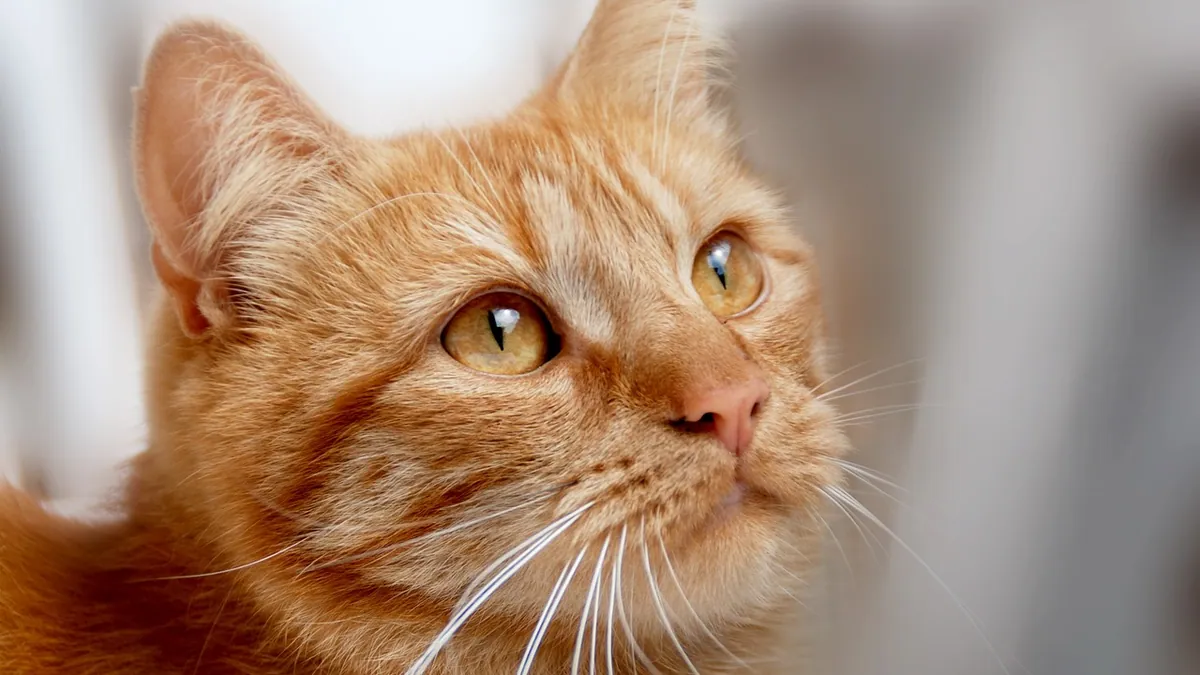
Are cat whiskers sensitive? Yes, very. Each whisker sits in a deep follicle packed with nerve endings, so it works like a fingertip that never stops reading the world around your cat. That sensitivity is why trimming, plucking, or damage to whiskers matters more than most owners realize.
This article is educational and is not a substitute for veterinary diagnosis or treatment.
Quick Answer
- Cat whiskers are touch sensors, not ordinary hair. The follicle around each one is loaded with mechanoreceptors that detect the slightest movement [1].
- Whiskers help with navigation, judging gaps, sensing nearby objects, and protecting the eyes. They are part of a real sensory organ [2].
- Trimming whiskers is not a harmless grooming step. It temporarily disables a sensory organ, which is a form of physical harm [2].
- Whiskers do not hurt when touched lightly, but yanking, pulling, or cutting them can be painful and disorienting.
- Sudden whisker loss, wavy whiskers, or whiskers that seem extra tender are reasons to call your veterinarian.
What Normal Whisker Sensitivity Looks Like
Whiskers (also called vibrissae) are long, stiff hairs that grow from the muzzle, above the eyes, on the chin, and on the backs of the front legs. Each one has its own specialized follicle that is far more deeply innervated than the follicles of your cat's regular coat [2].
That deep innervation is the whole point. When a whisker bends, the follicle detects the movement and sends a signal to the brain. Rodents, which are studied most often, have hundreds of mechanoreceptors in each whisker follicle, and some of those receptors fire only on touch, staying silent during the animal's own whisking motion [1]. This lets the animal tell the difference between "I moved my whisker" and "something touched my whisker."
Normal, healthy whiskers:
- Are long, straight or gently curved, and stiff enough to spring back into place.
- Move constantly as your cat explores, which is called whisking.
- Sweep forward when your cat is curious or focused and pull back when your cat is wary.
- Fall out and regrow on their own. Losing one or two occasionally is normal shedding.
What is not normal is a whisker that snaps off at the base, a cluster of whiskers that suddenly disappears, whiskers that look bent, kinked, or wavy, or a cat that flinches when you touch the muzzle.
Why Are Cat Whiskers Sensitive?
The short answer is anatomy. A whisker is a lever, and the follicle is the sensor. Even a tiny deflection at the tip of the whisker creates movement at the base, where the nerve endings sit. That is why cats can detect an object before their nose or paws reach it.
Whiskers also help with fine motor tasks. In nectar-eating bats, researchers found that removing vibrissae changed the animals' flight paths into flowers, showing that these hairs feed real-time information into movement control [3]. Cats use theirs in a similar spirit, to judge whether a gap is wide enough to slip through, to feel prey move, and to sense air currents.
Some of the sensitivity is protective. The whiskers above the eyes trigger a blink reflex when something brushes them, which helps shield the eye [2]. This is one reason trimming those particular whiskers is a bad idea.
Causes of Whisker Loss or Whisker Sensitivity
Whisker problems usually fall into a few buckets: trauma, skin disease, infection, or something systemic. The table below gives the common patterns, but your veterinarian is the one who can sort out which applies to your cat.
| Cause | Typical clues | How urgent |
|---|---|---|
| Normal shedding and regrowth | One or two whiskers missing, no skin changes, new growth visible within weeks | Routine, mention at next visit |
| Trauma or rough play | Broken or bent whiskers, missing whiskers on one side, sometimes a scab at the base | Routine unless there is bleeding or swelling |
| Ringworm or other fungal skin infection | Patchy hair loss on the face, scaly or crusty skin, sometimes itching | See a vet soon, it can spread to people |
| Fleas and other external parasites | Scratching at the face and ears, visible fleas or flea dirt, hair thinning | See a vet soon, treat the whole pet |
| Feline leukemia virus (FeLV) | Wavy, kinked whiskers, often with weight loss, poor coat, or recurring illness | See a vet promptly for testing |
| Folliculitis or bacterial skin infection | Red, bumpy, or crusty muzzle, tenderness when touched | See a vet soon |
| Nutritional deficiency | Poor coat overall, dull fur, weight loss, sometimes whisker thinning | See a vet soon |
| Autoimmune or allergic skin disease | Symmetrical hair loss, redness, chronic itching | Routine to soon, depending on severity |
One finding worth knowing: in a study of 358 cats, wavy whiskers were strongly linked to feline leukemia virus infection. Of 56 cats with wavy whiskers, 50 (89.3%) tested positive for FeLV on blood testing [4]. That does not mean every wavy whisker means FeLV, but it does mean wavy whiskers deserve a conversation with your vet.
If your cat is losing whiskers along with coat changes, our guide on why cats lose whiskers and what ringworm and nutrition have to do with it walks through the common culprits.
Do Cat Whiskers Hurt?
Light touch does not hurt. In fact, most cats enjoy gentle stroking along the cheeks and the sides of the muzzle. The whiskers themselves have no pain fibers, but the follicle and surrounding skin do.
Pain or discomfort shows up when:
- You pull or yank a whisker. That tugs on a richly innervated follicle.
- You cut or trim whiskers. The cut itself is not painful, but the sudden loss of sensory input is distressing and disorienting [2].
- The skin around the whiskers is inflamed, infected, or injured. Then even light contact can sting.
Watch for these signs that your cat's whisker area is tender:
- Pulling the head back when you reach toward the face.
- Squinting, pawing at the muzzle, or rubbing the face on furniture.
- Flinching or vocalizing during grooming near the face.
- Eating more slowly or dropping food, which can happen when facial sensation is off.
If your cat is also sneezing, the two problems may share a cause. Our article on cat sneezing and when to worry covers what to watch for.
Red Flags That Mean Emergency or Same-Day Care
Most whisker issues are not emergencies. These are:
- Bleeding that will not stop from the muzzle or whisker area.
- Sudden swelling of the face, lips, or muzzle, especially with trouble breathing. This can be an allergic reaction.
- A wound, bite, or burn on the face.
- A cat that cannot eat, drink, or swallow normally.
- A cat that is disoriented, circling, or unsteady, which can point to a neurologic problem.
- Sudden, complete loss of whiskers on both sides with no obvious cause.
- Fever, lethargy, or not eating for more than 24 hours.
For any of these, call your veterinarian or an emergency clinic right away. If you suspect your cat ate or licked something toxic, contact poison control immediately. The ASPCA Animal Poison Control Center is (888) 426-4435 and the Pet Poison Helpline is (855) 764-7661. Both may charge a consultation fee.
What You Can Do at Home While You Wait
You cannot regrow a whisker faster, but you can keep your cat comfortable and avoid making things worse.
- Do not trim, pluck, or cut whiskers. Ever. Trimming is a temporary amputation of a sensory organ, not a cosmetic trim [2].
- Do not use human hair products, dyes, or styling gels near the face.
- Keep the muzzle clean with a soft, damp cloth if there is discharge or crusting. Use plain water.
- Check for fleas and flea dirt with a fine-tooth comb. If you find them, treat every pet in the home with a cat-safe product. Our guide on safe flea treatments for cats and what to avoid explains which products are safe, and flea prevention for dogs and cats covers prevention.
- If your cat is scratching at the ears or face, check the ears for redness, discharge, or odor. Ear problems can cause face rubbing that damages whiskers. See our article on cat ear infections with itching and safe ways to help.
- Keep food and water in shallow, wide bowls so the whiskers do not press against the sides. Some cats are sensitive to "whisker fatigue," though this is not well established in veterinary research.
- Reduce stress. A cat that has lost whiskers may bump into things or misjudge jumps. Keep furniture in familiar spots and block off high, risky surfaces.
Do not give any medication, including over-the-counter creams or antihistamines, without asking your veterinarian first. Doses for cats are calculated by your veterinarian based on your cat's weight and health, and some human products are toxic to cats.
What Your Veterinarian Will Check
Your vet will start with a full physical exam, paying close attention to the face, whisker follicles, skin, ears, eyes, and mouth. They will ask about when the change started, whether it was sudden or gradual, and whether other cats in the home are affected.
Depending on what they find, they may recommend:
- Skin scraping or cytology to look for mites, bacteria, or yeast.
- Fungal culture if ringworm is suspected.
- Wood's lamp exam, a special light that can make some ringworm infections glow.
- Blood work, including a complete blood count and chemistry panel.
- FeLV and FIV testing, especially if whiskers look wavy [4].
- Allergy testing or a food trial if the skin changes look allergic.
- A referral to a dermatologist for stubborn or unusual cases.
Treatment depends on the cause. Parasites get parasite treatment. Fungal infections get antifungal medication. FeLV-positive cats need a broader care plan, including monitoring for secondary infections and regular checkups.
Prevention and Monitoring
You cannot prevent every whisker problem, but you can lower the odds.
- Never trim whiskers. Tell your groomer the same thing in writing if you use one.
- Use cat-safe flea prevention year-round. Flea infestations are a common cause of face and ear scratching.
- Feed a complete, balanced cat food. Nutritional deficiencies that affect the coat can affect whiskers too.
- Keep up with wellness visits. Early blood work can catch FeLV and other systemic problems before they cause visible whisker changes.
- Watch for changes. Take a photo of your cat's face every few months so you have a baseline.
- Keep your cat indoors. This reduces trauma, fights, and exposure to infectious diseases.
- Check the face during regular grooming. Look for crusting, redness, asymmetry, or missing patches.
If your cat has lost whiskers and you are not sure why, do not wait months to see if they grow back. A short vet visit can rule out the serious causes and give you a clear plan.
Limitations and When to Contact a Veterinarian
Whisker sensitivity is normal and expected. Whisker loss, wavy whiskers, or a cat that flinches when the face is touched is not. This article cannot tell you which cause applies to your cat. Only a veterinarian who examines your cat can do that.
Contact your veterinarian the same day if you see facial swelling, bleeding, a wound, or a cat that will not eat. Go to an emergency clinic now if your cat has trouble breathing, is collapsing, or has sudden severe swelling of the face or throat. Schedule a routine visit if you notice gradual whisker thinning, wavy whiskers, or mild skin changes on the muzzle.
Individual cases need a veterinarian. When in doubt, call.
Frequently Asked Questions
Do cat whiskers hurt when you touch them?
No, gentle touch does not hurt. The whisker itself has no pain fibers, and most cats enjoy soft cheek rubs. Pain only happens when the follicle or surrounding skin is inflamed, injured, or pulled.
Can I trim my cat's whiskers?
No. Trimming removes sensory input your cat relies on for navigation and eye protection, and it temporarily disables a sensory organ [2]. It is not a cosmetic grooming step. Let them grow back naturally.
Will my cat's whiskers grow back after they fall out?
Yes, in most cases. Whiskers shed and regrow like other hairs, though it can take several weeks to months for a full-length whisker to return. If whiskers keep falling out or do not regrow, see your veterinarian.
Why are my cat's whiskers wavy?
Wavy whiskers can be a sign of feline leukemia virus infection. In one study, 89.3% of cats with wavy whiskers tested positive for FeLV [4]. Ask your veterinarian about FeLV testing if you notice this change.
Are cat whiskers more sensitive than regular fur?
Yes, far more. Each whisker has its own deeply innervated follicle with hundreds of mechanoreceptors, while regular coat hairs have minimal nerve supply [1][2]. That is why whiskers act as touch sensors and body fur does not.
Related Articles
- Why Is My Cat losing whiskers? Ringworm and Nutritional Deficiency
- Cat Sneezing: When to Worry and How to Help
- Fleas on Cats: Safe Flea Treatments and What to Avoid
- Flea Prevention for Dogs and Cats: What Owners Should Know
- Cat Ear Infection with Itching: Safe Ways to Help Your Cat
- Cat Skin Allergy or Flea Allergy? How to Tell the Difference
- How Do Cats Use Their Whiskers? Function and Care
- Why Is My Cat Losing Whiskers? Causes and What to Do
- Do Cat Whiskers Grow Back? Regrowth and When to Worry
References
- Club-like receptors respond to light touch but not to whisking. Nature communications, 2025.
- The importance of the tactile hairs in domestic dogs and the problem of trimming these from an animal welfare perspective. Tierarztliche Praxis. Ausgabe K, Kleintiere/Heimtiere, 2020.
- By a whisker: the sensory role of vibrissae in hovering flight in nectarivorous bats. Proceedings. Biological sciences, 2023.
- Wavy changes in the whiskers of domestic cats are correlated with feline leukemia virus infection. BMC veterinary research, 2023.