Cat Bump on the Whiskers: Causes and What to Do
By Dr. Zubair Khalid, DVM, MS, PhD ·
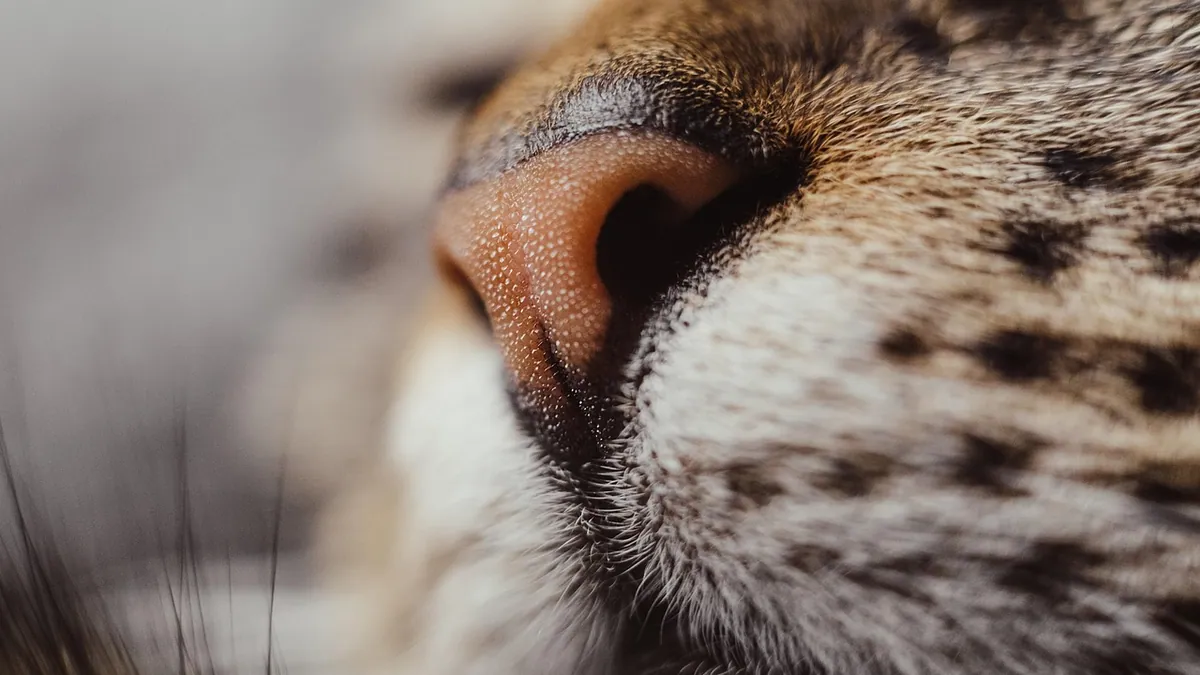
A cat bump on whisker pads is usually a minor skin problem like folliculitis or feline acne, but it can also be an infection, a cyst, or a tumor. The whisker pad is thin-skinned and packed with nerve endings, so even small lumps there can be painful and easy to irritate. This article is educational and is not a substitute for veterinary diagnosis or treatment.
Quick Answer
- Most small bumps on or under the whiskers are inflamed hair follicles (folliculitis) or feline acne, which vets treat routinely.
- A lump that is painful, growing, ulcerated, bleeding, or causing your cat to paw at its face needs a veterinary visit, often the same day.
- Never squeeze, pop, or apply human acne products to a whisker pad lump. Human skin products can be toxic or irritating to cats.
- Take a photo with a ruler or coin next to the lump and note the date, so you can tell your vet whether it is changing.
- If your cat also has trouble eating, drooling, facial swelling, or a lump that appeared suddenly, treat it as urgent.
What a Bump on the Whiskers Looks Like and What Is Normal
Whiskers (vibrissae) are long, stiff hairs that grow from follicles set deep in the whisker pad, the raised area on each side of the muzzle. These follicles are packed with mechanoreceptors, the sensory cells that detect touch. Research in whisking animals has identified a specialized receptor type, club-like endings, that responds only to touch and stays silent during whisking, which helps the animal tell self-motion apart from contact with an object [1]. In plain terms, the whisker pad is a precision sensory organ, not just skin with hair.
Normal whisker pads are smooth, slightly raised, and symmetrical on both sides. The skin may be dark, pink, or mottled depending on your cat's coat. Whiskers themselves should be straight and intact.
What is not normal:
- A distinct raised lump you can feel or see
- Redness, crusting, or black specks around the whisker roots
- Swelling that makes one side of the muzzle look bigger
- A bump that bleeds, oozes, or has a scab that keeps returning
- Your cat flinching, pulling away, or pawing at its face when you touch near the muzzle
Because whisker follicles are so richly innervated, lumps in this area can be more uncomfortable than a similar lump on the back or flank. A cat with a painful muzzle lump may eat more slowly, drop food, or avoid grooming that side of the face.
Main Causes of a Cat Lump Near Whiskers
Folliculitis and Feline Acne
Folliculitis means inflamed hair follicles. On the chin and muzzle, it often shows up as small bumps, blackheads, or crusts, and it overlaps with what vets call feline acne. Plastic food bowls, food residue, and moisture can contribute. These bumps are usually small, multiple, and clustered around the whisker roots or chin.
Abscess or Infected Bite Wound
Cats often get small puncture wounds from scratches or bites that seal over and form an abscess. A whisker pad abscess looks like a soft or firm swelling that may be warm and painful. It can rupture and drain pus. This is common in cats that go outdoors or live with other cats.
Cysts and Benign Growths
Follicular cysts, sebaceous cysts, and other benign lumps can form on the muzzle. They are often slow-growing, smooth, and non-painful. Your vet usually cannot tell a cyst from a tumor by look and feel alone, so testing is often needed.
Tumors
Muzzle tumors in cats include benign and malignant types. Some tumors cause pain and self-trauma. A glomus tumor, a rare tumor of the body wall, was reported in a cat that chewed at the mass until it ulcerated and bled, and surgery was curative in that case [2]. This shows that even uncommon tumors can cause obvious pain and self-injury, and that early removal can resolve the problem. Tumors on the head can also be linked to other skin changes. One report described a cat with a cutaneous mass on the head followed by widespread hair loss with shiny skin, and necropsy found an apocrine adenocarcinoma, a finding consistent with paraneoplastic alopecia [3]. If your cat has a head lump plus widespread coat changes, tell your vet about both.
Dental or Sinus Disease
A lump under the whiskers can sometimes be swelling from a tooth root abscess, bone infection, or sinus disease instead of a skin problem. This is more likely if the swelling is under the eye or along the upper jaw, or if your cat has bad breath, drooling, or chewing on one side.
Cause Table
| Cause | Typical clues | How urgent |
|---|---|---|
| Folliculitis or feline acne | Multiple small bumps, blackheads, crusts on chin or whisker pad | Routine visit |
| Abscess or bite wound | Soft or firm swelling, warmth, pain, pus, sudden onset | Same day |
| Cyst or benign growth | Slow-growing, smooth, not painful, no ulceration | Routine visit |
| Tumor (benign or malignant) | Firm lump, growing, painful, ulcerated, bleeding, self-trauma | Same day to urgent |
| Dental or sinus disease | Swelling along upper jaw, bad breath, drooling, one-sided chewing | Same day |
Red Flags That Make It an Emergency
Go to an emergency clinic now if you see any of these:
- Trouble breathing, noisy breathing, or open-mouth breathing
- Severe facial swelling that appeared within hours
- A lump that is bleeding heavily and will not stop
- Your cat cannot eat or drink, or is drooling constantly
- Collapse, weakness, or extreme lethargy
- A lump that ruptured with a large amount of pus and your cat seems very sick
Call your vet the same day if you see:
- A new lump that is painful when touched
- Rapid growth over a few days
- Ulceration, scabbing, or bleeding
- Your cat pawing at or rubbing its face
- One-sided muzzle swelling
- A lump plus hair loss or shiny skin elsewhere on the body [3]
Safe Things You Can Do at Home While Waiting
You cannot diagnose a whisker pad lump at home, and you should not try to treat it with human products. Here is what is safe.
Do not squeeze or pop it. Squeezing can push infection deeper, cause bleeding, and make a tumor harder to assess.
Do not apply human acne creams, benzoyl peroxide, or hydrocortisone. Cats lick their faces, and many human skin products are irritating or toxic when swallowed. Ask your vet before putting anything on the muzzle.
Switch to shallow ceramic or stainless steel bowls. Wash them daily with hot water. Plastic bowls can harbor bacteria and scratch easily, and some cats seem to do better with glass, ceramic, or metal.
Keep the area clean and dry. Gently wipe food residue from the chin and muzzle with a soft damp cloth, then pat dry. Do not scrub.
Take a photo and measure. Place a ruler or a coin next to the lump, photograph it in good light, and write down the date. Repeat every few days. This record helps your vet judge whether the lump is stable or growing.
Watch eating and grooming. Note whether your cat chews on one side, drops food, drools, or stops grooming its face. These are clues about pain.
Prevent scratching. If your cat is pawing at the lump, a temporary cone (Elizabethan collar) can prevent self-trauma until your appointment. A cat in the report on a glomus tumor caused ulceration and bleeding by chewing at its own mass [2], so stopping self-trauma matters.
Check the rest of the skin. Look for hair loss, scabs, or bumps on the ears, head, and body. If you notice ear or skin problems too, these articles may help you describe the pattern to your vet: Why Is My Cat Scratching Its Ears?, Cat Hair Loss on Ears: Causes and What to Do, and Cat Skin Rash with Bumps: Common Causes and Next Steps.
If your cat is overgrooming the face or body, that can also point to itch, pain, or stress: Cat Overgrooming: Why It Happens and What to Do.
What Your Veterinarian Will Check and Test
Your vet will start with a full physical exam, including the mouth, teeth, lymph nodes, and both sides of the muzzle. They will compare the two whisker pads and feel whether the lump is in the skin, under the skin, or attached to deeper tissue.
Common next steps:
- Fine-needle aspiration. A thin needle collects cells from the lump. This is quick and often done in the exam room. In the glomus tumor case, fine-needle aspiration or incisional biopsy was advised before surgery [2].
- Impression smears or skin scrapes. These check for bacteria, yeast, mites, or inflammatory cells.
- Biopsy. A tissue sample gives a definitive diagnosis. Excisional biopsy removes the whole lump, which is sometimes both the test and the treatment [2].
- Imaging. X-rays or ultrasound may be recommended if the lump is deep, if dental disease is suspected, or if your vet wants to check inside the mouth or sinuses.
- Blood work. This checks overall health and helps plan anesthesia if surgery is needed.
Treatment depends on the cause. Folliculitis and acne are often managed with medicated wipes or topical products chosen by your vet. Abscesses may need drainage and antibiotics. Cysts and tumors are often removed surgically. Your vet calculates any medication dose from your cat's weight and health, so never use a dose from the internet or from another pet.
Prevention and Monitoring
You cannot prevent every lump, but you can lower some risks and catch problems early.
- Use ceramic, glass, or stainless steel food and water bowls, and wash them daily.
- Wipe your cat's chin and muzzle after meals if it tends to get food residue there.
- Keep up with flea control and dental care, since skin and dental problems can both cause muzzle swelling.
- Check your cat's face, ears, and body once a week during petting. Run your fingers along the whisker pads and jawline. You will learn what normal feels like.
- If your cat goes outdoors or lives with other cats, check for scabs and small wounds, since bite wounds can become abscesses.
- If your cat has a known lump, keep a photo log and measure it monthly. Bring the log to every visit.
Whiskers themselves are sensory tools, and their follicles are built for precise touch detection [1]. The development of whisker follicles depends on specific genetic signals, and in some animals the loss of whiskers changes how the brain maps the face [4]. This is why vets avoid trimming whiskers and treat whisker pad disease carefully. Other mammals, including bats, use whiskers for fine control during flight [5], which shows how specialized these structures are across species. For your cat, the takeaway is simple: the whisker pad is delicate and important, so lumps there deserve attention.
Limitations and When to Contact a Veterinarian
No article can tell you what a specific lump is. Only your veterinarian can examine it, test it, and give you a diagnosis and treatment plan for your cat.
Contact your vet the same day for a new, painful, growing, ulcerated, or bleeding lump on the whiskers, or if your cat is pawing at its face or eating differently.
Go to an emergency clinic now for breathing trouble, heavy bleeding, severe or rapidly worsening facial swelling, inability to eat or drink, or collapse.
Schedule a routine visit for a small, stable, non-painful bump that has been present for weeks without change. Even then, have it checked, because some tumors start quietly.
Frequently Asked Questions
Is a bump on my cat's whisker pad always cancer?
No. Most whisker pad bumps are inflamed follicles, acne, cysts, or abscesses. However, vets cannot rule out a tumor by appearance alone, so a lump that is growing, painful, or ulcerated should be tested.
Can I pop a lump on my cat's whiskers?
No. Popping or squeezing can push infection deeper, cause bleeding, and damage the tissue your vet needs to examine. It can also be very painful because the whisker pad is packed with nerve endings.
Why does my cat keep pawing at its muzzle?
Pawing usually means the area is itchy or painful. Painful muzzle lumps can come from infection, an abscess, or a tumor, and self-trauma can make the lump ulcerate and bleed. A cone and a same-day vet visit are the safest next steps.
Should I change my cat's food bowls?
Yes, if you use plastic. Switch to ceramic, glass, or stainless steel, and wash the bowls daily with hot water. This reduces bacteria and food residue that can irritate the chin and whisker area.
How fast can a whisker pad lump grow?
Some lumps stay the same size for months, while others grow over days to weeks. Rapid growth, new pain, or new ulceration are reasons to call your vet right away instead of waiting for a routine appointment.
Related Articles
- Why Is My Cat Scratching Its Ears?
- Cat Hair Loss on Ears: Causes and What to Do
- Cat Overgrooming: Why It Happens and What to Do
- Cat Shaking Head and Scratching Ears: Causes and Urgency
- Cat Skin Rash with Bumps: Common Causes and Next Steps
- Cat Scratching Their Ears
- Why Is My Cat Losing Whiskers? Causes and What to Do
- White Bumps on Cat Skin: Causes and What to Do
- Cat Bump on the Head, Nose, or Face: What to Do
References
- Club-like receptors respond to light touch but not to whisking. Nature communications, 2025.
- Glomus tumour of the abdominal wall in a cat. JFMS open reports, 2025.
- Putative paraneoplastic alopecia in a cat with apocrine adenocarcinoma. Veterinary dermatology, 2025.
- The Transcriptional Regulator Prdm1 Is Essential for the Early Development of the Sensory Whisker Follicle and Is Linked to the Beta-Catenin First Dermal Signal. Biomedicines, 2022.
- By a whisker: the sensory role of vibrissae in hovering flight in nectarivorous bats. Proceedings. Biological sciences, 2023.