When Do Cats' Eyes, Vision, and Brain Fully Develop?
By Dr. Zubair Khalid, DVM, MS, PhD ·
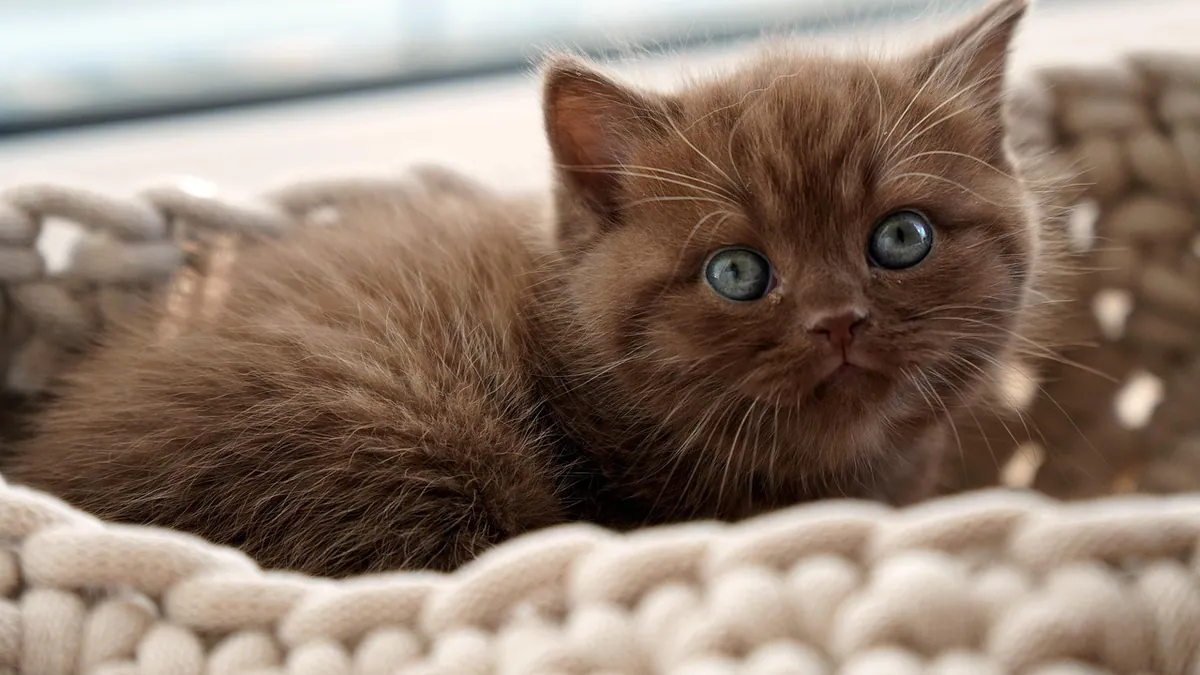
When do cats vision fully develop? For most kittens, the visual system is largely functional by about 3 to 4 months of age, and adult-like visual maturity follows in the months after that. Eye color usually settles by around 3 months too. Before that, kittens move through a predictable sequence of eyelid opening, blurry vision, and gradual sharpening.
This article is educational and is not a substitute for veterinary diagnosis or treatment.
Quick Answer
- Kittens are born with their eyes closed. The eyes open around 7 to 14 days of age, but vision is still poor at first.
- Clear, coordinated vision develops over the first 3 to 4 months, with the visual cortex and visual pathways maturing during that window [1].
- Eye color changes from baby blue to the adult color and usually settles by about 3 months of age.
- The brain and nervous system keep maturing well past the eyes. Full behavioral and cognitive maturity in cats takes much longer than visual maturity [2].
- Any kitten with eyes still closed after 2 weeks, cloudy eyes, discharge, or a swollen eye needs a vet visit right away.
What Normal Kitten Eye and Vision Development Looks Like
Kitten eyes develop on a fairly tight schedule. Knowing the normal steps helps you spot a problem early.
Days 0 to 14: Eyes Closed
Kittens are born with eyelids sealed shut. The eyes open on their own, usually between 7 and 14 days of age. Do not pry them open. Forcing the lids can damage the eye.
Weeks 2 to 4: First Blurry Images
Once the eyes open, vision is still limited. Kittens can detect light, motion, and rough shapes, but images are blurry. The eyes may also look blue or gray at this stage.
Weeks 4 to 8: Vision Sharpens Fast
This is a busy window. Kittens start tracking moving objects, judging distance, and using both eyes together. Depth perception depends on both eyes working as a team, and that teamwork is being wired up now [3].
Months 2 to 4: Near Adult Vision
By roughly 3 to 4 months, most kittens see well enough to pounce, climb, and handle a room confidently. The visual cortex is still maturing at the cellular level during this period, so vision continues to refine [1].
When Eye Color Settles
Most kittens are born with blue eyes. The color shifts as pigment develops in the iris. For most cats, the adult eye color is set by about 3 months of age. Some cats keep blue eyes into adulthood, which is normal in certain breeds and in cats with white coats.
When the Brain Fully Develops
The brain and nervous system mature on a longer timeline than the eyes [2]. Social and behavioral maturity in cats is generally measured in months to a year or more, and individual cats vary. If you are asking when do cats brains fully develop, the honest answer is that visual maturity comes first and broader brain maturity follows over many months.
Main Causes of Abnormal Eye or Vision Development
Most kittens develop normally. When something goes wrong, these are the common categories.
| Cause | Typical clues | How urgent |
|---|---|---|
| Delayed eyelid opening | Eyes still sealed after 2 weeks | See a vet within a day or two |
| Neonatal eye infection | Pus, crusting, swollen lids, kitten crying | Same day, emergency if the eye is bulging |
| Corneal injury or ulcer | Squinting, tearing, cloudy spot on the eye | Same day |
| Congenital defect (eyelid, lens, retina) | Odd eye shape, white pupil, poor tracking | Routine visit, sooner if sudden |
| Vision loss from high blood pressure or uveitis | Sudden blindness, bumping into things, dilated pupils | Emergency now |
| Neurologic problem | Head tilt, circling, tremors, seizures | Emergency now |
Eye problems in cats often look similar to problems people have, including cataracts and glaucoma, and good eye care protects sight and comfort [4].
A Note on the "Critical Period"
Kittens have a developmental window when the visual system is especially sensitive to experience. If one eye is blocked or not sending normal signals during that window, the brain can wire itself in a way that leaves lasting vision problems in that eye [5]. This is why early detection matters so much. A cloudy eye or a lid that stays shut is not something to wait out.
Red Flags That Mean Emergency
Call an emergency clinic now if you see any of these:
- Sudden blindness in a cat of any age, especially an older cat
- A pupil that is fixed, widely dilated, or different in size from the other
- A bulging eye, or an eye that looks like it could rupture
- Severe squinting with the cat unable to open the eye at all
- Blood in the eye or a sudden red, cloudy, or white appearance
- A kitten with a swollen, pus-filled eye
- Head tilt, circling, stumbling, or seizures along with eye changes
Sudden vision loss in adult cats is often linked to high blood pressure or inflammation inside the eye, and both need fast treatment. If your cat is bumping into furniture or seems disoriented, read Why Is My Cat suddenly going blind? Hypertensive Retinal Detachment and Uveitis and call your vet.
What You Can Safely Do at Home While Waiting
You cannot speed up eye development, but you can protect it.
- Keep the kitten area clean and free of dust and strong fumes.
- Wipe discharge gently with a warm, damp cotton ball, one swipe per ball, and never touch the eyeball.
- Do not use human eye drops or leftover pet medications unless your vet prescribed them for this cat.
- Dim bright lights around a squinting cat and keep the room calm.
- Watch for tracking. A 6 to 8 week old kitten should follow a moving toy with both eyes.
- Note the time any change started. That detail helps your vet a lot.
- Keep kittens away from adult cats with eye discharge until a vet checks them.
If the eye looks painful, do not wait for a scheduled visit. Eye pain in cats shows up as squinting, head lowering, and a change in the face, and these signs are measurable and treatable [6].
What Your Veterinarian Will Check and Test
Your vet will start with a full eye exam. That includes checking the eyelids, cornea, pupil response, and the inside of the eye. The eye constantly adjusts light and focus and sends images to the brain, so the exam looks at the whole pathway, not just the surface [4].
Depending on what they find, your vet may:
- Use a fluorescein stain to look for a corneal ulcer
- Measure tear production
- Check pressure inside the eye for glaucoma
- Examine the retina and optic nerve with a special lens
- Check blood pressure, since high blood pressure can damage the retina
- Run bloodwork to look for infection or systemic disease
- Refer you to a veterinary ophthalmologist for surgery or advanced imaging
For kittens, your vet will also check that both eyes are growing at the same rate and that the lids and tear ducts are forming normally.
Prevention and Monitoring Through the First Year
You cannot prevent every developmental problem, but you can catch most of them early.
- Schedule the first kitten exam within a few days of adoption.
- Keep up with the vaccine series and deworming your vet recommends.
- Watch the eyes at every milestone. Note when the lids open, when tracking starts, and when eye color settles.
- Take photos monthly. Changes in pupil size or eye color are easier to spot in photos.
- Spay or neuter at the age your vet advises, since some eye and neurologic conditions are linked to overall health.
- For adult cats, keep annual exams current. Blood pressure checks matter more as cats age.
If you notice a third eyelid creeping across the eye, that is often a sign of pain, illness, or dehydration. Learn what it means in Cat Third Eyelid Showing Why and Cat Third Eyelid Protrusion.
For a deeper look at how feline eyes work and what can go wrong, see Cat Eyes: Understanding Feline Vision, Common Eye Problems & Care Tips. If you are curious about night vision specifically, Can Cats See in the Dark? Feline Vision Explained covers that well.
Limitations and When to Contact a Veterinarian
This article gives general timelines. Every kitten is an individual, and your veterinarian is the only one who can examine your cat's eyes and tell you what is normal for them.
Contact your vet the same day if you see:
- Eyes still closed after 2 weeks of age
- Any pus, thick discharge, or crusting
- Squinting that lasts more than a few hours
- A cloudy or white spot on the eye
- One eye that looks different from the other
Go to an emergency clinic now if you see:
- A bulging eye
- Sudden blindness
- A pupil that will not react to light
- Seizures, circling, or collapse along with eye changes
Schedule a routine visit if:
- Eye color has not settled by 4 months
- Your kitten seems to track poorly compared with littermates
- You notice a persistent third eyelid
Frequently Asked Questions
Can kittens see at birth?
No. Kittens are born with their eyes closed and cannot see at all. The eyes open around 7 to 14 days, and useful vision builds from there over the next several weeks.
How long does it take for a kitten's eye color to stop changing?
Most kittens reach their adult eye color by about 3 months of age. Some cats, especially those with white coats, keep blue eyes for life, which is normal.
Is it normal for a kitten's eyes to look cloudy?
A slight bluish haze in the first few weeks can be normal as the eye matures. Cloudiness that appears later, covers part of the eye, or comes with squinting is not normal and needs a vet exam.
Do cats lose vision as they get older?
Some do. Aging changes, high blood pressure, and retinal disease can all affect vision in older cats. Annual exams and blood pressure checks help catch problems before they become permanent.
Can a cat's vision improve after a problem is treated?
Sometimes. The visual system has some ability to reorganize, and adult cats with certain types of vision loss can show measurable changes in how the brain processes visual information [7]. Recovery depends on the cause and how quickly treatment starts, so early care gives the best chance.
Related Articles
- Can Cats See in the Dark? Feline Vision Explained
- Cat Eyes: Understanding Feline Vision, Common Eye Problems & Care Tips
- Cat Third Eyelid Showing Why
- Why Is My Cat suddenly going blind? Hypertensive Retinal Detachment and Uveitis
- Cat Third Eyelid Protrusion
- Cat Stock Photography: What Images Reveal About Feline Health
- When Do Kittens Open Their Eyes? Timeline and Care
- When Do Kittens' Eyes Change Color? A Timeline for Owners
- How Long Do Kittens Keep Their Blue Eyes?
References
- Early postnatal development of the primary visual areas 17 and 18 of the cat cerebral cortex: An SMI-32 study. Journal of neuroscience research, 2024.
- The Nervous System in Cats - Cat Owners. Merck Veterinary Manual.
- My 50 Year Odyssey to Develop Behavioral Methods to Let Me See Quickly How Well Kittens See. eNeuro, 2025.
- Eye Structure and Function in Cats - Cat Owners. Merck Veterinary Manual.
- Loss and recovery of neurofilament in the cat lateral geniculate nucleus following monocular retinal inactivation. Frontiers in neuroscience, 2026.
- Keeping an eye on pain: Characterization of pain behaviours in cats undergoing ophthalmic surgery. Veterinary journal (London, England : 1997), 2026.
- Long term adult visual plasticity after the developmental critical period in genetically determined peripheral visual loss. Heliyon, 2025.