Swollen Face or Cheek in Cats: Causes and When to Worry
By Dr. Zubair Khalid, DVM, MS, PhD ·
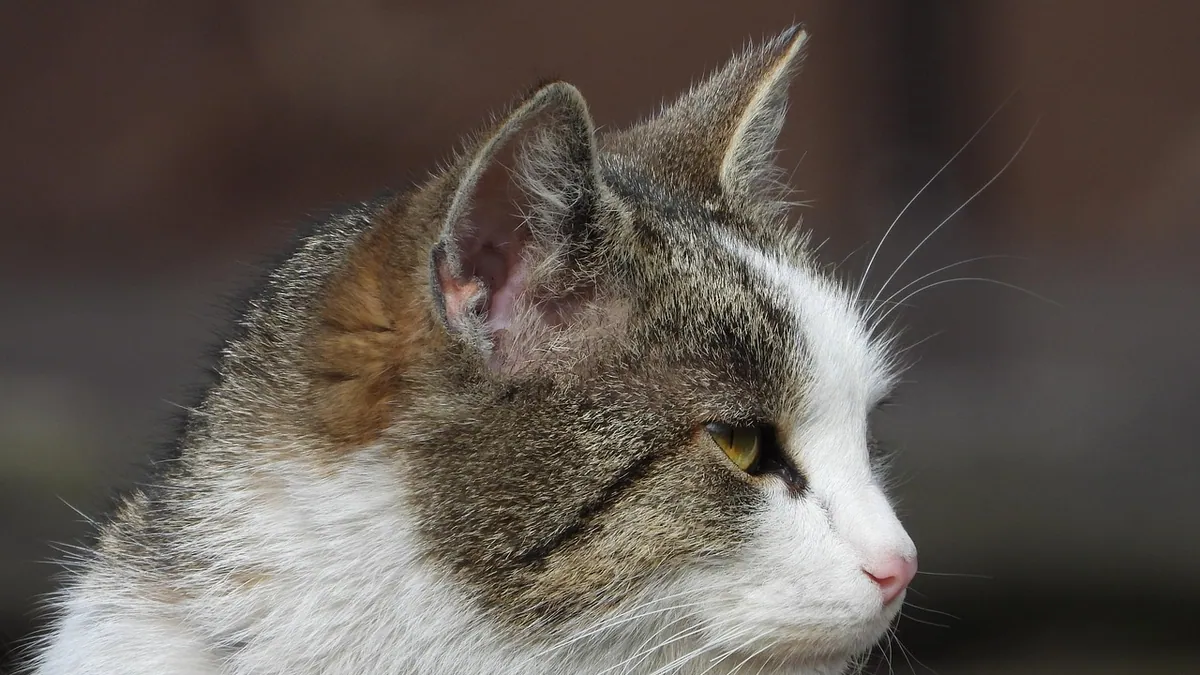
A swollen cheek in cats is most often caused by a dental abscess, an insect sting or allergic reaction, or a tumor. Dental disease is the most common of the three, and it usually builds over days. An allergic reaction can appear in minutes and is the one that can turn dangerous fast.
This article is educational and is not a substitute for veterinary diagnosis or treatment.
Quick Answer
- Call an emergency clinic now if your cat is having trouble breathing, swallowing, or has swelling that is spreading quickly toward the throat.
- Book a same-day or next-day vet visit if the swelling came on over hours to days, your cat is eating less, or one side of the face looks puffy.
- A dental abscess is the most common cause of a one-sided swollen cheek in cats, and it usually needs antibiotics plus dental treatment.
- Do not give human pain relievers. Many are toxic to cats, including acetaminophen and ibuprofen.
- Do not try to drain, squeeze, or lance the swelling at home. You can cause serious infection or bleeding.
What a Swollen Cheek in Cats Looks Like
Facial swelling in cats can be subtle or obvious. You might notice one cheek looks fuller than the other. The eye on that side may look squinty or watery. Your cat may drool, drop food while eating, or chew on one side only.
Some cats get swelling around the muzzle, nose, or under the chin. Others swell near the ear or over the top of the head, which owners often describe as a swollen head in cats. The swelling may feel soft and squishy, firm, or hot to the touch.
A swollen face in cats can also involve the eyelids, lips, or the bridge of the nose. If the swelling is on both sides and came on suddenly, an allergic reaction moves to the top of the list.
What Is Normal
Cats have natural lumps and bumps. The cheeks of a healthy cat feel symmetrical when you gently compare sides. A little asymmetry can be normal if it has been there for years and has not changed.
What is not normal is a new swelling, a swelling that is growing, or a swelling that comes with pain, fever, bad breath, or appetite loss. Those need a veterinarian.
Main Causes of a Swollen Cheek in Cats
Most facial swelling in cats falls into three broad groups: dental and sinus disease, allergic reactions, and tumors or masses. Here is how they tend to differ.
| Cause | Typical clues | How urgent |
|---|---|---|
| Dental abscess or tooth root infection | One-sided cheek swelling, bad breath, drooling, chewing on one side, pain when you touch the face | Same-day to next-day vet visit |
| Insect sting or allergic reaction (hives, angioedema) | Sudden swelling of the face, muzzle, or eyelids, often itchy, may follow a sting or new food or medication | Emergency if breathing changes, otherwise urgent |
| Tumor or mass in the nose or mouth | Slow-growing swelling, nosebleeds, sneezing, one-sided nasal discharge, weight loss | Next-day to routine vet visit, depending on speed |
| Sinus or nasal infection | Facial swelling with nasal discharge, sneezing, sometimes nosebleeds | Same-day to next-day vet visit |
| Muscle enlargement (masseter or pterygoid hypertrophy) | Firm, painless swelling over the jaw muscle, no other signs | Routine vet visit |
| Trauma or foreign body | Recent injury, wound, or something stuck in the mouth or nose | Same-day vet visit |
Dental Abscess and Tooth Root Infection
This is the cause most owners do not expect. A broken tooth, a deep cavity, or gum disease lets bacteria into the tooth root. Pus builds up under the gum and pushes outward, and the cheek swells.
Cats hide mouth pain well. You may only see the swelling, a drop in appetite, or a preference for soft food. Bad breath is a common clue. Your cat may flinch when the cheek is touched.
Treatment usually means antibiotics and then addressing the tooth itself, often with extraction or a root canal. Dental work in cats is delicate. One report described a serious complication during root canal therapy on a maxillary canine tooth, where irrigation fluid traveled backward through the nasolacrimal duct and injured the eye, causing facial swelling and a corneal ulcer [1]. That case shows why dental procedures on the upper teeth need an experienced veterinarian.
Insect Sting and Allergic Reaction
Hives in cats are small patches of red, swollen, usually itchy skin. They are rare in cats and are most often linked to insect bites or stings or to medications [2]. Hives can also appear after a cat inhales, touches, or eats something it is allergic to [2].
When hives come with severe swelling and fluid buildup in the head, legs, respiratory tract, or genitals, the reaction can be life threatening [2]. This is the situation where a swollen face in cats becomes an emergency. The swelling itself is not the main danger. The danger is swelling in the throat or airway.
Hives often fade as quickly as they appear, usually within a few hours, and treatment may not be needed [2]. When treatment is needed, it may include rapid-acting corticosteroids [2]. Hives can come back quickly if your cat keeps being exposed to the cause [2]. If hives keep happening, food or environmental allergens should be considered [2].
Death from hives is rare and is usually tied to swelling of the lining of the respiratory tract or to anaphylaxis [2].
Tumors and Other Masses
A tumor in the nose, mouth, or sinus can cause facial swelling. These swellings tend to grow slowly and may come with nosebleeds, sneezing, or one-sided nasal discharge. A nasal mass can also destroy nearby bone.
One case report described a 14-year-old cat with right-sided nosebleeds, right facial swelling, poor appetite, and sneezing. A nasal mass was found and diagnosed as a nasal angiofibroma, which was treated with stereotactic body radiation therapy [3]. Another report described a 5-year-old cat with left-sided facial swelling and nosebleeds. Imaging found a mass in the left nasal cavity, and testing showed a fungal infection called blastomycosis [4]. That cat improved after 8 months of antifungal treatment [4].
These cases are uncommon, but they show why a swollen cheek that does not improve needs imaging and testing, not just antibiotics.
Less Common Causes
Fungal infections such as blastomycosis can cause facial swelling and nosebleeds, mainly in certain geographic areas [4]. Cowpox, a rare infection in some parts of the world, can cause progressive one-sided facial swelling with fever, even without skin lesions [5]. Benign enlargement of the chewing muscles (the masseter and pterygoid muscles) can cause firm, painless one-sided facial swelling, and the cause is unknown [6].
If your cat also has a skin rash, see Cat Skin Rash with Swelling: When to Worry. If the swelling is in the belly instead, read Cat Swollen Belly Causes or Why Is My Cat's Belly Swollen?.
Red Flags: When Facial Swelling in Cats Is an Emergency
Go to an emergency clinic right away if you see any of these:
- Trouble breathing. Open-mouth breathing, noisy breathing, or a blue tint to the gums.
- Swelling that is spreading fast. A cheek that doubles in size in minutes, or swelling moving toward the throat or neck.
- Trouble swallowing or heavy drooling. Your cat may be unable to swallow saliva.
- Collapse, weakness, or vomiting after a sting or a new medication.
- A swollen face in a kitten. Small kittens can decompensate quickly, and the margin for error is smaller.
- Eye swelling with a bulging eye or a sudden change in vision.
- Heavy bleeding from the nose or mouth.
A swollen head in cats that develops within minutes of a sting, a new food, or a new drug is an allergic emergency until proven otherwise [2].
What You Can Safely Do at Home While You Wait
Your job at home is to keep your cat calm and safe, not to treat the swelling.
- Keep your cat indoors. This limits more stings or injuries and lets you watch breathing closely.
- Do not give any human medication. Acetaminophen and ibuprofen are toxic to cats. Even "pet" pain relievers should only come from your veterinarian.
- Do not squeeze, poke, or lance the swelling. You can spread infection or cause bleeding.
- Offer soft food and water. A cat with a sore mouth may eat wet food more easily.
- Take a photo of the swelling and note the time it started. This helps your vet judge how fast it is changing.
- Check the gums. Pale, blue, or white gums mean an emergency.
- Watch the breathing every 15 to 30 minutes if the swelling came on suddenly.
If your cat is sneezing along with the swelling, see Cat Sneezing: Common Causes and When to Worry. If the ear on the swollen side looks sore, read Cat Ear Infection with Swelling: What to Do and When to Worry.
What Your Veterinarian Will Check and Test
Your vet will start with a full physical exam. They will compare both sides of the face, feel the jaw and lymph nodes, look inside the mouth, and check the eyes, nose, and ears. They will also listen to the heart and lungs and check your cat's breathing.
From there, testing depends on what they find.
- Dental exam and dental radiographs. These are the main tools for finding a bad tooth root or an abscess.
- Blood work. A complete blood count and chemistry panel show infection, inflammation, and how the organs are working.
- Fine needle aspirate or biopsy. A small sample of the swelling can show whether it is pus, inflammation, or a tumor.
- Imaging. X-rays or a CT scan can show a mass, bone damage, or fluid in the sinuses. In one reported case, contrast CT found a nasal mass and areas of bone loss in a cat with facial swelling and nosebleeds [4].
- Infection testing. If a fungal infection is suspected, tissue samples and cytology help confirm it [4].
Treatment depends on the cause. An abscess needs antibiotics and dental care. An allergic reaction may need a rapid-acting corticosteroid [2]. A tumor may need surgery, radiation, or other treatment. A fungal infection may need months of antifungal medication [4].
Your veterinarian will calculate any medication dose from your cat's weight and health. Do not use a dose from a website or from a previous prescription for a different cat.
Prevention and Monitoring
You cannot prevent every cause of a swollen cheek in cats, but you can lower the odds and catch problems early.
- Brush your cat's teeth or use veterinary dental chews and rinses. Dental disease is the most common driver of cheek swelling.
- Schedule dental checkups. Your vet can find a broken tooth or gum disease before an abscess forms.
- Keep cats indoors or supervise outdoor time to reduce stings, fights, and injuries.
- Watch for early clues. Drooling, one-sided chewing, bad breath, and pawing at the mouth all point to mouth pain.
- Track any lump. Measure or photograph it weekly. A swelling that grows over weeks needs a vet visit even if your cat seems fine.
- Know your cat's normal face. Owners often spot asymmetry before anyone else.
If your cat has a known allergy, avoid the trigger and ask your vet about a plan for the next reaction.
Limitations and When to Contact a Veterinarian
This article cannot tell you what is causing your cat's swelling. Only a veterinarian who examines your cat can do that. Individual cases need a veterinarian, and the timing matters.
Go to an emergency clinic now for trouble breathing, open-mouth breathing, swelling that is spreading fast, collapse, vomiting after a sting or new medication, a bulging eye, or heavy bleeding.
Call for a same-day appointment if the swelling appeared within hours, your cat is drooling or dropping food, one side of the face is clearly puffy, or your cat has a fever or is not eating.
Book a routine visit if the swelling is small, firm, painless, has been stable for weeks, and your cat is eating, drinking, and acting normally.
When in doubt, call your veterinarian and describe what you see. A phone call costs nothing and can save time.
Frequently Asked Questions
How fast can a swollen cheek in cats become an emergency?
It can become an emergency in minutes if it is an allergic reaction. Swelling that moves toward the throat or comes with noisy breathing needs immediate care. Swelling from a dental abscess usually builds over days and is urgent but not instantly life threatening.
Can a dental problem really cause a swollen cheek in cats?
Yes, and it is the most common reason for one-sided cheek swelling. Bacteria enter the tooth root and pus builds up under the gum. Your cat may show few signs other than the swelling, bad breath, and eating less.
Should I give my cat Benadryl for a swollen face?
No, do not give any medication without talking to your veterinarian first. Doses must be calculated from your cat's weight and health, and some human drugs are toxic to cats. If your cat is having trouble breathing, skip the phone call and go to an emergency clinic.
Can a swollen face in cats go away on its own?
Hives from a mild sting can fade within a few hours without treatment [2]. A dental abscess or a tumor will not resolve on its own and usually gets worse. If the swelling lasts more than a day or keeps returning, see your vet.
What if only one side of my cat's face is swollen?
One-sided swelling points toward a problem on that side, such as a bad tooth, a nasal mass, or a sinus infection. Two-sided or whole-face swelling is more typical of an allergic reaction. Either way, a new one-sided swelling deserves a vet visit.
Related Articles
- Cat Skin Rash with Swelling: When to Worry
- Cat Swollen Belly Causes
- Why Is My Cat's Belly Swollen?
- Cat Ear Infection with Swelling: What to Do and When to Worry
- Cat Sneezing: Common Causes and When to Worry
- Cat Eye Discharge: When Should You Worry?
- Puffy Face in Cats: Causes of Facial Swelling
- Cat Swollen Face or Eye: Causes and What to Do
- Cat Bump on the Lip or Mouth: Causes and Next Steps
References
- Complications of Intracanal Irrigation During Root Canal Therapy of a Maxillary Canine Tooth in a Cat. Journal of veterinary dentistry, 2025.
- Hives and Rashes (Urticaria) in Cats - Cat Owners. Merck Veterinary Manual.
- Treatment of a nasal angiofibroma in a cat using stereotactic body radiation therapy. Veterinary radiology & ultrasound : the official journal of the American College of Veterinary Radiology and the International Veterinary Radiology Association, 2023.
- Epistaxis and Facial Swelling Due to Nasal Blastomycosis in a Cat. Journal of the American Animal Hospital Association, 2024.
- A Case of Cowpox Presenting as Progressive Unilateral Facial Swelling and Fever Without Any Skin Lesions. Case reports in infectious diseases, 2026.
- Masseter and Pterygoid Muscle Hypertrophy in a Cat. Journal of veterinary dentistry, 2026.