Why Your Cat Stopped Retracting Its Claws
By Dr. Zubair Khalid, DVM, MS, PhD ·
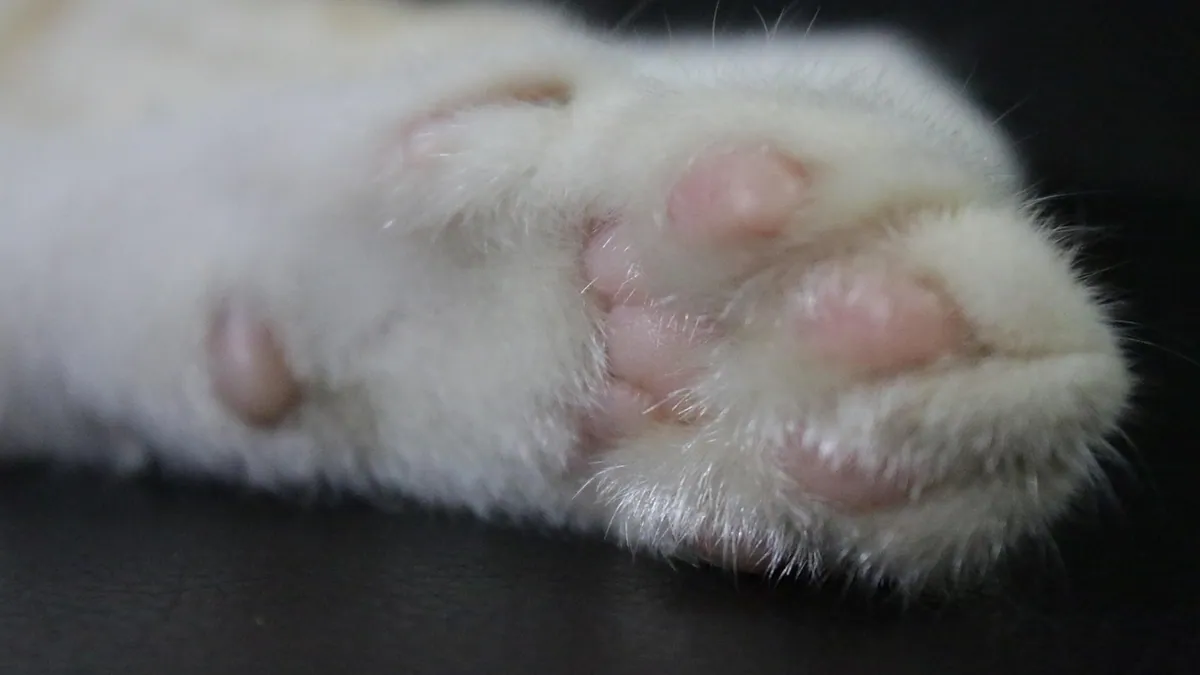
A cat not retracting claws usually means something is physically preventing the claw from sliding back into its sheath. The most common reasons are a torn or broken claw, an infection, a tendon injury, or a deformity that locks the claw in the extended position. Some cats are simply relaxed or kneading, which is normal, but a claw that stays out for hours or days needs a veterinarian.
This article is educational and is not a substitute for veterinary diagnosis or treatment.
Quick Answer
- A claw that stays extended for more than a day, or that looks swollen, crooked, or dirty, is not normal and needs a vet visit.
- The most common causes are torn claws, infections, and injuries to the tendon that pulls the claw back in.
- Declawed cats can develop claw regrowth and tendon contracture years after surgery, which keeps claws stuck out [1].
- Never pull a snagged claw off yourself and never cut into a claw that is bleeding or has exposed tissue.
- If the paw is bleeding heavily, the toe is bent the wrong way, or your cat is limping and will not bear weight, treat it as an emergency.
What Claw Retraction Looks Like and What Is Normal
A cat's claw is attached to the last bone of the toe, called the third phalanx. A tendon on the underside of the toe pulls that bone and claw downward and backward into a fold of skin, which is the sheath. When the tendon relaxes, elastic tissue in the toe pushes the claw back out. This is why a healthy cat can extend claws to climb or scratch and then tuck them away when resting.
Normal claw movement includes:
- Claws out during stretching, scratching, climbing, and play [2].
- Claws out during kneading on a soft surface.
- Claws briefly caught in fabric or carpet, then pulled free.
- Claws that retract within seconds once the cat relaxes.
What is not normal is a claw that stays out while the cat is resting, a claw that cannot be pushed back in when you gently press the toe, or a claw that looks different from the others. Owners often describe this as a cat not retracting back claws, and back claws are actually a common location for this problem because they snag on carpet and furniture.
Kittens are a special case. A kitten not retracting claws is often just a kitten who has not learned to control the tendons yet. Young kittens also have very sharp claws that snag easily, and frequent trimming helps them while they learn [3]. If a kitten's claw stays out for more than a day, or the toe looks swollen, have it checked.
Causes of a Cat Not Retracting Claws
Torn, Broken, or Ingrown Claws
A claw that catches on carpet, a screen, or a toy can tear away from the quick (the blood and nerve supply inside the claw). The torn piece may stay stuck out because the cat cannot pull it back into the sheath without pain. An ingrown claw curves around and grows into the paw pad, which also holds the claw out and causes swelling and infection.
Infection and Abscess
Bacteria can enter through a small claw injury. The toe swells, becomes warm, and hurts. The cat may lick the toe constantly. Swelling in the toe can physically block the claw from sliding back into the sheath. Chronic digit infection is a known problem in declawed cats with retained bone fragments [1].
Tendon and Muscle Contracture
The digital flexor tendon is the structure that pulls the claw back in. If that tendon or its muscle becomes contracted (permanently shortened), the toe curls and the claw cannot relax back into the sheath. This has been documented in cats with digital flexor tendon contracture, and two of three cats in one case series had undergone onychectomy years before the problem appeared [4]. A similar contracture of the carpal and digital flexor muscles caused hyperflexion of multiple toes in a 12-year-old cat [5]. In Devon Rex cats, a fibromyositis of the forearm muscles caused contracture and flexural deformity of the carpus and phalanges [6].
Declaw Complications
Declawing removes the third phalanx, but fragments of that bone can be left behind. In a case series of 86 declawed cats, all had fragments of the third phalanx visible on radiographs, and problems included nail regrowth, chronic digit infection, lameness, and tendon contracture [1]. Regrown nail tissue can push through the paw and stay extended because there is no normal sheath or bone structure to hold it. This is one reason a declawed cat may suddenly have claws that will not retract, even years after surgery.
Nerve Injury, Arthritis, and Deformity
Nerve damage from a bite wound, a fall, or a trapped paw can weaken the muscles that retract the claw. Arthritis in the toe joints makes movement painful and stiff. Rare congenital deformities, such as a tarsal hyperextension deformity in a kitten, can also affect how the limb and toes are positioned [7].
Normal but Mistaken for a Problem
Some cats hold claws slightly out when they are deeply relaxed, when they are kneading, or when they are asleep. A claw that is out but clean, straight, and easy to push back in with no pain is usually not an emergency.
| Cause | Typical clues | How urgent |
|---|---|---|
| Torn or broken claw | Bleeding, crooked claw, visible split, pain when touched | Same day |
| Ingrown claw | Claw curves into the pad, swelling, odor, limping | Same day |
| Infection or abscess | Red, warm, swollen toe, licking, discharge | Same day |
| Tendon contracture | Toe curled under, claw stuck out, stiff gait, history of declaw [4] | Routine visit, sooner if limping |
| Declaw regrowth | Claw tissue emerging from the paw, chronic infection, years after surgery [1] | Routine visit, sooner if infected |
| Nerve injury or arthritis | Weakness, stiffness, reluctance to jump, multiple toes affected | Routine visit |
| Normal relaxation or kneading | Claw pushes back in easily, no swelling, no pain | Monitor at home |
Red Flags That Make It an Emergency
Go to an emergency clinic now if you see any of these:
- Bleeding that does not stop after a few minutes of gentle pressure.
- A toe that is bent at an unnatural angle or dangling.
- Your cat is crying, panting, or will not let anyone near the paw.
- The paw is cold, pale, or blue, which can mean the blood supply is cut off.
- A claw is torn and hanging by tissue, especially if it is a back claw.
- Your cat is dragging the limb or cannot stand.
Call your veterinarian the same day if you see:
- A swollen, hot, or foul-smelling toe.
- A claw that has been stuck out for more than 24 hours.
- Your cat is limping but still eating and using the litter box.
- You see pus, blood, or dark discharge around the claw.
- A declawed cat has new claw tissue growing out of the paw [1].
Safe Things You Can Do at Home While Waiting
You can help your cat stay comfortable without making the problem worse.
Check the Claw Gently
Wrap your cat in a towel if needed. Look at the claw from the side. Note whether it is cracked, bleeding, dirty, or growing into the pad. Do not pull on it. Do not cut it. If a loose piece is hanging, leave it for the veterinarian to remove.
Keep the Paw Clean and Dry
Rinse a dirty paw with plain lukewarm water and pat it dry. Do not use hydrogen peroxide, alcohol, or human antibiotic ointment unless your veterinarian tells you to. These can damage tissue and slow healing.
Stop the Bleeding
For a bleeding claw, press a clean cloth or gauze against the tip for several minutes. If you do not have gauze, a clean cloth works. If bleeding continues past a few minutes, go to the vet.
Limit Jumping and Scratching
Put your cat in a quiet room with low surfaces. Remove scratching posts that encourage hard pulling, or offer a flat cardboard scratcher instead. A cat with a painful toe may hide, which is normal, but you should still be able to check on it. If your cat is hiding more than usual after a move or a change at home, see Cat Hiding After Moving: How to Help Your Cat Adjust.
Do Not Trim Into the Quick
You can trim the sharp tip of a claw that is clearly not painful and not bleeding, but stop before the pink quick. If you are unsure, wait for the vet. Trimming a painful claw can make your cat bite.
Watch the Litter Box
Painful paws can make a cat avoid the litter box. If your cat stops using the box, that is another reason to call the vet. For related help, see Cat Not Using Litter Box After Moving: How to Help.
What Your Veterinarian Will Check and Test
Your veterinarian will start with a full physical exam, including a close look at every toe on all four paws. They will press gently on each toe to see if the claw can be pushed back in and whether that causes pain.
Common next steps include:
- Radiographs (X-rays) to look for broken bones, retained third phalanx fragments in declawed cats, arthritis, or malalignment [1].
- A claw and toe exam under magnification to find cracks, ingrown tips, or foreign material.
- Cytology or culture if there is discharge, to identify bacteria and choose the right antibiotic.
- Blood work before sedation or surgery, especially in older cats.
- Ultrasound if a tendon or muscle problem is suspected. In one cat, radiographs and ultrasound were normal, and the diagnosis of flexor muscle contracture was made from the exam and history [5].
Treatment depends on the cause. Torn claws may need the damaged piece removed and the toe bandaged. Infections need antibiotics and sometimes drainage. Tendon contracture may need surgery called tenectomy or tenotomy, where the surgeon cuts the tightened tendon to release the toe. In reported cases, cats with digital flexor tendon contracture became sound around 2 to 4 weeks after surgery [4]. Declawed cats with retained bone fragments may need surgery to remove the fragments and reposition the pads, and mild to moderate lameness was the most common complication 14 days after that surgery [1].
Your veterinarian will calculate any medication dose from your cat's weight and health. Do not give human pain relievers, which can be toxic to cats.
Prevention and Monitoring
You cannot prevent every claw injury, but you can lower the risk.
- Trim claws every 2 to 4 weeks. Start when your cat is young so handling paws becomes normal [3]. Trim only the clear tip, away from the pink quick.
- Provide scratching posts. Cats scratch to remove worn outer claw layers and expose sharper claws [2]. A sturdy post saves furniture and keeps claws healthier.
- Keep posts even when they look shredded. Cats prefer shredded and torn posts because they can dig their claws in, and the familiar smell matters to them [2].
- Check paws weekly. Look at each claw, especially the back claws, which snag often.
- Watch declawed cats for life. Nail regrowth, infection, and contracture can appear years after surgery [1].
- Ask about claw caps if scratching is the main problem. These attach with adhesive and last four to six weeks [2].
If scratching furniture is your main concern, these guides can help: How Do I Stop A Cat From Clawing Furniture and Cat Won't Stop Scratching Furniture.
Limitations and When to Contact a Veterinarian
This article covers common causes, but it cannot tell you what is happening in your cat's specific toe. Only a veterinarian who examines your cat can do that.
Contact a veterinarian the same day for a swollen toe, a claw stuck out for more than a day, limping, or any discharge. Go to an emergency clinic now for heavy bleeding, a deformed toe, a cold paw, or a cat that cannot walk. Schedule a routine visit for a stable claw that has been out for a while with no swelling or pain, or for monitoring a declawed cat with new claw tissue. When in doubt, call your vet's office and describe what you see.
Frequently Asked Questions
Why is my cat's claw stuck out and not going back in?
Something is blocking the claw from sliding into its sheath. The usual reasons are a torn claw, an infection, a tendon contracture, or retained bone and regrown nail tissue in a declawed cat. A claw that stays out for more than a day should be checked by a veterinarian.
Is it normal for a kitten to not retract its claws?
Kittens often have poor claw control because they are still learning to use the tendons that pull the claws in. Frequent trimming helps while they learn [3]. If a kitten's claw stays out for more than a day or the toe looks swollen, see a vet.
Why are only the back claws affected?
Back claws snag on carpet, bedding, and toys more often than front claws, so tears and ingrown tips are common there. Back claws also show up in tendon contracture cases, where the toe curls and the claw cannot relax back. A veterinarian can tell the difference with an exam and X-rays.
Can a declawed cat grow claws again?
Yes. Declawing removes the third phalanx, but small fragments can be left behind, and nail tissue can regrow from them. In a case series of 86 declawed cats, all had third phalanx fragments on radiographs, and nail regrowth was one of the reported problems [1]. This can cause infection, pain, and claws that will not retract.
Should I pull out a loose claw myself?
No. Pulling a loose claw can tear the quick, cause heavy bleeding, and leave tissue behind that becomes infected. Keep your cat calm and take it to a veterinarian, who can remove the damaged piece safely and treat the toe. If the claw is bleeding, apply gentle pressure with a clean cloth on the way.
Related Articles
- How Do I Stop A Cat From Clawing Furniture
- Cat Hiding After Moving: How to Help Your Cat Adjust
- Cat Won't Stop Scratching Furniture
- My Cat Ate String: Why You Must Not Pull It and What to Do
- Cat Not Using Litter Box After Moving: How to Help
- How To Stop A Cat From Scratching Leather Furniture
- How Cats Retract Their Claws and When They Learn
- Overgrown Claws in Cats: How to Treat and Fix
- Cat Losing Claws or Nails: Causes and What to Do
References
- Surgical excision of P3 fragments in 86 declawed cats: case series (2013-2023). Journal of feline medicine and surgery, 2024.
- Destructive Scratching. ASPCA Animal Poison Control Center.
- Trimming Your Cat’s Claws. ASPCA Animal Poison Control Center.
- Digital flexor tendon contracture treated by tenectomy: different clinical presentations in three cats. JFMS open reports, 2015.
- Bilateral contracture of the carpal and digital flexor muscles resulting in carpal flexural deformity in a cat. JFMS open reports, 2023.
- Digital flexor musculotendinous contracture in two Devon Rex cats. Journal of feline medicine and surgery, 2017.
- Surgical correction of a bilateral congenital tarsal hyperextension deformity in a cat. Veterinary and comparative orthopaedics and traumatology : V.C.O.T, 2015.