How to Tell If Your Cat or Kitten Has a Fever
By Dr. Zubair Khalid, DVM, MS, PhD ·
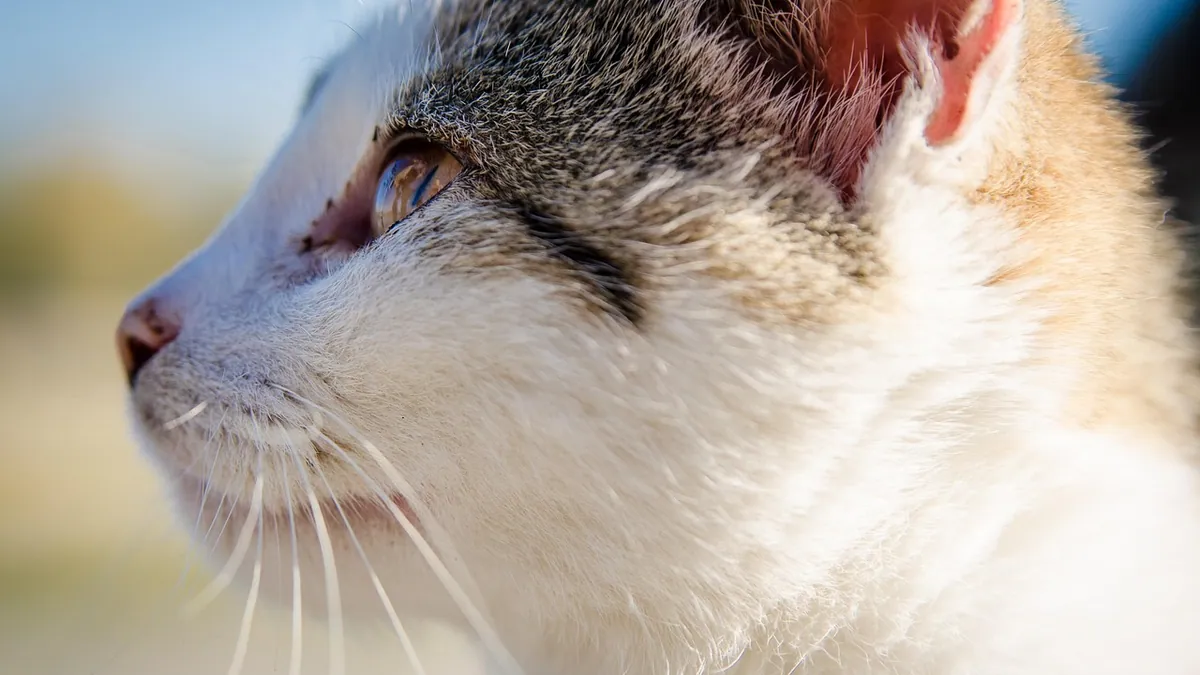
You cannot reliably tell if your cat has a fever by touching their nose or ears. The only dependable at-home method is a rectal temperature with a digital thermometer, and a reading at or above 102.5°F (39.2°C) is generally considered a fever in cats [1]. If you are wondering how to tell if my cat has a fever, look at the whole picture: behavior, appetite, hydration, breathing, and a measured temperature.
This article is educational and is not a substitute for veterinary diagnosis or treatment.
Quick Answer
- A normal cat body temperature is roughly 100.5°F to 102.5°F (38.1°C to 39.2°C). A rectal reading above 102.5°F (39.2°C) suggests a fever [1].
- A warm nose, warm ears, or dry gums do not confirm a fever. Only a thermometer gives you a real number.
- Sick cats often hide, sleep more, eat less, and groom less. These behavior changes matter as much as the number on the thermometer.
- Fever in cats is usually caused by infection, inflammation, an immune-mediated disease, or cancer, and infections are the most common cause [1].
- A kitten with a fever, a cat that will not eat for more than 24 hours, or a cat with trouble breathing needs a veterinarian right away.
What a Fever Looks Like in a Cat or Kitten
What is normal?
Body temperature in cats is controlled by a region of the brain called the hypothalamus, which acts like a thermostat [1]. In a true fever, that thermostat is reset to a higher temperature, so the cat's body actively works to reach and hold that higher number [1].
Normal rectal temperature in a healthy cat is about 100.5°F to 102.5°F (38.1°C to 39.2°C) [1]. Kittens run at the upper end of that range more often than adults, and a cat's temperature can rise slightly with stress, exercise, or a hot car ride. A single high reading is a clue, not a diagnosis.
Signs of a cat with fever
Owners usually notice behavior first. Common signs of a cat with fever include:
- Hiding in closets, under beds, or in quiet corners
- Sleeping far more than usual and not greeting you at the door
- Refusing food or eating only a few bites
- Drinking less, or drinking more if the fever comes with vomiting or diarrhea
- Warm, dry nose or warm ears (helpful as a hint, not proof)
- Fast breathing or panting
- Shivering, even in a warm room
- Poor grooming, dull coat, or a greasy feel to the fur
- Sensitivity to touch, growling, or pulling away when picked up
- Vomiting, diarrhea, sneezing, or eye discharge, depending on the cause
Kittens can crash faster than adults. A kitten who was playful this morning and is now limp, cool to the touch, or unwilling to nurse or eat needs a same-day exam.
How to tell if my kitten has a fever
The same rules apply to kittens, but the stakes are higher. Small bodies lose fluids quickly, and a kitten with a fever can become dehydrated within hours. Watch for a kitten who stops playing, stops grooming, feels warm to the touch, or cries when handled. If you have a rectal thermometer and feel confident using it, take a reading. If not, call your veterinarian. Do not guess based on the nose or ears alone.
If your kitten also seems weak, has tacky gums, or has skin that stays tented when you gently pinch it, read Cat Dehydration Symptoms: How to Tell and What to Do and call your vet.
Main Causes of Fever in Cats
Fever is a symptom, not a disease. In cats, infections are the most common cause of fever [1]. Other categories include inflammation, immune-mediated disease, and cancer [1]. Sometimes the cause is never found, and the fever keeps coming back. That is called fever of unknown origin, and it requires a workup with history, physical exam, and often laboratory or other diagnostic tests [1].
| Cause | Typical clues | How urgent |
|---|---|---|
| Viral infection (upper respiratory, calicivirus, herpesvirus) | Sneezing, runny eyes, mouth ulcers, drooling, not eating | Same-day vet visit, urgent if not eating |
| Bacterial infection (abscess, bite wound, pneumonia, urinary infection) | Swelling, pain, pus, bad breath, straining to urinate, cough | Same-day vet visit, emergency if straining to urinate |
| Tick-borne or other vector-borne infection | Fever, joint pain, weakness, sometimes neurologic signs such as tremors or seizures [2] | Emergency if neurologic signs appear |
| Cat-scratch disease (Bartonella henselae) | Fever after a scratch or bite, swollen lymph nodes, sometimes confusion or seizures in people [3] | Same-day vet visit for the cat, urgent medical care for the person |
| Q fever (Coxiella burnetii) | Rare in cats, but a parturient cat can be a source of human infection [4] | Routine vet visit for the cat, see a doctor for people with fever |
| Immune-mediated disease | Recurring fever, joint swelling, shifting lameness | Same-day vet visit |
| Cancer | Weight loss, poor appetite, a mass, fever that comes and goes | Same-day vet visit |
| Fever of unknown origin | Fever lasting days to weeks with no clear cause on first tests [1] | Same-day vet visit, may need repeat testing |
Some infections that cause fever in cats can also affect people. Q fever is a globally distributed zoonosis, and a rare human case has been linked to a household cat, including a cat that had recently given birth [4]. Cat-scratch disease is another example. An older adult developed sudden high fever, delirium, hallucinations, and a seizure-like episode three months after a cat scratch, and testing found Bartonella henselae [3]. These cases are uncommon, but they are a reminder to tell your doctor about any cat scratches or bites if you become ill with a fever.
Red Flags That Mean Emergency
Call an emergency clinic now if your cat has any of these:
- Trouble breathing, open-mouth breathing, or blue gums
- Collapse, extreme weakness, or inability to stand
- A seizure, head tremors, or sudden sensitivity to touch [2]
- Straining to urinate with no urine produced, especially in a male cat
- A temperature above 104°F (40°C) or below 99°F (37.2°C)
- Vomiting or diarrhea that will not stop
- A kitten under 8 weeks old with any fever or refusal to eat
- A wound that is swollen, hot, and draining pus
- A cat that is choking, gagging, or pawing at the mouth (see How To Know If Your Cats Choking)
If your cat has a fever plus signs of a urinary problem, such as crying in the litter box, licking the genital area, or passing only drops of urine, read What Are The Signs That My Cat Has A Urinary Tract Infection and call your vet immediately.
Safe Things You Can Do at Home While Waiting
You cannot treat a cat's fever at home with human medicine. Never give acetaminophen (Tylenol), ibuprofen (Advil, Motrin), aspirin, or any other human pain reliever. These drugs are toxic to cats and can be fatal.
What you can do:
- Move your cat to a quiet, dim room away from children, dogs, and loud noise.
- Offer fresh water in a shallow bowl. Try a few teaspoons of tuna water or low-sodium chicken broth to encourage drinking.
- Offer small amounts of their normal food, warmed slightly to boost the smell. Do not force-feed.
- Keep the room at a comfortable temperature. Do not use heating pads, hot water bottles, or blankets piled on a feverish cat. Warming devices are used in specific clinical situations, such as during anesthesia for MRI, and they are not appropriate for a cat with a fever at home [5].
- Wipe away eye or nose discharge with a clean, damp cloth.
- Take a rectal temperature if you have a digital thermometer and feel comfortable doing it. If not, skip it and call your vet. For step-by-step help, see How to Safely Check Your Cat's Temperature at Home: What's Normal and What's Not.
- Write down the time, the temperature, and any symptoms so you can give your vet a clear timeline.
If your cat has an ear infection and a fever, that combination can point to a deeper problem. Read Cat Ear Infection with Fever: When to Rush to the Vet.
What Your Veterinarian Will Check and Test
Your vet will start with a full history. They will ask when the signs started, whether your cat is eating and drinking, whether there has been any vomiting, diarrhea, sneezing, or coughing, and whether your cat goes outside or has contact with other cats.
Next comes a physical exam. The vet will check hydration, gum color, heart rate, breathing, lymph nodes, belly palpation, ears, eyes, mouth, and skin. They will take a rectal temperature, which remains the standard for accuracy. Tympanic (ear) thermometers can be a low-stress screening tool in clinical care, but they carry a risk of inaccurate readings, so they do not replace a rectal measurement [6].
Depending on what they find, your vet may recommend:
- Blood work, including a complete blood count and chemistry panel
- Urinalysis and urine culture
- Fecal testing
- X-rays or ultrasound
- Tests for infectious diseases such as feline leukemia virus, feline immunodeficiency virus, or Bartonella
- A trial of antibiotics if a bacterial infection is suspected
Often, a fever resolves on its own or in response to antibiotic therapy [1]. In a small percentage of animals, the fever continues or keeps coming back and the cause cannot be determined, which is fever of unknown origin [1]. If that happens, your vet may repeat tests over time or refer you to a specialist.
Treatment depends on the cause. Your vet will calculate any medication dose from your cat's weight and health status. Do not use leftover antibiotics from a previous illness or from another pet.
Prevention and Monitoring
You cannot prevent every fever, but you can lower the odds and catch problems early.
- Keep vaccinations current, especially for kittens.
- Keep your cat indoors to reduce exposure to ticks, fleas, and fighting injuries.
- Use veterinarian-approved flea and tick prevention year-round.
- Clean and check any bite or scratch wound right away, and call your vet if it swells or drains.
- Watch for subtle changes. A cat who skips two meals in a row is telling you something.
- Weigh your cat monthly if you can. Unexplained weight loss often comes with fever and hidden illness.
- If your cat has a chronic condition, keep a simple log of appetite, water intake, litter box use, and any fever readings.
If you have a pregnant cat, take extra care with handling and cleanup. A parturient cat has been identified as a possible source of Q fever in a rare human case, so good hand hygiene and veterinary care during pregnancy and birth are wise [4].
Limitations and When to Contact a Veterinarian
This article gives general guidance. Every cat is different, and individual cases need a veterinarian who can examine your cat, take a temperature, and run tests.
Contact your veterinarian the same day if your cat has a fever and is eating less, hiding more, or acting painful. Contact an emergency clinic right away if your cat is having trouble breathing, has collapsed, has a seizure, is straining to urinate, or has a temperature above 104°F (40°C) or below 99°F (37.2°C). Schedule a routine visit if your cat has had a fever that came and went, or if you have noticed weight loss, poor grooming, or a change in litter box habits over weeks.
Do not wait to see if a fever breaks on its own. Cats are good at hiding illness, and by the time signs are obvious, the problem may have been building for days.
Frequently Asked Questions
Can I tell if my cat has a fever by touching their nose?
No, a warm or dry nose is not a reliable sign of fever. Cats can have a warm nose with a normal temperature, and a cool, wet nose with a real fever. Use a rectal thermometer or let your vet measure it.
What temperature is considered a fever in cats?
A rectal temperature above 102.5°F (39.2°C) is generally considered a fever. Normal is about 100.5°F to 102.5°F (38.1°C to 39.2°C). A reading above 104°F (40°C) is an emergency.
How can I tell if my kitten has a cold or a fever?
A cold usually causes sneezing, runny eyes, and a stuffy nose, while a fever often brings hiding, poor appetite, and lethargy. Kittens can have both at once. If your kitten stops eating or seems weak, call your vet the same day.
Can I give my cat human fever medicine?
No. Never give acetaminophen, ibuprofen, aspirin, or any human fever reducer to a cat. These drugs are toxic and can be fatal. Only a veterinarian should prescribe medication, and the dose is calculated from your cat's weight and health.
Will a cat's fever go away on its own?
Sometimes a fever resolves on its own or with antibiotic therapy, but you cannot predict which way it will go. A fever that lasts more than 24 hours, keeps coming back, or comes with breathing trouble, seizures, or not eating needs veterinary care.
Related Articles
- Cat Dehydration Symptoms: How to Tell and What to Do
- How to Safely Check Your Cat's Temperature at Home: What's Normal and What's Not
- How To Know If Your Cats Choking
- What Are The Signs That My Cat Has A Urinary Tract Infection
- Cat Ear Infection with Fever: When to Rush to the Vet
- Cat Diarrhea: How to Tell If It's Serious and What to Do
- Fever in Cats: Causes, Temperature, and Symptoms
- My Kitten Feels Warm: Normal or a Fever?
- How to Tell If Your Cat Is Sick
References
- Fever of Unknown Origin in Cats - Cat Owners. Merck Veterinary Manual.
- Neurological manifestations in a cat with tick-borne relapsing fever caused by Borrelia persica. Research in veterinary science, 2026.
- Atypical cat-scratch disease with acute high-grade fever and neuropsychiatric symptoms: a case report. Frontiers in veterinary science, 2026.
- A human case of Q fever associated with cat in China: a neglected risk factor of Q fever. One health outlook, 2026.
- Effect of Hot Water Bottle and Cloth Blanket on Rectal Temperature During Magnetic Resonance Imaging of the Head in Cats Under General Anesthesia. Life (Basel, Switzerland), 2024.
- Assessed Temperatures and Stress in Cats Using Tympanic and Rectal Thermometers. Veterinary sciences, 2025.