Why Can't My Cat Meow Properly? Causes and What to Do
By Dr. Zubair Khalid, DVM, MS, PhD ·
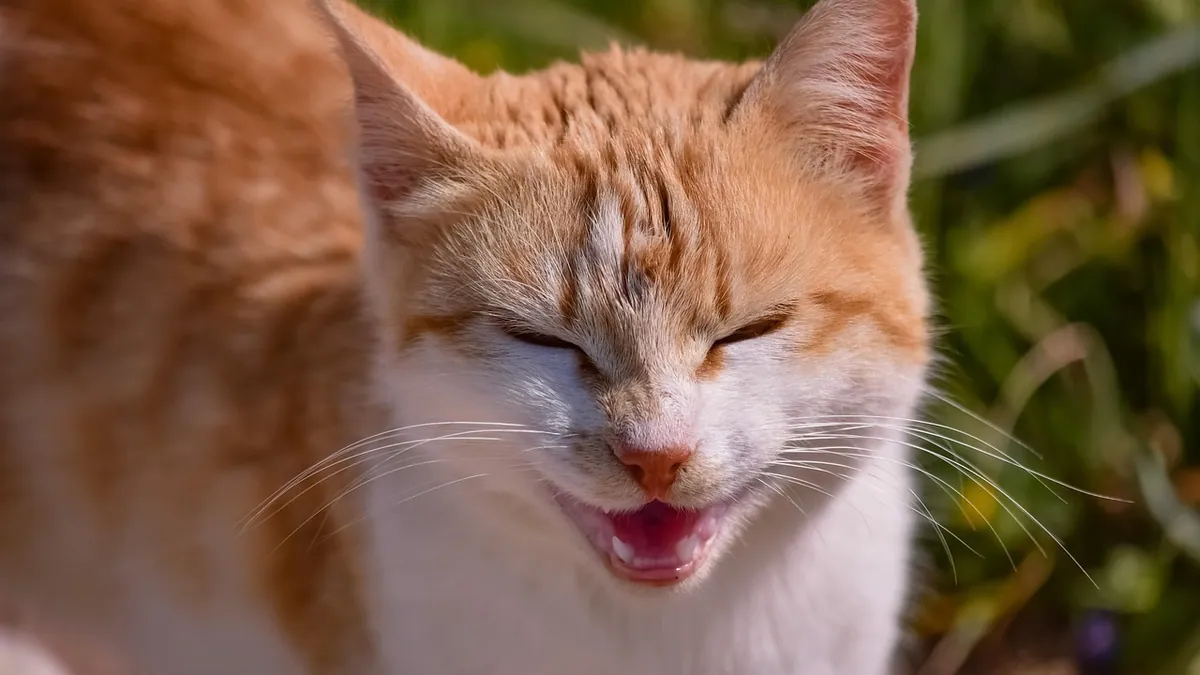
A cat not able to meow properly usually has some kind of problem affecting the voice box, the airway, or the nerves and muscles that control sound. Many cases are mild and pass in a few days, but a sudden loss of voice combined with breathing trouble or a change in behavior can point to something serious. This article is educational and is not a substitute for veterinary diagnosis or treatment.
Quick Answer
- A hoarse or silent meow often means inflammation of the larynx (laryngitis), which is common after a respiratory infection or from irritants like smoke or dust.
- A kitten that cannot meow or has a very faint meow may simply have a small, still-developing voice, but a kitten that stops vocalizing and seems weak needs a same-day vet visit.
- Breathing changes (open-mouth breathing, noisy breathing, blue gums, or a stretched-out neck) are an emergency, not a wait-and-see problem.
- Do not give human medications, honey, or cough syrups to a cat. Some are toxic, and the dose depends on your cat's weight and health.
- Record a short video of the abnormal sound and note when it started, since your cat may sound normal again by the time you reach the clinic.
What a Normal Meow Sounds Like and What Changes to Watch For
A cat's meow is mostly a communication tool aimed at people. Adult cats do not meow at each other, though kittens meow to tell their mother they are cold or hungry [1]. That is why a change in your cat's meow can be so noticeable. You know your cat's normal voice, and you will likely hear the difference before anyone else does.
Owners describe the problem in a few ways:
- A raspy, hoarse, or crackly meow
- A squeak where a full meow used to be
- A silent meow, where the mouth opens but little or no sound comes out
- A meow that cuts off partway through
- Complete loss of voice for a period of time
Some cats also yowl, which is a longer, more drawn-out sound. Adult cats yowl at each other during breeding season, and some breeds, especially Siamese, meow and yowl far more than others [1]. If your cat has always been talkative, a quiet day may mean nothing. If your cat has always been quiet and suddenly starts vocalizing oddly, that is worth a closer look. Excessive vocalization can also be a sign of stress or discomfort, and cats showing behaviors like isolation and excessive vocalization have had higher cortisol levels in research settings [2].
Main Causes of a Cat Not Being Able to Meow Properly
The table below groups the common causes by what you are likely to notice and how quickly you should act.
| Cause | Typical clues | How urgent |
|---|---|---|
| Laryngitis (inflammation of the voice box) | Hoarse or lost meow after a cold, coughing, sneezing, or exposure to smoke or dust | Usually routine, but same-day if breathing changes |
| Upper respiratory infection | Runny nose, watery eyes, sneezing, reduced appetite, fever | Routine to same-day depending on appetite and energy |
| Hairball or throat irritation | Retching, gagging, swallowing hard, occasional coughing | Routine unless breathing is affected |
| Laryngeal paralysis | Loud raspy breathing, especially on inhale, exercise intolerance, voice change | Emergency |
| Laryngeal or airway mass | Slowly worsening voice change, noisy breathing, weight loss, trouble swallowing | Urgent, same-day to emergency |
| Nerve or brain problem | Voice change plus head tilt, wobbling, weakness, or behavior change | Emergency |
| Overuse or stress-related vocalizing | Long bouts of meowing or yowling, often at night or around breeding behavior | Routine, but worth a vet visit |
Laryngitis and Upper Respiratory Infections
Laryngitis means the tissues of the larynx are swollen. The larynx sits at the top of the windpipe and holds the vocal cords, so when it swells, the voice changes. Viral and bacterial upper respiratory infections are a common trigger in cats, and so are irritants such as cigarette smoke, aerosol sprays, and dusty litter. In a review of cats that needed a temporary breathing tube placed through the neck, inflammatory or infectious laryngitis was the most common underlying disease, found in 8 of 24 cats (33%) [3]. That tells you laryngitis can range from mild to severe enough to block the airway.
Hairballs and Throat Irritation
A hairball passing through the throat can scratch and irritate the area, leaving your cat with a rough voice for a day or two. Frequent retching and gagging without producing a hairball can also look like a voice problem. If your cat is eating, drinking, and breathing normally, this is usually the mildest category. If the retching continues or your cat seems uncomfortable, have your vet check.
Laryngeal Paralysis
Laryngeal paralysis means the muscles that open the airway do not work correctly, so the opening stays partly closed. It is uncommon in cats but can be life-threatening because it causes upper airway obstruction [4]. Cats with this condition often breathe loudly, tire quickly, and may have a changed or lost meow. In a report of eight cats with laryngeal paralysis, all of them arrived with severe difficulty breathing and noisy inhalation and did not improve with medical treatment, so they needed emergency surgery [4]. This is the clearest example of why breathing signs outrank voice signs.
Masses, Polyps, and Growths
Growths in the larynx or throat can change the voice over weeks. Laryngeal neoplasia was the second most common reason for a temporary tracheostomy in one group of cats, affecting 6 of 24 (25%) [3]. These cases tend to get worse slowly instead of improving. Weight loss, trouble swallowing, and a meow that keeps getting weaker all point toward a need for imaging and a look down the throat.
Nerve, Brain, and Whole-Body Problems
Sometimes the voice change is a side effect of a problem elsewhere. One young cat with a subcutaneous tumor developed a wobble, a head tilt, and abnormal eye movement, then later began vocalizing abnormally and became less responsive [5]. That is an extreme example, but it shows that vocal changes can travel with neurologic signs. Any voice change plus stumbling, head tilt, or confusion is an emergency.
Kitten-Specific Reasons
A kitten not able to meow is often a different situation than an adult cat losing its voice. Very young kittens have small, high-pitched voices that change as they grow, so a squeaky or faint meow can be normal. The concern is a kitten that stops meowing, seems weak, refuses to eat, or breathes with effort. Kittens get sick fast, so a same-day visit is the safer choice when a kitten's voice or energy changes.
Red Flags That Mean an Emergency
Call an emergency clinic right away if you see any of these:
- Open-mouth breathing or panting at rest
- Loud, raspy, or whistling breathing, especially on the inhale
- A stretched-out neck with the head held low while breathing
- Blue, gray, or pale gums and tongue
- Collapse, extreme weakness, or a cat that will not stand
- Gagging that turns into gasping
- A voice change along with a head tilt, circling, or seizures
Upper airway obstruction can kill a cat quickly, and cats with severe laryngeal disease may need emergency surgery to open the airway [4]. Do not wait to see if it improves overnight.
Safe Things You Can Do at Home While You Wait
Home care is about comfort and observation, not treatment. Try these steps:
- Keep the air clean. Stop smoking indoors, skip aerosol sprays and scented candles, and use low-dust litter.
- Run a cool-mist humidifier in the room where your cat rests. Moist air can soothe irritated tissue.
- Offer soft, wet food and fresh water. A sore throat can make dry kibble uncomfortable.
- Keep your cat indoors and quiet. Rest helps, and staying inside prevents more irritants and injuries.
- Watch breathing at rest. Count breaths for 15 seconds and multiply by four. Normal resting rates are usually under about 30 breaths per minute, but any obvious effort is the real warning sign.
- Record the sound. A short video helps your vet hear what you heard.
Do not give human cough drops, honey, antihistamines, or leftover pet medications. Some of these are toxic to cats, and dosing must be calculated by a veterinarian based on your cat's weight and health.
If your cat's main issue is constant crying instead of a lost voice, our guide to cat excessive meowing can help you sort out behavior from medical causes. If the vocalizing comes with restless pacing, see Why Is My Cat Pacing and Meowing? Anxiety or Medical Issue?.
What Your Veterinarian Will Check and Test
Your vet will start with the basics: weight, temperature, heart rate, and a careful listen to the chest and throat. They will watch your cat breathe at rest and may gently feel the neck for lumps or tenderness.
Next steps often include:
- A look at the mouth and throat. This may require light sedation so the vet can see the larynx and watch the vocal cords move. Direct visualization of laryngeal motion under light anesthesia is how laryngeal paralysis is confirmed [4].
- Blood work. A complete blood count and chemistry panel help find infection, inflammation, or organ problems.
- Imaging. X-rays or a CT scan can show masses, fluid, or airway narrowing.
- A respiratory panel or swab. This checks for common infectious causes.
- A hormone test in selected cases. If your spayed cat shows breeding behavior with unusual vocalizing, your vet may measure anti-Müllerian hormone and progesterone. In one report, a 2-year-old spayed cat with cyclical vocalization had a small piece of ovarian tissue found and removed [6].
Treatment depends on the cause. Mild laryngitis may need only rest, humidity, and time. Infections may need antibiotics or antiviral support. Severe airway blockage may need oxygen, a temporary breathing tube, or surgery. In one review of 24 cats with temporary tracheostomy tubes, 14 (58%) survived to discharge, which shows that even serious airway cases can have good outcomes with fast care [3].
Prevention and Monitoring
You cannot prevent every voice problem, but you can lower the odds and catch changes early.
- Keep vaccinations current and limit contact with sick cats, since respiratory infections are a common cause of laryngitis.
- Control indoor air quality. Smoke, strong cleaners, and dusty litter all irritate the throat.
- Brush your cat regularly to reduce hairball buildup, and talk to your vet about hairball management if your cat is prone to them.
- Track your cat's normal voice. A weekly check-in helps you notice small changes.
- Watch for patterns. If the hoarseness comes and goes, note the timing, since cyclical signs can point to hormone-related issues [6].
- Manage stress. Enriched indoor spaces with hiding spots, vertical space, and scratching areas support lower stress, and stress can show up as changes in vocalizing [2].
If your cat has other symptoms alongside the voice change, our guides on why your cat is limping, why your cat is so itchy, and a cat not pooping but eating normally can help you decide how quickly to act.
Limitations and When to Contact a Veterinarian
No article can tell you what is wrong with your specific cat. A veterinarian needs to see and hear your cat to make a diagnosis. Individual cases vary, and only your vet can decide on tests and treatment.
Use these timing rules:
- Emergency now: open-mouth breathing, noisy breathing, blue gums, collapse, or a voice change with neurologic signs. Go to an emergency clinic immediately.
- Same day: a kitten that stops meowing or seems weak, a cat that cannot swallow, a cat with a new lump in the neck, or a voice change that appeared suddenly with coughing or gagging.
- Routine visit within a few days: a hoarse meow with no breathing trouble, especially if it lasts more than 48 hours or keeps coming back.
When in doubt, call your vet's office and describe what you are seeing. A phone call costs nothing and can save critical time.
Frequently Asked Questions
Can a cat lose its voice temporarily?
Yes, a cat can lose its voice for a short time, most often from laryngitis or a respiratory infection. Mild cases often improve within a few days with rest and clean air. If the voice does not return, or if breathing changes at all, see your vet.
Why can my kitten not meow?
A kitten may not meow because its voice is still developing, or because it has a sore throat from an infection. A faint or squeaky meow can be normal in a very young kitten. A kitten that is quiet, weak, or not eating needs to be seen the same day.
Is a silent meow a sign of something serious?
A silent meow can be harmless, since some cats open their mouths with little sound as a greeting. It becomes a concern when it is new, when it replaces a voice your cat used to have, or when it comes with breathing effort or a change in appetite.
Can hairballs cause a hoarse meow?
Yes, a hairball passing through the throat can irritate the tissue and leave a raspy voice for a day or two. If the hoarseness lasts longer, or if your cat keeps retching without bringing anything up, have your vet take a look.
Should I wait to see if my cat's voice comes back?
You can wait 24 to 48 hours if your cat is eating, drinking, and breathing normally. Do not wait if you see breathing changes, gagging, weakness, or a kitten that seems unwell. Those signs need care right away.
Related Articles
- Why Is My Cat Pacing and Meowing? Anxiety or Medical Issue?
- Cat Excessive Meowing: What Is Your Cat Trying to Say?
- Why Is My Cat Limping?
- Why Is My Cat So Itchy?
- Cat Not Pooping but Eating Normally: Causes and When to Help
- Cat Struggling To Cough Up Hairball
- Cat Not Meowing Anymore: Causes and When to Worry
- Why Do Kittens Meow? Normal Meowing and Silent Meows
- My Kitten Doesn't Meow: Is That Normal?
References
- Meowing and Yowling. ASPCA Animal Poison Control Center.
- Stress in Indoor and Outdoor Cats: Association between Hair Cortisol Levels, Housing Style, and Guardians' Perceptions of Behavior. Journal of applied animal welfare science : JAAWS, 2026.
- Complications and outcomes of temporary tracheostomy in 24 cats. The Journal of small animal practice, 2026.
- Transoral Endoscopic-Assisted Partial Arytenoidectomy as a Treatment for Laryngeal Paralysis in Eight Cats. Animals : an open access journal from MDPI, 2026.
- Vestibular syndrome associated with subcutaneous hemangiosarcoma in a cat. Topics in companion animal medicine, 2026.
- Ovarian remnant syndrome in a 2-year-old cat with inconclusive diagnostics. JFMS open reports, 2026.