Bloated Belly in Dogs: Causes of a Distended Abdomen
By Dr. Zubair Khalid, DVM, MS, PhD ·
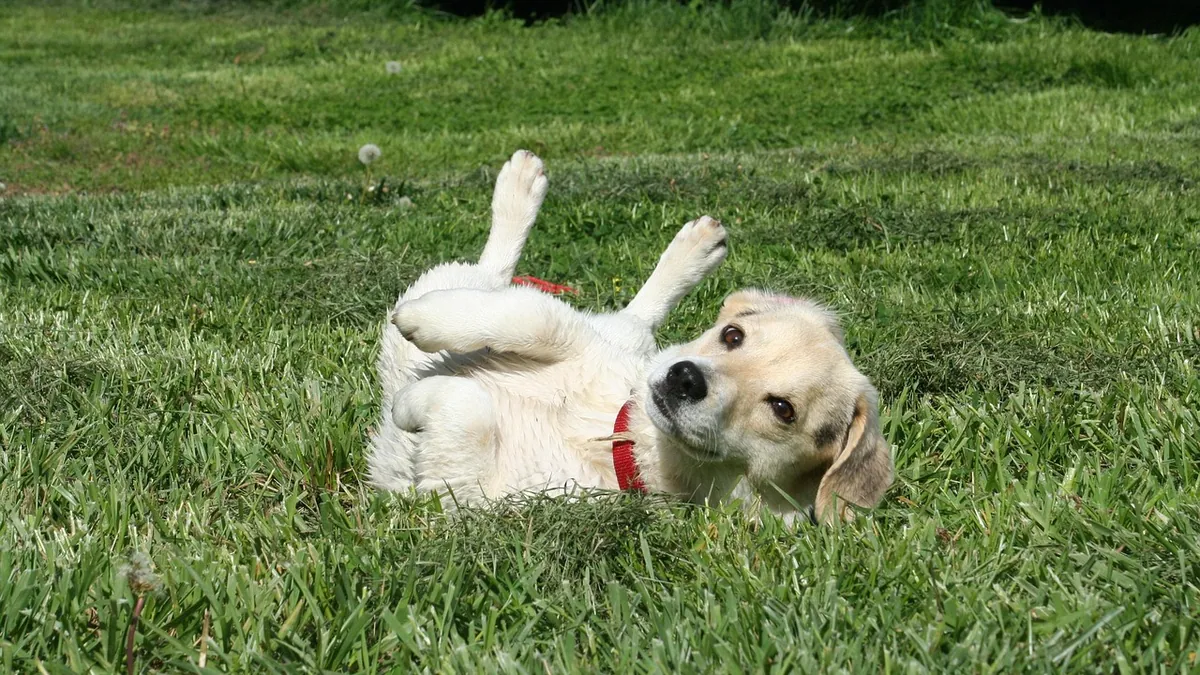
A bloated belly in dogs means the abdomen looks larger, tighter, or rounder than usual. Sometimes it is just gas or a full stomach after a big meal, and sometimes it signals fluid, a mass, or a twisted stomach that needs surgery right away. The difference usually comes down to how fast it happened, how the belly feels, and whether your dog is acting sick.
This article is educational and is not a substitute for veterinary diagnosis or treatment.
Quick Answer
- A soft, mildly round belly after a large meal in a happy, playful dog is often harmless and settles within a few hours.
- A belly that looks swollen and feels tight like a drum, especially with unproductive retching or pacing, is an emergency. Call your veterinarian or an emergency clinic now.
- Sudden swelling with vomiting, pain when you touch the belly, or collapse points to serious causes such as bloat with torsion, fluid, or peritonitis.
- Do not wait to "see if it passes" when the swelling came on fast or your dog seems uncomfortable.
- Never give human gas medications, pain relievers, or food and water by mouth during a suspected bloat episode without veterinary direction.
What a Bloated Belly in Dogs Looks Like and What Is Normal
A distended belly in dogs shows up as a visibly wider or lower-hanging abdomen. The skin may look stretched, and the outline from the ribs to the hips may lose its usual tuck. Some owners notice the change in published veterinary research, when the waist disappears, or from the side, when the belly hangs lower than normal.
Normal, harmless fullness has a few features. It comes on slowly over the day, often after a big meal or a lot of swallowed air. The belly feels soft and doughy, not tight. Your dog still wants to eat, play, and go for walks. There is no vomiting, no pacing, and no pain when you gently press the sides of the abdomen.
A distended belly in dogs that is not normal tends to come on fast, feel firm or tense, and come with other signs. Your dog may stand with the front legs spread and the back arched. Some dogs pace and cannot settle. Others lie down and refuse to move. Any of these changes mean the belly is a symptom, not just a full stomach.
Main Causes of a Big Belly in Dogs
The list of causes is long, so veterinarians sort them into groups: gas or fluid in the stomach, gas or fluid in the abdomen, masses, and hormonal or organ changes. The table below covers the most common and most serious causes.
| Cause | Typical clues | How urgent |
|---|---|---|
| Simple gas or overeating | Soft belly, came on after a meal, dog acts normal | Monitor at home, call if it worsens |
| Gastric dilatation and volvulus (bloat with torsion) | Tight drum-like belly, unproductive retching, pacing, drooling, collapse | Emergency now |
| Fluid in the abdomen (ascites) | Slow swelling, belly feels like a water balloon, weight loss, weakness | Same-day to urgent visit |
| Abdominal mass or tumor | Gradual swelling, sometimes a firm lump, weight loss, appetite changes | Urgent visit |
| Peritonitis or abscess | Painful belly, fever, vomiting, lethargy, history of recent illness | Emergency now |
| Intestinal obstruction | Vomiting, no stool, decreased appetite, belly discomfort | Emergency or same-day |
| Parasitic infection in the abdomen | Slow distension, weight gain or loss, poor appetite | Urgent visit |
| Hormonal or organ disease | Gradual swelling, changes in thirst, urination, or coat | Routine to urgent visit |
| Testicular torsion in a retained testicle | Acute pain, palpable mass, vomiting, inappetence | Emergency surgery |
Bloat With Torsion (GDV)
Gastric dilatation and volvulus is the cause owners fear most, and for good reason. The stomach fills with gas and twists on its own ligaments, which traps the gas and cuts off blood flow. One study of companion dogs in the United States found a lifetime prevalence of 0.23 percent and an incidence of 1.74 cases per 1,000 dog years at risk [1]. Dogs at higher odds included purebreds, males, dogs over 40 kg (about 88 pounds), dogs with a low body condition score, and Poodles or Poodle mixes [1]. Fearful or anxious behavior did not raise the odds in that study [1].
A recent case report described a 7-year-old spayed female bloodhound with a distended abdomen and mild discomfort in the front part of the belly. X-rays showed a gas-filled stomach with the pylorus pushed up and to the right, and surgery confirmed gastric dilatation and volvulus [2]. That dog survived to discharge after the stomach was untwisted and a gastropexy was performed [2]. This is the outcome we want, and it depends on speed.
Fluid, Masses, and Infection
Fluid that collects in the abdomen, called ascites or peritoneal effusion, makes the belly look and feel like a water balloon. It can come from heart disease, liver disease, cancer, or severe inflammation. A young Blue Heeler in Australia was seen for abdominal distension and weight gain, and ultrasound found many small cysts floating in a large volume of fluid. Testing confirmed a rare parasitic infection called proliferative sparganosis, and the dog declined despite treatment [3]. This is uncommon, but it shows why fluid in the belly always needs a real diagnosis.
Infection inside the abdomen is another serious cause. A 14-month-old Cane Corso was brought in with three days of not eating, vomiting, and belly pain. Imaging found a mesenteric abscess with fluid in the abdomen, and surgery confirmed an abscess with septic peritonitis [4]. Bacteria including Escherichia coli and Enterococcus faecium were cultured from the fluid [4]. Abscesses and peritonitis are painful and can progress quickly.
Masses can also enlarge the belly. In cryptorchid dogs, a testicle that never descended can twist inside the abdomen. A case series described six dogs with this problem, and signs included sudden belly pain, a palpable abdominal mass, not eating, and vomiting [5]. Four of the six had testicular tumors, and surgery was curative in five of the six dogs [5]. If your male dog was never neutered or had only one testicle removed, this is a reason to mention it to your veterinarian.
Digestive and Hormonal Causes
Some causes of a big belly in dogs are chronic instead of sudden. Exocrine pancreatic insufficiency happens when the pancreas does not make enough digestive enzymes. A study of 50 dogs with this condition found higher serum levels of primary and total bile acids compared with control dogs, which suggests changes in bile acid handling [6]. These dogs often have poor weight despite a good appetite, and they can look potbellied from gas and poor digestion.
Intestinal disease can also change the belly. When the colon is damaged by inflammation, parasites, or other causes, it cannot do its usual jobs of balancing fluid and salts, absorbing nutrients, and holding stool, and diarrhea often follows [7]. Long-standing gut disease can leave a dog thin with a bloated-looking middle.
Red Flags That Make It an Emergency
Call an emergency clinic right away if you see any of these:
- A belly that is tight, hard, or drum-like
- Unproductive retching, where your dog tries to vomit but nothing comes up
- Pacing, restlessness, drooling, or an arched back
- A sudden increase in belly size over minutes to hours
- Collapse, weakness, pale gums, or trouble breathing
- Severe pain when the belly is touched
- Vomiting with a belly that keeps getting bigger
These signs fit bloat with torsion, peritonitis, or another surgical emergency. Minutes matter. Do not wait for an appointment tomorrow.
Safe Things You Can Do at Home While You Wait
If your dog is bright, comfortable, and the belly is soft, you can watch closely for a few hours. Keep meals small and skip intense exercise right after eating. Note the time the swelling started and take a photo so you can compare later.
If you suspect bloat, do not do any of these:
- Do not give food or water by mouth
- Do not give human gas medicine, antacids, or pain pills
- Do not press hard on the belly
- Do not try to make your dog vomit
- Do not wait to see if it passes
Instead, call your veterinarian or the nearest emergency hospital and describe exactly what you see. Keep your dog calm and quiet. If your dog collapses or has trouble breathing, go now.
For more on how a hard, swollen belly differs from simple fullness, see Why Is My Dog's Stomach So Bloated And Hard and Dog Swollen Stomach Bloat.
What Your Veterinarian Will Check and Test
Your veterinarian starts with the history: when the swelling began, what your dog ate, whether there was vomiting, and whether your dog has been spayed or neutered. Then comes a full physical exam, including gentle palpation of the abdomen and a check of gum color, heart rate, and breathing.
Next steps often include:
- X-rays of the abdomen, which can show a gas-filled stomach, a displaced pylorus, or decreased detail from fluid [2][4]
- Ultrasound, which can find fluid, masses, abscesses, or cysts [3][4]
- Blood work, including a complete blood count and chemistry panel
- A heartworm test, since heart disease can cause fluid buildup [2]
- Tests for pancreatic function if chronic weight loss and a potbelly are present [6]
- CT in some cases, which can show a "whirl sign" in testicular torsion and help plan surgery [5]
Treatment depends on the cause. Bloat with torsion needs surgery to untwist the stomach, plus a gastropexy to tack it in place [2]. Abscesses and peritonitis need surgery, abdominal lavage, and antibiotics chosen from culture results [4]. Fluid from heart or liver disease is managed with medication and diet. Your veterinarian will calculate any drug dose from your dog's weight and health, so never use a dose from the internet.
If you are still sorting out what could be behind a swollen middle, these articles walk through more causes: What Would Cause A Dogs Stomach To Swell and Dog Swollen Stomach Causes.
Prevention and Monitoring
You cannot prevent every cause of a distended belly, but you can lower some risks and catch problems early.
- Feed two or three smaller meals instead of one large meal each day.
- Avoid vigorous exercise right after eating.
- Keep your dog at a healthy body condition. A low body condition score was linked to higher odds of bloat in one large study [1].
- Ask your veterinarian about preventive gastropexy if you have a high-risk breed such as a Poodle or Poodle mix, a large or giant breed dog, or a male dog [1].
- Neutered male dogs have no testicular torsion risk. If your dog has a retained testicle, discuss removal with your veterinarian [5].
- Track your dog's weight and belly shape monthly. A tape measure around the widest part of the belly can show slow changes you might otherwise miss.
- Bring up any chronic diarrhea, weight loss, or poor coat at routine visits, since gut and pancreatic disease can change the belly over time [7][6].
Limitations and When to Contact a Veterinarian
This article cannot tell you what is causing your dog's belly. Only a veterinarian who examines your dog can do that, and individual cases always need a professional assessment.
Use these timing guides:
- Emergency now: tight or drum-like belly, unproductive retching, collapse, trouble breathing, severe pain, or rapid swelling.
- Same day: vomiting, not eating, lethargy, or a belly that grew over hours.
- Routine visit: slow swelling over weeks, mild changes in appetite, or a potbelly with weight loss.
When in doubt, call. A phone call costs nothing and can save your dog's life.
Frequently Asked Questions
Should I worry about a bloated belly in my dog?
It depends on how fast it appeared and how your dog acts. A soft belly after a big meal in a playful dog is usually harmless. A tight belly with retching, pacing, or pain is an emergency, so call your veterinarian right away.
Can a bloated belly in dogs go away on its own?
Simple gas often passes within a few hours, especially after a walk and a rest. Swelling from fluid, masses, torsion, or infection does not resolve on its own and gets worse without treatment. If the belly is firm or your dog seems sick, do not wait it out.
Why does my dog look pregnant with a big belly?
A potbellied look can come from gas, fluid, a mass, or poor digestion from pancreatic or intestinal disease. In an unspayed female, pregnancy is also possible. Your veterinarian can tell the difference with an exam and imaging.
Is bloat the same as a bloated belly?
No. Bloat, or gastric dilatation and volvulus, is a specific emergency where the stomach fills with gas and twists. A bloated belly is a broader sign that includes harmless fullness and many other conditions. Only a veterinarian can tell which one your dog has.
Can I give my dog anything at home for a swollen belly?
Do not give human gas medicine, antacids, or pain relievers without veterinary direction. Some of these drugs are toxic to dogs, and masking pain can delay care. Call your veterinarian for advice, and go to an emergency clinic if any red flags are present.
Related Articles
- Why Is My Dog's Stomach So Bloated And Hard
- What Would Cause A Dogs Stomach To Swell
- Dog Swollen Bloated Stomach
- Dog Swollen Stomach Causes
- Dog Swollen Stomach Bloat
- Why Is My Dog whimpering when touched on belly? Pancreatitis and Peritonitis Signs
- Twisted Stomach in Dogs: Signs, Causes, and Emergency Care
- What Causes a Dog's Stomach to Flip? GDV Explained
- Stomach Blockage in Dogs: Symptoms, Causes, and When to Worry
References
- Gastric dilatation-volvulus is associated with Poodle breeds, increased body size, and male sex, but not primary diet type or anxiety in the Dog Aging Project cohort. Journal of the American Veterinary Medical Association, 2026.
- Gastric Dilatation and Volvulus and Heartworm Disease in a Dog With Situs Inversus. Veterinary radiology & ultrasound : the official journal of the American College of Veterinary Radiology and the International Veterinary Radiology Association, 2026.
- Proliferative Sparganosis Due to Spirometra mansoni in a Dog: A Detailed Diagnostic Picture. Veterinary medicine and science, 2026.
- Mesenteric Abscess Complicated by Septic Peritonitis in a Dog: Multimodal Diagnosis, Surgical Management, and Serial Quantitative Bacterial Load Monitoring. Veterinary sciences, 2026.
- Computed Tomographic Features of Intra-Abdominal Testicular Torsion in Cryptorchid Dogs. Veterinary radiology & ultrasound : the official journal of the American College of Veterinary Radiology and the International Veterinary Radiology Association, 2026.
- Serum Bile Acid Concentrations in Dogs with Exocrine Pancreatic Insufficiency. Animals : an open access journal from MDPI, 2026.
- Disorders of the Stomach and Intestines in Dogs - Dog Owners. Merck Veterinary Manual.