Why Is My Rat Chattering? Teeth Chattering Explained
By Dr. Zubair Khalid, DVM, MS, PhD ·
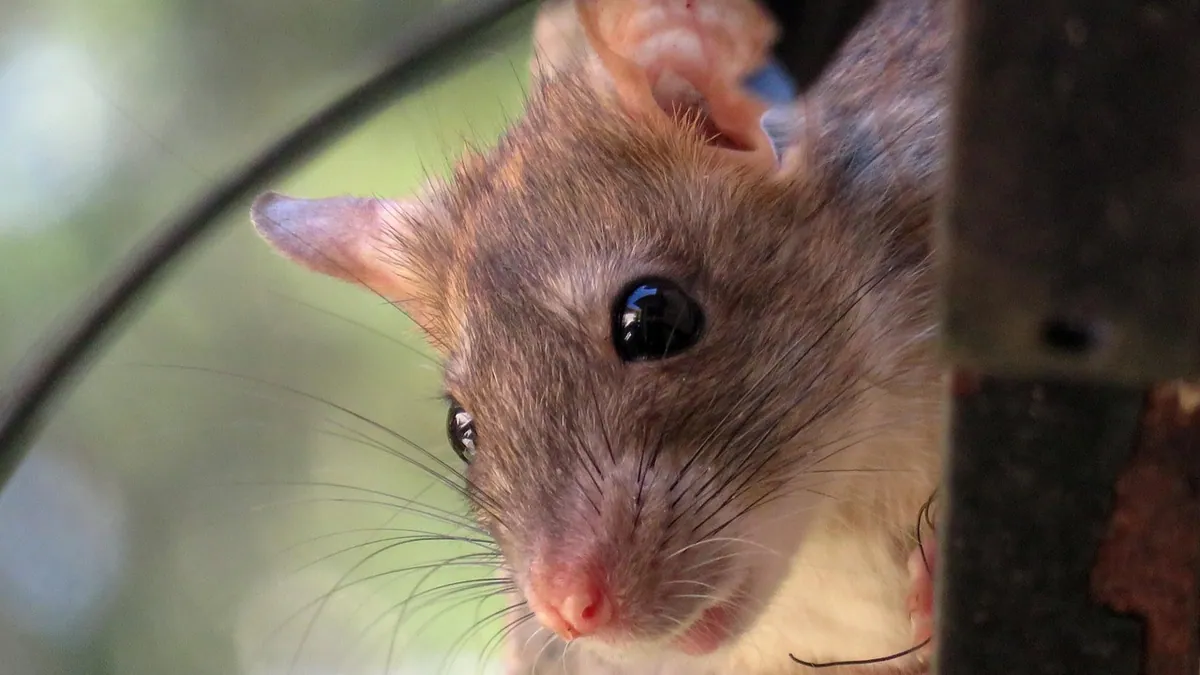
Why is my rat chattering? In most cases, a rat chattering its teeth is a normal sound. Rats grind their incisors together to wear them down, and they also chatter when they are relaxed, excited, or mildly annoyed. The meaning depends on the rest of your rat's body language and the situation.
This article is educational and is not a substitute for veterinary diagnosis or treatment.
Quick Answer
- Soft, slow chattering with a relaxed body, squinty eyes, or bruxing (a grinding motion of the jaw) usually means your rat is content.
- Loud, fast chattering with stiff posture, flattened ears, or a puffed coat usually means annoyance, fear, or stress.
- Chattering paired with drooling, pawing at the mouth, weight loss, or trouble eating points to a dental or mouth problem and needs a vet visit.
- Rats use ultrasonic vocalizations that humans cannot hear, so some "chattering" you notice may be part of a much larger sound repertoire tied to mood [1].
- Never punish a rat for chattering. Change the environment or handling instead, and call a veterinarian if the behavior is new, sudden, or comes with other symptoms.
Why Do Rats Chatter Their Teeth?
Normal reasons: contentment and self-care
Rats have open-rooted incisors that grow continuously. To keep those teeth at a healthy length, rats grind them against each other. This grinding is often called bruxing. When a rat is relaxed, being petted, or settling in for a nap, the grinding can become rhythmic and audible as a soft chatter. Many owners describe this as a happy sound, and in a calm, comfortable rat it usually is.
Rats also chatter during positive anticipation. They produce 50-kHz ultrasonic vocalizations in social and rewarding situations, and the "trill" subtype appears to reflect positive affect [1]. You cannot hear most of these calls, but the jaw movements that go with them can look and sound like chattering to you.
Normal reasons: annoyance and warning
Chattering is not always happy. A rat that is startled, handled roughly, or woken up may chatter loudly and quickly. This is a warning signal. The Merck Veterinary Manual notes that a rat which rears up to face your approaching hand is more likely to bite, so slow, gentle handling matters [2]. If your rat chatters while rearing, stiffening, or backing into a corner, treat it as a request for space.
The social side of rat sounds
Rats are highly social, and their vocal exchanges happen fast. In freely behaving pairs, researchers found that rats trade vocalizations in intervals peaking around 50 to 250 milliseconds, which is faster than would be expected if each rat were simply vocalizing on its own [3]. In plain terms, your rat is having a conversation with its cagemate, and some of that conversation involves jaw and mouth movements you may notice as chattering.
Rats also have distinct calls for threat and distress. Aversive 22-kHz calls function as a cue of potential threat, and playback of these calls increases anxiety-like behavior in rats [4]. If your rat is chattering in a tense situation, it may be producing or responding to this kind of alarm signal.
Medical Causes to Rule Out
Dental disease and malocclusion
The most common medical reason for persistent or unusual chattering is a problem with the teeth. Rat incisors grow throughout life, and if they do not wear evenly, they can overgrow, crack, or develop sharp points. That causes pain, drooling, dropping food, and increased grinding. A rat with dental pain may chatter more, not less, because the jaw motion is an attempt to relieve discomfort. If you see drooling, weight loss, or a rat that wants to eat but cannot, book a veterinary exam. You can read more about this in Pet Rat Dental Malocclusion: Examination, Trimming, and Nutritional Management.
Pain anywhere in the body
Rats are prey animals and hide pain well. Chattering can be one of the few visible signs. Look for a hunched posture, squinted eyes, a rough coat, reduced grooming, or reluctance to move. Any of these combined with chattering deserves a veterinary check.
Respiratory and oral problems
Upper respiratory disease is common in pet rats. A rat with nasal congestion may breathe through its mouth, which changes jaw position and can produce odd noises. Oral masses, abscesses, and foreign material stuck in the mouth can also cause chattering. A veterinarian can examine the mouth and airway properly.
Stress and environmental triggers
A new cage, a new pet, a move, or a loud household can push a rat into a stressed state. Chronic stress can show up as repetitive chattering, bar chewing, or over-grooming. Fixing the environment often fixes the behavior.
When Chattering Becomes a Problem
Chattering is a problem when it changes in character or comes with other signs. Ask yourself these questions.
- Is the chattering new, or has it gotten much louder or faster?
- Does your rat chatter even when resting quietly and alone?
- Is your rat eating, drinking, and grooming normally?
- Are there physical signs like drooling, weight loss, or labored breathing?
- Does the chattering stop when your rat is calm and comfortable?
If the chattering only happens during handling or after a scare, it is likely behavioral. If it happens constantly, or if your rat looks unwell, treat it as medical until proven otherwise.
What to Do: Step by Step
Step 1: Observe before you act
Watch your rat from a distance for a few minutes. Note the speed and volume of the chatter, the body posture, the ear position, and what is happening around the cage. Write it down if you can. Patterns are easier to spot when you have notes.
Step 2: Check the basics
Confirm that your rat has a balanced diet with appropriate hard food to wear the teeth, fresh water, a clean cage, and a quiet place to rest. Weigh your rat weekly on a small kitchen scale. A steady weight is reassuring. A drop of even a few grams matters in a small animal.
Step 3: Improve handling
Pick your rat up gently over the shoulders and support the body with your hand. Never lift a rat by the tip of its tail. Move slowly, and watch for a rat that rears up to face your hand, since that rat is more likely to bite [2]. If your rat chatters during handling, put it down gently and try again later with a treat. For more on reading rat body language, see Understanding Pet Rat Behavior: Bonding, Body Language, and Enrichment.
Step 4: Add enrichment
Boredom and stress drive repetitive behaviors. Provide hiding spots, tunnels, chew blocks, foraging toys, and daily out-of-cage time in a safe area. Rats are social, so keep them in compatible pairs or groups when possible. Social contact itself is rewarding for rats and shapes their vocal behavior [1][3].
Step 5: Reduce stressors
Move the cage away from loud appliances, barking dogs, and busy foot traffic. Introduce new pets slowly. Keep the room temperature stable. Give your rat a predictable routine for feeding, cleaning, and play.
Step 6: Track and follow up
If the chattering fades as your rat settles, you have your answer. If it persists for more than a few days, or if any physical sign appears, call your veterinarian.
What Not to Do
Do not punish your rat for chattering. Punishment increases fear and can make biting more likely. Do not flick the nose, spray water, or yell. These methods damage trust and do not teach your rat anything useful.
Do not assume chattering always means happiness. That is the most common myth, and it causes owners to miss pain. Context is everything.
Do not try to trim your rat's teeth at home. Incisor trimming requires proper instruments, restraint, and knowledge of the anatomy. A mistake can split a tooth or injure the mouth.
Do not ignore drooling or weight loss because your rat is still eating. Rats will eat through significant dental pain until they physically cannot.
When to Involve a Veterinarian or Behavior Professional
Call a veterinarian if the chattering is new, constant, or paired with any physical sign. Call a certified behavior professional if your rat shows fear-based aggression, bites during handling, or does not improve after you have addressed the environment and handling. A behavior consultant can help you build a step-by-step plan.
If you own other small pets, know that chattering is not unique to rats. Guinea pig teeth chattering often signals irritation or fear, and the same is true for hamsters. Rabbit teeth chattering can mean contentment when it is soft, but loud grinding in a rabbit often signals pain. If you are comparing species, Guinea Pig Squeaking Noise covers guinea pig sounds in more detail. The principle is the same across species: read the whole animal, not just the sound.
Limitations and When to Contact a Veterinarian
No article can tell you what your individual rat is feeling. A veterinarian who examines your rat in person can check the teeth, mouth, lungs, and weight, and can rule out pain or disease. Use the guidance below to decide how quickly to act.
Contact a veterinarian the same day if your rat is drooling, has swelling around the jaw or face, is dropping food, has lost weight, is breathing noisily, or has stopped grooming.
Go to an emergency clinic now if your rat is open-mouth breathing, gasping, limp, unresponsive, having seizures, bleeding from the mouth, or unable to close its mouth.
Schedule a routine visit if the chattering is new and persistent but your rat is otherwise eating, drinking, and active normally. A baseline dental and physical exam is a reasonable next step.
Frequently Asked Questions
Does teeth chattering in rats always mean they are happy?
No. Soft, slow chattering in a relaxed rat usually means contentment, but loud or fast chattering with a tense body means stress or annoyance. Pair the sound with posture, ear position, and the situation before you decide.
Can chattering be a sign of pain in rats?
Yes. Rats hide pain well, and chattering can be one of the few outward signs. If chattering comes with drooling, weight loss, a hunched posture, or trouble eating, see a veterinarian promptly.
Why does my rat chatter when I pet it?
Many rats chatter softly when petted because they are relaxed and enjoying the contact. If the chattering gets louder, faster, or comes with stiffening or pulling away, your rat wants you to stop, so pause and give it space.
Should I worry if my rat chatters at night?
Nighttime chattering is often normal because rats are most active after dark. Worry if the sound is new, constant, or paired with breathing changes, drooling, or a drop in appetite.
Can I stop my rat from chattering?
You cannot and should not stop normal chattering, since it is part of how rats communicate and maintain their teeth. You can reduce stress-related chattering by improving handling, enrichment, and the cage environment, and by having a veterinarian rule out dental or other medical causes.
Related Articles
- Understanding Pet Rat Behavior: Bonding, Body Language, and Enrichment
- Pet Rat Dental Malocclusion: Examination, Trimming, and Nutritional Management
- Understanding Pet Rat Behavior: Bonding and Socialization
- Why Is My Rat Grinding Her Teeth? Bruxism Explained
- Do Rodent Teeth Keep Growing? Rats, Hamsters, Guinea Pigs
References
- 50-kHz ultrasonic vocalization subtypes emitted by female rats anticipating same-sex social interaction. Physiology & behavior, 2026.
- Special Considerations for Rats - All Other Pets. Merck Veterinary Manual.
- Rapid inter-individual vocal interactions in freely behaving rats revealed by acoustic source localization. Behavioural brain research, 2026.
- Aversive 22-kHz ultrasonic vocalization playback reveals differences in affective (dys)function following early life adversity in male and female juvenile rats. Behavioural brain research, 2026.