Why Is My Rabbit Making a Nest? Nesting Explained
By Dr. Zubair Khalid, DVM, MS, PhD ·
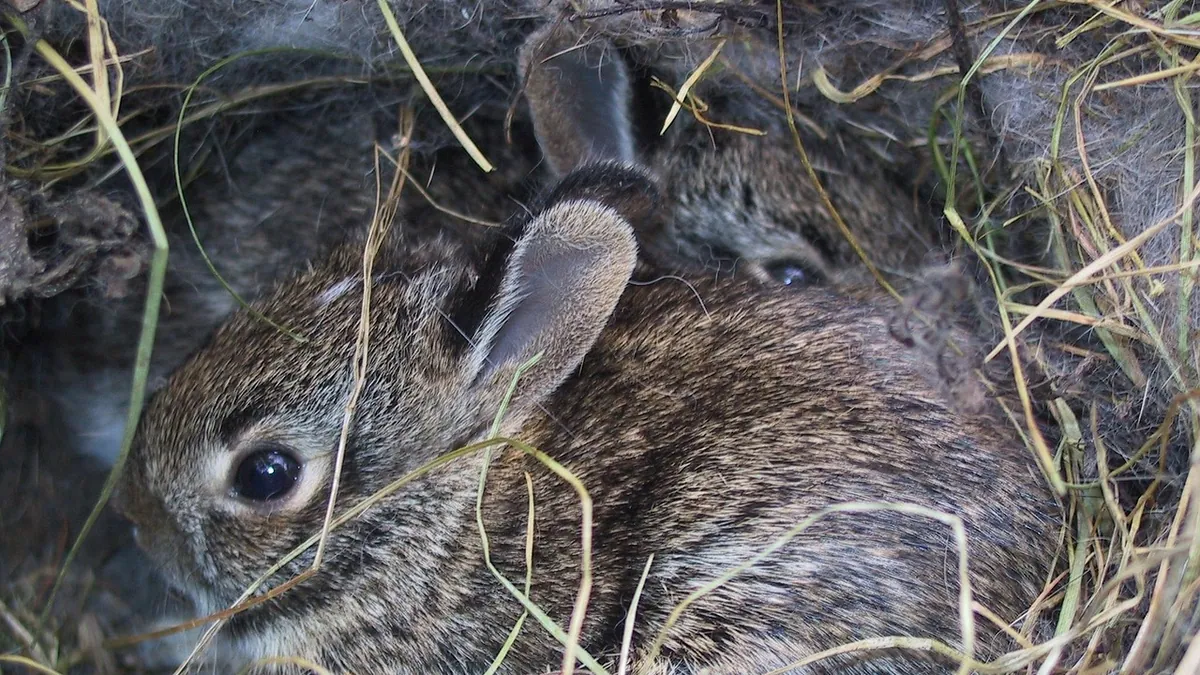
If your rabbit is piling up hay, shredding paper, and pulling fur from her belly, she is doing what rabbits are wired to do. A rabbit making a nest is usually a doe preparing a safe, warm place for babies, and it can happen even when no male rabbit has ever been near her. The behavior is normal, but it means something different depending on whether she is pregnant, having a false pregnancy, or simply responding to hormones and instinct.
This article is educational and is not a substitute for veterinary diagnosis or treatment.
Quick Answer
- Nesting is most common in unspayed female rabbits, and it is driven by hormones, not by choice or mood.
- A false pregnancy is the most likely explanation if she has not been with a male rabbit in the past month.
- A pregnant doe usually kindles (gives birth) about 28 to 31 days after mating, so timing matters when you are trying to figure out what is going on.
- Leave the nest alone. Do not remove the fur, hay, or shredded material, and do not handle or move newborns.
- Spaying your rabbit prevents repeated false pregnancies and lowers the risk of uterine problems later in life.
Why Is My Rabbit Making a Nest? Normal Reasons First
Nest building is an innate behavior, meaning rabbits do it without being taught. In the wild, a nest gives young animals a secure place for warmth, sleep, and protection from predators [1]. For a domestic doe, that same drive shows up as gathering hay, straw, shredded paper, blankets, or anything soft she can carry in her mouth.
Hormones drive the behavior
Nest building is tied to shifting hormone levels. A drop in progesterone and a reduction in progesterone receptor activity are what trigger a doe to start collecting nest material [2]. This is why the behavior can appear suddenly and intensely, even in a rabbit that has never been bred. Her body is following a script that does not require a male rabbit to be present.
What rabbits use to make a nest
Most does use whatever is available. Common materials include hay, straw, shredded paper, cardboard bits, and fabric. Many does also pull fur from their chest, belly, and flanks and line the nest with it. The fur serves as insulation and gives the nest a distinct smell that helps newborns find their way to the doe for nursing.
Pregnant rabbit nesting
If your doe was with an intact male rabbit, assume she is pregnant until proven otherwise. Pregnancy in rabbits is short, and a pregnant doe typically builds her nest in the last few days before kindling. She may become more territorial, grunt, or lunge when you reach into her enclosure. If you are expecting kits, read more about the timeline in Rabbit Gestation Period: What to Expect from Breeding to Kindling.
False pregnancy rabbit
A false pregnancy (also called pseudopregnancy) is a real hormonal event. The doe's body acts as if she is pregnant, and she may build a nest, pull fur, and become protective of it. She is not actually carrying kits. False pregnancies are common in unspayed does and can repeat every few weeks. The nest is real to her, even though there are no babies coming.
Medical Causes to Rule Out
Nesting itself is not a disease. However, a few health problems can look like nesting behavior or make it worse, so it helps to know what else to watch for.
Uterine and reproductive disease
Unspayed female rabbits are at risk for uterine problems as they get older. Signs can include blood in the urine, a swollen abdomen, straining to urinate, or a doe who seems uncomfortable. These signs are not the same as normal nesting, and they need veterinary attention.
Mammary issues
A doe who pulls fur and builds a nest may also have swollen or painful mammary glands, especially if she has had a false pregnancy. Check for redness, discharge, or lumps. Do not squeeze the glands. Let a veterinarian examine her.
Skin and parasite problems
If your rabbit is pulling fur because her skin is itchy, you may see bald patches, flakes, or redness. Fur pulling for a nest is usually neat and focused on the belly and chest. Fur loss from itching tends to be patchy and spread out. If you are unsure, have your veterinarian look at her skin.
Pain or stress
Any rabbit who is uncomfortable can act differently. A rabbit in pain may stop eating, sit hunched, grind her teeth, or hide. Nesting alone is not a sign of pain, but if it comes with these other signs, call your veterinarian.
When Nesting Becomes a Problem
Nesting is normal. It becomes a problem when it affects your rabbit's health or your household.
Repeated false pregnancies
Some unspayed does cycle through false pregnancies again and again. Each one can bring fur pulling, mood changes, and a nest you cannot clean up without upsetting her. Over time, this is stressful for both of you.
Fur pulling that goes too far
Most does pull a small amount of fur and stop. If your rabbit is pulling large patches, leaving bare skin, or making her skin raw, that is not normal nesting. Have her checked.
Aggression and guarding
A nesting doe may grunt, box, or bite when you reach toward the nest. This is normal protective behavior, but it can be a safety issue in a home with children. Give her space and let her settle.
Nesting in a rabbit who cannot be pregnant
If your doe has never been with a male rabbit and she is nesting, a false pregnancy is the likely cause. If she has been with a male, plan for kits. Either way, do not assume the nest is "nothing."
What to Do Step by Step
Step 1: Figure out the likely cause
Ask yourself three questions. Has she been with an intact male rabbit in the past month? Is she spayed? Has she done this before? Your answers point to pregnancy, false pregnancy, or a repeat hormonal cycle.
Step 2: Leave the nest in place
Do not remove the nest, the fur, or the bedding. If she is pregnant, the nest is where she will kindle and where the kits will stay warm. If she is having a false pregnancy, removing the nest can cause distress and she may rebuild it. Let her keep it.
Step 3: Provide safe nesting materials
Offer clean hay, shredded paper, or a plain cardboard box with a low entry. Avoid anything with strings, plastic, or small pieces she could swallow. Rabbits chew, so choose materials that are safe if ingested.
Step 4: Keep her environment calm
Give her a quiet, draft-free area away from loud noise and other pets. Rabbits are sensitive to heat and poor ventilation, and they do best indoors in a climate-controlled, well-ventilated space [3]. Long exposure to temperatures above 80°F (27°C) can make rabbits sick, and they do poorly below 50°F (10°C) [3]. If your rabbit is housed outside, move her inside during temperature extremes [3]. For more on setup, see Rabbit Housing: Indoor vs. Outdoor Hutches and Enrichment.
Step 5: Keep her eating and drinking
A nesting doe should still eat, drink, urinate, and pass normal droppings. If she stops eating or her droppings get small or stop, that is a medical concern. Call your veterinarian.
Step 6: Plan for spaying
If your doe is not intended for breeding, talk to your veterinarian about spaying. Spaying stops the hormonal cycles that drive false pregnancies and removes the uterus, which lowers the risk of uterine disease later. Your veterinarian can tell you the right timing based on her age and health.
Step 7: If kits arrive
If she kindles, leave the kits with her. Does nurse only once or twice a day, usually at night, so a doe who seems to ignore her kits may still be caring for them. Do not handle the kits unless a veterinarian tells you to. Keep the area warm, quiet, and clean.
What Not to Do
Do not punish her
Never yell at, hit, or spray your rabbit for nesting. She is following instinct, and punishment will only make her fearful and more stressed. Fear can lead to biting and other behavior problems.
Do not remove the nest to "stop" the behavior
Taking the nest away does not stop the hormonal drive. She will likely rebuild it, and the disruption adds stress. Leave it alone.
Do not assume she cannot be pregnant
Rabbits can mate quickly and quietly. If your doe has been with an intact male, even briefly, pregnancy is possible. Do not wait to "see what happens" if you are not prepared for kits.
Do not squeeze mammary glands or pull fur yourself
Do not try to express milk or remove fur. This can injure her and introduce infection. Let a veterinarian handle any mammary concerns.
Do not ignore signs of illness
Nesting is normal. Not eating, not pooping, bleeding, or struggling to breathe is not. Those signs need a veterinarian right away.
When to Involve a Veterinarian or Behavior Professional
Call your veterinarian if your rabbit stops eating, stops passing droppings, has blood in her urine, has a swollen or painful belly, or seems to be in pain. These can be signs of a medical problem that has nothing to do with nesting.
Call your veterinarian if the nesting behavior is extreme. Examples include pulling fur until the skin is bare or raw, constant nest building that never stops, or aggression that makes it unsafe to care for her.
If your rabbit is spayed and still nests, or if the behavior continues after spaying, ask your veterinarian about a referral to a veterinarian who focuses on behavior. A behavior professional can help you look at environment, enrichment, and stress in the home.
Limitations and When to Contact a Veterinarian
This article covers common patterns, but every rabbit is an individual. A veterinarian who examines your rabbit can tell you what is normal for her.
Contact a veterinarian the same day if your rabbit stops eating, stops passing droppings, has diarrhea, has blood in her urine, or seems painful when you touch her belly.
Seek emergency care now if your rabbit is struggling to breathe, has a bloated or hard abdomen, is collapsing, or is straining to give birth without producing kits.
Schedule a routine visit if your doe has repeated false pregnancies, if you are considering spaying, or if you want help telling pregnancy from a false pregnancy. A routine exam is also a good time to review housing, diet, and enrichment.
Frequently Asked Questions
Can a rabbit have a false pregnancy without a male rabbit?
Yes. A false pregnancy is a hormonal event, and it does not require a male rabbit to be present. The doe's body goes through the motions of pregnancy, including nest building and fur pulling, even though there are no kits.
How long does a false pregnancy last in a rabbit?
A false pregnancy usually runs a course similar to a real pregnancy, then fades on its own. During that time, your doe may guard the nest and act protective. If the behavior repeats often or seems to distress her, talk to your veterinarian about spaying.
Should I take the nest away from my rabbit?
No. Leave the nest in place. If she is pregnant, it is where she will kindle. If she is having a false pregnancy, removing it can upset her and she will likely rebuild it anyway.
How do I know if my rabbit is pregnant or just nesting?
The only reliable way to know is timing and veterinary evaluation. If she has been with an intact male rabbit, assume she is pregnant. If she has not, a false pregnancy is the likely cause. Your veterinarian can help you sort it out.
Can a spayed rabbit still make a nest?
Yes, a spayed rabbit can still show nesting behavior, though it is much less common. If your spayed rabbit nests often or seems uncomfortable, have her examined to rule out other causes.
Related Articles
- Rabbit Housing: Indoor vs. Outdoor Hutches and Enrichment
- Rabbit Gestation Period: What to Expect from Breeding to Kindling
- Rabbit Sneezing Causes
- Rabbit Lifespan and Aging: What to Expect as Your Rabbit Grows Older
- What Do Rabbits Need In Their Diet
- Why Is My Rabbit Pulling Her Fur Out? Nesting or Illness
- How to Tell If Your Rabbit or Small Pet Is Pregnant
- Why Is My Rabbit Making Weird Noises? What They Mean
- Pregnancy Checks and Nest-Box Timing in Rabbit Production
- Rabbit Nest Box Placement and Temperature Management
References
- Activation of lateral preoptic neurons is associated with nest-building in male mice. Scientific reports, 2024.
- Exploring the Genetic Background of the Differences in Nest-Building Behavior in European Rabbit. Animals : an open access journal from MDPI, 2020.
- Providing a Home for a Rabbit - All Other Pets. Merck Veterinary Manual.