Why Is My Rabbit Pulling Her Fur Out? Nesting or Illness
By Dr. Zubair Khalid, DVM, MS, PhD ·
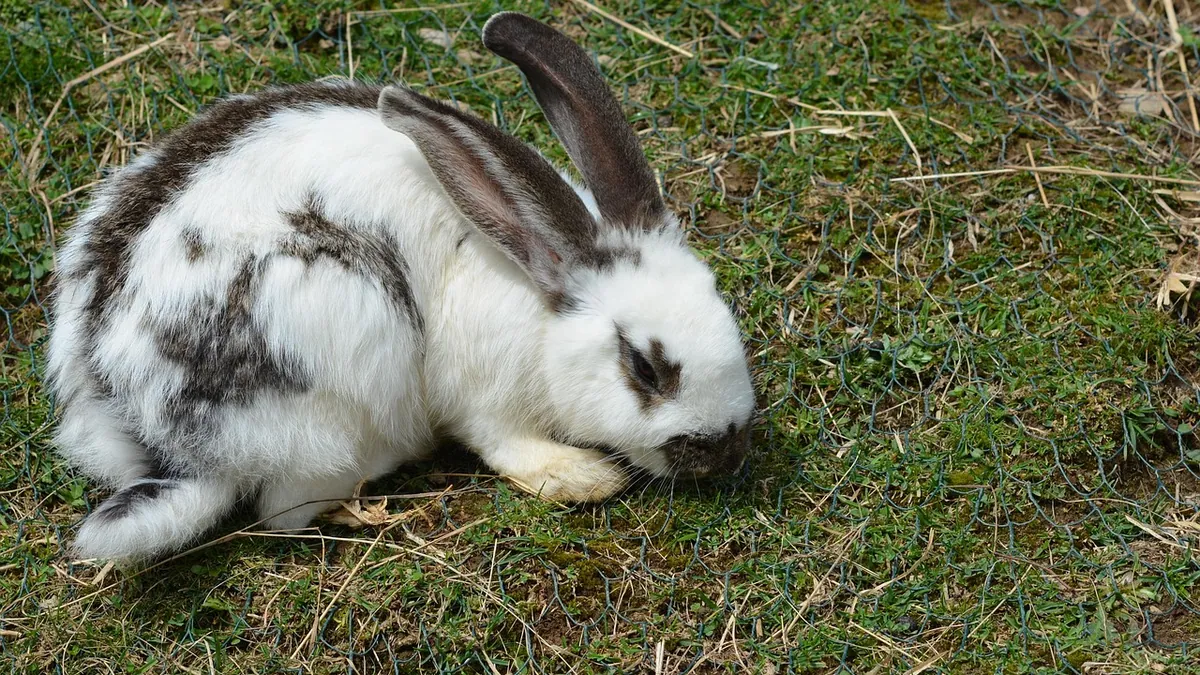
If your rabbit is pulling her fur out, the most common reason is nesting. A pregnant or pseudopregnant doe plucks fur from her belly and dewlap to line a nest. Skin disease, parasites, stress, and pain can also cause hair loss, so the pattern and timing matter.
This article is educational and is not a substitute for veterinary diagnosis or treatment.
Quick Answer
- A doe pulling fur from her belly or dewlap and carrying it in her mouth is usually building a nest, which can happen even when no male has been around.
- Hair loss that comes with scabs, crusts, dandruff, redness, or bald patches on the back, head, or face points to a skin problem that needs treatment [1].
- Rabbits pull fur from themselves, but they also over-groom cagemates, so check whether the bald rabbit is the one doing the pulling.
- Stress from heat, crowding, a new home, or a nearby predator can trigger fur pulling and other repetitive behaviors.
- Any rabbit with open skin, bleeding, or sudden large bald areas should see a veterinarian promptly.
Is It Normal for Rabbits to Pull Their Fur Out?
Yes, in some situations fur pulling is completely normal. It is an instinct, not a behavior problem, and it usually has a clear purpose.
Nesting Behavior in Pregnant Does
A pregnant rabbit pulls fur from her belly and dewlap in the last few days before kindling (giving birth). She lines the nest box with it to keep the kits warm. This is one of the strongest nesting instincts in the species, and it is a sign that kindling is close.
If you did not plan a pregnancy, a doe can still kindle about 28 to 31 days after an accidental mating. Rabbits can conceive again within hours of giving birth, so a doe housed with an intact male can be pregnant again before you realize it.
Pseudopregnancy (False Pregnancy)
A doe who has not mated can still act pregnant. This is called pseudopregnancy. Her hormones shift as if she conceived, and she may pull fur, build a nest, and guard it. She might also become grumpy or growl when you reach into her cage.
Pseudopregnancy usually resolves on its own within about 18 days. If it keeps happening, or if she seems uncomfortable, have her examined. Reproductive disease in rabbits includes infections and other problems that a veterinarian can identify [2].
Nesting Without Pregnancy
Some does pull a little fur when they are simply in a comfortable, safe space and their hormones are active. A doe who is spayed is much less likely to do this, but the behavior can still appear occasionally. If the fur pulling is mild, brief, and she is eating and acting normally, watch and wait.
Why Is My Rabbit Pulling His Fur Out? Medical Causes to Rule Out
When a rabbit pulls fur outside of a nesting episode, or when the skin underneath looks abnormal, think medical first. Skin disease often causes hair loss, and many skin conditions in rabbits involve parasites that require veterinary treatment [1].
Parasites and Mites
Mites, fleas, and lice cause intense itching. A rabbit with mites may scratch, bite, and pull at the fur, leaving patchy bald spots with dandruff or crusty skin. Fur mites are common and highly contagious between rabbits. Treatment is prescription only, and over-the-counter products for dogs and cats can be toxic to rabbits.
Ringworm and Fungal Infections
Ringworm is a common fungal infection of the skin in rabbits. It usually causes patchy hair loss that often starts on the head and can spread. Affected skin can look dry, flaky, and red. Stress, dirty cages, and poor nutrition increase the risk. Because ringworm can spread to people and other animals, infected rabbits should be isolated, and treatment usually includes antifungal medicines, shampoos, and creams plus careful cleaning of the environment to prevent reinfection [1].
Abscesses, Dental Pain, and Self-Trauma
A rabbit in pain may chew or pull at the fur over a sore spot. Dental disease, abscesses, and arthritis can all drive this. A rabbit with a wet chin from drooling may lose fur and develop inflamed, infected skin under the chin. This area, called the dewlap, stays damp and becomes a target for infection, and in severe cases flies can lay eggs on the damaged skin [1].
Urine Scald and Hutch Burn
Urine scald damages skin when urine sits on the fur and skin. The hair falls out, the skin turns red and raw, and infection can follow. This is more common in rabbits who cannot lift their hindquarters well, in overweight rabbits, and in those housed on wet bedding. Using a sipper bottle with a tube instead of an open water bowl helps keep the dewlap and chest dry [1].
Skin Infections Spread by Contact
Some reproductive infections cause sores and scabs around the genitals that can be mistaken for urine scald. Treponematosis, also called vent disease, causes small blisters or slow-healing sores with thick scabs, usually around the genitals but sometimes on the lips or eyelids, after an incubation period of 3 to 6 weeks [2]. A veterinarian can test for it, and treatment is with penicillin given by injection, never by mouth [2].
Nutritional Causes
Poor nutrition weakens skin and coat. In one study, iron deficiency during pregnancy and nursing led to hair loss in offspring, and iron supplementation restored hair growth [3]. A rabbit on an all-pellet diet with no hay or greens may also lack the fiber and nutrients needed for healthy skin. Ask your veterinarian about diet before adding any supplement.
When Does Fur Pulling Become a Problem?
Fur pulling is a problem when it changes your rabbit's health or daily life. Watch for these patterns.
- The bald area grows, or new bald spots keep appearing.
- The skin is red, scabby, crusty, flaky, or bleeding.
- Your rabbit scratches, chews, or bites at herself constantly.
- She stops eating, loses weight, or hides more than usual.
- She pulls fur from a cagemate instead of herself, which can cause wounds and stress for both rabbits.
- The behavior continues long after a nesting episode should have ended.
Any of these signs means the fur pulling is no longer simple nesting. It needs a veterinary look.
What to Do Step by Step
Step 1: Check the Pattern
Look at where the fur is missing. Belly and dewlap fur loss in an unspayed doe points to nesting. Fur loss on the back, head, face, or flanks points to skin disease or over-grooming [1]. Take photos so you can track changes.
Step 2: Examine the Skin
Part the fur gently and look at the skin. Healthy skin is pale and smooth. Red, flaky, crusty, or scabby skin is a reason to call your veterinarian. Check for live insects or tiny moving specks. Grooming your rabbit regularly helps you notice skin problems early [1]. Our guide to Grooming Your Pet Rabbit walks through a safe routine.
Step 3: Confirm Pregnancy Status
If your doe has been with an intact male at any point, assume she could be pregnant. Set up a nest box with safe bedding about a week before her due date. Do not handle her roughly in late pregnancy. If you are not sure, your veterinarian can help you plan.
Step 4: Reduce Stress
Heat, crowding, loud noises, and the smell of predators all raise stress. Keep your rabbit indoors in a quiet area with a comfortable temperature. Rabbits are highly sensitive to heat, and heat stress reduces body weight, milk yield, and behavioral activity in pregnant does [4]. Provide a hide box, a consistent routine, and daily quiet time.
Step 5: Improve the Environment and Diet
Clean the cage often to reduce urine and moisture on the skin. Use a sipper bottle instead of an open bowl to keep the dewlap dry [1]. Feed unlimited grass hay, fresh greens, and measured pellets. Fresh water at all times. If your rabbit lives alone, consider a spayed or neutered companion, since rabbits are social and boredom can drive repetitive behaviors.
Step 6: Add Enrichment
Give your rabbit things to do. Chew toys, cardboard boxes, tunnels, and foraging puzzles redirect energy. Rotate toys every few days so they stay interesting. A busy rabbit is less likely to fixate on grooming.
Step 7: Track Progress
Keep a simple log of bald spots, skin changes, appetite, and behavior. Bring it to your veterinary visit. This helps your veterinarian tell nesting apart from disease.
What Not to Do
- Do not punish your rabbit. Yelling, spraying water, or startling her increases stress and can make fur pulling worse.
- Do not assume it is always nesting. If the skin looks wrong, it is a medical issue until proven otherwise.
- Do not use dog or cat flea products, medicated shampoos, or human creams on your rabbit without veterinary guidance. Some are toxic to rabbits.
- Do not breed your rabbit to "fix" the behavior. Pregnancy carries real risks, and kindling does not cure skin disease or stress.
- Do not pull out loose fur yourself. You can damage the skin and cause infection.
- Do not ignore fur pulling in a male rabbit. Males do not nest, so fur loss in a buck almost always has another cause.
If you have other pets with skin or coat problems, the same rule applies. Hair loss in cats and dogs also needs a diagnosis before treatment, as covered in Why Is My Cat pulling out fur in clumps? Psychogenic Alopecia and Over-Grooming and Why Is My Dog Losing Hair?.
When to Involve a Veterinarian or Behavior Professional
Call your veterinarian if the fur pulling lasts more than a few days, if the skin looks abnormal, or if your rabbit seems uncomfortable. A veterinarian can check for parasites, fungal infection, dental disease, and reproductive problems, and can prescribe the right treatment.
If your rabbit is healthy but the behavior continues, ask your veterinarian for a referral to a veterinarian who focuses on behavior. They can assess stress, housing, and enrichment and build a plan for your rabbit.
Limitations and When to Contact a Veterinarian
This article cannot diagnose your rabbit. Every case is different, and individual rabbits need a hands-on veterinary examination.
Contact a veterinarian the same day if you see:
- Open sores, bleeding, or crusted skin
- Sudden large bald patches
- A wet, inflamed chin or dewlap
- Maggots or fly eggs on the skin (this is an emergency)
- Your rabbit stops eating or drinking
- Labored breathing, a hunched posture, or grinding teeth
Go to an emergency clinic now if your rabbit is collapsed, having seizures, breathing with an open mouth, or has fly-strike wounds. These are life-threatening.
Schedule a routine visit if the fur pulling is mild, the skin looks normal, and your rabbit is eating, drinking, and behaving normally, but the behavior has lasted more than a week.
Frequently Asked Questions
Can a rabbit pull fur out if she is not pregnant?
Yes. Pseudopregnancy causes the same hormonal nesting drive without a pregnancy, and it usually settles within about 18 days. Some does also pull small amounts of fur when their hormones are active. If it continues or the skin looks irritated, have her checked.
Is it normal for rabbits to pull their fur out in winter?
Fur pulling is not a seasonal behavior. Rabbits shed heavily a few times a year, but that is shedding, not plucking. If your rabbit is pulling tufts out with her mouth in cold weather, treat it the same as any other fur pulling and look for a cause.
Why is my rabbit pulling his fur out if he is male?
Males do not build nests, so fur pulling in a buck almost always points to a skin problem, parasites, pain, or stress. Check the skin for flakes, scabs, and redness. A veterinarian should examine him.
How long does nesting fur pulling last?
Nesting fur pulling usually happens in the last day or two before kindling and stops once the nest is built. Pseudopregnancy nesting can last up to about 18 days. If it goes on longer, or if your rabbit seems unwell, call your veterinarian.
Can stress alone make a rabbit pull her fur out?
Yes. Heat, crowding, loud noises, and predator smells all raise stress, and stressed rabbits can over-groom or pluck fur. Heat stress in particular reduces behavioral activity and body weight in pregnant does [4]. Fix the environment first, then see your veterinarian if the behavior continues.
Related Articles
- Grooming Your Pet Rabbit
- Rabbit Sneezing Causes
- Why Is My Rabbit Making a Nest? Nesting Explained
- Why Is My Rabbit Losing So Much Fur?
- Why Is My Rabbit Losing Hair? Causes and What to Do
References
- Skin Disorders of Rabbits - All Other Pets. Merck Veterinary Manual.
- Reproductive Disorders of Rabbits - All Other Pets. Merck Veterinary Manual.
- Iron Deficiency-Induced Hair Loss Is Associated with ROS-Mediated Disruption of Wnt/β-Catenin Signaling. Nutrients, 2026.
- Impact of Natural Heat Stress on Pregnant Rabbits: Behavioral, Physiological, and Reproductive Changes and the Ameliorative Role of Curcumin and Vitamin D3. Veterinary sciences, 2026.