Why Do Rabbits Fight? Causes and How to Stop It
By Dr. Zubair Khalid, DVM, MS, PhD ·
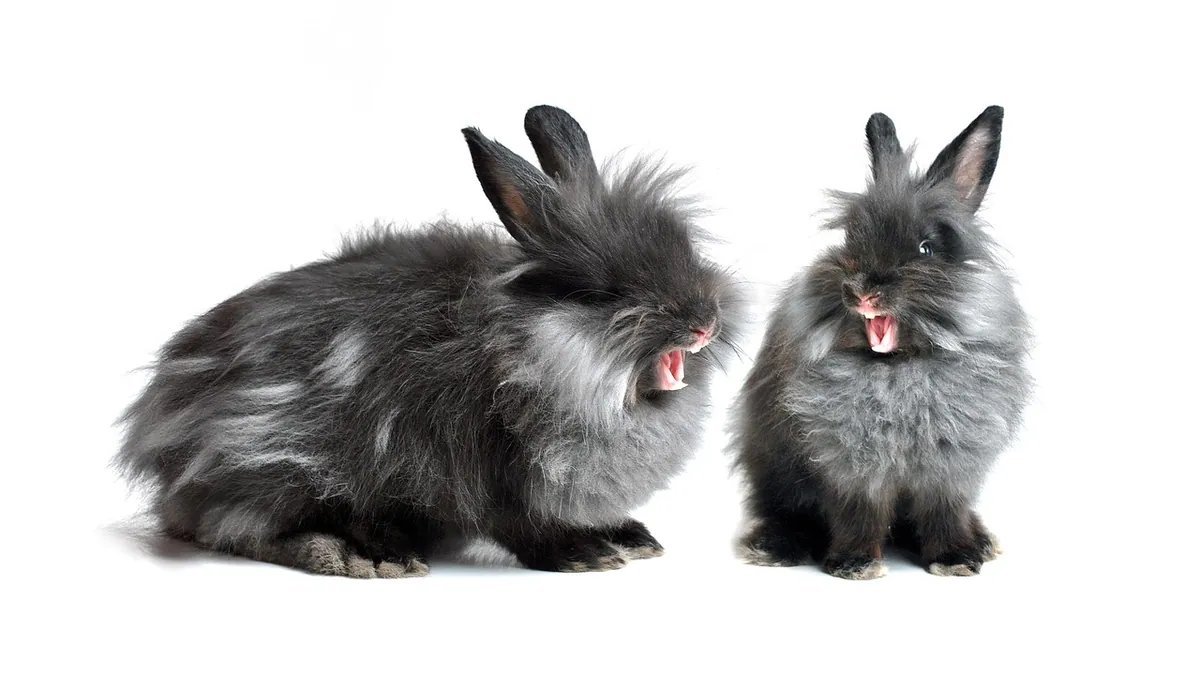
Rabbits fight most often because they are territorial, frightened, or living in a pair that was never properly bonded. Some scuffling is normal when rabbits establish a pecking order, but chasing that turns into biting, locking on, or drawing blood is not. If you have ever asked yourself why do rabbits fight, the answer usually comes down to space, hormones, and social stress instead of true hatred.
This article is educational and is not a substitute for veterinary diagnosis or treatment.
Quick Answer
- Normal hierarchy scuffles are brief. Chasing, mounting, and a little fur pulling that stops within seconds is common when rabbits first meet.
- Dangerous fighting involves biting that draws blood, locking together, or one rabbit hiding and refusing to eat. Separate them right away.
- Unfixed rabbits of either sex fight far more often. Spaying or neutering is the single biggest step most owners can take.
- Space and enrichment matter. Rabbits in cramped housing with nothing to do show more aggression [1][2].
- Never punish a rabbit for fighting. Punishment increases fear and makes the next meeting worse.
Why Do Rabbits Fight? Normal Reasons First
Rabbits are social animals, but they are also territorial. In the wild, a rabbit group has a strict ranking, and new rabbits have to negotiate their place. That negotiation looks rough to human eyes.
Establishing a Hierarchy
When two rabbits meet, one usually tries to become dominant. You may see mounting, circling, nipping at the rear, and short chases. This is normal as long as it stays brief and neither rabbit is injured. A rabbit that flattens, runs away, and then returns is often working through the ranking instead of fleeing in terror.
Hormones and Intact Rabbits
Sexual maturity changes behavior in both sexes. Intact rabbits are driven to claim territory and to compete for mates. This is one reason bonding attempts fail in young rabbits that seemed fine as babies. The same pair can turn on each other within days of hitting puberty.
Fear and Poor Bonding
A rabbit that was housed alone for months may never have learned social skills. Sudden introductions in a small cage give both rabbits nowhere to retreat. Fear turns into defensive biting fast. Social experience shapes how animals choose to fight, and isolated animals often escalate more quickly [3].
Resource Guarding
Food bowls, hide boxes, and favorite corners can all trigger guarding. A rabbit that has claimed a spot may attack any rabbit that comes near it. This is especially common in cages that are too small for two rabbits to avoid each other [2].
Boredom and Cramped Housing
Rabbits with nothing to do and no room to move get frustrated. In group-housed breeding does, adding simple enrichment such as alfalfa blocks and wooden panels reduced agonistic behavior and skin injuries [1]. The same principle applies at home. A bored rabbit is more likely to pick fights.
Medical Causes to Rule Out Before You Blame Behavior
Sudden aggression in a rabbit that was previously calm can be a medical problem. Pain is the most common trigger. A rabbit with dental disease, an abscess, arthritis, or a urinary issue may bite when handled or approached.
Other medical causes include:
- Vision loss, which makes a rabbit startle and bite defensively
- Ear infection or head tilt, which affects balance and mood
- Skin parasites or wounds that make touch painful
- Reproductive tract disease in unspayed females
If aggression started suddenly in an adult rabbit, book a veterinary exam before you try any behavior plan. Treating the underlying condition often resolves the behavior.
Is It Normal for Rabbits to Fight? When It Becomes a Problem
Some conflict is normal. Dangerous fighting is not. Use these signs to tell the difference.
Normal hierarchy behavior:
- Brief chasing that ends quickly
- Mounting with no injury
- Fur pulling without broken skin
- Both rabbits eat, drink, and groom normally afterward
Dangerous fighting:
- Biting that draws blood or leaves wounds
- Rabbits locking together and rolling
- One rabbit cornered, screaming, or frozen in fear
- One rabbit stops eating, hides constantly, or loses weight
- Fighting that continues after separation and reintroduction
If you see any sign in the second list, separate the rabbits immediately and keep them apart until you have a plan. Do not leave them together to "work it out." Rabbits can inflict serious injuries in seconds.
How to Stop Rabbits From Fighting: Step by Step
Step 1: Separate and Assess
House the rabbits in separate enclosures where they can see and smell each other but cannot touch. This gives both animals a safe base. Check every rabbit for wounds, especially around the face, ears, genitals, and rear. Bite wounds abscess easily in rabbits, so have a veterinarian look at anything that broke the skin.
Step 2: Spay or Neuter
This is the most effective single step for most owners. Hormones drive much of the territorial and mounting behavior in intact rabbits. Talk to your veterinarian about timing. Many rabbits are ready for surgery once they reach sexual maturity, and behavior often improves within weeks to a few months after the procedure.
Step 3: Fix the Environment
Give each rabbit enough space to get away from the other. Two rabbits crammed into a small hutch will fight no matter how well matched they are. Public perception research shows many owners underestimate the minimum space rabbits need, and inadequate housing is a common welfare problem [2]. Provide:
- Separate hiding spots so no rabbit can be trapped
- Two of everything: food bowls, water bottles, litter boxes, toys
- Daily out-of-enclosure exercise time
- Chew toys and enrichment to redirect energy
Enrichment is not optional. In group-housed rabbits, adding distraction materials and physical barriers reduced aggression and injury scores [1]. Chew blocks, cardboard, tunnels, and foraging toys all help.
Step 4: Bond Slowly on Neutral Ground
Bonding is a process, not a single meeting. Use a small, neutral area that smells like neither rabbit. Keep sessions short at first, five to ten minutes, and watch closely. End on a calm note. Gradually increase time as the rabbits relax.
Good signs include:
- Lying near each other
- Grooming each other
- Eating together calmly
Bad signs include:
- Chasing that does not stop
- Mounting that turns into biting
- One rabbit hiding or freezing
If a session goes badly, separate and try again another day. Rushing bonding is the most common reason it fails.
Step 5: Use Positive Reinforcement
Reward calm behavior with treats and praise. Rabbits learn quickly when food is involved. If you want structured help, see our guide to Rabbit Behavior Training. Learning to read your rabbit's signals also helps you step in before a scuffle escalates. Our article on Understanding Rabbit Behavior: Body Language and Vocalizations covers the signals that matter most.
Step 6: Be Patient With the Timeline
Bonding can take days, weeks, or months. Some pairs bond in a weekend. Others need many short sessions over a month. Rabbits that never bond can still live happily side by side in separate enclosures. That is a valid outcome, not a failure.
What Not to Do When Rabbits Fight
Do Not Punish
Never hit, spray, yell at, or scruff a fighting rabbit. Punishment teaches fear. A frightened rabbit is more likely to bite, and it damages your relationship with the animal. It also does nothing to address the reason the fight started.
Do Not Force Them Together
The "let them sort it out" approach works for some species. It does not work for rabbits. Injuries can be severe, and a bad fight can make future bonding nearly impossible. Always supervise and separate at the first sign of real aggression.
Do Not Assume It Is Just Dominance
If a rabbit is losing weight, hiding, or has wounds, the situation has moved past normal hierarchy. Get help.
Do Not Skip the Vet Check
Aggression that appears suddenly in a calm adult rabbit is a medical red flag until proven otherwise. Pain and illness change behavior in every species, including rabbits.
Do Not Rely on Myths
Common myths include "rabbits always fight at first and then become friends" and "two males can never live together." Neither is reliable. Bonding depends on personality, hormones, space, and how the introductions are handled. Two neutered males can bond well. Two females sometimes cannot, even after spaying.
When to Involve a Veterinarian or Behavior Professional
Call your veterinarian if:
- Any rabbit has a bite wound, especially a deep puncture
- One rabbit stops eating, drinking, or passing normal droppings
- Aggression started suddenly in an adult rabbit
- You see head tilt, circling, or balance problems
- A female rabbit is unspayed and showing new aggression
Ask your veterinarian for a referral to a certified behavior professional if bonding attempts keep failing despite neutering, space, and enrichment. A professional can watch your setup and identify triggers you may be missing. If your rabbit also has respiratory signs such as sneezing or discharge, see Rabbit Sneezing Causes, since illness and stress often go together.
Limitations and When to Contact a Veterinarian
This article covers common patterns, but every rabbit is an individual. Hormones, pain, past experience, and housing all interact in ways that are hard to judge from a distance. Individual cases need a veterinarian who can examine your rabbit in person.
Contact a veterinarian the same day if:
- A fight drew blood or you find a puncture wound
- One rabbit is limping, drooling, or holding a limb oddly
- A rabbit has not eaten for more than a few hours
- You see swelling, pus, or a bad smell at a wound site
Go to an emergency clinic now if:
- A rabbit is struggling to breathe
- A rabbit is collapsed, unresponsive, or having seizures
- There is heavy bleeding that will not stop
- A rabbit has a suspected spinal injury from a fight
Schedule a routine visit if:
- You want to discuss spay or neuter timing
- Aggression is mild but ongoing
- You need help planning a bonding schedule
- You want a full health check before starting bonding
Your veterinarian will calculate any medication dose from your rabbit's weight and health status. Never give human pain relievers or leftover medications to a rabbit.
Frequently Asked Questions
Do rabbits fight to the death?
Rabbits rarely kill each other outright, but they can cause fatal injuries. Deep bite wounds, stress-related gut stasis, and infections are all serious risks. Separate fighting rabbits immediately and have wounds checked by a veterinarian.
Can two male rabbits live together?
Yes, if both are neutered and introduced carefully. Intact males fight far more often. Neutering removes much of the hormonal drive behind territorial aggression, and many neutered male pairs bond successfully.
How long does bonding take?
It varies widely. Some pairs settle within days, while others need weeks or months of short supervised sessions. There is no fixed timeline, and forcing speed usually backfires.
Should I let my rabbits fight it out?
No. Supervised introductions with quick separation at the first sign of real aggression are safer. Allowing a serious fight risks injury and makes future bonding harder.
Why did my rabbits suddenly start fighting after years together?
Sudden aggression in a bonded pair often points to pain, illness, or a change in environment. Book a veterinary exam for both rabbits and review any recent changes in housing, diet, or routine.
Related Articles
- Rabbit Sneezing Causes
- Understanding Rabbit Behavior: Body Language and Vocalizations
- Rabbit Behavior Training
- Rabbit Chewing Wood
- Why Is My Rabbit Mean? Aggression Causes and Fixes
- Why Does My Rabbit Keep Biting Me? Causes and Fixes
- Why Does My Rabbit Bite? Normal Behavior or Problem?
- Managing Aggression and Social Stress in Rabbits
References
- Cage enrichment to minimize aggression in part-time group-housed female breeding rabbits. Frontiers in veterinary science, 2024.
- "Well, You Think Rabbits, You Think Rabbit Hutch" - Public Perception of Companion Rabbit Ownership and Accommodation. Journal of applied animal welfare science : JAAWS, 2026.
- Social experience shapes fighting strategies in Drosophila. eLife, 2025.