Why Is My Chinchilla Eating Its Poop? Coprophagy Explained
By Dr. Zubair Khalid, DVM, MS, PhD ·
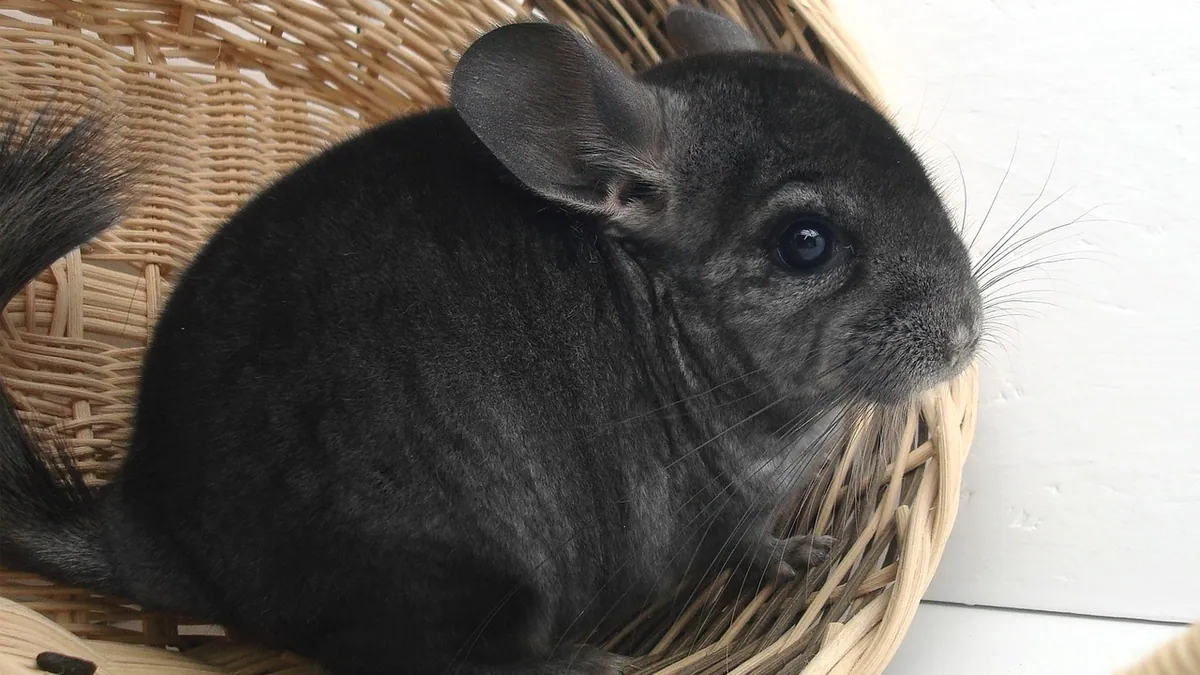
Yes, do chinchillas eat their poop? Healthy chinchillas do this on purpose. They eat a special kind of soft dropping called a cecotrope to get nutrients they missed the first time. It looks alarming, but it is a normal part of how a chinchilla digests food.
This article is educational and is not a substitute for veterinary diagnosis or treatment.
Quick Answer
- Eating cecotropes (soft, shiny, grape-like droppings) straight from the bottom is normal and healthy.
- Eating hard, dry, pellet-shaped droppings off the cage floor is not normal and can point to a diet or gut problem.
- A proper chinchilla diet is unlimited grass hay, a small amount of pellets (1 to 2 tablespoons daily), and limited treats [1].
- If your chinchilla is losing weight, has diarrhea, or stops eating, call an exotic-pet veterinarian.
- Never punish a chinchilla for eating droppings. Punishment adds stress and does not fix the cause.
What Is Coprophagy in Chinchillas?
Coprophagy means eating feces. In chinchillas, this behavior comes in two forms. One is normal and needed for health. The other is a sign that something is off.
Chinchillas are hindgut fermenters. That means the back part of their digestive tract holds bacteria that break down plant fiber [2]. This setup works well for a high-fiber diet, but it is not perfect. Some nutrients slip through before the body can absorb them.
The fix is a second pass. The chinchilla produces a soft dropping, eats it, and digests it again. This is called cecotrophy, and it lets the body recover nutrients it would otherwise lose.
Why Do Chinchillas Eat Their Poop?
Normal Cecotrophy
Cecotropes are not the same as the hard droppings you find in the cage. They are softer, shinier, and often described as looking like small dark grapes. They have a strong smell. A chinchilla usually eats them right away, so you may never see one.
This is not a bad habit. It is a built-in recycling system. The soft dropping carries nutrients and gut bacteria back through the digestive tract for a second round of absorption. Your chinchilla may do this at night or during rest periods. It is one of the reasons a chinchilla can stay healthy on a diet of mostly hay.
Diet and Fiber
Fiber drives the whole system. In the wild, chinchillas eat plants that are high in fiber [1]. In your home, long-strand grass hay like timothy does the same job. Hay gives the gut the fiber it needs for proper digestion, and it also wears down teeth that grow nonstop [1].
When hay is missing or limited, the gut has less to work with. The balance of bacteria can shift. A chinchilla may then start eating hard droppings off the floor, trying to replace something the diet is not providing.
Pellets matter too, but in the right amount. Commercial pellets carry important nutrients, yet they can be high in carbohydrates and calories, and they crumble easily instead of wearing down teeth [1]. A small measured portion is enough. A bowl that is always full can crowd out hay.
Stress and Boredom
A chinchilla with nothing to do may nibble at droppings out of boredom. Stress from a new cage, a new home, loud noises, or a disrupted routine can also trigger odd eating behavior. Fixing the environment often reduces the behavior.
Do Chinchillas Throw Poop?
Yes, and this surprises many new owners. Chinchillas poop a lot, and they often kick or fling droppings out of the cage. This is normal chinchilla behavior, not a sign of illness. It is one reason a cage with a solid tray and a bit of distance from the wall stays cleaner.
If you are seeing droppings thrown around the room, that is usually just chinchilla business as usual. The behavior to watch is eating, not flinging.
Medical Causes to Rule Out
If your chinchilla is eating hard, dry droppings, think about health first. Several problems can push a chinchilla toward this behavior.
Gut Dysbiosis and Motility Problems
Hindgut fermenters are sensitive to changes in their gut bacteria. When the bacterial balance shifts, digestion slows and nutrient absorption drops. The chinchilla may then eat droppings to try to correct the problem. This is why gentle handling, good nutrition, and careful use of antibiotics matter so much in these species [3].
Dental Disease
Chinchilla teeth grow continuously. Without enough hay to grind them down, the teeth can overgrow and cause pain [1]. A chinchilla with sore teeth may eat less hay, which then throws off the gut. The two problems feed each other. Dropping-eating can be one small clue in a larger picture.
Pain or Discomfort Anywhere
A chinchilla in pain may change its eating habits in general. Watch for other signs like hunched posture, grinding teeth, drooling, or hiding.
Inadequate Water
Water and food intake are linked. Water intake in chinchillas depends on diet, temperature, and other factors [4]. A chinchilla that is not drinking enough may have harder, drier droppings and a sluggish gut. Fresh, clean water in a bottle or bowl should always be available.
Nutritional Gaps
A diet heavy in pellets, seeds, nuts, or dried fruit can leave gaps. Dried fruits, grains, seeds, and nuts can upset a chinchilla's stomach [1]. Fruits should make up less than 10% of the diet, and dried fruit should be avoided [1]. If treats have crept up, that alone can explain a change in droppings.
When Eating Poop Becomes a Problem
Normal cecotrophy is quick and private. Problem behavior looks different. Here is how to tell them apart.
- Normal: soft, shiny cecotropes eaten directly from the bottom, usually not seen.
- Problem: hard, dry droppings eaten off the cage floor, often in large amounts.
- Normal: steady weight, good appetite, normal activity.
- Problem: weight loss, poor appetite, diarrhea, or a messy bottom.
- Normal: firm, oval droppings in the cage.
- Problem: soft, clumped, or foul-smelling droppings, or no droppings at all.
If the behavior comes with any of the problem signs, treat it as a health concern. Call your veterinarian.
What to Do Step by Step
Step 1: Check the Diet
Start with hay. Offer unlimited timothy hay and refresh it daily [1]. Store hay in a dry, well-ventilated place [1]. Give only 1 to 2 tablespoons of pellets each day [1]. Keep fruit to less than 10% of the diet, and skip dried fruits, grains, seeds, and nuts [1].
You can offer a handful of fresh dark green lettuce (romaine or green leaf) and vegetables like bell peppers, carrot tops, or celery daily [1]. Avoid high-calcium vegetables such as kale, parsley, and dandelion greens, and avoid alfalfa hay, because they can cause bladder stones [1]. Carrots are high in sugar, so give them only rarely [1].
Step 2: Track Weight and Droppings
Weigh your chinchilla on a small kitchen scale once a week. Note the number. Look at the cage floor each day and count roughly how many droppings you see. A sudden drop in droppings is a warning sign.
Step 3: Add Enrichment
Boredom can drive odd eating. Add safe chew items, a hide box, and a wheel sized for chinchillas. Rotate toys so the cage stays interesting. Give your chinchilla time out of the cage in a safe, chinchilla-proofed area.
Step 4: Reduce Stress
Keep the cage in a quiet spot away from barking dogs, loud TVs, and foot traffic. Keep a steady routine for feeding and cleaning. Chinchillas do best with predictable days.
Step 5: Keep Water Fresh
Change water daily. Check that the bottle or bowl is working and that your chinchilla is actually drinking. Water intake supports digestion and helps prevent urinary problems [4].
Step 6: Call Your Vet If Nothing Changes
If diet and environment changes do not help within a few days, or if any red flag appears, get veterinary help. Do not wait for the behavior to "just stop."
What Not to Do
Do not punish your chinchilla. Scolding, spraying, or startling a chinchilla adds stress and can make gut problems worse. It also does not change the behavior.
Do not assume it is always normal. Cecotrophy is normal. Eating hard droppings off the floor is not.
Do not cut hay to "fix" the problem. Hay is the foundation of a healthy chinchilla diet and helps wear down teeth [1].
Do not load up on treats. Extra fruit, seeds, and nuts can upset the stomach [1].
Do not use home remedies or supplements without veterinary guidance. The gut of a hindgut fermenter is easy to throw off balance [3].
If you have other pets, some of the same questions come up. The reasons behind stool eating in dogs are covered in Why Does My Dog Eat Poop? and Why Is My Dog eating stools? Coprophagia Causes and Deterrents. Grass eating is another common owner question, explained in Why Does My Dog Eat Grass?.
Limitations and When to Contact a Veterinarian
This article cannot diagnose your chinchilla. Every chinchilla needs an exam, a weight check, and a diet review from a veterinarian who treats exotic pets.
Call your veterinarian the same day if you see:
- No droppings for 12 to 24 hours
- Diarrhea or very soft droppings
- Drooling, pawing at the mouth, or trouble chewing
- Hunched posture, hiding, or reluctance to move
- A messy or soiled bottom
Go to an emergency clinic now if you see:
- Labored breathing
- Collapse or extreme weakness
- Seizures
- A bloated, hard abdomen
- Bleeding from the mouth or rectum
Schedule a routine visit if you see:
- Gradual weight loss over weeks
- Eating hard droppings off the floor that does not stop
- A dull coat or decreased grooming
- Any change in appetite that lasts more than a day
A veterinarian will check the teeth, feel the abdomen, and review the diet. Blood work or imaging may be needed. Treatment depends on the cause, and any medication dose is calculated by your veterinarian based on your chinchilla's weight and health.
Frequently Asked Questions
Is it normal for chinchillas to eat their own poop?
Yes, eating cecotropes is normal and healthy. These soft droppings carry nutrients and gut bacteria back through the digestive tract for a second round of absorption. You may rarely see it because chinchillas usually eat them right away.
Should I stop my chinchilla from eating cecotropes?
No. Cecotrophy is part of normal digestion and should not be stopped. If you try to prevent it, you are removing a natural source of nutrition. Focus instead on a high-fiber diet with unlimited grass hay.
How can I tell cecotropes from regular droppings?
Cecotropes are softer, shinier, and often look like small dark grapes. Regular droppings are firm, dry, oval, and light to dark brown. If your chinchilla is eating the firm ones off the cage floor, that is the behavior to investigate.
Can a bad diet cause a chinchilla to eat poop?
Yes. Too many pellets, fruits, seeds, or nuts can unbalance the gut and reduce hay intake. A proper diet is unlimited grass hay, 1 to 2 tablespoons of pellets daily, and fruit as less than 10% of the diet.
Does eating poop mean my chinchilla is sick?
Not always. Cecotrophy is normal. But eating hard droppings, especially with weight loss, diarrhea, or a drop in appetite, can signal a gut, dental, or diet problem. Have your chinchilla examined if you are unsure.
Related Articles
- Chinchilla Peeing and Pooping a Lot: What's Normal?
- Why Is My Chinchilla Not Eating? Causes and What to Do
References
- Diet for a Chinchilla - All Other Pets. Merck Veterinary Manual.
- Organic matter and macromineral digestibility in domestic rabbits (Oryctolagus cuniculus) as compared to other hindgut fermenters. Journal of animal physiology and animal nutrition, 2015.
- Gastrointestinal Surgery in Other Small Mammals. The veterinary clinics of North America. Exotic animal practice, 2026.
- Water consumption in small mammals (dwarf rabbits, Guinea pigs and chinchillas): New data about possible influencing factors. Research in veterinary science, 2020.