Why Is My Gerbil Biting Me? Biting vs Nibbling Explained
By Dr. Zubair Khalid, DVM, MS, PhD ·
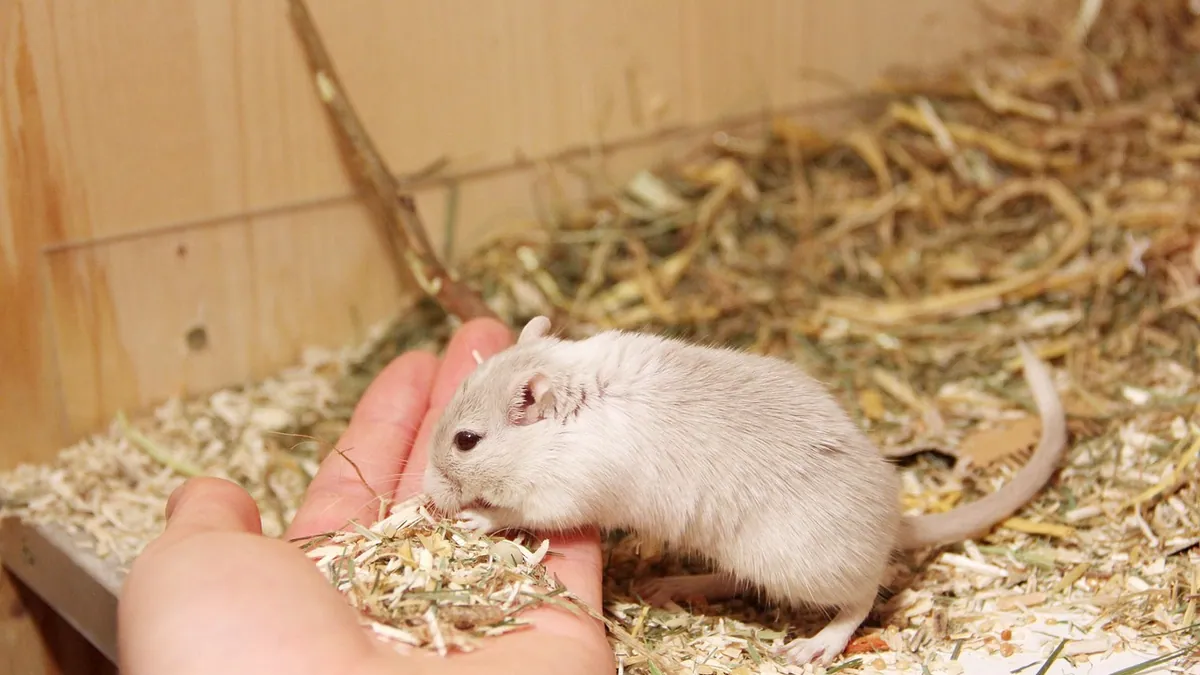
Gerbils bite for many reasons, and most of them are not about aggression. A young or new gerbil may nibble to explore your fingers, while a scared, sick, or startled gerbil may bite hard to defend itself. If your gerbil is suddenly biting you after months of calm handling, that change is a red flag worth investigating.
This article is educational and is not a substitute for veterinary diagnosis or treatment.
Quick Answer
- Light, quick mouthing with no broken skin is usually exploratory nibbling, not a true bite.
- A hard bite that draws blood, or a bite paired with a lunge, usually means fear, pain, or a startle response.
- Sudden biting in a gerbil that was previously calm can point to illness, injury, or a change in its environment.
- Never punish a biting gerbil. Yelling, tapping, or grabbing makes fear worse and increases the chance of more bites.
- Handle gerbils by scooping them under the belly with both hands, close to the ground or over the cage, and never lift them by the tail [1].
Normal Reasons a Gerbil Uses Its Mouth
Nibbling Is How Gerbils Explore
Gerbils are rodents with sensitive lips, whiskers, and teeth. They investigate new objects with their mouths the same way they investigate bedding, food, and cage mates. When you put your hand into the cage, your fingers smell like food, soap, lotion, or other pets, and a curious gerbil may test them with a few quick nips. This is usually light and brief. It stops when the gerbil loses interest.
Owners often describe this as "my gerbil keeps biting me," but the pressure matters. A nibble leaves no mark. A bite leaves a pinch, a red spot, or broken skin.
Your Gerbil Is Licking You
If you are wondering why your gerbil is licking you, that is a different and usually friendly behavior. Licking often follows grooming and social contact. Mongolian gerbils are a group-living, pair-bonding species, and they spend a lot of time grooming and touching each other [2]. A gerbil that licks your hand and then settles down is comfortable with you. Licking can also follow the taste of salt on your skin. It is not a warning sign.
Fear and Startle Responses
Gerbils are prey animals. A hand coming in published veterinary research looks like a predator. A sudden noise, a dropped object, or a grab at the wrong moment can trigger a defensive bite. This is the most common cause of a hard bite in a pet gerbil. The bite is a reflex, not a personality flaw.
Territorial and Social Aggression
Gerbils can be genuinely aggressive toward each other. In same-sex resident-intruder tests, both male and female Mongolian gerbils showed aggressive responses toward intruders, and females that had given birth multiple times were the most aggressive of the four groups tested [3]. Sexually naive male gerbils also attacked intruder males with chasing, biting, lunging, and offensive sideways postures [4]. Those bites landed most often on the rump, flank, back, and tail [4].
This matters for owners because a gerbil that is aggressive toward a cagemate may also redirect that aggression toward your hand, especially if you smell like the other gerbil or if you reach into the middle of a squabble.
Pain or Illness
A gerbil in pain may bite when a specific part of the body is touched or when it is picked up. Dental problems, injuries, skin issues, and internal disease can all lower a gerbil's bite threshold. Gerbils are small and good at hiding illness, so a behavior change is often the first sign an owner sees.
Hormones and Sexual Experience
Aggression in gerbils is tied to social experience and reproductive status. Sexually experienced and multiparous animals tend to show stronger aggressive responses than naive ones [3]. If a gerbil's biting started around a change in group housing or after a new gerbil was introduced, social stress is a likely factor.
Why Is My Gerbil Suddenly Biting Me?
A sudden change in behavior deserves attention. If your gerbil was calm for months and now bites, consider these causes in order.
Pain or illness. This is the first thing to rule out. A gerbil with a sore tooth, an injured limb, or a urinary or digestive problem may bite when handled. Gerbils excrete little urine and produce hard, dry fecal pellets, so owners sometimes miss subtle signs of illness [5].
A new smell. Hand lotion, soap, food, or the scent of another pet or gerbil can trigger a bite. Wash your hands with unscented soap and dry them before handling.
A change in the cage or routine. New bedding, a moved cage, a new cagemate, or a noisy room can raise stress. Gerbils are sensitive to their environment and to handling style [6].
A startle or a bad grab. If you picked the gerbil up by the tail or squeezed it, the bite may be a direct response to pain. Gerbil tails are delicate and easily injured, and lifting by the tail is never safe [1].
Reproductive or social stress. A gerbil that is newly paired, newly separated, or living in an overcrowded cage may become more defensive.
When Biting Becomes a Problem
Occasional light nibbling is normal. Biting becomes a problem when any of these apply.
- The bite breaks skin or leaves a bruise.
- The gerbil lunges, hisses, or vocalizes before biting.
- Biting happens every time you reach into the cage.
- The gerbil bites a cagemate hard enough to cause wounds.
- The behavior started suddenly in an adult gerbil with no obvious trigger.
- The gerbil also shows other changes, such as weight loss, poor appetite, or reduced activity.
Low-frequency vocalizations in gerbils are associated with agonistic encounters, while high-frequency calls are mostly non-agonistic [3]. In plain terms, a gerbil that is making low, harsh sounds during handling is likely stressed or defensive, and you should stop and reassess.
What to Do Step by Step
Step 1: Rule Out Medical Causes
Schedule a veterinary visit if the biting is new, if the gerbil seems painful, or if you see any other change in appetite, activity, breathing, or droppings. A veterinarian can examine the teeth, skin, limbs, and abdomen and decide whether testing or treatment is needed. Any medication dose must be calculated by the veterinarian based on your gerbil's weight and health.
Step 2: Change How You Handle Your Gerbil
Scoop the gerbil up under the belly with both hands. Do not squeeze. Hold it close to the ground, over the cage or over your lap, so a fall cannot hurt it [1]. Keep sessions short at first, and let the gerbil walk onto your hand instead of grabbing it.
Step 3: Use Positive Reinforcement
Gerbils can learn to approach a hand voluntarily. In a standardized 10-day clicker training protocol, 43 Mongolian gerbils learned to approach and interact with an experimenter's hand in exchange for a food reward [6]. You can use the same principle at home with a click, a soft word, or a small treat. Reward calm approaches and ignore nips by keeping your hand still and withdrawing slowly.
Step 4: Improve the Environment
Give your gerbil a deep bedding layer for digging, a solid exercise wheel, tunnels, and chew items. Gerbils are burrowing rodents and need to dig. A cage that is too small, too bare, or too noisy raises stress and makes biting more likely.
Step 5: Manage Social Housing Carefully
Mongolian gerbils are social and pair-bonding, but introductions can go badly [2]. If you have more than one gerbil and biting is happening between them, separate them safely and get veterinary or behavioral advice before trying again. Do not assume they will work it out on their own.
Step 6: Keep a Simple Log
Write down when bites happen, what you were doing, what the gerbil did just before, and how hard the bite was. Patterns become obvious fast. This log is also useful for your veterinarian.
If you have experience with other species, the same principles apply across pets. Fear-based biting in birds is covered in Why Does My Bird Bite, and How to Stop It and Conure Biting Behavior. Small mammal biting follows a similar pattern, as described in Hamster Biting Hand.
What Not to Do
Do not punish your gerbil. Tapping, flicking, yelling, or blowing on the animal does not teach it to stop biting. It teaches the gerbil that hands are dangerous, which makes the next bite more likely.
Do not grab or chase. Chasing a gerbil around the cage turns handling into a predator-prey interaction. Let the gerbil come to you.
Do not lift by the tail. This is a common cause of injury and defensive biting [1].
Do not assume it is "just mean." Gerbils are not vindictive. A bite always has a cause, even if you have not found it yet.
Do not ignore sudden biting. A behavior change in a small prey animal is often the first sign of a medical problem.
Do not skip quarantine or introductions rules. New gerbils should be introduced with care, and aggression between gerbils can be serious [3][4].
When to Involve a Veterinarian or Behavior Professional
Call a veterinarian if the biting is new, if the gerbil seems painful, or if you cannot identify a trigger. A veterinarian with small mammal experience can examine your gerbil and rule out dental disease, injury, and other medical causes.
Ask for a referral to a veterinary behaviorist or a qualified small mammal behavior consultant if biting continues after medical causes are ruled out, if the gerbil bites hard and often, or if you are afraid to handle it. Fear of animals can be shaped by what people say about them, and children in particular may become more reluctant to approach animals after hearing negative information [7]. If a child in your home is being bitten, address the behavior quickly and supervise all handling.
Limitations and When to Contact a Veterinarian
This article cannot tell you what is causing your individual gerbil's behavior. Only a veterinarian who examines your pet can do that.
Contact a veterinarian the same day if:
- The bite broke your skin and you have concerns about wound care or infection.
- Your gerbil is biting and also shows weight loss, drooling, trouble eating, or labored breathing.
- Your gerbil was bitten by a cagemate and has an open wound.
- Your gerbil is suddenly biting after a fall, a drop, or a tail injury.
Seek emergency care now if:
- Your gerbil is limp, unresponsive, or having trouble breathing.
- There is heavy bleeding from a bite wound.
- Your gerbil has not eaten or passed droppings in 24 hours.
Schedule a routine visit if:
- Biting is mild but persistent and you want help with handling and training.
- You are planning to introduce a new gerbil and want guidance.
- You want a baseline health check for a new pet.
The normal lifespan of a gerbil is 2 to 3 years, so a behavior change in an older gerbil is especially worth a veterinary look [5].
Frequently Asked Questions
Why did my gerbil bite me when it has never bitten before?
A first-time bite usually means something changed. Pain, illness, a startle, a new smell, or a rough grab are the most common triggers. Get a veterinary check if the bite came out of nowhere or if your gerbil seems off in any other way.
Why is my gerbil nibbling me instead of biting?
Nibbling is exploratory. Gerbils use their mouths to investigate new textures and smells, and your fingers are interesting. If the pressure is light and the gerbil stays relaxed, this is normal and usually fades as the gerbil gets used to you.
Why is my gerbil licking me?
Licking is usually affectionate or grooming-related behavior in a social rodent. Mongolian gerbils live in pairs or groups and groom each other often. Licking can also mean your skin tastes salty, which is harmless.
Can a gerbil bite through a glove?
Yes. Gerbil teeth are sharp, and a determined bite can go through thin fabric. Thick gloves may reduce injury but do not fix the underlying fear or pain. Work on handling and get a veterinary exam instead of relying on gloves.
Is it safe to keep a gerbil that bites?
Yes, in most cases. Biting is a behavior, not a disease, and it usually improves once the cause is found and handling changes. If biting continues after a veterinary exam and training, ask your veterinarian for a behavior referral.
A Final Word on Handling
Gerbils are small, social, and easy to frighten. Most bites come from fear, pain, or a startle, not from a bad personality. Read the pressure, watch the body language, rule out medical causes, and change how you handle your pet. With patience and the right approach, most gerbils settle into calm, confident handling.
Related Articles
References
- Special Considerations for Gerbils - All Other Pets. Merck Veterinary Manual.
- Sociability and pair-bonding in gerbils: a comparative experimental study. Current zoology, 2019.
- Vocalization during agonistic encounter in Mongolian gerbils: Impact of sexual experience. PloS one, 2022.
- Aggressive behavior and brain neuronal activation in sexually naïve male Mongolian gerbils. Behavioural brain research, 2020.
- Gerbils - Exotic and Laboratory Animals. Merck Veterinary Manual.
- Enhancing Gerbil Welfare Through Positive Reinforcement Training in Research Environments. Journal of visualized experiments : JoVE, 2025.
- "Watch out for the gerbils, my child!" the role of maternal information on children's fear in an experimental setting using real animals. Behavior therapy, 2013.