Why Is My Rat or Hamster Twitching? Causes and Care
By Dr. Zubair Khalid, DVM, MS, PhD ·
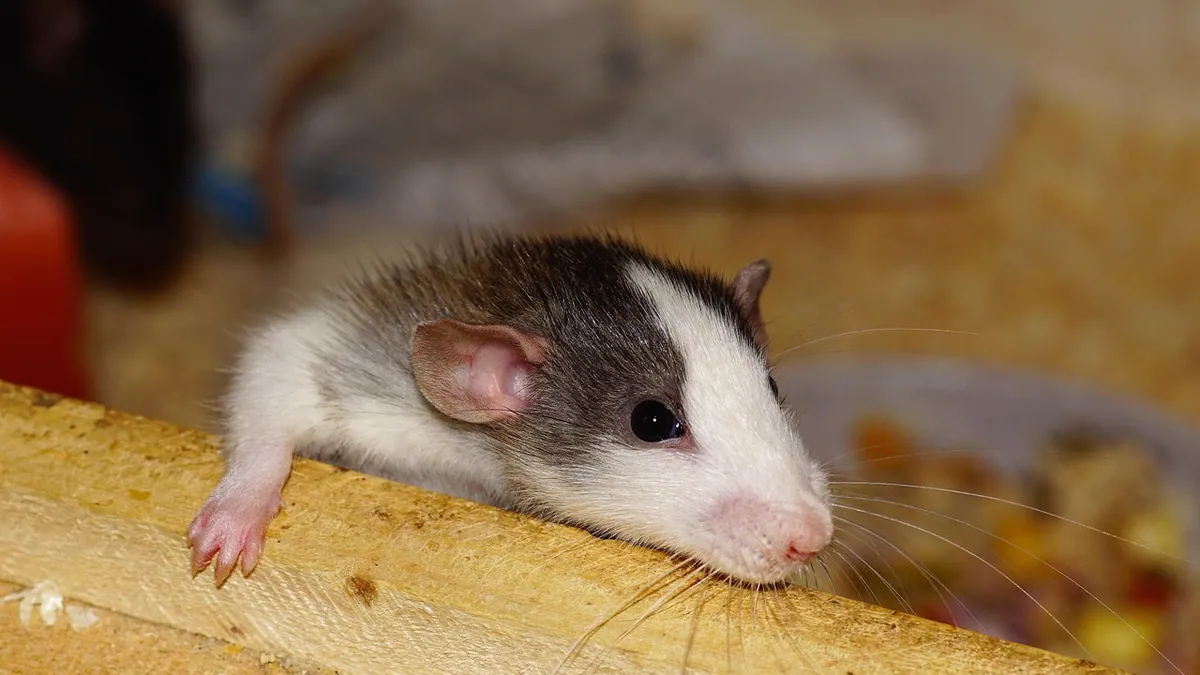
Why is my rat twitching? Most twitching in pet rats is harmless and happens during sleep, especially during rapid eye movement (REM) sleep, when the brain is active and the body is still. But twitching can also signal seizures, pain, or neurologic disease, so the pattern matters more than the twitch itself. This article is educational and is not a substitute for veterinary diagnosis or treatment.
Quick Answer
- Sleep twitching is common and normal. Rats twitch most in the whiskers and limbs during REM sleep, and they wake up normally afterward [1].
- A twitch that stops when you gently touch or call your rat is usually sleep related. A twitch that continues during activity is more concerning.
- Seizures look different. They often involve stiffening, paddling, drooling, loss of balance, or a dazed period afterward [2].
- Tremors are rhythmic shaking, not single jerks. They can come from many causes, including neurologic and metabolic problems [3].
- Any twitching with trouble breathing, collapse, or a rat that cannot eat or drink needs a veterinarian now.
What Twitching Looks Like in Rats
Twitching is a sudden, brief muscle jerk. It can affect one whisker, one leg, the jaw, or the whole body. In rats, twitching is a normal part of sleep and is especially common in the whiskers, which rats use to sense the world around them [1].
Rats are prey animals. They hide illness well, so you may only notice twitching when your rat is resting in your lap or in a clear nest box. Watch for these details:
- Does the twitch happen only when your rat is asleep?
- Does it stop within a second or two of waking?
- Is your rat eating, drinking, grooming, and moving normally when awake?
- Are there other signs, such as drooling, weight loss, or a change in droppings?
Normal sleep twitching is brief and scattered. It may look like tiny whisker flicks, paw paddles, or a whole-body startle. Your rat should wake up alert and go back to normal behavior.
Why Is My Rat Twitching? Main Causes
Twitching has many possible causes. Some are harmless. Some need treatment. The table below groups the most common reasons and how urgent each one is.
| Cause | Typical clues | How urgent |
|---|---|---|
| REM sleep twitching | Happens only during sleep, stops on waking, rat is normal when awake [1] | Not urgent |
| Seizures | Stiffening, paddling, drooling, loss of balance, dazed period afterward [2] | Urgent, same day |
| Tremor syndromes | Rhythmic shaking, may worsen with movement or posture [3] | Urgent, same day |
| Pain or discomfort | Hunching, squinting, not eating, small or no droppings, guarding a body part | Urgent, same day |
| Stress or poor environment | Twitching with pacing, bar chewing, or overgrooming | Routine visit if it continues |
| Neurologic disease or toxin exposure | Sudden onset, weakness, head tilt, circling, wobbling | Emergency now |
| Metabolic problems | Weakness, weight loss, poor coat, twitching that comes and goes | Urgent, same day |
Sleep Twitching (REM Sleep)
REM sleep twitching is the most common reason a rat twitches. It is a normal behavior seen across many species, and it supports the development and maintenance of the sensorimotor system [1]. In adult rats, twitching happens more in body parts used for active sensing, such as the whiskers [1].
Sleep twitching is usually fine if your rat is healthy when awake. It does not need treatment. If you are not sure whether your rat is asleep, watch for a few minutes. A sleeping rat is often curled, breathing slowly, and easy to wake.
Seizures
A seizure is a burst of abnormal brain activity. In rats, a seizure can look like a full-body convulsion, but it can also be subtle. You might see:
- Sudden stiffening or falling over
- Paddling or jerking of the legs
- Drooling or jaw chomping
- Loss of balance or circling
- A confused, dazed, or sleepy period afterward
That period right after a seizure is called the postictal period. It can include confusion, weakness, and memory problems, and it can last from minutes to days [2]. If your rat has any of these signs, call your veterinarian the same day.
Tremors
Tremors are rhythmic, repeated shaking. They are different from the single jerks of sleep twitching. Tremor syndromes come from abnormal activity in brain networks that connect the cerebellum, thalamus, and motor pathways [3].
Some tremors are mild and only show up when your rat reaches for food. Others are constant and interfere with walking or eating. Because the cause can be neurologic, metabolic, or drug related, a veterinarian needs to examine your rat.
Pain and Discomfort
Rats in pain may twitch or flinch when a sore area is touched. They may also hunch, squint, grind their teeth, or stop eating. Rats cannot vomit, so do not look for vomiting as a sign of illness. Instead, watch for drooling, not eating, small or no droppings, bloating, hunching, lethargy, or diarrhea.
Stress, Environment, and Behavior
A cramped cage, poor bedding, loud noises, or a new cage mate can cause stress behaviors that look like twitching. Some rats also twitch during aggressive or defensive encounters. If your rat is acting aggressive or fearful, read Dealing with Aggressive Pet Rat Behavior: Causes and Solutions for background on behavior and safety.
Toxins and Neurologic Disease
Sudden twitching in a rat that was fine an hour ago can mean toxin exposure or a neurologic problem. Common household toxins include lead paint, some plants, and certain pesticides. If you suspect a poison, call your veterinarian or a pet poison hotline right away. Do not wait for symptoms to get worse.
Red Flags That Mean Emergency
Some signs mean you should stop reading and call a veterinarian now. These include:
- Twitching that does not stop
- Trouble breathing, blue gums, or open-mouth breathing
- Collapse, inability to stand, or repeated seizures
- A seizure that lasts more than a few minutes
- Twitching after possible toxin exposure
- A rat that cannot eat, drink, or swallow
- Severe drooling, bloating, or no droppings for many hours
If your rat is having a seizure, do not put your hands near the mouth. Rats can bite during a seizure without meaning to. Clear the area so your rat cannot fall, keep the room quiet and dim, and call your veterinarian.
Safe Things You Can Do at Home
While you wait for your appointment, keep your rat calm and comfortable. These steps are safe and may help your veterinarian figure out what is going on.
- Keep a log. Write down when twitching happens, how long it lasts, what body parts are involved, and what your rat was doing before and after.
- Record a short video. A 10 to 20 second clip on your phone can be more useful than a long description.
- Do not restrain your rat during a twitch or seizure. Let it rest in a safe, padded area.
- Keep the cage quiet, dim, and warm. Remove cage mates if they are bothering the twitching rat.
- Offer food and water. Do not force anything into the mouth.
- Do not give human medications. Never give your rat a drug without a veterinarian's direction. Doses are calculated from your pet's weight and health, and the wrong drug can be fatal.
If your rat has a seizure, time it. Note how long it lasts and how long the postictal period lasts. That information helps your veterinarian [2].
What Your Veterinarian Will Check
A veterinarian who treats exotic pets will start with a full history and physical exam. Bring your log and video. Be ready to answer questions about diet, cage setup, cage mates, recent changes, and possible toxin exposure.
The exam usually includes:
- Weight and body condition
- Neurologic exam, including balance, reflexes, and response to touch
- Checking the teeth, ears, eyes, and skin
- Feeling the abdomen for masses or bloating
- Listening to the heart and lungs
Depending on what the veterinarian finds, tests may include blood work, X-rays, ultrasound, or a fecal exam. Some neurologic cases need advanced imaging or a referral. Not every cause of twitching can be diagnosed with a simple test, and some conditions are not well established in veterinary research.
Treatment depends on the cause. Seizures may be managed with anti-seizure medication. Infections need antibiotics or antifungals. Pain needs pain relief. Your veterinarian will calculate any dose based on your rat's weight and health.
Prevention and Monitoring
You cannot prevent every cause of twitching, but you can lower the risk and catch problems early.
- Feed a balanced rat diet with a quality lab block and fresh vegetables.
- Keep the cage clean, spacious, and enriched with hiding spots and things to chew.
- Avoid sudden temperature changes and loud noises.
- Rat-proof the room. Remove wires, toxic plants, and small objects.
- Weigh your rat weekly. Weight loss is often the first sign of illness.
- Check droppings daily. Small or no droppings can mean a digestive problem.
- Schedule routine checkups with an exotic veterinarian, especially as your rat ages.
If your rat has a known seizure disorder, keep a seizure diary and bring it to every visit. If your rat lives with other rats, watch for aggression or bullying, which can raise stress. For more on behavior, see Dealing with Aggressive Pet Rat Behavior: Causes and Solutions. If you also keep hamsters, twitching in hamsters can look similar, and Understanding Hamster Torpor: Causes and Safe Treatment explains one cold-related condition that can cause shaking and weakness.
Limitations and When to Contact a Veterinarian
This article cannot tell you what is causing your rat's twitching. Only a veterinarian who examines your rat can do that. Individual cases need a veterinarian.
Call your veterinarian the same day if your rat has twitching with drooling, not eating, small or no droppings, bloating, hunching, lethargy, or diarrhea. Call right away if twitching is continuous, if your rat collapses, or if you suspect poison.
Go to an emergency clinic now if your rat has trouble breathing, repeated seizures, a seizure lasting more than a few minutes, or cannot stand. If you are unsure, call first. It is always better to ask than to wait.
Frequently Asked Questions
Is twitching in rats normal?
Yes, twitching during sleep is normal in rats. It happens most during REM sleep and often involves the whiskers and limbs [1]. A rat that twitches in its sleep and acts normal when awake usually does not need treatment.
How can I tell a sleep twitch from a seizure?
A sleep twitch stops when your rat wakes up, and your rat acts normal right away. A seizure often involves stiffening, paddling, drooling, or loss of balance, and your rat may be confused or weak afterward [2]. If you are not sure, record a video and call your veterinarian.
What should I do if my rat is twitching right now?
Stay calm and keep the area safe. Do not restrain your rat or put your hands near its mouth. Time the episode, note what body parts are involved, and call your veterinarian. If it lasts more than a few minutes or your rat cannot breathe, go to an emergency clinic.
Can stress cause twitching in rats?
Stress can cause behavior that looks like twitching, such as pacing, flinching, or overgrooming. A cramped cage, loud noises, or conflict with a cage mate can all raise stress. If the behavior continues after you improve the environment, see your veterinarian.
Can I give my rat medicine for twitching at home?
No. Never give your rat human or leftover pet medication without veterinary direction. The dose depends on your rat's weight and health, and the wrong drug can be dangerous. Your veterinarian will decide if medication is needed and calculate the correct dose.
Related Articles
- Dealing with Aggressive Pet Rat Behavior: Causes and Solutions
- Hamster Biting Hand
- Why Is My Dog Shaking?
- Hamster Abscesses: Causes, Treatment, and Prevention
- Hamster Care: Hibernation torpor vs hypothermia differential guide
References
- REM-sleep twitching in adults and the maintenance of specialized sensorimotor systems. Current biology : CB, 2026.
- Effect of rapamycin on reversing post-ictal impairments in trace fear learning following a single brief convulsive seizure in rats. Epilepsy research, 2026.
- Tremor pathophysiology. Clinical parkinsonism & related disorders, 2026.