Why Is My Guinea Pig Twitching? Causes and Next Steps
By Dr. Zubair Khalid, DVM, MS, PhD ·
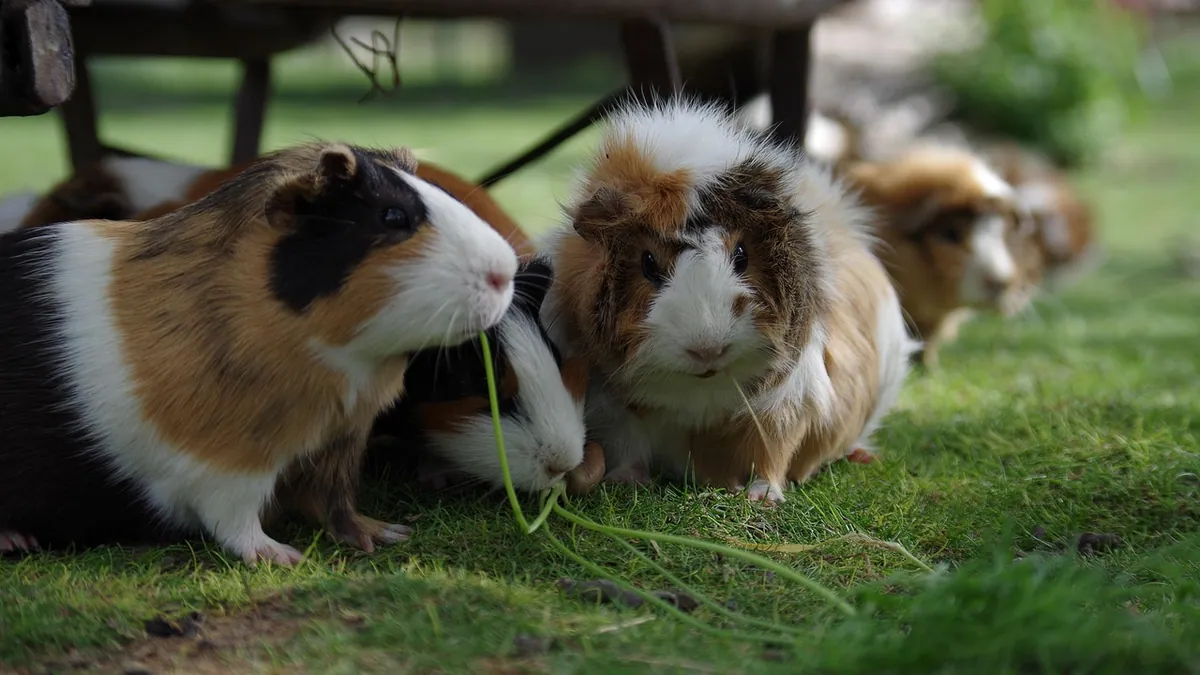
Guinea pigs twitch for many reasons, and most of them are harmless. A guinea pig that jerks or shivers while dozing is often just dreaming, while twitching that comes with drooling, collapse, or a refusal to eat points to a medical problem. This article walks you through how to tell the difference and what to do next.
This article is educational and is not a substitute for veterinary diagnosis or treatment.
Quick Answer
- Brief twitching during sleep, especially with relaxed breathing and a normal appetite afterward, is usually normal and needs no treatment.
- Twitching that comes with drooling, head tilt, collapse, paddling legs, or a guinea pig that will not eat or drink is an emergency. Call a veterinarian right away.
- Intense scratching, hair loss, and scabby skin suggest mites or another skin parasite, which needs veterinary treatment.
- Guinea pigs cannot make their own vitamin C, so a diet low in this nutrient can cause weakness and nerve problems over time [1].
- Never give your guinea pig human medication or guess at a dose. A veterinarian calculates any dose from your pet's weight and health.
What Twitching Looks Like in Guinea Pigs
Twitching can mean very different things depending on when it happens and what else you see. A sleeping guinea pig may have small muscle jerks in the face, ears, or legs. This is similar to the way people twitch as they fall asleep. The body stays relaxed, breathing stays even, and your guinea pig wakes up normally and eats.
Other twitching is not so gentle. You might see a sudden stiffening of the whole body, paddling motions of the legs, champing of the jaw, or a period where your guinea pig seems unaware of you. Some guinea pigs twitch in one area, such as the flank or the back, and then scratch at that spot. Others shiver or tremble all over when they are cold, frightened, or in pain.
Guinea pigs are prey animals, so they hide illness well. A guinea pig that is sick and twitching may also sit hunched, breathe fast, or stop eating. Watching for these companion signs matters as much as the twitching itself.
Why Is My Guinea Pig Twitching? The Main Causes
Sleep and dreaming
This is the most common harmless cause. Guinea pigs sleep in short stretches through the day and night, and their muscles can jerk during deep sleep. If your guinea pig is lying relaxed, twitching softly, and pops up bright and alert afterward, there is likely nothing wrong.
Fear, cold, or excitement
A guinea pig that is startled, chilly, or overexcited may tremble or shiver. Guinea pigs have no tail and short limbs, and they lose heat easily. A drafty cage or a sudden loud noise can set off shaking that stops once the guinea pig settles or warms up.
Pain or discomfort
Twitching in a specific area can be a pain response. A guinea pig with cystitis, an inflamed bladder, often shows signs such as blood in the urine, incontinence, straining to urinate, abdominal discomfort, and going off food [2]. A female guinea pig with cystic ovarian disease may have a swollen belly, hair loss on the flanks, and behavior changes [3]. Both conditions can make a guinea pig restless and twitchy.
Skin parasites and itching
Mites and lice cause intense itching. A guinea pig with a heavy mite infestation will twitch, bite, and scratch at its skin, and you may see crusty patches or thinning hair. This is not something you can fix with a pet store spray. It needs a diagnosis and species-appropriate treatment from a veterinarian.
Seizures
A true seizure is a sudden, uncontrolled burst of brain activity. Your guinea pig may stiffen, paddle its legs, lose bladder control, or become unresponsive for a short time. Seizures can have many triggers, including low blood sugar, liver problems, infection, and toxin exposure. Any suspected seizure is a reason to call a veterinarian.
Vitamin C deficiency
Guinea pigs cannot synthesize vitamin C, so they depend entirely on their diet for it [1]. A guinea pig fed only hay and low-quality pellets, or one that has stopped eating, can become deficient. Signs include weakness, poor coat, reluctance to move, and sometimes abnormal nerve or muscle activity. Research in guinea pigs has linked complete vitamin C deprivation during development to serious brain changes, including bleeding in the brain and structural defects [1]. In adult pets, the more common picture is gradual weakness and poor healing.
Toxins and household hazards
Guinea pigs chew everything. Lead paint, some houseplants, certain human foods, and rodent poisons can all cause tremors, twitching, or seizures. If you suspect your guinea pig ate something toxic, treat it as an emergency and call your veterinarian or a pet poison hotline immediately.
Dental and digestive pain
Overgrown molars and gut stasis cause real pain. A guinea pig with dental disease may drool, drop food, and lose weight. A guinea pig with a slow gut may stop passing droppings, sit hunched, and breathe shallowly. Twitching or trembling can show up alongside this pain. Remember that guinea pigs cannot vomit, so drooling and a full, quiet belly are the warning signs to watch, not vomiting.
Table: Cause, Clues, and Urgency
| Cause | Typical clues | How urgent |
|---|---|---|
| Sleep twitching | Happens while resting, stops on waking, normal appetite | Not urgent |
| Fear or cold | Trembling, huddling, recent noise or draft | Not urgent, fix the environment |
| Skin mites or lice | Scratching, hair loss, crusty or scabby skin | See a vet within a few days |
| Pain (bladder, ovary, teeth, gut) | Hunched posture, not eating, small or no droppings, blood in urine | Same day |
| Seizure | Stiffening, paddling, unresponsive, loss of bladder control | Emergency now |
| Toxin exposure | Known or suspected access to poison, sudden tremors | Emergency now |
| Vitamin C deficiency | Weakness, poor coat, poor appetite over weeks | Routine visit soon |
Red Flags That Make It an Emergency
Call an emergency veterinary clinic right away if you see any of these:
- A seizure that lasts more than a minute, or repeated seizures
- Collapse, unresponsiveness, or trouble breathing
- Drooling with a head tilt or trouble swallowing
- A guinea pig that has not eaten or drunk for several hours
- No droppings, or a hard, bloated belly
- Blood in the urine, or straining to urinate with no result
- Known or suspected contact with a poison, toxic plant, or human medication
- Twitching that gets worse over minutes instead of settling
Guinea pigs decline fast when they stop eating. A guinea pig that is sick and twitching and has gone off food needs to be seen the same day, not next week.
Safe Things You Can Do at Home While You Wait
Keep your guinea pig warm, quiet, and in its own cage. Cover part of the cage with a towel to reduce light and noise, and keep the room temperature steady.
Do not handle your guinea pig more than you must during a twitching episode. A seizing guinea pig can injure itself if it falls or thrashes against cage bars. Pad the area with soft bedding and let the episode pass.
Offer fresh water and a small amount of its usual food. If your guinea pig is alert and willing, let it eat. Do not force food or water into the mouth of a guinea pig that is not swallowing normally.
Write down what you saw. Note the time, how long the twitching lasted, whether your guinea pig was asleep or awake, and any other signs such as drooling, head tilt, or changes in droppings. This history helps your veterinarian a great deal.
Do not give any medication, including human pain relievers, without veterinary direction. Many common human drugs are toxic to guinea pigs, and the dose depends on your pet's weight and health.
If your guinea pig is trembling from cold, move it away from drafts and provide a warm hide. If it is trembling from fear, lower the noise and give it time to settle. You can read more about normal sounds and body language in Guinea Pig Behavior: Understanding Sounds and Actions.
What Your Veterinarian Will Check and Test
Your veterinarian will start with a full physical exam. They will check your guinea pig's weight, hydration, heart and lung sounds, teeth, belly, and skin. They will also ask about diet, droppings, and any recent changes at home.
Depending on what they find, they may recommend blood work to check organ function and vitamin C status, radiographs or ultrasound to look at the bladder, uterus, and gut, and a skin scraping or tape prep to look for mites. In guinea pigs with suspected cystitis, imaging is a standard part of the workup, and ultrasound often reveals bladder sludge or other changes [2]. For female guinea pigs with a swollen belly or flank hair loss, abdominal ultrasound is the usual way to confirm cystic ovarian disease [3].
If sedation is needed for imaging or blood collection, your veterinarian will choose a protocol based on your guinea pig's age and health. Sedation protocols in guinea pigs are well studied, and oxygen levels stay stable with appropriate drugs [4]. Your veterinarian will decide what is safe for your pet.
Treatment depends on the cause. Skin parasites get species-appropriate antiparasitic treatment. Bladder infections get antibiotics chosen for the bacteria involved, since resistance patterns vary [2]. Cystic ovarian disease is usually managed with surgery to remove the ovaries or uterus [3]. Seizures and toxicity get supportive care, fluids, and sometimes anticonvulsant medication.
Prevention and Daily Monitoring
Weigh your guinea pig once a week on a small kitchen scale. A steady weight is one of the best signs of health. A drop of even a few ounces is a reason to call your veterinarian.
Feed a diet built on unlimited grass hay, plain guinea pig pellets, and fresh vegetables rich in vitamin C, such as bell peppers. Guinea pigs cannot make their own vitamin C, so this nutrient must come from food every day [1]. Skip the seed mixes and sugary treats.
Check the skin and coat weekly. Look for scabs, bald patches, and scratching. Treat any new guinea pig for parasites before introducing it to your others, on your veterinarian's advice.
Keep the cage clean and dry. Dirty bedding irritates the skin and urinary tract. Provide a hide box and a quiet corner so your guinea pig can rest without stress.
Watch droppings every day. Small, dry, or missing droppings are an early warning of gut problems. If your guinea pig is squeaking or making unusual sounds, see Guinea Pig Squeaking Noise. If you notice labored breathing or a runny nose, read Guinea Pig Respiratory Infections: Causes, Signs, and Treatment.
Limitations and When to Contact a Veterinarian
No article can tell you what is causing twitching in your individual guinea pig. Only a veterinarian who examines your pet can do that. Use the guidance below to decide how fast to act.
Call an emergency clinic now if your guinea pig is seizing, collapsed, struggling to breathe, drooling heavily, or you suspect poison exposure.
Call your veterinarian the same day if your guinea pig has stopped eating, has no droppings, has a bloated belly, is straining to urinate, or is twitching along with obvious pain or weakness.
Schedule a routine visit soon if the twitching is mild, happens only at rest, and your guinea pig is otherwise eating, drinking, and passing normal droppings. Bring a written log of what you have seen.
Frequently Asked Questions
Is twitching during sleep normal in guinea pigs?
Yes, mild twitching during sleep is usually normal. Guinea pigs have short sleep cycles, and their muscles can jerk as they doze. If your guinea pig wakes up alert, eats well, and has normal droppings, there is no cause for concern.
Can mites make my guinea pig twitch?
Yes, mites cause intense itching that can look like twitching or shivering. You may also see scratching, hair loss, and crusty skin. A veterinarian can confirm the diagnosis and prescribe the right treatment for your guinea pig's size and health.
What should I do if my guinea pig has a seizure?
Keep your guinea pig safe and call an emergency veterinarian right away. Clear hard objects from the area, dim the lights, and do not put your hands near its mouth. A seizure that lasts more than a minute or repeats needs immediate care.
Could a poor diet cause twitching?
Yes, a diet low in vitamin C can lead to weakness and nerve or muscle problems over time. Guinea pigs cannot produce vitamin C on their own, so they need it from food every day. If you are unsure about your guinea pig's diet, ask your veterinarian for a feeding plan.
How do I know if my guinea pig's twitching is an emergency?
Treat it as an emergency if the twitching comes with collapse, trouble breathing, heavy drooling, a head tilt, or a refusal to eat. Twitching that is brief, happens only at rest, and leaves your guinea pig bright and hungry is usually not an emergency. When in doubt, call your veterinarian and describe exactly what you saw.
Related Articles
- Guinea Pig Squeaking Noise
- Guinea Pig Behavior: Understanding Sounds and Actions
- Guinea Pig Respiratory Infections: Causes, Signs, and Treatment
- Guinea Pig Lying on Its Side and Twitching
- Why Does My Rabbit or Guinea Pig Twitch? Normal vs Not
- Guinea Pig Not Moving: Causes and Emergency Care
References
- Neurodevelopmental Changes in the Guinea Pig Brain Caused by Time-Limited Complete Vitamin C Deprivation. Nutrients, 2025.
- Cystitis in guinea pigs (Cavia porcellus): Clinical findings and treatment outcomes. The Veterinary record, 2026.
- Updates on Cystic Ovarian Disease in Guinea Pigs. The veterinary clinics of North America. Exotic animal practice, 2025.
- Comparison of subcutaneous sedation with alfaxalone or alfaxalone-midazolam in pet guinea pigs (Cavia porcellus) of three different age groups. Journal of the American Veterinary Medical Association, 2022.