Can Rabbits and Guinea Pigs Eat Mint, Basil, and Pepper Leaves?
By Dr. Zubair Khalid, DVM, MS, PhD ·
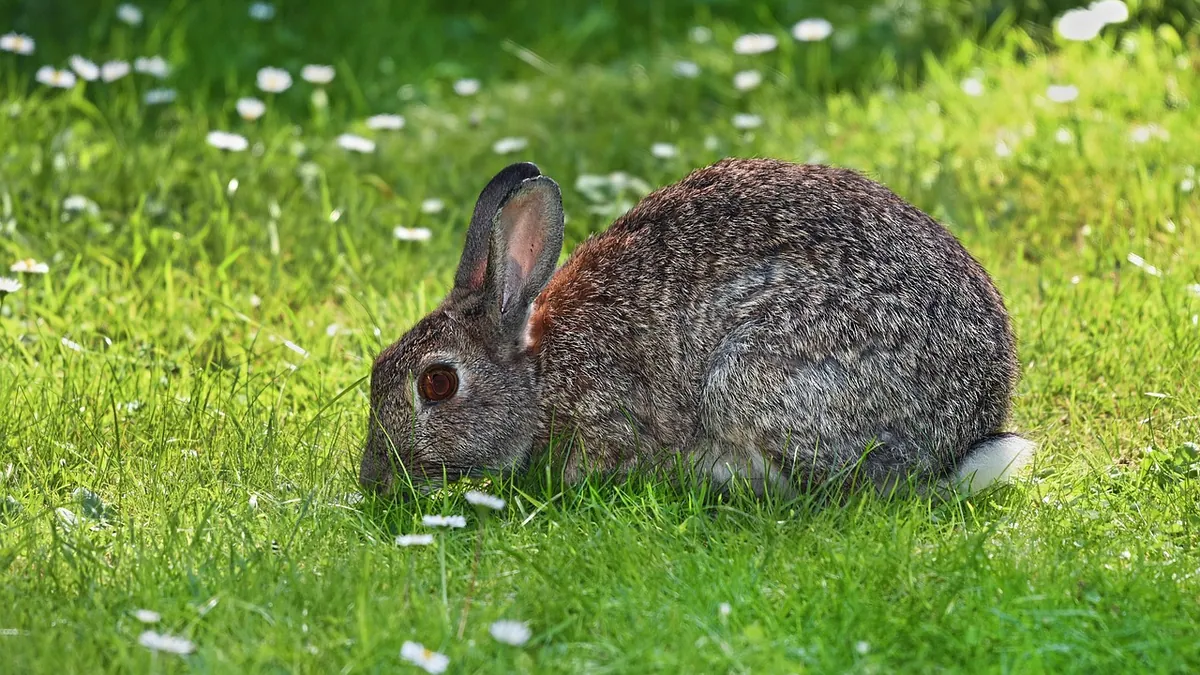
Rabbits can eat mint leaves, basil leaves, and peppermint leaves in small amounts, and guinea pigs can eat them too. Pepper leaves are a different story, and the answer depends on which pepper plant you mean. This article is educational and is not a substitute for veterinary diagnosis or treatment.
Quick Answer
- Mint, peppermint, and basil are safe for rabbits and guinea pigs as occasional treats, not daily staples.
- Herbs should make up a tiny part of the diet. Grass hay should be the main food for both species [1][2].
- Sweet bell pepper leaves are generally considered safe in small amounts, but hot chili pepper leaves and ornamental pepper plants should be avoided.
- Marshmallow leaves are a traditional herb and are generally considered safe in small amounts for rabbits.
- Any new food can cause digestive upset. Introduce one new item at a time and watch for soft droppings, loss of appetite, or hiding.
Can Rabbits Eat Mint Leaves?
Yes, rabbits can eat mint leaves. Mint is not toxic to rabbits, and small amounts are generally well tolerated. The key word is small. Mint is a treat, not a meal.
Rabbits are herbivores with a specialized digestive system [1]. They are also selective eaters that naturally choose nutrient-rich leaves and new plant shoots over mature, high-fiber plant material [3]. That means your rabbit may happily eat mint and then ignore the hay it actually needs. A healthy rabbit diet should be about 85 to 90 percent grass hay, plus a smaller amount of pellets containing 15 to 20 percent crude fiber [1]. High fiber supports digestion and lowers the risk of intestinal disease, while low-fiber diets raise the chance of severe digestive illness, especially in young rabbits [1].
What About Peppermint Leaves?
Can rabbits eat peppermint leaves? Yes, peppermint (Mentha × piperita) is a type of mint, and it falls into the same category. Small amounts are fine. Peppermint has a strong aroma and flavor, so many rabbits will eat a leaf or two and then walk away. That is normal.
One thing to know is that peppermint contains essential oils and plant compounds. A scientific opinion on peppermint tincture used as a feed additive calculated safe concentrations in complete feed for many species, including 101 mg/kg for rabbits [4]. That number is about manufactured feed additives, not fresh leaves from your garden. It tells you that peppermint compounds are not automatically dangerous at low levels, but it does not give you a serving size for fresh peppermint. Do not try to calculate a dose from that figure. Offer a small leaf or two and no more.
How Much Mint Can a Rabbit Have?
There is no official serving size for fresh mint in rabbits. A practical approach is one to two small leaves, or a pinch of chopped mint, a few times a week. Treat herbs like a garnish, not a salad bowl.
If your rabbit has never eaten mint, start with a single small leaf. Wait 24 hours. Check the droppings and appetite. If everything looks normal, you can offer that amount again later in the week.
Can Guinea Pigs Eat Mint Leaves?
Yes, guinea pigs can eat mint leaves in small amounts. Guinea pigs are herbivores too, and their diet should be built around good-quality grass hay such as timothy or orchard grass [2]. Hay wears down their continually growing teeth and provides the fiber they need for proper digestion [2]. They also need about 2 tablespoons (1/8 cup) of good-quality guinea pig pellets daily, plus small amounts of vegetables and limited fruit [2].
Mint fits into the vegetable and treat category. Offer one small leaf at a time. Guinea pigs are often picky and form food preferences early, so introduce new foods slowly [2]. If your guinea pig has never had mint, one leaf is plenty for the first try.
For a broader look at what belongs on a guinea pig's plate, see What Guinea Pigs Can and Cannot Eat.
Can Rabbits Eat Basil Leaves?
Yes, rabbits can eat basil leaves. Basil (Ocimum basilicum) is a soft, aromatic herb that most rabbits will sniff and then nibble. It is safe in small amounts.
Basil contains plant compounds such as rosmarinic acid, caffeic acid, and flavonoids including rutin [5]. In laboratory work on rat intestinal tissue, basil leaf extracts produced concentration-dependent inhibitory effects on intestinal muscle contractions, with one extract reducing spontaneous contractions by up to about 46 percent [5]. That is an in vitro study on rat tissue, not a feeding trial in rabbits. It does not mean basil will stop your rabbit's gut from moving. It does suggest that basil has active compounds that can affect gut muscle in a lab setting, which is one more reason to keep servings small.
A related herb, Ocimum gratissimum, was tested in weaner rabbits as part of their diet at inclusion levels of 5, 10, and 15 percent, and the study measured growth, blood profile, and parasite eggs [6]. That is a farm production study with dried, milled leaf meal mixed into feed, not fresh basil leaves handed to a pet rabbit. It does not give you a safe fresh-leaf serving size. Use it only as general reassurance that this plant family has been fed to rabbits in research settings.
Basil for Guinea Pigs
Guinea pigs can also have a small basil leaf now and then. The same rules apply. One leaf, introduced slowly, with hay as the main food [2].
Can Rabbits Eat Pepper Leaves?
This one needs a clear distinction. "Pepper leaves" can mean sweet bell pepper leaves, hot chili pepper leaves, or leaves from ornamental pepper plants sold as houseplants.
Sweet bell pepper leaves are generally considered safe for rabbits in small amounts. They come from the same plant that produces the bell peppers you eat. Hot chili pepper leaves are a different matter. Chili peppers contain capsaicin, the compound that causes burning and irritation. Capsaicin irritates the gastrointestinal tract, and that is true across species. You can read more about how capsaicin affects the gut in Can Dogs Eat Cayenne Pepper? Capsaicin GI Irritation Guide. The same irritation concern applies to a rabbit's sensitive digestive tract.
Ornamental pepper plants are often grown for looks, not food, and they may be treated with pesticides or fertilizers not meant for edible plants. Keep those away from your rabbit.
If you are not sure which pepper plant you have, do not feed the leaves. The risk is not worth it.
Can Rabbits Eat Marshmallow Leaves?
Yes, marshmallow leaves (from the herb Althaea officinalis) are generally considered safe for rabbits in small amounts. This is the marshmallow plant, not the marshmallow candy. The leaves are soft and mild, and they are a traditional herb fed to small herbivores.
Marshmallow leaves are not a substitute for hay or pellets. They are an occasional green. Offer one or two leaves and watch for any change in droppings or appetite.
Do not confuse marshmallow leaves with marshmallow candy. Candy contains sugar and sometimes xylitol, and xylitol is dangerous for small pets. Never feed candy, baked goods, or processed human foods to a rabbit or guinea pig.
Safe and Unsafe Herbs and Leaves at a Glance
| Form | Safe? | Notes |
|---|---|---|
| Fresh mint leaves | Yes, small amounts | One to two small leaves a few times a week |
| Fresh peppermint leaves | Yes, small amounts | Strong flavor, many pets eat only a little |
| Fresh basil leaves | Yes, small amounts | One leaf at a time, introduce slowly |
| Sweet bell pepper leaves | Generally yes, small amounts | Only if you know the plant and it is untreated |
| Hot chili pepper leaves | No | Capsaicin irritates the GI tract |
| Ornamental pepper plant leaves | No | May carry pesticides or fertilizers not meant for food |
| Marshmallow leaves | Generally yes, small amounts | Herb, not candy |
| Dried herb mixes with salt, garlic, or onion | No | Garlic and onion are toxic to small pets |
| Candied or sugared herbs | No | Sugar and possible xylitol |
| Hay (timothy, orchard grass) | Yes, main food | 85 to 90 percent of a rabbit's diet [1] |
Risks of Feeding Herbs to Rabbits and Guinea Pigs
The biggest risk is not the herb itself. It is what the herb replaces. If your rabbit fills up on mint, basil, and pepper leaves, it eats less hay. A low-fiber diet raises the chance of severe digestive illness, especially in young rabbits [1]. That is the real danger.
Other risks include:
- Digestive upset. Any new food can cause soft droppings, gas, or a slowdown in gut movement. Introduce one new item at a time.
- Pesticides and fertilizers. Garden herbs and houseplant leaves may carry chemicals. Wash anything you grow yourself, and know your source.
- Added ingredients. Dried herb blends for humans may contain salt, garlic, onion, or preservatives. Garlic and onion are toxic to small pets. Xylitol is dangerous too. Read labels or skip them.
- Choking. Large pieces of stem or tough leaf can be hard to chew. Cut herbs into small pieces.
- Overeating. Rabbits are concentrate selectors and will choose energy-dense foods over high-fiber ones [3]. They will overeat treats if you let them.
How to Offer Mint, Basil, and Other Herbs Safely
Follow these steps:
- Start with hay. Feed unlimited grass hay every day. For rabbits, hay should be 85 to 90 percent of the diet [1]. For guinea pigs, hay is the main food [2].
- Keep pellets measured. Rabbits get a small amount of pellets with 15 to 20 percent crude fiber [1]. Guinea pigs get about 2 tablespoons (1/8 cup) of high-fiber, low-carb pellets daily [2].
- Add one new herb at a time. Offer a single small leaf. Wait a day. Watch droppings and appetite.
- Wash fresh herbs. Rinse under running water and pat dry.
- Cut into small pieces. This lowers choking risk and makes the treat last longer.
- Avoid stems and woody parts. Soft leaves are easier to chew.
- Never feed cooked, seasoned, or candied herbs. No oil, salt, garlic, onion, or sugar.
- Keep treats under 10 percent of the diet. Herbs are a garnish, not a meal.
Parts and Preparations to Avoid
- Stems that are thick or woody
- Leaves sprayed with pesticides or fertilizer
- Dried herb mixes with salt, garlic, onion, or preservatives
- Candied herbs or herb-flavored treats with sugar
- Any product containing xylitol
- Hot pepper leaves and ornamental pepper plants
What to Do If Your Pet Ate Too Much or a Dangerous Form
If your rabbit or guinea pig ate a large amount of mint, basil, or sweet pepper leaves, do not panic. Remove the rest of the food. Offer fresh hay and water. Watch for soft droppings, diarrhea, gas, hiding, or refusing food.
If your pet ate hot chili pepper leaves, ornamental pepper plant leaves, garlic, onion, or anything containing xylitol, call your veterinarian or a pet poison control line right away. Do not wait for symptoms.
If your pet stops eating, stops producing droppings, or sits hunched and grinds its teeth, that is an emergency. Rabbits and guinea pigs can decline quickly when the gut slows down. Call your veterinarian the same day.
Safer Alternatives to Mint and Basil
If you want to add variety without much risk, these are good choices:
- Romaine lettuce
- Green leaf lettuce
- Cilantro
- Parsley (small amounts)
- Dandelion greens
- Bell pepper (the fruit, not the leaves)
- Small pieces of carrot
- Apple slices without seeds
For guinea pigs, keep the same framework. Hay first, pellets measured, vegetables small, fruit limited [2]. For dogs in your home, strawberry leaves and stems are a separate question. You can read about that in Can Dogs Eat Strawberry Leaves And Stems and Can Dogs Eat Strawberry Stems And Leaves.
Limitations and When to Contact a Veterinarian
This article gives general guidance. It cannot tell you what is right for your individual rabbit or guinea pig. Your veterinarian needs to examine your pet, ask about its history, and consider its weight, age, and health conditions.
Contact your veterinarian the same day if you see:
- No droppings for 12 hours or more
- Soft, watery, or misshapen droppings
- Refusing food or water
- Hiding, hunched posture, or teeth grinding
- Bloated or hard belly
- Drooling or trouble swallowing
Go to an emergency clinic now if your pet:
- Collapses or cannot stand
- Breathes with an open mouth
- Has seizures or tremors
- Ate a known toxin such as xylitol, garlic, or onion
For a routine visit, ask your veterinarian about your pet's diet at the next checkup. Bring a list of everything you feed, including treats and herbs. That helps your veterinarian spot gaps before they become problems.
Frequently Asked Questions
Can rabbits eat mint leaves every day?
No, mint should not be a daily food. Offer it a few times a week at most, in small amounts. Hay needs to stay the main food so your rabbit gets enough fiber [1].
Can guinea pigs eat basil?
Yes, guinea pigs can eat a small basil leaf now and then. Introduce it slowly and keep hay as the main food [2]. Watch for any change in droppings or appetite.
Are pepper leaves safe for rabbits?
Sweet bell pepper leaves are generally safe in small amounts. Hot chili pepper leaves and ornamental pepper plant leaves should be avoided. If you are unsure which plant you have, do not feed it.
What happens if my rabbit eats too much mint?
Your rabbit may have soft droppings or a mild stomach upset. Remove the rest of the mint, offer fresh hay and water, and watch for appetite and droppings. Call your veterinarian if your rabbit stops eating or stops producing droppings.
Is marshmallow leaf safe for rabbits?
Marshmallow leaves from the herb Althaea officinalis are generally considered safe in small amounts. Do not confuse them with marshmallow candy, which contains sugar and may contain xylitol.
Related Articles
- Rabbit Diet: Hay, Greens, and Foods to Avoid
- Can Rabbits Eat Mint? Safe Types and Amounts
- Can Rabbits Eat Peppers? Bell, Sweet, and More
References
- Diet for Rabbits - All Other Pets. Merck Veterinary Manual.
- Diet for a Guinea Pig - All Other Pets. Merck Veterinary Manual.
- Nutrition of Rabbits - Exotic and Laboratory Animals. Merck Veterinary Manual.
- Safety and efficacy of a feed additive consisting of a tincture derived from the leaves or the aerial parts of Mentha × piperita L. (peppermint tincture) for use in all animal species (FEFANA asbl). EFSA journal. European Food Safety Authority, 2025.
- Effects of Basil (Ocimum basilicum L.) Leaf Extracts on Gastrointestinal Smooth Muscle Spasms: An In Vitro Study on Rat Ileum. Plants (Basel, Switzerland), 2026.
- Effects of Dietary Inclusion of Ocimum gratissimum and Vernonia amygdalina Leaf Meals on Growth Performance, Carcass Traits, Blood Profile, and Gastrointestinal Parasites in Weaner Rabbits. Veterinary medicine international, 2026.