Can Guinea Pigs Eat Basil, Parsley, and Herbs?
By Dr. Zubair Khalid, DVM, MS, PhD ·
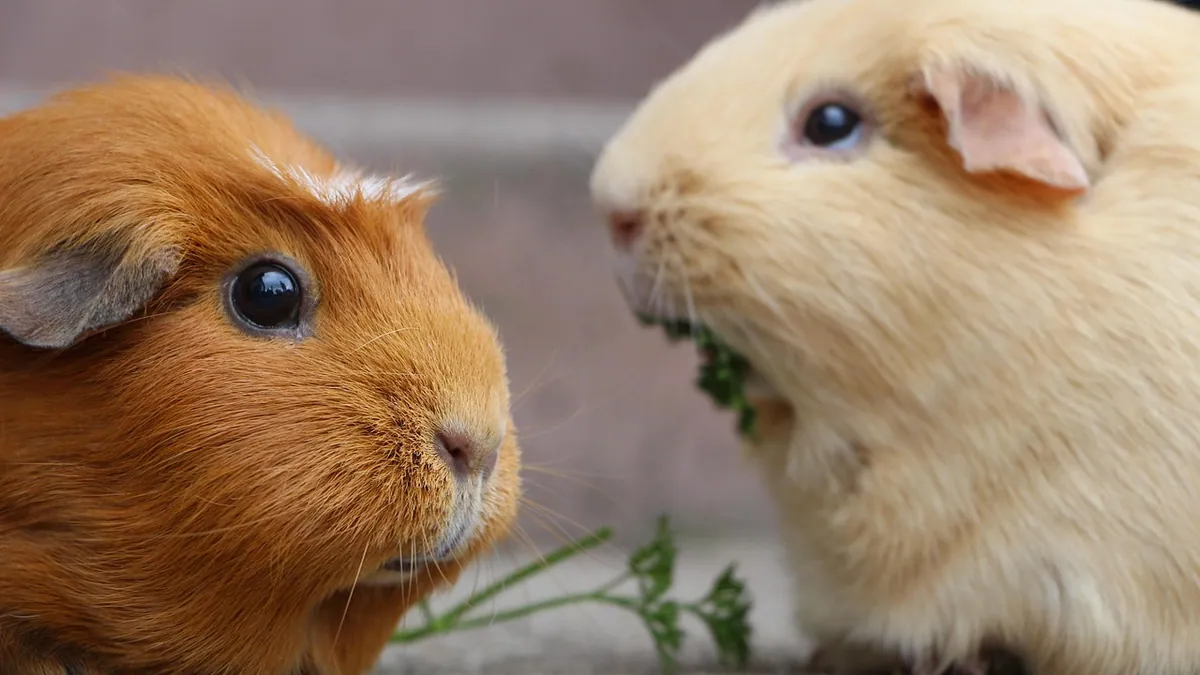
Guinea pigs can eat basil leaves, parsley, dill, and several other kitchen herbs, but the safe amount depends on the herb. Some herbs are low in calcium and fine as occasional treats, while others are high in calcium or carry compounds that can irritate the gut. This article is educational and is not a substitute for veterinary diagnosis or treatment.
Quick Answer
- Basil leaves are generally safe for guinea pigs in small amounts, roughly a few leaves a day, as part of a varied vegetable rotation.
- Parsley and dill are safe but parsley is high in calcium, so keep portions small, especially for adults.
- Rosemary, thyme, oregano, and mint are usually safe in tiny amounts because strong oils can upset the stomach.
- Pepper plant leaves (the leaves of bell or chili pepper plants) are not a good choice, and capsicum diets have been linked to digestive organ damage in guinea pigs [1].
- Never feed herbs that contain added salt, garlic, onion, xylitol, or oil, and always wash fresh herbs first.
Can Guinea Pigs Eat Basil Leaves?
Yes, guinea pigs can eat basil leaves. Basil is a soft, aromatic herb that most guinea pigs will nibble, and it fits into the leafy green portion of the diet. The key word is small. Basil should be a garnish, not a meal.
Basil contains phenolic acids, flavonoids, and essential oils that have shown antioxidant and antimicrobial activity in laboratory research [2]. Those compounds are interesting for human health research, but they do not mean your guinea pig needs large amounts of basil. A guinea pig's digestive system is built for grass hay, not concentrated herbs.
A safe approach is one to three small basil leaves per day for an adult guinea pig, offered alongside other low-calcium vegetables. Young, pregnant, or nursing guinea pigs have higher calcium needs, so ask your veterinarian before you change their diet [3].
What Basil Does and Does Not Do
Basil is not a medicine. Extracts of basil leaves have been shown to relax smooth muscle contractions in rat ileum tissue in the laboratory [4]. That is a test tube and tissue study, not proof that feeding basil to your guinea pig treats gas, bloat, or stomach pain. Do not use basil as a treatment for a sick guinea pig.
Basil does add variety and a little moisture and fiber. That is a real but modest benefit. The main value of herbs in a guinea pig diet is enrichment and taste variety, which can help picky eaters accept new foods [3].
Risks of Basil
The biggest risk with basil is overfeeding. Too many leafy greens, including herbs, can cause soft stool or diarrhea. Basil also contains small amounts of estragole and methyleugenol, compounds that appear in basil tincture at low concentrations [5]. A safety review of basil tincture as a feed additive found it very unlikely to cause adverse effects in long-living and reproductive animals at specified feed concentrations [5]. Those concentrations apply to commercial feed additives, not to a pile of fresh basil on a plate, so keep portions modest.
Watch for added ingredients. Store-bought pesto, basil oil, and seasoned basil blends often contain garlic, onion, salt, or preservatives. Garlic and onion can damage red blood cells in small pets. Xylitol is toxic. Never share prepared human foods with your guinea pig.
Can Guinea Pigs Eat Parsley Leaves?
Yes, guinea pigs can eat parsley leaves, but parsley is one of the herbs you should limit. Parsley is high in calcium and oxalates compared with many other herbs. Adult guinea pigs are prone to bladder stones and urinary sludge, and a high-calcium diet can make those problems worse.
For adult guinea pigs, keep parsley to a small sprig a few times a week, not a daily handful. If your guinea pig has a history of bladder stones, urinary tract problems, or blood in the urine, talk to your veterinarian before offering parsley at all.
Parsley is a traditional part of many guinea pig diets, and it is not poisonous. The issue is quantity and frequency. Think of parsley as a treat with a calcium cost, not a staple green.
Can Guinea Pigs Eat Rosemary Leaves?
Yes, guinea pigs can eat rosemary leaves, but only in very small amounts. Rosemary is a woody, strongly aromatic herb with concentrated essential oils. Those oils can irritate the mouth and stomach when eaten in quantity.
Offer one or two small needles or a tiny pinch of chopped rosemary at most, and not every day. Many guinea pigs will ignore rosemary entirely, which is fine. If your guinea pig turns up its nose, do not force it.
Do not feed rosemary oil, rosemary extract supplements, or rosemary-seasoned foods. The concentrated oil is far stronger than the fresh leaf and can cause mouth irritation or digestive upset.
Can Guinea Pigs Eat Dill Leaves?
Yes, guinea pigs can eat dill leaves. Dill is a soft herb with a mild flavor, and it is lower in calcium than parsley. That makes dill a reasonable occasional herb for adult guinea pigs.
Offer a small pinch of fresh dill fronds, roughly a teaspoon chopped, a few times a week. Dill seed and dill oil are much more concentrated than the leaf, so stick with the fresh green fronds. Avoid pickled dill products entirely because of the salt and vinegar.
If your guinea pig has never had dill, introduce it alone and watch for soft stool over the next day. New foods should be introduced slowly to avoid digestive upset [3].
Can Guinea Pigs Eat Pepper Plant Leaves?
No, pepper plant leaves are not a good choice for guinea pigs. The leaves of bell pepper, chili pepper, and other capsicum plants contain capsaicin and related compounds that can irritate the mouth, stomach, and intestines.
A controlled study in Hartley guinea pigs found that a capsicum diet elevated inflammatory markers and blood lipid levels and caused damage to the liver, stomach, gallbladder, and colon [1]. That study used a capsicum diet over 12 weeks, so it does not prove that one leaf will harm your pet. It does show that pepper plant material is not a safe routine food for guinea pigs.
The bell pepper fruit itself is a different story. Many guinea pig owners offer small pieces of red or green bell pepper for vitamin C. The leaves, stems, and seeds of the pepper plant should stay out of the cage.
Herb Safety Table
| Herb or Plant Part | Safe? | Notes |
|---|---|---|
| Basil leaves | Yes, small amounts | A few leaves daily, wash first, no pesto or oil |
| Parsley leaves | Yes, limited | High in calcium, small sprig a few times a week for adults |
| Dill leaves | Yes, limited | Lower calcium than parsley, small pinch a few times a week |
| Rosemary leaves | Yes, tiny amounts | Strong oils, one or two needles at most, skip the oil |
| Thyme, oregano, mint | Yes, tiny amounts | Aromatic oils, occasional pinch only |
| Cilantro | Yes, small amounts | Mild herb, good rotation option |
| Pepper plant leaves | No | Capsicum diet linked to organ damage in guinea pigs [1] |
| Herb oils, pesto, seasoned blends | No | Often contain garlic, onion, salt, or xylitol |
How to Offer Herbs Safely
Start with one herb at a time. Give a small piece and wait a day to see how your guinea pig responds. Loose stool, gas, or a drop in appetite means stop that herb and call your veterinarian.
Wash all fresh herbs under running water and pat them dry. Pesticide residue and dirt are common on grocery store bunches. Organic does not mean clean.
Cut herbs into small pieces. Long stems and woody sprigs can be a choking hazard or get stuck in the cheek teeth. Remove any uneaten herbs after a few hours so they do not wilt and grow bacteria.
Keep the base of the diet steady. Grass hay such as timothy or orchard grass should be the main food, with about 2 tablespoons of guinea pig pellets daily and a variety of vegetables [3]. Herbs are a small part of that vegetable portion. If you want a full picture of what belongs on the plate, see What Guinea Pigs Can and Cannot Eat and Guinea Pig Diet Food.
Choose pellets wisely. Alfalfa-based pellets are higher in calcium and suit young, growing, or pregnant guinea pigs, while adult guinea pigs do better on timothy-based pellets with less calcium [3]. If you are feeding parsley often, that calcium adds up.
Parts and Preparations to Avoid
- Herb oils, extracts, and essential oils
- Pesto and other sauces made with garlic, onion, or cheese
- Salted, roasted, or fried herb products
- Dried herb mixes made for humans, which may contain preservatives
- Any product sweetened with xylitol
- Stems that are thick, woody, or sharp
What to Do If Your Guinea Pig Ate Too Much
If your guinea pig ate a large amount of basil, parsley, dill, or another safe herb, remove the rest and watch for soft stool, bloating, or reduced appetite. Most mild overeating causes loose droppings that settle within a day once hay is the main food again.
If your guinea pig ate pepper plant leaves, garlic, onion, xylitol, or an herb oil, call your veterinarian or an animal poison control service right away. Do not wait for symptoms. Small pets can decline quickly.
If your guinea pig stops eating, sits hunched, grinds its teeth, or has diarrhea that lasts more than a few hours, that is a same-day veterinary problem. Guinea pigs cannot fast for long without serious consequences.
Safer Alternatives to Herbs
If you want low-calcium greens for daily feeding, several options beat parsley. Cilantro, romaine lettuce, green leaf lettuce, and small amounts of bell pepper are common choices. Bell pepper also provides vitamin C, which guinea pigs cannot make on their own.
Chicory and plantain are forage plants that have been studied as guinea pig feed. Diets including 30 to 50 percent chicory improved final live weight in one study of guinea pigs in the Peruvian highlands [6]. That research looked at farm production, not pet treats, so treat it as background information. Small amounts of chicory or plantain leaves can still add variety for a pet guinea pig.
Rotate your greens instead of feeding the same herb every day. Variety helps balance calcium and other nutrients, and it keeps your guinea pig interested in food [3].
Limitations and When to Contact a Veterinarian
This article covers general herb safety. It cannot tell you what is right for your individual guinea pig. A guinea pig with bladder stones, kidney disease, dental problems, or a sensitive gut may need a different plan. Your veterinarian can calculate portions and any treatment dose based on your pet's weight and health.
Call your veterinarian the same day if your guinea pig has diarrhea, bloating, drooling, or a sudden drop in appetite after eating herbs. Call an emergency clinic right away if your guinea pig ate garlic, onion, xylitol, pepper plant leaves, or an essential oil, or if it is breathing hard, collapsed, or having seizures.
Schedule a routine visit if your guinea pig has repeated soft stool after new foods, has blood in the urine, strains to urinate, or is losing weight. Skin problems such as hair loss and crusty patches can also point to underlying issues, which are covered in Ringworm In Guinea Pigs: Comprehensive Veterinary Reference Guide.
Frequently Asked Questions
Can guinea pigs eat basil every day?
Yes, a few small basil leaves can be offered daily as part of a varied vegetable mix. Keep the total amount small so hay stays the main food. If your guinea pig gets soft stool, cut back.
Is parsley or basil better for guinea pigs?
Basil is the better everyday choice because parsley is higher in calcium. Parsley is still safe in small, occasional amounts. Adult guinea pigs with urinary problems should avoid frequent parsley.
Can guinea pigs eat dried herbs from the spice rack?
No, dried culinary herbs are not a good choice. They are concentrated, often salted or blended, and lack the moisture of fresh leaves. Stick with fresh, washed herbs in small amounts.
Do herbs count toward my guinea pig's daily vegetables?
Yes, herbs count as part of the leafy vegetable portion. They do not replace hay or pellets. Hay should always be available, with about 2 tablespoons of pellets daily [3].
What if my guinea pig refuses all herbs?
That is completely normal and not a problem. Many guinea pigs prefer lettuce, bell pepper, and cilantro. Offer a variety of safe vegetables and let your guinea pig choose what it likes [3].
Related Articles
- What Guinea Pigs Can and Cannot Eat
- Guinea Pig Diet Food
- Ringworm In Guinea Pigs: Comprehensive Veterinary Reference Guide
- Can Rabbits and Guinea Pigs Eat Mint, Basil, and Pepper Leaves?
- Can Guinea Pigs Eat Collard, Mustard and Turnip Greens?
- Can Guinea Pigs Eat Cauliflower, Celery and Broccoli Leaves?
References
- Comparative study on the effects of high fat diet and capsicum diet on the digestive organs of guinea pigs. Scientific reports, 2025.
- Antioxidant, Antimicrobial, and Anticancer Activity of Basil (Ocimum basilicum). Antioxidants (Basel, Switzerland), 2025.
- Diet for a Guinea Pig - All Other Pets. Merck Veterinary Manual.
- Effects of Basil (Ocimum basilicum L.) Leaf Extracts on Gastrointestinal Smooth Muscle Spasms: An In Vitro Study on Rat Ileum. Plants (Basel, Switzerland), 2026.
- Safety and efficacy of a feed additive consisting of a tincture derived from the leaves of Ocimum basilicum L. (basil tincture) for use in all animal species (FEFANA asbl). EFSA journal. European Food Safety Authority, 2025.
- Chicory (Cichorium intybus L.) and plantain (Plantago lanceolata L.) inclusion improves some growth, production, and carcass characteristics of guinea pigs (Cavia porcellus L.) in the Peruvian highlands. Open veterinary journal, 2026.