Can Rabbits, Guinea Pigs, and Hamsters Eat Applesauce?
By Dr. Zubair Khalid, DVM, MS, PhD ·
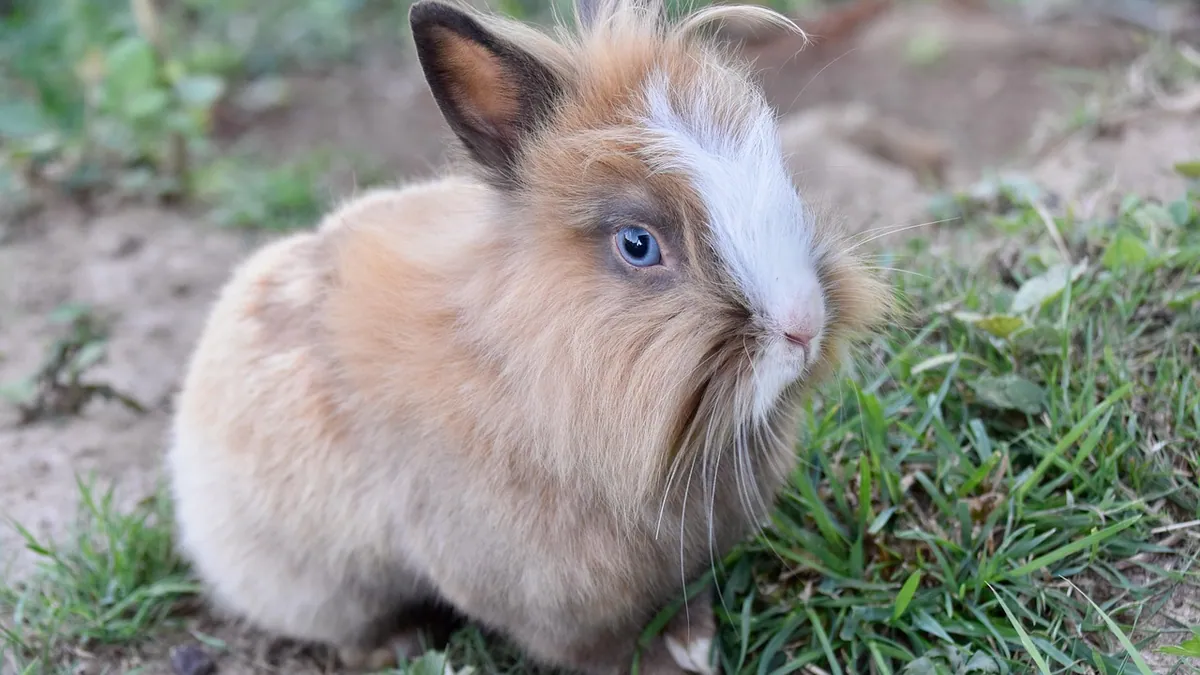
Rabbits should not eat applesauce. The sugar load and added ingredients make it a poor choice for small herbivores, and the same is true for guinea pigs and hamsters. If you are asking "can rabbits eat applesauce," the short answer is no, and this article explains why plus what to offer instead.
This article is educational and is not a substitute for veterinary diagnosis or treatment.
Quick Answer
- Applesauce is unsafe for rabbits, guinea pigs, and hamsters because of its concentrated sugar and common additives.
- Cinnamon applesauce is not safer. Cinnamon and preservatives add risk without any benefit.
- A rabbit's diet should center on grass hay, with pellets and small amounts of vegetables, and fruit only as a rare treat [1].
- Guinea pigs are herbivores that need grass hay as the main food, about 2 tablespoons of pellets daily, and only limited fruit [1].
- If your pet ate a large amount of applesauce or a version with xylitol, call your veterinarian or a pet poison hotline right away.
Can Rabbits Eat Applesauce? The Direct Verdict
No. Applesauce is not a safe food for rabbits. Rabbits are herbivores built to process fiber from hay and fresh plants, not concentrated fruit sugar. Applesauce is essentially fruit with the fiber structure broken down and often sugar or preservatives added, which concentrates the sugars and removes the chewing benefit of whole fruit.
A rabbit's digestive system depends on a steady flow of high-fiber food. Grass hay wears down continuously growing teeth and provides the fiber needed for proper digestion [1]. A sugary, low-fiber food like applesauce works against both of those needs. It offers calories without the fiber, and it can upset the balance of bacteria in the gut.
The same logic applies to guinea pigs and hamsters. Guinea pigs are herbivores whose healthy diet is built on grass hay, a measured amount of pellets, small amounts of vegetables, and limited fruit [1]. Hamsters are omnivores with different needs, but applesauce is still a sugary, sticky food that does not fit a healthy small-pet diet.
If you want to understand how fruit fits into a small herbivore's diet overall, see What Guinea Pigs Can and Cannot Eat.
Can Guinea Pigs Eat Applesauce?
No. Guinea pigs should not eat applesauce. Like rabbits, guinea pigs are herbivores, and their diet should be based on good-quality grass hay such as timothy or orchard grass, offered as the main food [1]. Hay should be given in a rack to keep it clean and dry, and chewing it helps wear down their continually growing teeth while supplying fiber for digestion [1].
Guinea pigs also need about 2 tablespoons (1/8 cup) of good-quality pellets daily, chosen to be high in fiber and low in carbohydrates [1]. Fruit is only a limited part of the diet, and applesauce is a poor way to offer it because the sugar is concentrated and the fiber is largely gone.
Guinea pigs are often picky and form food preferences early, so it helps to introduce new foods slowly and keep the diet broad with high-fiber pellets, small amounts of vegetables, and limited fruit [1]. Applesauce does not fit that plan.
Can Hamsters Have Applesauce?
No. Hamsters should not have applesauce. Hamsters are small and their total daily food intake is tiny, so even a small spoonful of applesauce can deliver a large dose of sugar relative to their body size. Sugary, sticky foods can also cling to the cheek pouches hamsters use to store food, which is not ideal.
There is no nutritional reason to give a hamster applesauce. A balanced commercial hamster diet plus appropriate fresh items covers their needs. If you want to offer a treat, a tiny piece of a safe fresh fruit or vegetable is a better choice than a spoonful of sauce.
Can Rabbits Eat Cinnamon Applesauce?
No. Cinnamon applesauce is not safer than plain applesauce, and it may be worse. The cinnamon adds a flavoring that offers no nutritional benefit, and many cinnamon applesauce products contain extra sugar or preservatives. The core problem stays the same, which is concentrated sugar with little fiber.
Some owners think cinnamon is harmless because it is a spice. For a small herbivore, the issue is not the cinnamon alone but the whole product. You cannot control how much sugar or what additives are in a jar of cinnamon applesauce, and you cannot easily judge how much your pet actually swallowed. The safest choice is to skip it entirely.
The same answer applies to guinea pigs and cinnamon applesauce. There is no version of cinnamon applesauce that fits a guinea pig's hay-based, low-sugar diet [1].
Nutritional Content and Any Real Benefit
Applesauce does contain some nutrients from apples, including small amounts of vitamins and natural fruit sugars. The problem is the form. When apples are cooked down into sauce, the cell structure and much of the fiber are broken apart, so the sugars are more concentrated and absorbed quickly.
For a rabbit, guinea pig, or hamster, that trade is a bad one. These animals need fiber-dense food, not sugar-dense food. The fiber in whole fruit and hay supports digestion and dental health, and applesauce removes most of that benefit while keeping the sugar.
There is no real benefit to feeding applesauce to a small herbivore or a hamster. Any vitamins it provides are available in safer forms, and the risks outweigh the small nutritional value.
Risks of Applesauce for Small Pets
Sugar and digestive upset
The biggest risk is the sugar load. A sudden influx of sugar can disrupt the gut bacteria that small herbivores depend on, leading to soft stool, diarrhea, or a slowdown in gut movement. Guinea pigs and rabbits are especially sensitive to diet changes, which is why new foods should be introduced slowly [1].
Additives and hidden ingredients
Many applesauce products contain added sugar, high-fructose corn syrup, preservatives, or artificial flavors. Some flavored or specialty applesauces may contain xylitol, a sugar alcohol that is dangerous to pets. Others may include salt, garlic, or onion in savory blends, all of which are harmful. You cannot assume a jar of applesauce is plain fruit.
Choking and sticky texture
Applesauce is thick and sticky. A small pet can aspirate or choke on it, especially if it is offered quickly or in a large amount. Sticky food can also clump in the mouth or cheek pouches.
Dental and weight concerns
Sugary foods contribute to dental problems and weight gain over time. Rabbits and guinea pigs have teeth that grow continuously, and a diet low in abrasive fiber does not wear them down properly [1].
Table: Applesauce Forms and Safety
| Form | Safe? | Notes |
|---|---|---|
| Plain unsweetened applesauce | No | Still concentrated sugar with little fiber |
| Sweetened applesauce | No | Added sugar increases the risk |
| Cinnamon applesauce | No | Cinnamon and possible additives add risk |
| Applesauce with xylitol | No, emergency | Xylitol is dangerous, contact a vet or poison hotline |
| Applesauce with garlic, onion, or salt | No, emergency | These ingredients are toxic to small pets |
| Whole apple, tiny piece, no seeds | Rare treat only | Seeds and core should be removed |
How to Offer Fruit Safely (and What to Avoid)
If you want to give your rabbit or guinea pig a fruit treat, use a small piece of fresh fruit instead of sauce. Remove seeds and the core, because apple seeds contain compounds that can release cyanide when chewed. The flesh of a fresh apple in a very small amount is a far better option than applesauce.
For rabbits and guinea pigs, fruit should be a rare treat, not a daily food. The base of the diet stays grass hay, with a measured amount of pellets and small amounts of vegetables [1]. Keep portions tiny and introduce any new food slowly, watching for changes in stool or appetite.
For hamsters, skip applesauce and offer a small piece of a safe fresh fruit or vegetable instead. Keep treats occasional and small.
What to avoid entirely:
- Any applesauce with xylitol
- Applesauce with garlic, onion, salt, or savory flavorings
- Large spoonfuls of any applesauce
- Applesauce as a substitute for hay, pellets, or water
If you are comparing how different fruits and sauces are handled across species, these guides may help: Can Dogs Eat Applesauce? Unsweetened Safety & Additives and Can Dogs Eat Apples? Seed Cyanide Risks & Portions.
What to Do If Your Pet Ate Applesauce
If your rabbit, guinea pig, or hamster ate a small lick of plain applesauce, the risk is usually low. Watch for changes in appetite, stool, or behavior over the next day. Offer plenty of fresh hay and water, and do not give more treats.
If your pet ate a large amount, or ate a version containing xylitol, garlic, onion, or another concerning additive, treat it as an emergency. Call your veterinarian or a pet poison hotline right away. Do not wait for symptoms to appear.
Signs that need same-day veterinary attention include:
- Diarrhea or very soft stool
- Not eating or refusing hay
- Lethargy or hiding
- Drooling or pawing at the mouth
- Bloated or painful belly
- Trouble breathing
Small herbivores can decline quickly when their gut is upset, so it is better to call early than to wait.
Safer Alternatives to Applesauce
The safest treat for a rabbit or guinea pig is more hay. A fresh handful of high-quality grass hay is the best "treat" you can offer, and it supports dental and digestive health [1]. Small amounts of appropriate vegetables are the next best choice.
For a rare fruit treat, a tiny piece of fresh apple flesh with the seeds and core removed is safer than applesauce. Other small-pet-safe fruits can be offered in very small amounts, but keep fruit to a minimum.
For hamsters, a small piece of a safe fresh vegetable or fruit works better than any sauce. Keep portions tiny and offer treats only occasionally.
If you want to compare how other pets handle fruit-based foods, see Can Dogs Eat Strawberry Flavored Applesauce and Can Dogs Eat Strawberries And Apples. The rules differ by species, so always check before sharing.
Limitations and When to Contact a Veterinarian
This article gives general guidance, not a diagnosis. Every animal is different, and individual cases need a veterinarian who can examine your pet, ask about the amount eaten, and check for underlying problems.
Contact your veterinarian the same day if your rabbit, guinea pig, or hamster shows diarrhea, stops eating, becomes lethargic, or seems uncomfortable after eating applesauce. Call immediately, as an emergency, if you know or suspect your pet ate applesauce containing xylitol, garlic, onion, or another toxic ingredient, or if your pet is having trouble breathing, drooling heavily, or appears to be in pain.
For routine questions about diet, treats, and portion sizes, schedule a normal visit. Your veterinarian can help you build a safe feeding plan based on your pet's species, age, weight, and health.
Frequently Asked Questions
Can rabbits eat applesauce in small amounts?
No, even small amounts are not recommended. Applesauce is concentrated sugar with little fiber, and a rabbit's diet should be built on grass hay, pellets, and small amounts of vegetables [1]. A tiny lick is unlikely to be an emergency, but it is not a safe or useful treat.
Can guinea pigs eat applesauce?
No. Guinea pigs are herbivores that need grass hay as their main food, about 2 tablespoons of pellets daily, and only limited fruit [1]. Applesauce does not fit that pattern and can upset their digestion.
Can hamsters have applesauce?
No. Hamsters are small, so even a little applesauce delivers a lot of sugar for their size. A balanced commercial diet plus tiny pieces of safe fresh food is a better approach.
Is cinnamon applesauce safer than plain applesauce for rabbits?
No. Cinnamon applesauce is not safer. The cinnamon adds no benefit, and many cinnamon applesauce products contain extra sugar or preservatives. The sugar and low fiber remain the main problems.
What should I do if my rabbit ate a lot of applesauce?
Call your veterinarian or a pet poison hotline right away if a large amount was eaten or if the applesauce contained xylitol or other additives. Watch for diarrhea, not eating, lethargy, or a painful belly, and seek care the same day if any of these appear.
Related Articles
- Can Rabbits Eat Apples, Pears, and Other Fruits?
- Rabbit Food and Hay: A Nutritional Guide for Optimal Health
References
- Diet for a Guinea Pig - All Other Pets. Merck Veterinary Manual.