Do Gerbils Poop or Pee a Lot? What's Normal
By Dr. Zubair Khalid, DVM, MS, PhD ·
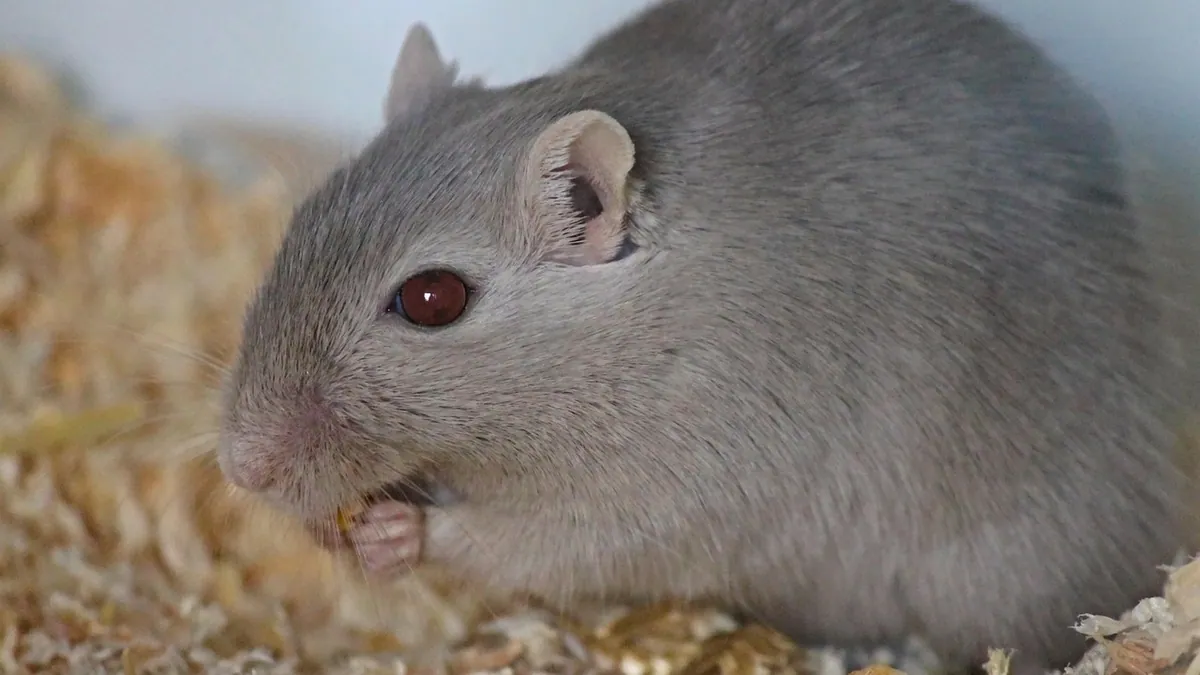
Gerbils do not poop or pee a lot compared with many other small pets. A healthy gerbil produces a steady but modest number of small, dry droppings each day and only a tiny amount of concentrated urine. Knowing what normal output looks like helps you spot diarrhea, diabetes, or urinary disease early.
This article is educational and is not a substitute for veterinary diagnosis or treatment.
Quick Answer
- A healthy gerbil passes many small, firm, oval droppings daily, but they are dry and low in volume, so the cage does not look heavily soiled.
- Gerbil urine output is normally very small and concentrated, a reflection of this species' desert origins and strong ability to conserve water [1].
- Droppings should be well formed and dark. Soft, watery, or foul-smelling stool is not normal and needs a vet visit [2].
- A sudden increase in drinking and urination is a warning sign, not a normal variation.
- Any change in the color, consistency, smell, or amount of urine or feces is an early warning sign of illness in gerbils [2].
What Normal Gerbil Output Looks Like
Gerbil droppings frequency and appearance
Gerbils are small rodents with a fast digestive transit, so they pass stool frequently through the day and night. You will usually find scattered, rice-grain-sized droppings around the cage instead of one or two large piles. Normal droppings are firm, oval, dark brown to black, and fairly dry. They should not leave wet smears, and they should not smell strongly.
Because gerbils are desert-adapted animals, their bodies are built to hold onto water. Wild Mongolian gerbils live in clay and sandy deserts, bush country, and arid steppes, and they have a high degree of resistance to heat stress and dehydration [1]. That biology carries over to your pet. Even though a gerbil eats and drinks daily, its stool stays dry and its urine stays concentrated.
Gerbil urination frequency and appearance
Healthy gerbil urine output is small. You may notice only a few damp spots in the bedding, often with a pale yellow to slightly cloudy color. Gerbil urine can look milky or chalky when it dries because rodents excrete concentrated minerals and proteins. A strong ammonia smell is not normal and can point to infection, dehydration, or dirty bedding.
Gerbils also do not respond to salty food or water the way rats do. In one study, female gerbils did not increase their water intake at any salt concentration tested, and males increased intake only at the highest levels [3]. Younger gerbils showed no differences in fluid intake after salt loads either [4]. This unusual water handling reflects the gerbil's distinctive adrenal and kidney structure and hormonal controls [4]. In plain terms, your gerbil is not a heavy drinker by nature, so a noticeable jump in water intake deserves attention.
Main Causes of Changed Poop or Pee in Gerbils
Changes in output usually fall into a few categories. The table below lists the most common causes, the clues that point to each one, and how quickly you should act.
| Cause | Typical clues | How urgent |
|---|---|---|
| Diet change or too much fresh food | Soft stool after new veggies or fruit, no other signs | Monitor 24 hours, call vet if it persists |
| Diarrhea from infection or parasites | Watery stool, soiled bottom, lethargy, weight loss | Same-day vet visit |
| Diabetes or high blood sugar | Heavy drinking, heavy urination, weight loss despite eating | Prompt vet visit |
| Urinary tract infection or bladder stones | Straining to pee, bloody or cloudy urine, crying, wet belly | Same-day vet visit |
| Stress or environmental change | Brief soft stool after a move or new cage mate | Monitor, vet if it lasts more than a day |
| Dental problems | Dropping food, weight loss, changed stool from poor eating | Routine to same-day vet visit |
Diarrhea and intestinal problems
True diarrhea in a gerbil is serious because these animals dehydrate quickly. Watery or mucus-covered stool, a dirty rear end, and a hunched posture are all signs that something is wrong. Diet plays a role in gut health. In one study, gerbils fed a high-fiber diet were significantly less likely to become infected with Giardia lamblia than gerbils on a low-fiber diet, and switching infected animals to high fiber cleared the parasite from the lower small intestine within 24 hours [5]. That does not mean fiber treats every case of diarrhea, but it does support feeding a good quality diet with adequate fiber.
If your gerbil has bloody or very loose stool, do not wait. The same urgency applies to other species, which is why guides like Dog Pooping Blood but Acting Normal: What to Do stress quick veterinary assessment for blood in stool.
Diabetes and increased urination
Gerbils can develop diabetes, and the classic pattern is a gerbil that suddenly drinks much more and urinates much more. You may see soaked bedding, a wet belly, and weight loss even though your pet is eating. This combination is a medical problem, not a personality quirk. A gerbil that is producing far more urine than usual needs a veterinary exam and testing.
Urinary tract and bladder problems
Gerbil bladder problems often show up as straining, frequent small urination attempts, bloody urine, or crying while peeing. A gerbil with a urinary blockage may stop producing urine altogether, which is an emergency. Watch for a swollen or tender belly and a gerbil that sits hunched or grinds its teeth. Bladder issues in small pets can escalate fast, so same-day care is the safe choice.
Dental disease and its effect on output
Gerbils' incisor teeth grow continuously, so they need to chew and gnaw constantly to wear them down [2]. Overgrown teeth cause pain, poor appetite, and weight loss [2]. When a gerbil eats less, its droppings get smaller and fewer. If you notice dropped food, drooling, or a gerbil that approaches food but will not eat, have the teeth checked.
Red Flags That Mean Emergency Care Now
Some changes cannot wait. Contact an emergency veterinary service right away if your gerbil has any of these:
- No urine output for many hours, or straining with nothing coming out
- Blood in the urine or stool
- Watery diarrhea that soaks the bedding
- A swollen, hard, or painful belly
- Collapse, seizures, or severe weakness
- Labored breathing or open-mouth breathing
- A body temperature that feels cold to the touch
A bloated, hard abdomen is a serious sign in any small pet. The same principle behind Why Is My Dog's Stomach So Bloated And Hard applies here: a distended, painful belly can signal a life-threatening problem and needs immediate evaluation.
What You Can Safely Do at Home While You Wait
While you arrange a vet visit, you can take steps that help without causing harm.
Keep a simple output log
For 24 hours, note how many droppings you see, whether they are formed, and how many damp spots appear in the bedding. Note how much water your gerbil drinks. This record gives your veterinarian useful information and helps you spot trends.
Protect hydration and warmth
Make sure fresh water is always available in a bottle that is working properly. Check the sipper tube for clogs or leaks. Keep your gerbil warm and quiet, and reduce handling to lower stress. Do not force fluids by mouth, because a struggling small rodent can inhale liquid into the lungs.
Do not give human medications
Never give human diarrhea or pain medications to a gerbil. Doses for small rodents are calculated by a veterinarian based on your pet's weight and health status, and many common human drugs are toxic to them. If your vet prescribes a medication, follow the exact instructions and dose provided.
Offer a bland, familiar diet
If your gerbil is still eating, keep the diet consistent. Sudden diet changes can worsen soft stool. If you want to add fiber, ask your vet first. Do not withhold food from a small rodent, because gerbils cannot fast safely.
Separate a sick gerbil if needed
Gerbils are social, so separation causes stress. If your gerbil lives with a companion, ask your vet whether separation is needed. In many cases, keeping the pair together with a clean, quiet setup is better, unless the vet advises otherwise.
What Your Veterinarian Will Check and Test
A veterinary visit for changed output starts with a full physical exam. Your vet will check your gerbil's weight, hydration, teeth, belly, and rear end. They will look for a wet or soiled coat, which can point to urinary or digestive problems.
Testing often includes a urine sample to check for blood, glucose, crystals, or infection. A fecal sample can reveal parasites or abnormal bacteria. Blood work may be recommended if diabetes or organ disease is suspected. Imaging such as an X-ray or ultrasound can help find bladder stones or a mass.
Your vet will also review diet, water intake, and housing. Because any change in the color, consistency, smell, or amount of urine or feces is an early warning sign of illness [2], your observations are a real part of the diagnostic picture. Treatment depends on the cause and may include fluids, antibiotics, antiparasitic drugs, a diet change, or dental care. Your vet will calculate any medication dose from your gerbil's weight and condition.
Prevention and Daily Monitoring
Good routine care prevents many output problems. Feed a balanced commercial gerbil diet with adequate fiber, and limit sugary treats. Provide unlimited chew toys, because gerbils need to gnaw constantly to keep their incisors worn down [2]. Small rope and wood parrot toys work well, and untreated scrap lumber is another inexpensive option [2].
Clean the cage regularly but avoid harsh fumes. Fresh water and a clean bottle matter every day. Weigh your gerbil weekly on a small kitchen scale and write down the number. Weight loss is one of the earliest signs of illness [2], and it often shows up before you notice a change in droppings or urine.
Watch for the early warning signs of illness: weight loss, decreased activity, a change in the appearance of the fur, and any change in the color, consistency, smell, or amount of urine or feces [2]. If you see any of these, call your veterinarian. Monitoring output is not glamorous, but it is one of the most reliable ways to catch a problem while it is still treatable.
If you keep other pets, remember that output changes mean different things in different species. A dog that eats poorly and stops pooping is a different situation, as covered in Dog Not Pooping but Eating Normally: Causes and Solutions, and a dog with a sudden increase in urination has its own set of causes, as discussed in Why Is My Dog Peeing So Much?. The principle is the same across species: a change from your pet's normal pattern is the signal to act.
Limitations and When to Contact a Veterinarian
This article gives general guidance only. Every gerbil is an individual, and only a veterinarian who examines your pet can diagnose and treat a specific problem.
Contact a veterinarian the same day if you see:
- Watery or bloody stool
- Bloody, cloudy, or foul-smelling urine
- Straining to urinate or poop
- A sudden increase in drinking and urination
- Weight loss, poor appetite, or dropped food
- A soiled or wet rear end
Seek emergency care immediately if your gerbil has no urine output, a swollen hard belly, collapse, seizures, labored breathing, or a cold body temperature.
Schedule a routine visit if you notice a mild, brief change in droppings that improves within a day, or if you have questions about diet, fiber, or dental care. When in doubt, call. Small rodents can decline quickly, and early treatment is almost always easier and safer than waiting.
Frequently Asked Questions
How many times a day does a gerbil poop?
A healthy gerbil passes small droppings many times throughout the day and night. Because each dropping is tiny and dry, the total volume stays low and the cage does not look heavily soiled. What matters more than an exact count is whether the droppings are well formed and consistent from day to day.
Is it normal for gerbil poop to be soft?
Occasional soft stool can follow a diet change or a stressful event, but persistent soft or watery stool is not normal. Diarrhea in a gerbil can lead to rapid dehydration. If soft stool lasts more than a day or comes with lethargy or weight loss, see a veterinarian.
Why is my gerbil peeing more than usual?
A sudden increase in urination often points to diabetes, a urinary tract infection, or kidney problems. It can also follow a switch to a diet with more water content, such as fresh vegetables. Because increased urination and drinking are classic illness signs, have your gerbil examined instead of waiting to see if it resolves.
Can a gerbil die from diarrhea?
Yes, diarrhea can be life threatening in a small rodent because of dehydration and electrolyte loss. Young, old, and already ill gerbils are at the highest risk. Treat any case of true diarrhea as urgent and contact a veterinarian promptly.
Does a gerbil's pee smell strong normally?
Normal gerbil urine has only a mild odor and often dries to a pale, chalky mark. A strong ammonia smell, a foul smell, or a sudden change in color or cloudiness can indicate infection, dehydration, or another problem. Any change in the smell or amount of urine is an early warning sign of illness and should prompt a vet visit [2].
Related Articles
References
- Gerbils - Exotic and Laboratory Animals. Merck Veterinary Manual.
- Routine Health Care of Gerbils - All Other Pets. Merck Veterinary Manual.
- Water intake after stomach loads of NaCl in Mongolian gerbils. The Journal of general psychology, 1980.
- Water intake after stomach loads of NaCl in 30-, 40-, and 50-day-old Mongolian gerbils. The Journal of general psychology, 1982.
- Dietary fiber and giardiasis: dietary fiber reduces rate of intestinal infection by Giardia lamblia in the gerbil. The American journal of tropical medicine and hygiene, 1989.