Why Is My Rabbit Not Using the Litter Box Anymore?
By Dr. Zubair Khalid, DVM, MS, PhD ·
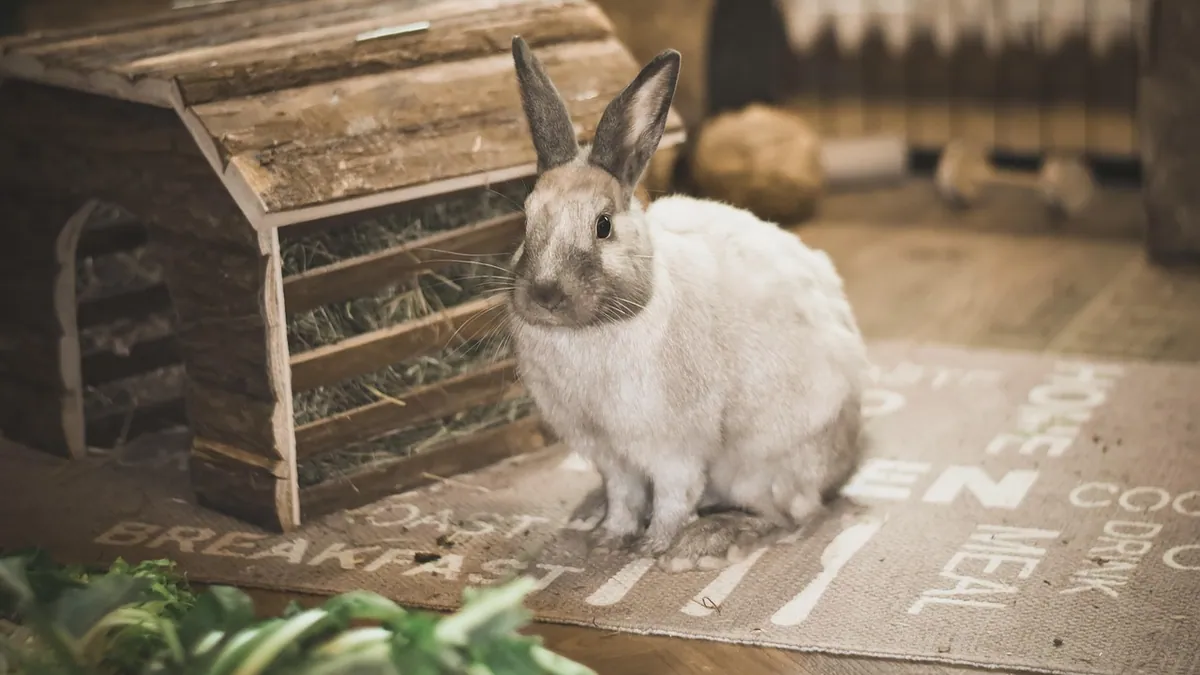
A rabbit that suddenly stops using the litter box is usually telling you something changed. The most common reasons are a medical problem such as a urinary tract infection, pain, or bladder sludge, followed by stress, hormonal marking, or a dirty or poorly placed box. If your rabbit is not using the litter box anymore, start by ruling out illness before you assume it is a behavior problem.
This article is educational and is not a substitute for veterinary diagnosis or treatment.
Quick Answer
- Any sudden change in litter box habits in an adult rabbit should be treated as a possible medical problem first, especially if your rabbit is straining, dribbling, or sitting hunched.
- Urinary outflow obstruction and bladder distension can occur in rabbits and cause painful, abnormal urination [1].
- Unneutered rabbits of both sexes mark with urine, and this often looks like litter box failure.
- Rabbits are social animals, and stress from a new pet, a move, or a changed routine can trigger urine marking [2].
- A rabbit that stops eating, stops passing droppings, or strains to urinate needs to be seen the same day.
Why Is My Rabbit Not Using the Litter Box Anymore?
There are two big buckets of causes: normal rabbit behavior and medical disease. Owners often jump straight to training, but the order matters. Rule out illness first, then work on behavior.
Normal reasons rabbits stop using the box
Rabbits are territorial and social. They use urine and droppings to communicate, and marking is a normal part of that. In one study of paired laboratory rabbits, urine marking was a recognized behavior during the bonding process, and the researchers built their pairing protocol around managing it [2]. Your pet rabbit has the same instincts.
Common normal triggers include:
- Hormones. An unneutered rabbit, male or female, is far more likely to spray and mark. Neutering usually reduces this, though it can take several weeks to settle.
- New smells or new animals. A new pet, a visiting pet, or even a wild rabbit outside the window can set off marking.
- Changes in the home. Moving, rearranging furniture, a new baby, or a new work schedule can all disrupt habits.
- Territory disputes. Two rabbits that were bonded may start marking if their relationship is shifting.
- A box that no longer suits them. Rabbits prefer a clean, roomy box with sides low enough to hop into easily.
What normal rabbit litter habits look like
Most rabbits pick one or two corners and use them consistently. Droppings scattered around the room are common and often harmless. Puddles outside the box are the bigger red flag. If your rabbit was reliable for months or years and then stopped, that shift points more toward a medical or stress trigger than simple laziness.
Medical Causes to Rule Out First
This is the part owners skip, and it is the part that matters most. A rabbit in pain from a urinary problem will urinate outside the box because the box now hurts, or because the rabbit cannot control where it goes.
Urinary tract problems
A recent report described rabbits with septa (abnormal membranes) forming in the urinary bladder, which led to partial urinary outflow obstruction, urinary retention, and bladder distension [1]. All seven rabbits in that case series showed clinical signs of urinary outflow obstruction and bladder distension [1]. This is a serious condition, and it shows how a bladder problem can completely change urination behavior.
Other urinary issues to consider:
- Urinary tract infection. Bacteria in the bladder cause pain, urgency, and frequent small puddles.
- Bladder sludge. Thick mineral sediment irritates the bladder and can partially block urine flow.
- Stones. Bladder or kidney stones cause pain and abnormal urination.
- Kidney disease. Rabbits with suspected chronic kidney disease showed higher urine protein levels and a significantly higher urine protein-to-creatinine ratio than healthy rabbits, along with differences in urine color, turbidity, pH, and occult blood on dipstick testing [3]. Kidney disease can change how much and how often a rabbit urinates.
Pain and mobility problems
Arthritis, spinal disease, sore hocks, and dental pain all make hopping into a litter box harder. A rabbit that hurts will urinate where it is standing. Watch for a rabbit that moves stiffly, sits in a hunched position, or avoids jumping.
Other medical causes
- Gastrointestinal stasis. A rabbit that is not eating or passing droppings is a medical emergency, and litter habits often change at the same time.
- Reproductive disease. Unspayed female rabbits are at high risk for uterine problems, which can cause straining and abnormal urination.
- Neurologic disease. Weakness or loss of bladder control can cause leakage.
What your veterinarian will check
Your vet will likely do a physical exam, feel your rabbit's bladder, and run a urinalysis. Depending on findings, they may recommend bloodwork, X-rays, or ultrasound. Urinalysis in rabbits is useful, and reference values for urine protein, creatinine, the protein-to-creatinine ratio, and gamma-glutamyl transferase have been established for healthy crossbred pet rabbits [3]. If your vet suspects a bladder septum or obstruction, they may use imaging or cystoscopy, since septa were visible via rigid cystoscopy in all seven reported cases [1].
When Litter Box Trouble Becomes a Real Problem
Occasional stray droppings are normal. These situations are not:
- Puddles outside the box every day. This suggests a medical or hormonal cause.
- Straining or crying while urinating. This can mean obstruction or infection.
- Urine scald. Wet fur on the belly, hind legs, or tail base can burn the skin and lead to infection.
- A rabbit that stops eating or passing droppings. This is an emergency.
- Blood in the urine. This needs same-day veterinary attention.
- A bonded pair that suddenly fights. Hormonal marking and aggression often go together.
If any of these apply, stop the training plan and call your veterinarian.
How to Fix It Step by Step
Once your veterinarian has cleared medical causes, you can work on behavior. Go in order, and give each change at least a week before judging it.
Step 1: Set up the right litter box
Rabbits need a box they can turn around in, with low sides and a solid bottom. Place it in the corner your rabbit already prefers. If your rabbit has started using a new corner, move the box there instead of fighting the habit.
Use a rabbit-safe litter such as paper pellets or aspen shavings. Avoid clumping clay litter and pine or cedar shavings, which rabbits may eat or which can irritate their lungs. Put a thin layer of hay in or right next to the box, since many rabbits eat while they eliminate.
Step 2: Keep it clean
Scoop wet spots daily and change the litter at least twice a week. A dirty box is one of the most common reasons a rabbit stops using it. If you have multiple rabbits, provide one box per rabbit plus one extra.
Step 3: Reduce stress and marking triggers
Rabbits are a social species that benefit from appropriate housing, and stress shows up in their behavior [2]. If a new animal or person entered the home, give your rabbit a quiet space and time to adjust. Pheromone products may help in some situations. In a controlled study, rabbits transported in a crate sprayed with rabbit-appeasing pheromone in mist form kept their ears erect longer and were less agitated than control rabbits, and control rabbits kept their ears pushed back longer [4]. This suggests pheromones can reduce stress in rabbits, though it is not a cure for a medical problem.
Step 4: Confine and retrain
If your rabbit has free run of the house, go back to a smaller area for a few weeks. A pen with a litter box, food, water, and a hiding spot lets you reward good habits. Slowly expand the space as your rabbit stays consistent.
Step 5: Neuter or spay
If your rabbit is intact, talk to your veterinarian about neutering. This is one of the most effective steps for marking behavior, and it also prevents reproductive disease in females.
Step 6: Add enrichment
Boredom and stress feed into marking. Provide tunnels, chew toys, a digging box, and daily supervised time outside the pen. A tired, busy rabbit marks less.
If you are starting from scratch, our guide on litter training your pet rabbit walks through the basics, and rabbit litter training covers common troubleshooting.
What Not to Do
- Do not punish your rabbit. Yelling, spraying water, or rubbing your rabbit's nose in urine causes fear and makes marking worse. Rabbits do not connect punishment to a behavior that happened minutes ago.
- Do not assume it is spite. Rabbits do not urinate out of revenge.
- Do not switch litters constantly. Pick one safe litter and stick with it.
- Do not skip the vet visit. If you treat this as pure behavior and your rabbit has a bladder obstruction, you can lose valuable time [1].
- Do not use clumping cat litter. Rabbits may ingest it, and it can cause a blockage.
- Do not lock your rabbit in a tiny cage as punishment. This increases stress and marking.
If you also have cats, some of the same principles apply. Our articles on a cat suddenly hiding and not using the litter box and a cat not using the litter box after moving cover the feline version of this problem, and cat not using litter box goes deeper into medical causes.
When to Call a Veterinarian or Behavior Professional
Call your veterinarian the same day if your rabbit:
- Strains to urinate or produces no urine
- Cries or grinds its teeth while urinating
- Has blood in the urine
- Stops eating or stops passing droppings
- Has a swollen or hard belly
- Has urine-soaked fur or red, irritated skin
Go to an emergency clinic immediately if your rabbit is not urinating at all, is collapsed, is breathing hard, or is unresponsive. A rabbit that cannot pass urine can deteriorate quickly.
Schedule a routine visit if the litter box problem has lasted more than a few days, if your rabbit is intact and marking, or if you have ruled out medical causes and training is not working. Ask your veterinarian for a referral to a certified behavior professional if the problem continues after medical causes are cleared.
Limitations and When to Contact a Veterinarian
No article can tell you what is happening inside your rabbit's bladder or kidneys. Only a veterinarian who examines your rabbit, feels the bladder, and reviews urine and imaging results can do that. Individual cases need a veterinarian, and the timing matters.
Use these guidelines:
- Emergency now: no urine output, collapse, labored breathing, severe pain, or a rabbit that is not eating and not passing droppings.
- Same day: straining, blood in urine, dribbling, hunched posture, or a sudden stop in litter box use with any of these signs.
- Routine visit within a few days: gradual change in habits, marking in an intact rabbit, or litter box problems with no other symptoms.
Frequently Asked Questions
Why is my rabbit not using his litter box anymore?
The most likely causes are a medical problem such as a urinary infection, bladder sludge, or pain, or a behavioral trigger such as hormones, stress, or a dirty box. A sudden change in an adult rabbit should be checked by a veterinarian before you assume it is behavioral. Urinary outflow obstruction and bladder distension have been documented in rabbits and cause painful, abnormal urination [1].
Can a urinary tract infection cause litter box problems in rabbits?
Yes. A urinary tract infection causes pain, urgency, and frequent urination, so rabbits often go outside the box. Kidney disease can also change urine protein levels, urine color, turbidity, pH, and occult blood on testing [3]. Your veterinarian can confirm an infection with a urinalysis and treat it with antibiotics.
Does neutering stop a rabbit from marking?
Neutering reduces marking in most rabbits, especially when done before the habit is well established. It is not a guarantee, and it can take several weeks for hormone levels to drop. Intact rabbits of both sexes mark, and urine marking is a normal part of rabbit social behavior [2].
How do I retrain my rabbit to use the litter box?
Start by having your veterinarian rule out medical causes. Then confine your rabbit to a small area with a clean, roomy box in the corner it prefers, use a safe litter, and expand the space slowly as habits improve. Keep the box clean, reduce stress, and add enrichment so your rabbit stays busy.
Can stress make a rabbit stop using the litter box?
Yes. Rabbits are social animals, and changes such as a new pet, a move, or a new routine can trigger marking and house-soiling [2]. Pheromone products may help reduce stress in some situations, since rabbits exposed to rabbit-appeasing pheromone in mist form showed less agitation and kept their ears erect longer than control rabbits during transport [4]. Stress management works best alongside a veterinary check.
Related Articles
- Litter Training Your Pet Rabbit
- Rabbit Litter Training
- Spaying and Neutering Your Pet Rabbit
- Why Is My Rabbit Peeing on Me?
- My Rabbit Stopped Eating: Causes and What to Do
- Why Is My Rabbit Not Drinking Water? Causes and What to Do
- Rabbit Litter Training: Step-by-Step Guide for Indoor Rabbits
References
- Development of septa in the urinary bladder of client-owned rabbits leading to urinary outflow obstruction, urinary retention, and urinary bladder distension. American journal of veterinary research, 2025.
- Methods of Pairing and Pair Maintenance of New Zealand White Rabbits (Oryctolagus Cuniculus) Via Behavioral Ethogram, Monitoring, and Interventions. Journal of visualized experiments : JoVE, 2018.
- Urinary chemistry in healthy cross-bred pet rabbits (Oryctolagus cuniculus) and rabbits with suspected chronic kidney disease. Translational animal science, 2025.
- Use of rabbit-appeasing pheromone in mist form helps pet rabbits cope with transport. American journal of veterinary research, 2026.