Do Hamsters Use Litter Boxes? Litter Training Explained
By Dr. Zubair Khalid, DVM, MS, PhD ·
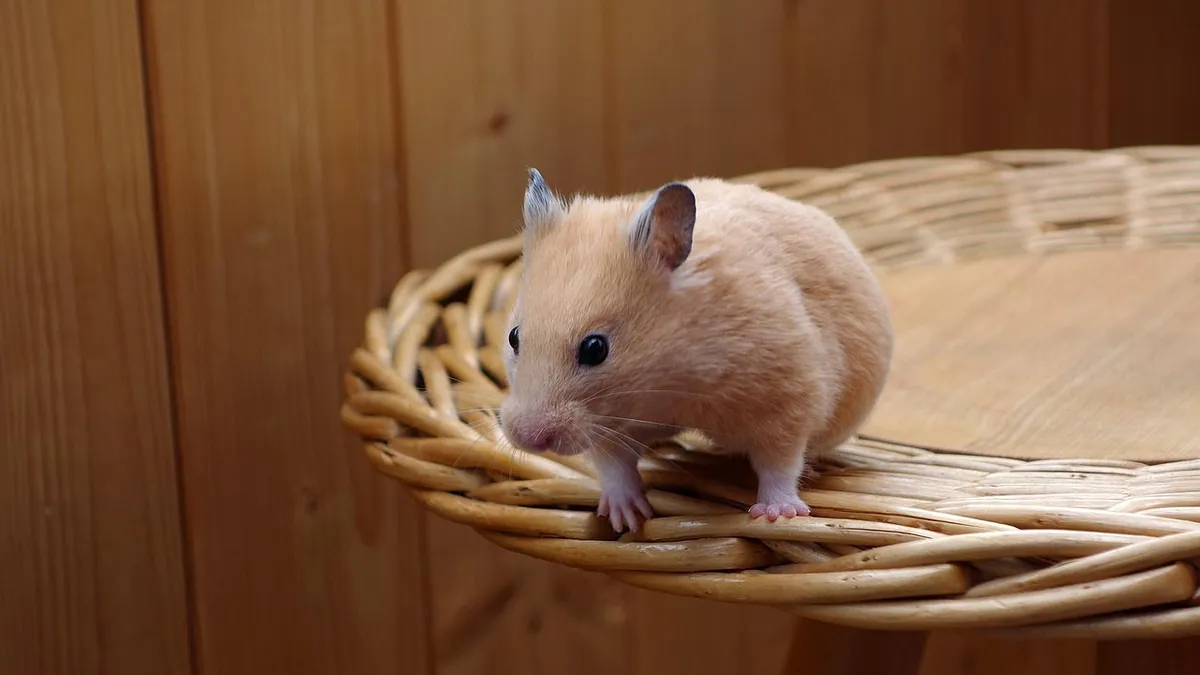
Do hamsters use litter boxes? Yes, many hamsters can be litter trained, though they use a litter corner for urine and droppings instead of the way a cat uses a box. The habit works best when you match the setup to your hamster's natural bathroom corner and keep it clean. This article is educational and is not a substitute for veterinary diagnosis or treatment.
Quick Answer
- Hamsters often pick one or two corners of the cage to urinate, so a small litter corner placed there gets used with little training.
- A shallow, low-sided container with unscented paper-based litter works better than a deep box with clumping or scented litter.
- Move soiled bedding into the litter corner for the first week to teach the habit.
- Spot-clean the litter corner daily and replace the litter fully every few days.
- Litter training does not replace a full cage clean, and it does not fix a medical cause of frequent or painful urination.
How to Litter Train a Hamster: Step by Step
Litter training a hamster is less about teaching a new behavior and more about working with behavior your hamster already has. Hamsters are small rodents that mark territory and tend to urinate in consistent spots. If you watch your hamster for a few days, you will usually see it back into a corner, lift its tail, and urinate there. That corner is your starting point.
Step 1: Find the bathroom corner
Watch the cage for two or three days before you add anything. Look for damp bedding, a strong ammonia smell, or small dark stains in one area. Most hamsters choose a corner farthest from where they sleep and hoard food. Some choose the corner closest to the wheel. Every hamster is different, so let your hamster show you.
Step 2: Choose the right container
Pick a shallow container with low sides, about 1 to 2 inches tall. A small glass baking dish, a ceramic ramekin, or a plastic corner litter pan made for small pets all work. The container must be easy for your hamster to step into and out of. A tall box with high walls can be hard for a small hamster to enter, especially a dwarf hamster. Dwarf hamsters are common pets, and a survey of their housing found that many were kept in enclosures smaller than 75 cm in length, which leaves little room for extra items [1]. If your cage is small, use a flat dish instead of a bulky box.
Step 3: Add safe litter
Use unscented paper-based litter, paper pellets, or a small amount of unscented paper bedding. Avoid clumping cat litter, clay litter, scented litter, and cedar or pine shavings. Hamsters groom themselves and may eat small amounts of litter, so anything that clumps or expands inside the body is a risk. Plain paper litter is the safest choice.
Step 4: Seed the corner
Place a small pinch of soiled bedding or a droppings into the new litter corner. The smell tells your hamster that this is the bathroom spot. Do this for the first several days. Do not use a strong cleaner on the container during this time, because the scent is what teaches the habit.
Step 5: Keep the location stable
Once your hamster uses the corner, do not move the container. If you rearrange the cage, put the litter corner back in the same place. Hamsters rely on scent and routine. Moving the box can undo weeks of progress.
Step 6: Clean gently and often
Remove wet litter and droppings every day. Replace all the litter every three to five days, depending on how much your hamster uses it. Rinse the container with warm water and a mild pet-safe soap, then dry it fully before adding new litter. Leave a tiny amount of used litter behind after a full change to keep the scent marker.
If your hamster is new to your home, give it a week to settle before you start. Stress can change bathroom habits. You can learn more about reading hamster behavior and body language in Hamster Care Videos: Visual Learning for Owners.
Litter Training Schedule and Checklist
Use this schedule as a guide. Adjust it to your hamster's age, species, and cage size.
| Timeframe | What to do | What to expect |
|---|---|---|
| Days 1 to 3 | Watch the cage, do not add a box yet | You identify the bathroom corner |
| Day 4 | Add the container with paper litter and a pinch of soiled bedding | Your hamster may ignore it at first |
| Days 4 to 10 | Keep the box in place, spot-clean daily | Most hamsters start using it within this window |
| Week 2 | Check for consistent use, keep the location fixed | Urine and droppings collect in the box |
| Week 3 and beyond | Full litter change every 3 to 5 days | The corner stays the main bathroom spot |
| Ongoing | Full cage clean every 1 to 2 weeks | Litter box reduces odor but does not replace cleaning |
A few practical notes. Syrian hamsters and dwarf hamsters both can learn this habit, but dwarf hamsters may need a smaller, flatter container. If you keep more than one hamster, each hamster needs its own litter corner and its own space. A study of dwarf hamster housing found that co-housing failure was more likely in hamsters older than 6 months, with an odds ratio of 4.75 [1]. Fighting and stress can lead to house-soiling, so separate housing is often the safer choice.
If you have trained other small pets, the process is similar. You can compare methods in Litter Training Your Pet Rabbit and Rabbit Litter Training. The principles of scent, location, and routine carry over.
Normal Scent-Marking vs. a Urinary Problem
Hamsters mark territory with urine and with scent glands. This is normal. The question is whether the amount, smell, or frequency has changed.
Normal scent-marking looks like this:
- Small amounts of urine in one or two consistent spots
- A mild ammonia smell that fades after cleaning
- Droppings scattered or piled in the same area
- Marking more after cage changes or when a new object is added
- No straining, no crying, and no change in activity
A urinary problem looks different. Watch for these signs:
- Urinating in many new places, especially outside the litter corner
- Strong, sharp ammonia smell that returns within hours of cleaning
- Blood in the urine, or urine that looks pink, red, or cloudy
- Straining, hunching, or squeaking while urinating
- Wet, matted fur around the belly, tail, or back legs
- Drinking much more or much less water than usual
- Weight loss, poor appetite, or a hunched posture
- Lethargy or reluctance to move
Any of these signs needs veterinary attention. Urinary problems in hamsters can come from bladder stones, urinary tract infections, kidney disease, or reproductive disease. Diabetes is also common in some hamsters and causes heavy drinking and heavy urination. Your veterinarian can test the urine and recommend treatment.
One more point about behavior. Stress changes how hamsters interact with resources. A study in adolescent male hamsters found that social stress reduced food-related place preference and changed the relationship between body fat and reward behavior [2]. In plain terms, stress can make a hamster behave differently around things it normally seeks out. A stressed hamster may stop using its litter corner or start urinating in new places. If your hamster's bathroom habits change suddenly, look at the environment first, then call your vet.
Common Mistakes with Hamster Litter Boxes
Most litter training failures come from a few avoidable errors.
Using the wrong litter
Clumping cat litter, clay litter, and scented litters are unsafe for hamsters. They can cause digestive blockage if swallowed and can irritate the eyes and airways. Stick with unscented paper products.
Putting the box where you want it
The box goes where your hamster already urinates, not where it looks best to you. If you place it in the wrong corner, your hamster will ignore it and keep using its old spot.
Making the box too tall
A deep box with high walls is hard for a small hamster to enter. Choose a low, shallow container. If your hamster is a dwarf species, a flat dish may work better than a commercial litter pan.
Cleaning too aggressively
If you scrub the container with a strong cleaner every day, you remove the scent that tells your hamster where to go. Use mild soap and warm water, and leave a little used litter behind.
Expecting perfection
Some hamsters never use a litter box consistently. That is normal. The goal is to reduce odor and make cleaning easier, not to achieve perfect litter habits.
Ignoring cage size
A cramped cage makes litter training harder. A survey of dwarf hamster housing found that 12% were kept in enclosures less than 75 cm in length [1]. More space gives your hamster room for a sleeping area, a food area, a wheel, and a bathroom corner. If your cage is small, upgrade it before you expect reliable litter habits.
Skipping the vet when habits change
A sudden change in bathroom behavior is a medical sign until proven otherwise. Do not assume your hamster is just being messy.
Supplies and Setup That Matter for Health
The right setup supports both litter training and general health. Here is what to look for.
Cage
Choose the largest cage you can fit and afford. A longer enclosure gives your hamster room to separate its bathroom area from its sleeping and eating areas. Avoid cages with wire floors, which can injure small feet.
Bedding
Use unscented paper bedding or aspen shavings. Avoid cedar and pine shavings, which contain aromatic oils that can irritate the respiratory tract. Bedding depth of several inches lets your hamster burrow, which is a natural behavior.
Litter container
A shallow ceramic or plastic dish works well. Ceramic is heavier and less likely to tip over. Make sure the edges are smooth and low.
Litter
Unscented paper litter or paper pellets. Do not use clumping or scented products.
Wheel
A solid-surface wheel with the right diameter for your hamster's species. A wheel that is too small causes back curvature. Keep the wheel away from the litter corner so the two areas stay separate.
Water bottle and food dish
Fresh water daily and a balanced hamster diet. Place food and water away from the litter corner. A study of dwarf hamster housing found that many hamsters were provided with fewer food and water sources than the number of animals in the cage [1]. If you house hamsters together, provide multiple sources.
Hideouts and chews
A hideout gives your hamster a secure sleeping spot. Chew toys help wear down teeth. These items also reduce stress, and lower stress supports normal bathroom habits.
Cleaning supplies
Keep a small scoop, mild pet-safe soap, and paper towels on hand. Spot-clean daily and do a full cage clean every one to two weeks. Replace bedding fully during the deep clean, but keep the litter corner scent marker.
If you are setting up a new cage, do it before you start litter training. A stable environment makes the habit easier to build.
Limitations and When to Contact a Veterinarian
Litter training works for many hamsters, but it has limits. Some hamsters mark heavily no matter what you do. Some have medical conditions that cause frequent urination. Some are simply not consistent, and that is not a failure on your part.
Contact your veterinarian the same day if you see blood in the urine, straining to urinate, crying while urinating, or a sudden stop in urination. These can be signs of a blockage or a severe infection.
Go to an emergency clinic now if your hamster is not urinating at all, is collapsed, is breathing hard, or is unresponsive. These are emergencies.
Schedule a routine visit if you notice a gradual change in drinking, urination, weight, or appetite. Your veterinarian can check for diabetes, kidney disease, bladder stones, and reproductive problems. Bring a fresh urine sample if you can collect one.
Individual cases need a veterinarian. No article can diagnose your hamster or replace an exam. If you are unsure whether a behavior is normal, call your vet's office and ask.
Frequently Asked Questions
Can all hamsters be litter trained?
No, not all hamsters learn to use a litter box. Many do, especially when the box is placed in their chosen bathroom corner. Some hamsters continue to mark widely no matter what you try.
How long does it take to litter train a hamster?
Most hamsters that take to it start using the corner within one to two weeks. Consistency matters more than speed. Keep the box in the same spot and clean it gently.
What kind of litter is safe for hamsters?
Unscented paper-based litter and paper pellets are the safest choices. Avoid clumping cat litter, clay litter, and scented products. Cedar and pine shavings are also best avoided.
Why is my hamster urinating outside the litter box?
A sudden change in bathroom habits can mean stress, a cage change, or a medical problem. Check for new objects, a dirty cage, or a new pet in the home. If the change continues, call your veterinarian.
Can I use a cat litter box for my hamster?
A full-size cat litter box is far too large and too deep for a hamster. Use a shallow dish or a small corner pan made for small pets. The container should be easy to step into and out of.
Related Articles
- Hamster Care Videos: Visual Learning for Owners
- Do Hamsters Need Sand Baths? Bathing and Dust Baths
- What Do Hamsters Do All Day? Behavior Explained
References
- Preliminary investigation into the housing of dwarf hamsters. The Veterinary record, 2023.
- Blunted food conditioned place preference-like behavior in adolescent-stressed male hamsters. Behavioural brain research, 2025.