My Rabbit Bit or Peed on Me: What Does It Mean?
By Dr. Zubair Khalid, DVM, MS, PhD ·
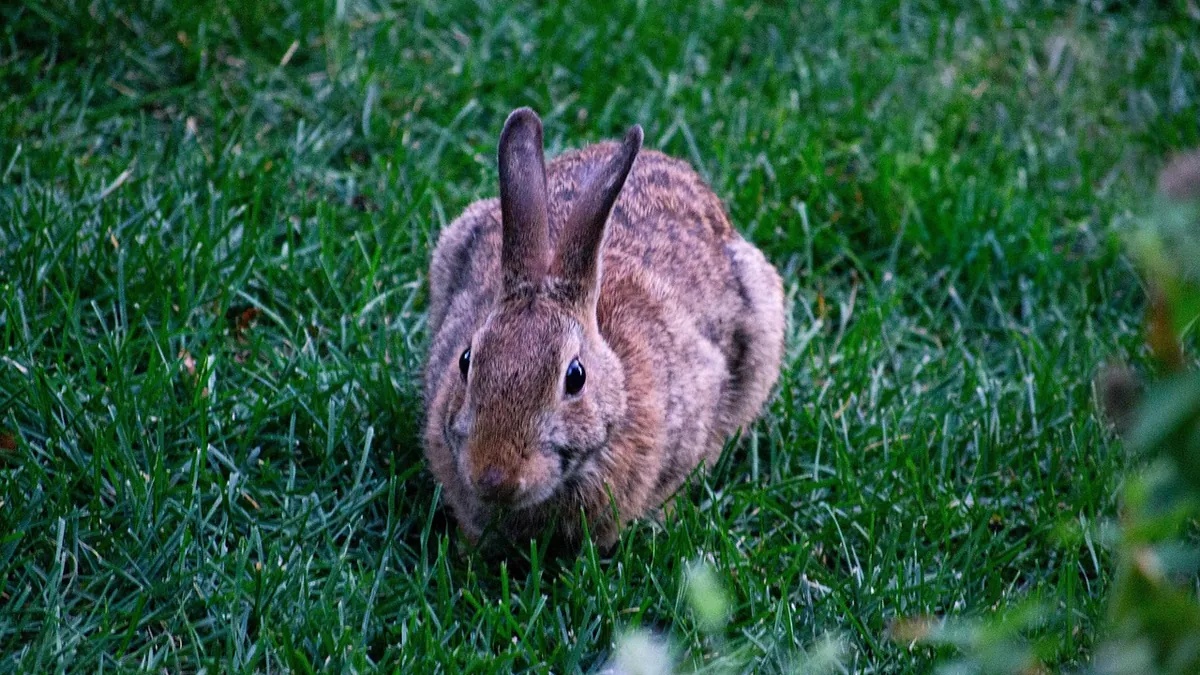
A rabbit who bites or sprays urine is usually communicating stress, hormones, or a claim on territory. It is rarely about dislike or aggression for its own sake. When your rabbit bit you, the first step is to figure out which of those three triggers is at play, because each one has a different fix.
This article is educational and is not a substitute for veterinary diagnosis or treatment.
Quick Answer
- A single bite or spray is often fear or startle, especially if you reached into the cage or picked the rabbit up suddenly.
- Unneutered rabbits of both sexes are far more likely to bite, mount, and urine-spray because of hormones.
- Urine spraying is a marking behavior. It is most common in intact rabbits guarding a cage, a favorite person, or a shared space.
- Sudden biting in a rabbit that was previously calm can signal pain or illness and needs a veterinary exam.
- Punishment makes biting worse. Reduce the trigger, give the rabbit an escape route, and book a neuter consult.
Why Rabbits Bite and Spray
Fear and Startle
Rabbits are prey animals. Their default response to a threat is to freeze, then flee, then fight. A bite is the last option in that sequence, so a rabbit who bites is usually a rabbit who felt cornered.
Common fear triggers include reaching into the cage in published veterinary research, waking a sleeping rabbit, sudden loud noises, and being picked up without support. Rabbits are also stressed by handling and travel. In one study, rabbits transported in a crate for 30 minutes showed clear signs of stress, including flattened ears and agitation, and rabbits given a calming pheromone spray kept their ears erect longer and were less agitated than untreated rabbits [1]. That tells you how much a rabbit's body language shifts under stress, even during a short car ride.
Hormones
Sexual maturity changes rabbit behavior dramatically. Intact rabbits may bite, mount, circle, grunt, and spray urine to mark territory and advertise themselves. Both males and females do this, though spraying is especially common in intact females and intact males.
This is the single most fixable cause. Spaying or neutering removes the hormonal drive behind most of this behavior. Talk to your veterinarian about timing, since many rabbits are altered once they reach sexual maturity.
Territory and Resource Guarding
Rabbits are territorial about their enclosure. A rabbit may bite or spray when you clean the cage, move their things, or handle objects they consider theirs. Some rabbits bond strongly to one person and spray other people or pets who approach.
Spraying is also a way to claim space. A rabbit who sprays a couch, a bed, or you is marking that area as safe and familiar.
Pain or Illness
A rabbit in pain may bite when handled, especially around the belly, back, mouth, or hind end. Dental disease, urinary problems, and arthritis are common culprits in older rabbits. Any new aggression in a normally calm rabbit deserves a veterinary look before you assume it is behavioral.
Medical Causes to Rule Out Before Training
Behavior plans fail when there is an untreated medical problem underneath. Your veterinarian will typically start with a full physical exam, including a careful look at the teeth, since rabbit teeth grow continuously and overgrowth is painful.
Other things to screen for include:
- Urinary tract infection or bladder stones, which can cause straining, accidents outside the litter box, and pain-related biting
- Dental pain or malocclusion, which can make a rabbit drop food, drool, or bite when the face is touched
- Skin parasites, abscesses, or wounds that hurt when touched
- Arthritis or spinal pain in older rabbits, which makes being picked up painful
- Reproductive tract disease in unspayed females, which is common and serious
If your rabbit is also urinating outside the box in large amounts or drinking more than usual, that pattern can point to a medical cause. The same logic applies across species, and it is worth reading about how excessive thirst and urination in dogs gets worked up, because the reasoning is similar. For rabbits, though, a veterinarian needs to examine your rabbit directly.
When Biting or Spraying Becomes a Problem
A one-time nip when you startled your rabbit is not a behavior disorder. It becomes a problem when any of these apply:
- The behavior happens often, not just once
- Someone in the home is getting injured, especially a child
- The rabbit bites hard enough to break skin
- The rabbit sprays urine on people, furniture, or walls regularly
- The rabbit guards the cage so aggressively that you cannot feed or clean safely
- The behavior started suddenly in an adult rabbit with no obvious trigger
Any bite that breaks skin needs wound care and a call to your doctor, because animal bites can become infected. Rabbit bites are small but deep, and they can damage tendons in the hand.
What to Do Step by Step
1. Change How You Handle Your Rabbit
Stop reaching into the cage in published veterinary research. That motion looks like a predator. Instead, open the cage, let the rabbit come to you, and scoop with one hand under the chest and one under the hindquarters. Support the back legs at all times.
If your rabbit bites when picked up, stop picking up for now. Do floor-level interactions instead. Sit on the ground and let the rabbit approach you. Most rabbits prefer this.
2. Give the Rabbit Control
A rabbit who can retreat will bite far less. Never corner a rabbit. Provide a hide box, a tunnel, or a covered area inside the enclosure so the rabbit has somewhere to go when it feels threatened.
If your rabbit bites during cage cleaning, move the rabbit to a secure play area first, then clean. Do not clean around a defensive rabbit.
3. Book the Neuter or Spay
This is the highest-yield step for hormone-driven biting and spraying. Ask your veterinarian about the right age and pre-surgical screening. Behavior often improves within weeks to a few months after surgery, though some marking habits can linger if they were practiced for a long time.
4. Enrich the Environment
Boredom and stress feed into behavior problems. Owners who report high knowledge of rabbit care do not always put that knowledge into practice, and enrichment, housing type, and cleaning routines are areas where gaps show up [2]. Give your rabbit:
- Unlimited grass hay and fresh water
- A litter box with paper-based or wood-pellet litter
- Chew toys, cardboard, and safe tunnels
- Daily out-of-cage time in a rabbit-proofed space
- A consistent routine for feeding and cleaning
A rabbit with a full, predictable day has less reason to guard and bite.
5. Use Calming Support During Stressful Events
If biting happens mainly at the vet, during travel, or during nail trims, ask your veterinarian about calming options. In one study, rabbits exposed to a rabbit appeasing pheromone were less inhibited and stayed in more contact with the person handling them during vaccination, while untreated rabbits held their ears in a flattened, fearful position [3]. A separate study found that a pheromone mist helped rabbits cope with transport [1]. These products support coping, they do not replace handling changes or medical care.
6. Reward Calm Behavior
When your rabbit approaches you without biting, offer a small treat or a gentle nose pet. Keep sessions short. Rabbits learn through repetition and calm, not through confrontation.
If you are also dealing with urine marking in other pets, the principles of trigger reduction and environmental change are similar. You can see how this plays out with a cat peeing on the floor right in front of you and with a cat peeing on the rug. The species differ, but the idea of removing the trigger and lowering stress carries over.
What Not to Do
- Do not hit, thump, or spray your rabbit. Punishment confirms that hands are dangerous and increases biting.
- Do not yell or chase. That escalates fear.
- Do not pick up a rabbit who is biting to "show dominance." Rabbits do not work that way.
- Do not assume spraying is spite. It is marking, not revenge.
- Do not skip the veterinary exam because the behavior "looks behavioral." Pain is common and easy to miss.
- Do not separate a bonded pair as a punishment. That causes serious stress.
When to Involve a Veterinarian or Behavior Professional
Call your veterinarian if the biting is new, if it started after a change in diet or litter box habits, if your rabbit is eating less, or if you see drooling, weight loss, or straining to urinate. These point toward a medical cause.
Ask for a referral to a veterinarian who treats rabbits regularly if your primary vet is not comfortable with the species. For ongoing behavior work, look for a behavior consultant who has experience with rabbits specifically. General dog and cat trainers often do not understand rabbit body language.
Limitations and When to Contact a Veterinarian
This article covers common patterns, but every rabbit is an individual. A veterinarian who examines your rabbit in person is the only one who can rule out medical causes and guide treatment.
Contact a veterinarian the same day if:
- A bite broke your skin (also contact your own doctor)
- Your rabbit is not eating, not pooping, or is hunched and pressing its belly to the floor
- You see blood in the urine or your rabbit strains to urinate
- Your rabbit is drooling, dropping food, or has facial swelling
- Your rabbit is breathing hard or open-mouth breathing
Go to an emergency clinic now if:
- Your rabbit is limp, unresponsive, or having seizures
- Your rabbit has not eaten or passed stool for 12 or more hours
- Your rabbit is bleeding heavily or has a deep wound
- Your rabbit's gums look pale or blue
Book a routine visit soon if:
- The biting or spraying is frequent but your rabbit otherwise seems well
- You want to discuss spaying or neutering
- You need help with handling, housing, or enrichment
Frequently Asked Questions
Does my rabbit hate me if it bit me?
No. Rabbits bite from fear, pain, or hormones, not from dislike. A rabbit who bites is usually a rabbit who felt trapped or unwell. Change your approach and get a veterinary check before you draw conclusions about the relationship.
Why did my rabbit pee on me?
Urine spraying is a marking behavior, and you are a valuable piece of territory. Intact rabbits spray most often, and the behavior usually drops after spaying or neutering. If your rabbit is already altered and starts spraying suddenly, have a veterinarian check for pain or illness.
Will neutering stop the biting and spraying?
It usually reduces both, especially when hormones are the main driver. Some rabbits keep the habit if they practiced it for a long time. Pair surgery with handling changes and enrichment for the best results.
Can I train a rabbit not to bite?
Yes, but not with punishment. Rabbits respond to calm, consistent handling, treats for good behavior, and an environment where they can retreat. Keep sessions short and stop before your rabbit gets overwhelmed.
Should I rehome my rabbit if it keeps biting?
Not before a veterinary exam and a real behavior plan. Many biting rabbits improve once pain is treated, hormones are addressed, and handling changes. Talk to your veterinarian first, and ask about a rabbit-savvy behavior consultant if the problem continues.
Related Articles
- Why Is My Rabbit Peeing on Me?
- Why Does My Rabbit Dig and Pee on Me? Behavior Explained
- Why Is My Rabbit Licking or Biting Me? Behavior Explained
References
- Use of rabbit-appeasing pheromone in mist form helps pet rabbits cope with transport. American journal of veterinary research, 2026.
- Perceived Rabbit Care Knowledge Does Not Consistently Align with Owner-Reported Husbandry Practices: A Survey of Pet Rabbit Owners in Croatia. Animals : an open access journal from MDPI, 2026.
- Helping Rabbits Cope with Veterinary Acts and Vaccine-Related Stress: The Effects of the Rabbit Appeasing Pheromone (RAP). Animals : an open access journal from MDPI, 2024.