Why Is My Rabbit, Hamster, or Guinea Pig Shaking?
By Dr. Zubair Khalid, DVM, MS, PhD ·
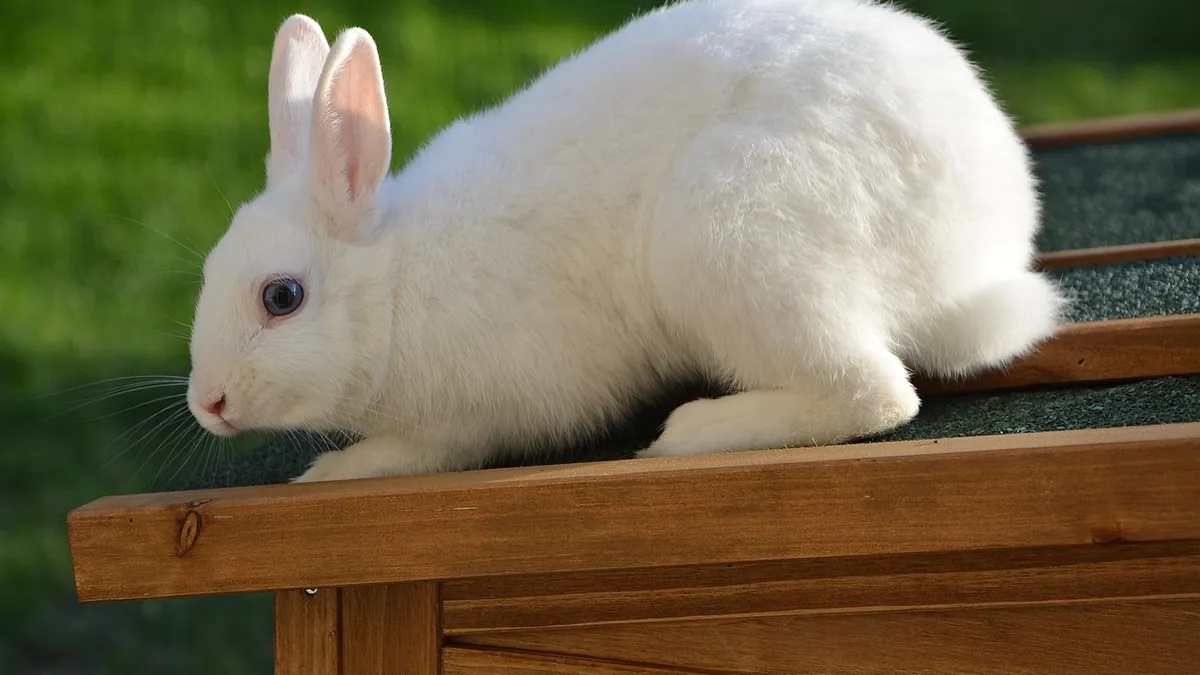
Shaking in a rabbit is often normal, especially when your rabbit is cold, nervous, or deeply relaxed. But shaking can also signal pain, heat stress, ear mites, or a neurologic problem, so the pattern and the other signs matter. This article explains why does my rabbit shake, what is normal for hamsters and guinea pigs, and when small-pet shaking needs a veterinarian.
This article is educational and is not a substitute for veterinary diagnosis or treatment.
Quick Answer
- A brief shiver when your rabbit is chilly, startled, or settling into a nap is usually harmless.
- Shaking that comes with not eating, hiding, grinding teeth, or a head tilt is a medical concern.
- Rabbits are highly sensitive to heat, and temperatures above 80°F (27°C) can be dangerous [1].
- Ear mites cause head shaking along with crusty, itchy ears and need veterinary treatment [2].
- Any shaking with seizures, rolling, or paralysis is an emergency, so call a vet right away.
What Shaking Looks Like and What Is Normal
Shaking, shivering, and trembling all describe the same visible sign: small, rapid muscle movements you can see or feel. In rabbits, this can range from a faint quiver of the whiskers and nose to a full-body tremor that moves the whole body.
Some shaking is completely normal. A rabbit who is cold will shiver to warm up. A rabbit who is nervous about a loud noise or a new person may tremble for a few seconds and then relax. Some rabbits quiver when they are deeply relaxed or about to fall asleep, and this often stops once they settle.
The key is context. Normal shaking is brief, stops when the trigger goes away, and comes with a rabbit who is otherwise eating, hopping, and behaving normally. Shaking that lasts, gets worse, or comes with other changes is a different story.
Hamsters and guinea pigs show similar patterns. A hamster may shiver when cold or frightened, and guinea pigs may tremble when nervous or in pain. If you are comparing species, our guide to Guinea Pig Squeaking Noise covers other sounds and signs in guinea pigs.
Why Does My Rabbit Shake? Main Causes
Shaking has many possible causes, and the clues around it usually point to the right one. The table below groups the most common reasons.
| Cause | Typical clues | How urgent |
|---|---|---|
| Cold or draft | Shivering in a chilly room, rabbit hunches or fluffs up | Low, warm the area |
| Fear or stress | Trembling after a noise, handling, or a new pet, rabbit freezes | Low, reduce stress |
| Heat stress | Stretching out, rapid breathing, warm environment | Emergency if severe [1] |
| Pain | Hunched posture, not eating, teeth grinding, hiding | Same day |
| Ear mites | Head shaking, scratching ears, crusty debris in the ear | Soon, needs treatment [2] |
| Encephalitozoonosis | Head tilt, rolling, seizures, tremors | Urgent [1] |
| Low or high potassium | Weakness, tremors, poor appetite, other illness | Urgent [3] |
| Neurologic or spinal disease | Weakness, wobbling, paralysis, loss of feeling | Emergency |
Cold, Fear, and Stress
These are the most common harmless reasons a rabbit shakes. Rabbits lose heat easily and shiver to stay warm. They are also prey animals, so a sudden sound, a strange smell, or being picked up the wrong way can make them tremble.
If your rabbit shakes only in these situations and returns to normal quickly, you likely do not need to worry. Move the rabbit to a quiet, warm spot and give it time to settle.
Heat Stress
Rabbits handle cold far better than heat. Ideal conditions are about 50 to 70°F (10 to 21°C) with moderate humidity and good airflow [1]. At temperatures above 80°F (27°C), rabbits are especially at risk and should ideally be moved indoors [1].
Heat stress can cause shaking along with stretching out and rapid breathing [1]. Hot, humid weather and poor ventilation can quickly become deadly, especially for pregnant does [1]. If you suspect heatstroke, wet your rabbit's ears with cool water, place it near a fan, and call a veterinarian or emergency clinic immediately [1].
Pain
Rabbits hide pain well because they are prey animals. Shaking or trembling can be one of the few signs you notice. Look for a hunched posture, a rabbit who sits in a corner, grinding teeth, or a sudden drop in eating and droppings.
Pain in rabbits often comes from dental disease, gut problems, or abscesses. Abscesses are pockets of pus that can develop under the skin, in the jaw, or in internal organs, and rabbit pus is thick and drains poorly, so treatment usually requires surgery plus long-term antibiotics [1]. Any rabbit who seems painful needs a same-day veterinary visit.
Ear Mites and Ear Problems
Ear mites are a classic cause of head shaking in rabbits. In one reported case, a rabbit with ear canker showed head shaking along with not eating, dullness, itching, and dry crusty lesions on the inner ear [2]. The diagnosis was confirmed by examining skin scrapings under a microscope, and the rabbit was treated with medication given by injection [2].
If your rabbit shakes its head and scratches at its ears, or if you see dark crusty debris inside the ear, have a veterinarian look. Ear mites are treatable, but the dose and drug must be chosen by your vet based on your rabbit's weight and health.
Neurologic Causes
Some shaking comes from the nervous system itself. Encephalitozoonosis is a common protozoal infection of rabbits that often affects the kidneys and brain, and it can cause head tilt, rolling, seizures, and tremors [1]. It spreads from rabbit to rabbit through infected urine and from mother to fetus, and diagnosis requires lab testing [1]. Anti-inflammatory and antiprotozoal medicines can help, but no treatment guarantees a cure, so good sanitation is important for prevention [1].
Spinal problems can also cause weakness and shaking. One report described a young rabbit with a congenital spinal curve who developed sudden hind limb paralysis after surgery [4]. This shows how quickly neurologic signs can progress, and why weakness or paralysis is always an emergency.
Metabolic Causes
Potassium helps keep muscles and nerves working normally. A large study of pet rabbits found that both low and high potassium levels were linked to higher death rates, with high potassium carrying the greatest risk [3]. Shaking or trembling can appear when potassium or other electrolytes are out of balance, usually because of another underlying illness. Blood testing is the only way to know.
Red Flags That Mean an Emergency
Call an emergency clinic right away if your rabbit shows any of these signs:
- Seizures, rolling, or loss of consciousness
- Sudden paralysis or loss of feeling in the legs [4]
- Rapid breathing with stretching out in a warm room [1]
- A head tilt that appears suddenly
- Collapse, extreme weakness, or a rabbit who cannot stand
- Severe shaking that does not stop
These signs can move fast in small pets. Do not wait to see if things improve on their own.
Safe Things You Can Do at Home While Waiting
While you wait for your appointment, keep your rabbit calm and comfortable.
- Move your rabbit to a quiet, dim, warm room away from other pets and noise.
- Check the room temperature and aim for the 50 to 70°F (10 to 21°C) range [1].
- If the room is hot, cool your rabbit's ears with cool water and place it near a fan, then call a vet [1].
- Offer fresh water and its usual food, but do not force-feed.
- Do not give any medication, including human pain relievers, unless your veterinarian prescribes it.
- Keep handling to a minimum so you do not add stress.
If your rabbit is shaking because of fear, simply giving it space often solves the problem. If shaking continues despite a calm, comfortable setting, that points toward a medical cause.
What the Veterinarian Will Check and Test
Your veterinarian will start with a full physical exam, including the ears, teeth, eyes, skin, and nervous system. They will ask about diet, droppings, recent changes, and the room temperature.
Depending on what they find, they may recommend:
- A neurologic exam to check strength, reflexes, and balance
- Ear swabs or skin scrapings to look for mites [2]
- Blood work to check potassium, kidney values, glucose, and other markers [3]
- Testing for encephalitozoonosis, which requires lab testing [1]
- Imaging such as radiographs if spinal or internal disease is suspected [4]
Treatment depends on the cause. Ear mites are treated with medication chosen by your vet [2]. Neurologic disease may be managed with anti-inflammatory and antiprotozoal medicines [1]. Pain is treated with rabbit-safe drugs at doses your veterinarian calculates from your pet's weight and health.
Prevention and Monitoring
You cannot prevent every cause of shaking, but you can lower the risk.
- Keep the room between 50 and 70°F (10 to 21°C) with good airflow [1].
- Move rabbits indoors during hot, humid weather, since heat can quickly become deadly [1].
- Clean cages and litter areas often to reduce the spread of infections passed through urine [1].
- Check ears weekly for crusts, debris, or scratching [2].
- Weigh your rabbit regularly and watch for changes in appetite and droppings.
- Ask your vet about routine blood work, since potassium problems are common and often hidden [3].
Keep a simple log of when shaking happens, how long it lasts, and what else you see. That record helps your veterinarian narrow down the cause quickly.
Limitations and When to Contact a Veterinarian
This article cannot tell you what is causing your rabbit's shaking. Only a veterinarian who examines your pet can do that, and individual cases always need professional assessment.
Contact a veterinarian the same day if your rabbit is shaking along with not eating, fewer droppings, hunched posture, teeth grinding, head shaking with ear debris, or any change in behavior that lasts more than a few hours.
Go to an emergency clinic now if you see seizures, rolling, sudden head tilt, paralysis, rapid breathing in a warm room, collapse, or shaking that will not stop [1][4].
Schedule a routine visit if the shaking is mild, comes and goes, and your rabbit is otherwise normal, but you want peace of mind. It is always reasonable to call and ask.
Frequently Asked Questions
Is it normal for rabbits to shake?
Yes, brief shaking can be normal when a rabbit is cold, nervous, or relaxed. It becomes a concern when it lasts, gets worse, or comes with signs like not eating, head tilt, or weakness.
Why does my hamster shake?
Hamsters often shake when they are cold, frightened, or stressed, and this usually stops once they warm up or settle. Shaking that continues, or that comes with not eating, wobbling, or a hunched posture, needs a veterinarian.
Is it normal for guinea pigs to shake?
Guinea pigs may tremble briefly when nervous or startled, which is normal. Ongoing shaking, especially with poor appetite, pain, or weakness, is not normal and should be checked by a vet.
Can heat make my rabbit shake?
Yes. Rabbits are highly sensitive to heat, and temperatures above 80°F (27°C) put them at serious risk [1]. Heat stress can cause shaking, stretching out, and rapid breathing, and it can become deadly quickly, so cool your rabbit and call a vet right away [1].
Should I worry if my rabbit shakes while sleeping?
Usually not. Many rabbits quiver lightly as they relax or dream, and this stops on its own. If the shaking is strong, wakes your rabbit, or comes with twitching that looks like a seizure, have a veterinarian evaluate it.
If you also have a dog at home, some shaking signs overlap across species, and our articles on Why Is My Dog Shaking? and Dog Shaking And Trembling For No Reason explain what those signs can mean in dogs.
Related Articles
References
- Disorders Affecting Multiple Body Systems of Rabbits - All Other Pets. Merck Veterinary Manual.
- Psoroptes cuniculi infestation in an Angora rabbit from Kashmir and its therapeutic management. Journal of parasitic diseases : official organ of the Indian Society for Parasitology, 2025.
- Potassium Disorders in Pet Rabbits and Their Association with Glycemia, Azotemia, and Clinical Outcome. Animals : an open access journal from MDPI, 2026.
- Haemorrhagic myelopathy causing acute post-operative paralysis in a rabbit (Oryctolagus cuniculus) with a congenital lordosis. The Journal of small animal practice, 2026.