Why Does My Rabbit Dig and Pee on Me? Behavior Explained
By Dr. Zubair Khalid, DVM, MS, PhD ·
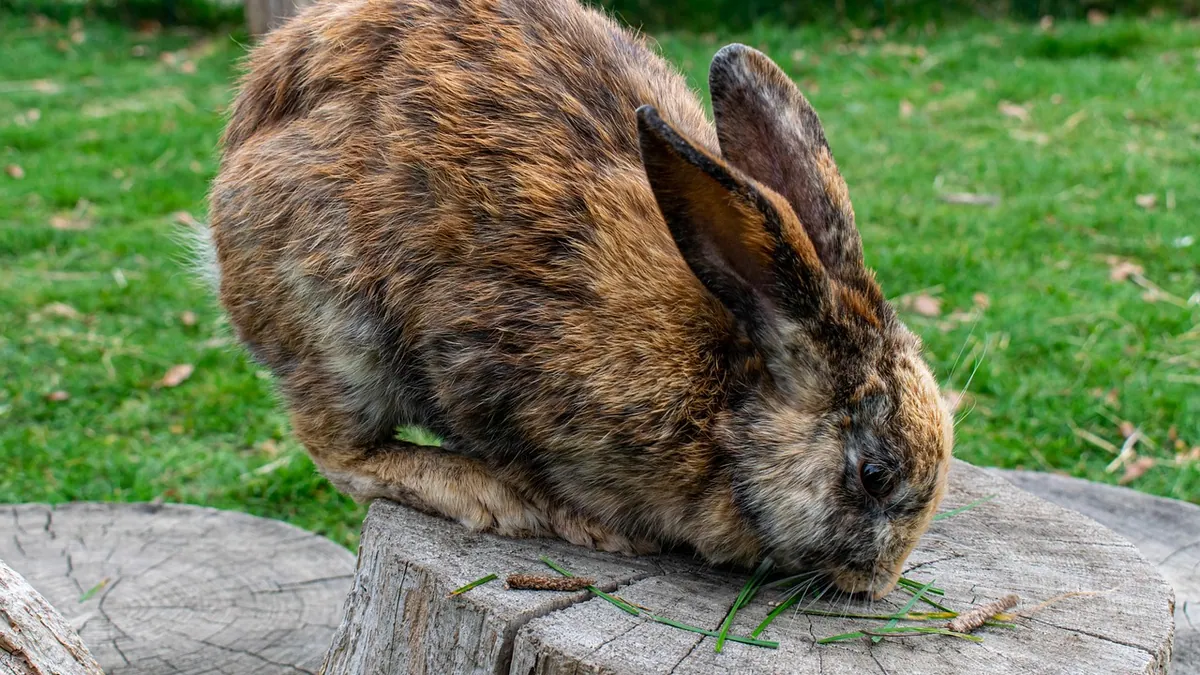
Rabbits dig on people for several reasons. The most common ones are hormones, territory marking, and the simple fact that digging is a normal rabbit instinct. When digging comes with peeing, biting, or circling, it usually points to sexual or territorial behavior instead of a health problem.
This article is educational and is not a substitute for veterinary diagnosis or treatment.
Quick Answer
- Intact (unspayed or unneutered) rabbits are the most likely to dig, mount, bite, and spray urine on their owners.
- Neutering or spaying removes the main hormonal driver of this behavior in most rabbits.
- Digging alone is normal. Rabbits dig to burrow, nest, and mark territory.
- Peeing on you is usually urine marking (spraying), not a litter box failure.
- Give your rabbit a dig box, a litter box, and calm handling, and talk to your vet about spaying or neutering.
Why Does My Rabbit Dig on Me?
Digging is built into rabbit biology. Wild rabbits dig burrows for shelter, safety, and raising young. The Annamite striped rabbit, a wild lagomorph, has been recorded opening, closing, and concealing its burrow entrance, even placing compacted soil and small rocks over the opening [1]. Your pet rabbit carries the same wiring. When your rabbit paws at your lap, arm, or leg, it is often doing exactly what its wild relatives do to the ground.
Digging at you specifically usually means one of a few things:
- You are in the way of a digging spot. Rabbits often dig at soft surfaces, including blankets, carpet, and clothing. Your lap may just look like good digging material.
- Your rabbit is nesting. Unspayed females may dig and gather material when they feel a false pregnancy coming on.
- Your rabbit is frustrated or bored. A rabbit with nothing to dig may redirect that energy onto you.
- Your rabbit is trying to get your attention. Rabbits learn fast that pawing at a person gets a reaction.
- Your rabbit is marking you as its own. Digging, chin rubbing, and urine marking often go together in territorial rabbits.
Digging is not aggression by itself. It becomes a problem when it comes with biting, mounting, or urine.
Why Does My Rabbit Pee on Me?
Urine on you is almost always marking behavior, not a litter box accident. Rabbits have scent glands under their chin and use urine to claim space, objects, and sometimes people. Intact rabbits, especially females, spray urine to tell other rabbits (and you) that this is their territory.
A rabbit that pees on you may also be:
- Spraying, which is a directed stream of urine, often at a person or pet
- Marking a new object, such as a couch, bed, or person who smells unfamiliar
- Reacting to another rabbit in the home, even one it cannot see or smell directly
- Stressed by a change, such as a move, a new pet, or a new person
If your rabbit suddenly starts peeing outside the box after months of good habits, a medical cause is possible. Urinary tract infections, bladder stones, and kidney problems can all change urination. A rabbit that strains, dribbles, or cries while peeing needs a vet visit.
Why Is My Rabbit Digging and Biting Me?
Digging plus biting usually points to hormones or frustration. Intact rabbits of both sexes can become pushy, nippy, and possessive. A rabbit may dig at your arm, then bite when you move, because your movement looks like a threat or a challenge.
Mounting behavior is part of the same picture. Rabbits mount other rabbits, objects, and sometimes people. In intact rabbits, mounting is driven by sex hormones. It can also be a dominance move. A rabbit that mounts your arm and then nips is often saying "stay still, I am in charge."
Spraying, mounting, and biting tend to cluster in the same rabbits. One study of male rabbits found that infestation with the mite Psoroptes ovis reduced chin marking by 38.3% and cut testosterone levels by 58%, which shows how closely hormones and marking behavior are linked [2]. When hormones drop, marking behavior drops with them.
Medical Causes to Rule Out
Behavior is not always the whole story. Before you assume your rabbit is being hormonal, rule out these medical problems:
- Urinary tract infection or bladder stones. Signs include straining, frequent small puddles, blood in urine, and peeing outside the box.
- Kidney disease. Older rabbits may drink and pee more, and lose litter box control.
- Arthritis or spinal pain. A rabbit in pain may not want to hop into the box, or may bite when handled.
- Dental pain. Rabbits with sore teeth may bite when you touch their face or offer food.
- Skin parasites. Mites and fleas cause itching, restlessness, and sometimes behavior changes. The Psoroptes study above showed infested rabbits had lower activity and impaired sexual behavior, which owners may read as "laziness" or "moodiness" [2].
- Reproductive disease. Unspayed female rabbits have a high risk of uterine cancer as they age. Hormonal behavior changes in an older unspayed doe deserve a vet check.
Your veterinarian can examine your rabbit, check the teeth, feel the abdomen, and run urine or blood tests if needed. Treat the medical problem first, then work on behavior.
When Digging and Peeing Become a Problem
Digging at a blanket is harmless. Digging that breaks skin, soaks your clothes in urine, or happens every time you sit down is a problem. Use these signs to decide how urgent things are:
- Occasional digging on soft surfaces. Normal. Add a dig box.
- Digging plus mounting, circling, and chin rubbing. Likely hormonal. Talk to your vet about spaying or neutering.
- Urine spraying on people or furniture. Territorial marking. Neutering helps, and so does litter training.
- Biting that draws blood. Handle less, use a towel or carrier for moving your rabbit, and get professional help.
- Sudden change in a previously calm rabbit. See a vet to rule out pain or illness.
If your rabbit is also having accidents outside the box, our guide to litter training your pet rabbit walks through box setup and cleaning.
What to Do Step by Step
1. Book a Spay or Neuter
This is the single biggest fix for hormone-driven digging, mounting, spraying, and biting. Spaying also protects female rabbits from uterine cancer, which is common in unspayed does. Most rabbits can be altered once they are old enough, and your veterinarian will tell you the right age and pre-surgical plan for your rabbit. Ask your vet how to prepare, what to expect during recovery, and how to keep your rabbit calm for the first few days.
2. Set Up a Real Litter Box
Use a box with low sides, filled with paper-based or wood pellet litter. Never use clumping cat litter or cedar shavings. Put hay in or right next to the box, because rabbits like to eat and poop at the same time. Clean soiled spots with an enzymatic cleaner made for pet urine. Plain vinegar and water also helps. Do not use ammonia-based cleaners, which smell like urine and invite more marking.
3. Build a Dig Box
Give your rabbit somewhere legal to dig. A shallow cardboard box or plastic tub filled with shredded paper, safe wood pellets, or a stack of old towels works well. Hide a few treats inside to make it interesting. Rotate the contents every week or two so it stays new. A rabbit with a good dig box often leaves your lap alone.
4. Add Enrichment and Space
Boredom fuels digging and nipping. Give your rabbit:
- A large exercise area, not just a cage
- Cardboard boxes to chew and hide in
- Tunnels and tubes to run through
- Safe chew toys, such as untreated apple wood
- Daily supervised time outside the enclosure
A tired, busy rabbit is a calmer rabbit.
5. Change How You Handle Your Rabbit
Rabbits are prey animals. They do not like being picked up, and a rabbit that feels trapped may dig, kick, and bite. Instead of scooping your rabbit up:
- Sit on the floor and let your rabbit come to you.
- Pet the head and cheeks, not the belly or rear.
- Use a towel or a carrier to move your rabbit when needed.
- Keep handling short, especially with a hormonal rabbit.
- Never corner your rabbit. Let it hop away when it wants to.
6. Consider a Companion
Rabbits are social. A bonded pair often marks less and digs less because they have each other. Bonding takes time and should be done carefully, ideally with both rabbits already spayed or neutered. Ask your vet or a rabbit rescue for help with introductions.
What Not to Do
- Do not punish your rabbit. Yelling, spraying water, or hitting teaches fear, not manners. A scared rabbit bites more.
- Do not rub your rabbit's nose in urine. This does not work and damages trust.
- Do not assume it is "just a phase." Hormonal behavior usually gets worse, not better, until the rabbit is altered.
- Do not skip the vet because the behavior seems minor. Pain and illness can look like bad manners.
- Do not use dog or cat litter. Clumping litter can cause serious digestive blockages in rabbits.
- Do not separate a bonded pair to solve a marking problem. Stress from separation can make things worse.
When to Call a Veterinarian or Behavior Professional
Call your veterinarian if:
- Your rabbit strains, cries, or produces no urine
- You see blood in the urine
- Your rabbit stops eating or drinking
- Your rabbit bites hard enough to break skin
- Your rabbit is an unspayed female over 3 years old with new behavior changes
- Behavior changes came on suddenly in an adult rabbit
Ask your vet for a referral to a veterinarian who treats rabbits or a certified behavior consultant who works with small mammals. Many general practice vets are comfortable with rabbits, but a rabbit-savvy vet is worth finding.
Limitations and When to Contact a Veterinarian
This article covers common patterns, not your rabbit's specific case. Every rabbit needs an exam, a history, and sometimes lab work before anyone can say what is driving the behavior.
Contact a veterinarian the same day if your rabbit is straining to urinate, has not peed in 12 hours, is grinding its teeth, or is hunched and quiet. Go to an emergency clinic now if your rabbit is open-mouth breathing, collapsed, having seizures, or bleeding. Schedule a routine visit for gradual behavior changes, suspected hormonal behavior, or a pre-spay or pre-neuter exam. If your rabbit bites and you cannot safely handle it, ask your vet about safe restraint and a behavior referral.
Frequently Asked Questions
Is it normal for a rabbit to dig on its owner?
Yes, digging on people is common and usually normal. Rabbits dig to burrow, nest, and explore, and soft clothing or a warm lap can look like a good spot. If digging comes with biting, mounting, or urine, hormones or territory are likely involved.
Will neutering stop my rabbit from peeing on me?
Neutering or spaying removes the main hormonal trigger for urine marking in most rabbits. Many owners see a big drop in spraying within a few weeks to a couple of months after surgery. Some rabbits keep marking out of habit, so pair surgery with litter training and cleaning.
Why does my rabbit bite me when I pick it up?
Rabbits are prey animals and often panic when lifted off the ground. A rabbit that feels trapped may dig, kick, and bite to get free. Sit on the floor, let your rabbit approach you, and use a towel or carrier for necessary moves.
Can a rabbit spray urine without being intact?
Yes, but it is much less common. Spayed and neutered rabbits can still mark when they feel threatened or when a new animal enters the home. Stress, illness, and litter box problems can also cause urine outside the box.
How long does it take for hormone behavior to settle after surgery?
Most rabbits calm down within a few weeks, though some take a couple of months. Behavior tied to habit, such as digging at a favorite blanket, may need training and enrichment to change. If marking continues past a few months, ask your vet to check for a medical cause.
Related Articles
- Litter Training Your Pet Rabbit
- Rabbit Behavior Training
- Why Is My Rabbit Peeing on Me?
- Why Is My Rabbit Licking or Digging the Floor?
- Why Does My Rabbit Dig? Normal Digging vs Problems
- Managing Aggression and Social Stress in Rabbits
References
- Observations on Burrow Use and Reproduction in the Annamite Striped Rabbit (Nesolagus timminsi) in Vietnam. Ecology and evolution, 2026.
- Psoroptes ovis Infestation Impairs Sexual Behavior and Reduces Testosterone Levels in Male Rabbits. Acta parasitologica, 2026.