Is It Normal for Hamsters to Sleep All Day?
By Dr. Zubair Khalid, DVM, MS, PhD ·
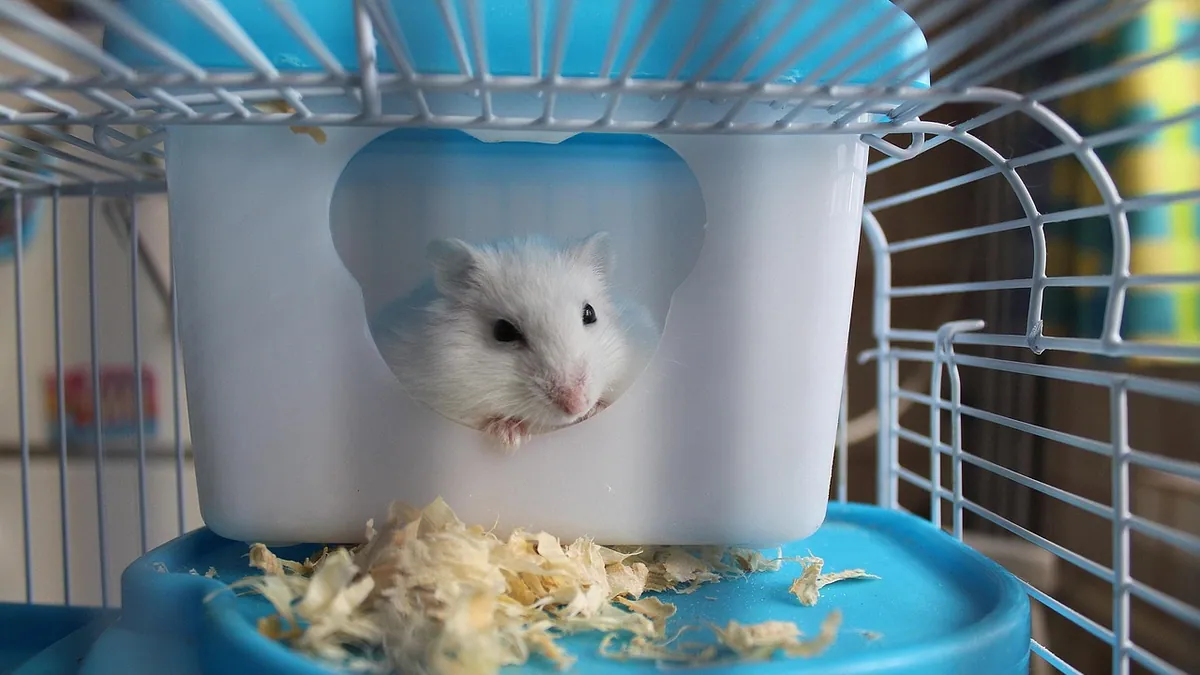
Is it normal for hamsters to sleep all day? Yes. Hamsters are nocturnal, which means they are wired to rest while the sun is up and become active after dark. If your hamster snoozes through your entire workday and perks up at night, that is expected behavior, not a sign of laziness or illness.
This article is educational and is not a substitute for veterinary diagnosis or treatment.
Quick Answer
- Hamsters are nocturnal, so sleeping through daylight hours is normal and healthy.
- Most hamsters sleep roughly 12 to 16 hours in a 24-hour cycle, in multiple stretches.
- Your hamster should wake in the evening or night to eat, drink, exercise, and groom.
- A hamster that sleeps all day AND all night, stops eating, or feels cold and limp needs veterinary attention.
- Spend time with your hamster daily so you learn its normal pattern and can spot early signs of illness [1].
Why Does My Hamster Sleep All Day? Normal Reasons
Hamsters Are Nocturnal by Nature
Wild hamsters avoid predators and heat by staying underground during daylight. Their bodies are built for activity in darkness. This pattern holds true for pet hamsters too, including Syrian hamsters and dwarf species like the Djungarian and Roborovsky hamsters [2]. When you leave for school or work in the morning, your hamster is settling in for its main rest period.
How Long Do Hamsters Sleep a Day?
Most hamsters sleep about 12 to 16 hours per day, broken into several naps. Some sleep in one long daytime block and take shorter naps at night between meals and wheel runs. Young hamsters and older hamsters often sleep more than adults in their prime.
Light and Temperature Affect Sleep Timing
Hamsters rely on light cues to set their internal clocks. Research on Djungarian hamsters shows their activity and vocalization patterns track the daily light cycle closely [3]. Even dim light at night can confuse a hamster's sense of day length and shift its biology [4]. A quiet, dark room during the day helps your hamster rest well and stay active at night.
Some Hamsters Enter Torpor
In cold conditions or when food is scarce, some hamster species can drop into torpor, a state of metabolic depression with a much lower body temperature [5][3]. Pet hamsters kept warm with steady food rarely do this, but a chilled hamster that feels cool and barely responds is a medical concern, not normal sleep.
Is It Normal for Hamsters to Be Awake During the Day?
Sometimes, yes. Hamsters do not follow a perfect schedule. A hamster may wake briefly to eat, drink, or check its surroundings during daylight. Pregnant or nursing females, hamsters in a new home, and hamsters whose sleep was disturbed may also be up during the day. Occasional daytime activity is not a problem on its own.
Medical Causes to Rule Out
If your hamster sleeps more than usual, seems hard to wake, or has stopped its normal nighttime routine, a health problem may be behind it. Early signs of illness in hamsters include weight loss, low energy, messy fur, breathing trouble, changes in urine or feces, and wounds [1]. Check the area around the rear for stains or secretions [1].
Common medical reasons a hamster may sleep excessively include:
- Respiratory infection. Breathing trouble, clicking sounds, or a runny nose often come with lethargy.
- Dental problems. Overgrown or painful teeth make eating hard, and a hamster that cannot eat becomes weak and sleepy.
- Wet tail or digestive illness. Diarrhea and dehydration drain energy fast, especially in young hamsters.
- Abscesses or wounds. Pain and infection increase sleep and reduce activity.
- Hypothermia or torpor. A cold hamster may be in a low-metabolism state instead of truly asleep [5].
- Pain from any source. Hamsters hide pain well, and increased sleeping is often the first visible clue.
A veterinarian can examine the mouth, teeth, cheek pouches, eyes, ears, feet, and belly, and may check a fecal sample for worms or bacteria [1]. A hamster's normal body temperature is usually 98 to 101°F (37 to 38°C), so a cool body is a warning sign [1].
When Does Sleeping All Day Become a Problem?
Daytime sleep itself is not the issue. The problem is a change from your hamster's normal pattern. Ask yourself these questions:
- Is my hamster sleeping more than it used to?
- Is it still waking at night to eat, drink, and move around?
- Does it respond when I offer a treat or gently disturb it?
- Is its weight, fur, or breathing different?
- Are its droppings normal in number and appearance?
If the answer to the first question is yes and any of the others worry you, contact your veterinarian. A hamster that cannot be roused, feels cold, breathes with effort, or has not eaten in 24 hours needs care right away.
What to Do Step by Step
1. Track Your Hamster's Routine
Spend time with your hamster every day so you learn what is normal for it [1]. Note when it wakes, what it eats, how much it runs, and how it looks. A simple phone note or calendar works fine. This record helps you and your vet spot changes early.
2. Match Your Schedule to Your Hamster's
Plan playtime, cage cleaning, and handling for the evening or night when your hamster is naturally awake. Trying to force daytime interaction with a sleepy hamster leads to stress for both of you. If your household is loud during the day, move the cage to a quieter, darker spot so your hamster can rest.
3. Improve the Environment
- Keep the cage out of direct sunlight and away from drafts.
- Maintain a comfortable room temperature. Cold rooms can push hamsters toward torpor [5].
- Use a solid exercise wheel and safe chew toys so nighttime activity has an outlet.
- Provide a hideout for daytime sleep. Hamsters prefer a dark, enclosed nest.
- Keep a steady light schedule. Dim light at night can disrupt a hamster's internal clock [4].
- Avoid bright blue light near the cage at night, since hamsters show a preference for red light after dark [6].
4. Feed and Water on a Night Schedule
Refresh food and water in the evening so your hamster finds a full bowl when it wakes. Check that food is actually disappearing overnight. A full bowl in the morning can be an early clue that your hamster stopped eating.
5. Handle Gently and Briefly
Short, calm handling sessions in the evening help you bond and let you check the body for lumps, wounds, or weight loss. Weigh your hamster weekly on a small kitchen scale if it will sit still. Weight loss is one of the earliest signs of illness [1].
6. Review the Whole Picture
Sleep changes rarely happen alone. Look at appetite, droppings, breathing, and fur condition together. For a broader routine that supports good health, see Hamster Care Tips: Daily, Weekly, and Monthly Routines. If you are also tracking sleep in another pet, our guide on how many hours a day do dogs sleep explains how species differences shape sleep needs.
What Not to Do
- Do not punish or startle your hamster for sleeping. Waking a sleeping hamster abruptly causes stress and can trigger nipping. Nocturnal sleep is not misbehavior.
- Do not assume it is "just lazy." A sudden increase in sleep is often the first sign of illness [1].
- Do not force daytime play. This fights your hamster's biology and adds stress.
- Do not skip the first veterinary visit. Take your hamster for a checkup soon after getting it so a vet can find problems early and start a medical record [1].
- Do not rely on internet myths. Claims that hamsters should be awake all day, or that daytime sleep means depression, do not match how these animals actually live.
- Do not ignore a cold, limp hamster. That is not deep sleep. It may be torpor or hypothermia and needs immediate attention [5].
When to Involve a Veterinarian or Behavior Professional
Contact a veterinarian who treats hamsters if your hamster's sleep pattern changes and stays changed for more than a day or two, or if you see any sign of illness [1]. To find one, ask other pet owners, search directories for exotic animal vets, or check your state veterinary medical society or the Association of Exotic Mammal Veterinarians at AEMV.org [1]. Choose a clinic with hamster experience that offers emergency care [1]. The American Board of Veterinary Practitioners at ABVP.org also lists board-certified specialists in exotic companion mammal medicine [1].
Behavior problems in hamsters, such as biting or constant cage chewing, are usually rooted in environment or health issues. A veterinarian should rule out medical causes first. If behavior concerns remain after a clean bill of health, ask your vet for a referral to a qualified behavior professional.
Limitations and When to Contact a Veterinarian
This article covers general patterns. Every hamster is an individual, and only a veterinarian who examines your pet can tell you what is normal for yours.
Contact a veterinarian the same day if your hamster:
- Sleeps through its usual active period for two or more nights
- Refuses food or water for 24 hours
- Has diarrhea, especially with a wet or soiled rear
- Breathes fast, noisily, or with visible effort
- Feels cool to the touch or is hard to wake
Seek emergency care now if your hamster:
- Cannot be roused at all
- Is limp, cold, or unresponsive
- Has a wound, bleeding, or a swollen belly
- Collapses or has a seizure
Schedule a routine visit if your hamster:
- Is sleeping more than usual but still eating and active at night
- Is losing weight slowly
- Has dull or messy fur
- Has not had a checkup since you got it [1]
For a longer view of what good hamster health looks like across a lifetime, see Hamster Lifespan: What to Expect and How to Maximize It.
Frequently Asked Questions
Is it normal for my hamster to sleep all day and night?
No, that is not typical. Hamsters should wake at night to eat, drink, and move around. A hamster that sleeps through both day and night, or that is hard to wake, may be sick and should see a veterinarian.
Why does my hamster sleep all day when I want to play with it?
Your hamster is following its natural nocturnal clock. It rests during daylight and becomes active after dark. Try playing with it in the evening instead, and keep daytime noise and light low around the cage.
How can I tell if my hamster is sleeping or sick?
A sleeping hamster wakes when gently disturbed and moves normally afterward. A sick hamster stays down, feels cool, breathes oddly, or will not eat. Watch for weight loss, messy fur, and changes in droppings, which are early illness signs [1].
Do hamsters hibernate like bears?
Most pet hamsters do not truly hibernate. Some species can enter torpor, a short-term drop in body temperature and metabolism, when it is cold or food is scarce [5][3]. A cold, barely responsive hamster is a medical emergency, not normal hibernation.
Can I change my hamster's sleep schedule to match mine?
You can shift it slightly with evening light and feeding routines, but you cannot make a hamster fully diurnal. Forcing daytime wakefulness causes stress. Work with your hamster's natural rhythm instead of against it.
Does a pregnant hamster sleep more?
Sleep can change during pregnancy and nursing. Research in Syrian hamsters shows that pregnancy-like hormone shifts can decrease total sleep time, not increase it [7]. If your hamster is pregnant and suddenly sleeps far more than usual, call your veterinarian.
Related Articles
- Hamster Care Tips: Daily, Weekly, and Monthly Routines
- Hamster Lifespan: What to Expect and How to Maximize It
- How Long Do Hamsters Sleep? Normal Patterns by Species
- Why Is My Hamster Sleeping So Much?
- Why Is My Hamster Always Sleeping or Not Sleeping?
References
- Routine Health Care of Hamsters - All Other Pets. Merck Veterinary Manual.
- Hamsters - Exotic and Laboratory Animals. Merck Veterinary Manual.
- Ultrasonic vocalisation rate tracks the diurnal pattern of activity in winter phenotype Djungarian hamsters (Phodopus sungorus). Journal of comparative physiology. B, Biochemical, systemic, and environmental physiology, 2024.
- Dim light at night alters photoperiodic perception in male Syrian hamsters (Mesocricetus auratus). Photochemical & photobiological sciences : Official journal of the European Photochemistry Association and the European Society for Photobiology, 2025.
- Unusual Pattern of Cerebral Electrical Activity in the Mongolian Hamster (Allocricetulus curtatus) During Heterothermia. Doklady biological sciences : proceedings of the Academy of Sciences of the USSR, Biological sciences sections, 2025.
- Most preferred light color of female Syrian hamster during day and night. Laboratory animals, 2025.
- Elevated estradiol during a hormone simulated pseudopregnancy decreases sleep and increases hypothalamic activation in female Syrian hamsters. Journal of neuroendocrinology, 2023.