Why Is My Hamster Sleeping on Its Back?
By Dr. Zubair Khalid, DVM, MS, PhD ·
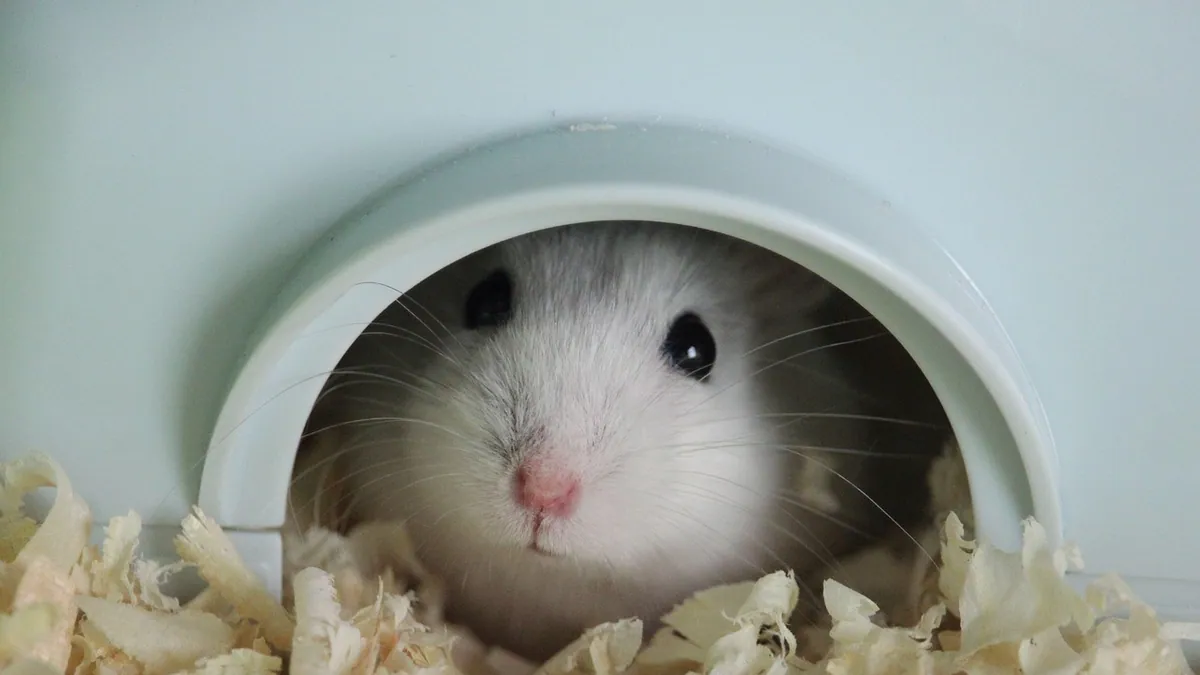
Yes, is it normal for hamsters to sleep on their back? Often it is. Many hamsters sleep on their back or side, especially when they feel safe and warm. But a hamster that suddenly flips onto its back, stays there, or looks stiff and unresponsive may be sick, so you need to know the difference.
This article is educational and is not a substitute for veterinary diagnosis or treatment.
Quick Answer
- A hamster sleeping on its back or side in a relaxed, curled, or stretched-out pose is usually normal and often means it feels secure.
- Hamsters are nocturnal and crepuscular, so they sleep heavily during the day and may be slow to wake.
- A hamster that rolls onto its back when you touch it, squeaks, or bares teeth is likely scared or defensive, not sick.
- A hamster that is limp, cold, struggling to breathe, or cannot right itself needs a veterinarian right away.
- Watch for other signs like not eating, weight loss, wet tail, or a hunched posture, because those point to illness.
Normal Reasons a Hamster Sleeps on Its Back
Deep sleep and feeling safe
Hamsters are prey animals. In the wild they hide underground to sleep, and a pet hamster that sleeps out in the open on its back is often telling you it feels no threat. Syrian hamsters sleep a lot during their light period, and research shows sleep takes up most of that time, about 78 percent of a 12 hour light phase [1]. When sleep is that deep, a hamster may not wake quickly, and it may stay in whatever position it settled into.
Body temperature and comfort
Hamsters lose heat easily because they are small. Sleeping on the back can expose the belly to a warm spot or let the hamster stretch out when the room is warm. Some hamsters also sleep on their back when they are too warm and are trying to cool down. Check the cage temperature and make sure it is not sitting in direct sun or near a heater.
Defensive rolling, not sleep
A hamster that rolls onto its back when you reach into the cage is not sleeping. That is a fear response. Hamsters roll over to present their teeth and belly as a warning. This is common in hamsters that have not been handled much or that were woken suddenly. It is a behavior problem, not a medical one, but it can lead to bites.
Torpor and hibernation-like states
Some hamster species can enter torpor, a state where body temperature and brain activity drop sharply. In Mongolian hamsters, researchers recorded torpor bouts and even deep hibernation with brain temperature falling and brain electrical activity flattening out [2]. Pet Syrian and dwarf hamsters are not true hibernators, but cold rooms can trigger a torpor-like state. A hamster in torpor feels cold and looks lifeless. This is a medical concern in a pet, not a normal nap.
Medical Causes to Rule Out
Respiratory disease
Hamsters with breathing problems may lie on their back or side because it helps them get air. Look for fast breathing, clicking sounds, a wet nose, or the sides of the body pulling in with each breath. These signs need a vet visit soon, not a wait-and-see approach.
Heart disease and circulatory problems
Older hamsters can develop heart disease. A hamster with a weak heart may lie flat on its back or side, feel cool, and tire quickly. It may also have swelling in the belly or legs. Only a veterinarian can confirm this with an exam.
Neurological problems
A hamster that rolls onto its back without control, tilts its head, circles, or cannot right itself may have a neurological issue. This can come from an ear infection, a stroke, or a head injury. These signs are not normal sleep behavior.
Pain, injury, and post-surgical recovery
A hamster in pain may lie on its back and refuse to move. A fall, a fight with a cagemate, or a leg injury can cause this. If your hamster had surgery, lying on the back may be part of recovery, but you should follow your vet's instructions and call if something looks wrong.
Wet tail and digestive illness
Wet tail is a serious diarrheal disease in hamsters, most common in young ones and in times of stress. A hamster with wet tail may lie on its back, look hunched, and have a wet, soiled rear end. This is an emergency. Call a veterinarian the same day.
Hypothermia and torpor
If the cage is cold, a hamster can become too cold and enter a torpor-like state. It will feel cold to the touch and be very slow to respond. Warm it slowly and contact a vet. Do not use a hot water bottle directly against the skin.
When Sleeping on the Back Becomes a Problem
Ask yourself three questions.
First, is this new? A hamster that has always slept on its back is likely fine. A hamster that suddenly changes position and stays that way is more concerning.
Second, does it wake up normally? A healthy hamster will rouse, stretch, yawn, and start moving when it smells food or hears you. A sick hamster stays limp or only half-wakes.
Third, are there other signs? Watch for not eating, not drinking, weight loss, a dull coat, eye discharge, sneezing, diarrhea, or a hunched back. Any of these with back sleeping points to illness.
If your hamster is older, the risk of illness goes up. Many pet hamsters never see a veterinarian at all, and surveys of owners show most hamsters had not received veterinary care [3][4]. That means problems can go unnoticed. Regular weight checks and a yearly exam help catch issues early.
What to Do Step by Step
Step 1: Observe without waking
Watch from a distance for a few minutes. Look at breathing rate, body position, and whether the hamster moves on its own. Do not poke or shake it.
Step 2: Check the environment
Feel the cage area. Is it too warm or too cold? Is the bedding deep enough for burrowing? Hamsters need deep substrate to dig and hide. One owner survey found that shallower substrate depth was linked to more bar biting, a sign of stress [3]. Add more bedding and a hideaway.
Step 3: Offer a favorite treat
Hold a piece of food near the nose. A healthy hamster will sniff and wake. A sick hamster will not respond.
Step 4: Do a gentle body check
If the hamster is awake, look at the eyes, nose, rear end, and legs. Check for cuts, swelling, or a wet tail. Weigh your hamster weekly on a small kitchen scale and write it down. Weight loss is one of the earliest signs of illness.
Step 5: Improve enrichment and handling
Hamsters need a solid wheel, chew toys, and a quiet spot away from predators. Keep the cage away from cats and dogs. Over 45 percent of owners in one survey kept hamsters near predator species, which raises stress [3]. Handle your hamster gently and let it wake fully before you pick it up. Never grab a sleeping hamster.
Step 6: Fix the sleep schedule
Hamsters are nocturnal. If your hamster is awake all night and you keep waking it during the day, it may sleep more deeply and be harder to rouse. Keep the room dark and quiet during the day and active in the evening.
Step 7: Know when to call
If your hamster is on its back and also has any red flag sign, call a veterinarian. Do not wait for it to "sleep it off."
For comparison, sleep problems in other species can look different. If you also have a dog, you might wonder about why dogs sleep so much or how long dogs sleep. Those articles cover normal canine sleep patterns.
What Not to Do
Do not punish your hamster for rolling onto its back. That is fear, not defiance. Punishment makes it worse.
Do not assume every back-sleeping hamster is dying. Many are just comfortable.
Do not use a hamster ball to "wake it up" or exercise it. Hamster ball use was linked to more bar biting in one owner survey [3]. Balls also block airflow and can cause injuries.
Do not house dwarf hamsters together if they are fighting. Co-housing failure is more likely in dwarf hamsters older than 6 months [4]. A stressed hamster may sleep in odd positions and stop eating.
Do not give human medications. Pain relievers and cold medicines can be toxic to hamsters. Only a veterinarian can decide what is safe, and the dose is calculated from your hamster's weight and health.
Do not ignore a cold hamster. Torpor in a pet hamster is not normal and needs warming and veterinary advice.
When a Veterinarian or Behavior Professional Should Be Involved
Call a veterinarian the same day if your hamster is on its back and also has diarrhea, a wet rear end, trouble breathing, a swollen belly, or has stopped eating.
Go to an emergency clinic now if your hamster is limp, unresponsive, gasping, having seizures, or bleeding.
Schedule a routine visit if the back sleeping is new, if your hamster is older, or if you see any gradual change in appetite, weight, or activity. A vet can check the heart, lungs, teeth, and belly. Many hamster problems are easier to treat when caught early.
If the problem is fear-based rolling and biting, a veterinarian can rule out pain first. Then a certified behavior professional who works with small mammals can help with handling and enrichment. Ask your vet for a referral.
Limitations and When to Contact a Veterinarian
This article cannot tell you what is wrong with your specific hamster. Only a veterinarian who examines your pet can do that. Individual cases need a veterinarian.
Red flags that mean call now:
- Same day: not eating, not drinking, diarrhea, wet tail, sneezing, eye or nose discharge, weight loss, a new lump, or a hamster that will not wake.
- Emergency now: limp body, cold to the touch, gasping, blue gums, seizures, heavy bleeding, or a fall from a height.
- Routine visit: a new sleep position in an older hamster, a slow decline in activity, or any behavior change you cannot explain.
If you are not sure, call your vet's office and describe what you see. It is better to ask than to wait.
Frequently Asked Questions
Is it normal for hamsters to lay on their back?
Yes, it can be normal, especially if your hamster is relaxed, warm, and wakes up easily. A hamster that sleeps on its back and acts normal when awake is usually fine. A hamster that stays on its back, feels cold, or cannot right itself needs a vet.
Why is my hamster laying on its back and not moving?
A hamster that is not moving may be in deep sleep, in torpor, or very sick. Check if it feels cold and if it responds to a treat near its nose. If it does not wake or feels cold, contact a veterinarian right away.
Why does my hamster roll on his back when I touch him?
This is usually a fear or defense response, not sleep. Hamsters roll over to show their teeth and warn you away. Give your hamster time to wake up fully and approach it slowly with a treat. If it bites often, ask your vet about a behavior referral.
Can a hamster sleep on its back because it is too hot?
Yes, a hamster may stretch out on its back to cool down when the room is warm. Move the cage out of direct sun and check the temperature. If your hamster is also breathing fast or panting, call your vet.
How do I know if my hamster is hibernating or just sleeping?
True hibernation is not normal in pet Syrian or dwarf hamsters. A hamster in torpor feels cold and is very hard to wake. A sleeping hamster feels warm and wakes when it smells food. If your hamster feels cold and will not wake, warm it slowly and call a veterinarian.
Related Articles
- Hamster Care Tips: Daily, Weekly, and Monthly Routines
- Why Is My Hamster Sleeping So Much?
- Why Is My Hamster Always Sleeping or Not Sleeping?
- Why Does My Hamster Sleep in the Open?
References
- Sleep and EEG spectra in the Syrian hamster (Mesocricetus auratus) under baseline conditions and following sleep deprivation. Journal of comparative physiology. A, Sensory, neural, and behavioral physiology, 1987.
- Unusual Pattern of Cerebral Electrical Activity in the Mongolian Hamster (Allocricetulus curtatus) During Heterothermia. Doklady biological sciences : proceedings of the Academy of Sciences of the USSR, Biological sciences sections, 2025.
- Burrowing for answers: Investigating Syrian hamster welfare through owner surveys. The Veterinary record, 2024.
- Preliminary investigation into the housing of dwarf hamsters. The Veterinary record, 2023.