Guinea Pig Not Using One Leg: Limping Causes Explained
By Dr. Zubair Khalid, DVM, MS, PhD ·
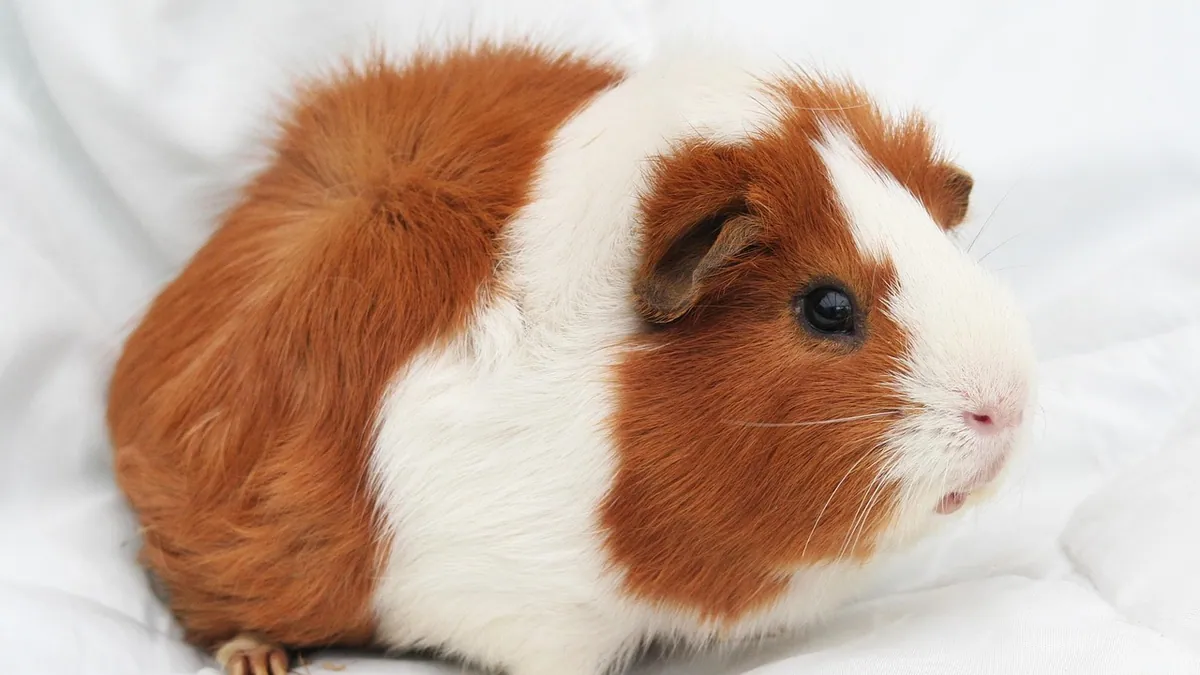
A guinea pig not using one back leg is usually dealing with a fracture, a sprain or strain, or a painful foot infection called bumblefoot. Sometimes the cause is arthritis, a soft tissue injury, or nerve damage. A limb that is completely non-weight-bearing is a serious sign that needs veterinary attention.
This article is educational and is not a substitute for veterinary diagnosis or treatment.
Quick Answer
- A leg that is held up completely and never touches the ground is more serious than a mild limp, and it usually points to a fracture, a bad sprain, or bumblefoot.
- Guinea pigs hide pain well, so a non-weight-bearing leg often means the pain is already significant.
- Restrict movement right away by moving your guinea pig into a small, single-level enclosure with soft bedding.
- Do not give any human pain medication. Guinea pigs can react badly to many common drugs, and the dose must be calculated by a veterinarian based on your pet's weight and health.
- Contact an exotic or small animal veterinarian the same day. A broken bone, an open wound, or a swollen foot needs prompt care.
What a Limp Looks Like and What Is Normal
Guinea pigs are prey animals. In the wild, showing weakness invites predators, so guinea pigs tend to hide pain and illness until they cannot hide it anymore. That instinct carries over into your home. A guinea pig that suddenly refuses to put weight on a leg has often been uncomfortable for a while.
Normal movement in a healthy guinea pig looks like this. All four feet touch the ground when standing. The animal walks, hops, and runs without hesitation. It stretches, popcorns (jumps straight up with excitement), and shifts its weight evenly.
A mild limp is different from a non-weight-bearing limb. With a mild limp, your guinea pig still touches the foot down, even briefly. With a non-weight-bearing limb, the leg is held up off the floor, tucked against the body, or dragged. You may notice the guinea pig hopping on three legs, leaning to one side, or refusing to move at all.
The location matters too. A guinea pig not putting weight on a back leg may have a different problem than one favoring a front leg. Front leg problems are often linked to landing injuries from a fall or a jump off a table or couch. Back leg problems are more often linked to fractures, arthritis, or foot infections.
Main Causes of a Guinea Pig Not Using One Leg
Several conditions can cause a guinea pig to stop using a limb. The table below lists the most common ones, the clues that point to each, and how quickly you should act.
| Cause | Typical clues | How urgent |
|---|---|---|
| Fracture (broken bone) | Sudden onset, leg held up or dangling, swelling, crying when touched, may follow a fall or a dropped cage mate | Emergency, same day |
| Sprain or strain | Sudden onset after a jump or slip, mild to moderate swelling, leg still touched down sometimes | Urgent, same day or next day |
| Bumblefoot (pododermatitis) | Swollen, red, or crusty foot pad, favoring one or both back feet, often in guinea pigs on wire floors or hard surfaces | Urgent, same day or next day |
| Arthritis | Older guinea pig, slow onset, stiffness that is worse after rest, both legs may be affected over time | Routine visit, but sooner if sudden worsening |
| Abscess or infection | Swelling, heat, discharge, bad smell, possible fever, may follow a bite or a wound | Urgent, same day |
| Nerve damage or spinal problem | Weakness, dragging the leg, loss of feeling, may affect both back legs, sometimes loss of bladder control | Emergency, same day |
| Nutritional deficiency (vitamin C) | Poor coat, reluctance to move, joint swelling, bleeding gums, poor appetite | Urgent, same day |
Fractures
A fracture is one of the most common reasons a guinea pig stops using a leg completely. Guinea pigs have delicate bones, and a fall from even a short height can break a leg. A dropped cage mate, a foot caught in a cage bar, or a sudden twist can also cause a break.
Signs of a fracture include a leg that is held up and never used, obvious swelling, a crooked or dangling limb, and crying or flinching when you touch the area. Do not try to splint the leg yourself. A poorly placed splint can cut off circulation or make the break worse.
Sprains and Strains
A sprain is an injury to a ligament, and a strain is an injury to a muscle or tendon. These injuries often happen after a jump, a slip on a smooth floor, or a sudden awkward landing. The leg may still touch the ground sometimes, and the swelling is usually milder than with a fracture.
Sprains can still be painful enough that your guinea pig refuses to bear weight. Rest and pain control are the main treatments, and your veterinarian can tell the difference between a sprain and a fracture with an exam and imaging.
Bumblefoot
Bumblefoot is an infection and inflammation of the foot pad. It is common in guinea pigs kept on wire floors, hard surfaces, or bedding that stays wet and dirty. Obesity and lack of exercise raise the risk too.
Look at the bottom of the feet. A normal foot pad is smooth and covered with fur. A foot with bumblefoot is swollen, red, crusty, or has an open sore. The guinea pig may favor that foot and eventually stop using the leg. Bumblefoot can become a deep infection that reaches the bone, so it needs veterinary treatment.
Arthritis
Older guinea pigs can develop arthritis, and the knee joint is a common site. In fact, certain guinea pigs used in research develop osteoarthritis in their knees naturally as they age [1]. Arthritis usually causes a gradual limp that gets worse over weeks or months, not a sudden complete refusal to use the leg. However, a flare-up can make an arthritic guinea pig stop using a leg for a day or two.
Abscesses and Infections
Guinea pigs form thick-walled abscesses easily. An abscess on a leg or foot can be painful enough to stop your pet from walking on it. Abscesses often follow a bite wound, a scratch, or a foreign object stuck in the foot. You may see a swollen, warm lump that leaks pus. Abscesses need to be drained and treated with antibiotics by a veterinarian.
Vitamin C Deficiency
Guinea pigs cannot make their own vitamin C, so they must get it from food [2]. A guinea pig on a poor diet can develop scurvy, which causes weak connective tissue, joint pain, and bleeding. A guinea pig with scurvy may be reluctant to move and may favor one or more legs. Other signs include a rough coat, poor appetite, and swollen joints.
Other Causes
Less common causes include bone cancer, soft tissue tumors, and spinal injuries. Young guinea pigs can develop skin tumors or blood cancers, and many cancers appear more often after 4 to 5 years of age [3]. A spinal injury or a slipped disc can cause weakness or paralysis in one or both back legs.
Red Flags That Make It an Emergency
Some signs mean you should stop reading and call a veterinarian right now.
- The leg is dangling, crooked, or obviously deformed.
- There is an open wound, bleeding, or bone showing through the skin.
- Your guinea pig is crying, screaming, or grinding its teeth in pain.
- The guinea pig is dragging both back legs or cannot stand at all.
- The foot is cold, pale, or blue, which can mean the blood supply is cut off.
- Your guinea pig has stopped eating, stopped drinking, or is not passing stool.
- There is a bad smell, pus, or black tissue around the foot or leg.
- Your guinea pig is breathing fast, panting, or lying flat and unresponsive.
Any of these signs means the problem is serious and may be life-threatening. Call your veterinarian or an emergency animal hospital immediately.
Safe Things You Can Do at Home While You Wait
While you wait for your appointment, focus on keeping your guinea pig calm, comfortable, and safe. Do not try to treat the leg yourself.
Restrict Movement
Move your guinea pig into a small, single-level enclosure. A hospital cage or a small carrier with soft bedding works well. Remove ramps, wheels, and anything your pet can climb on. The goal is to stop your guinea pig from jumping, running, or dragging the leg. Movement can turn a small fracture into a worse one or make a sprain take longer to heal.
Check the Environment
Look at the cage floor. Wire floors and hard surfaces make foot problems worse. Switch to soft, absorbent bedding such as paper-based bedding or fleece over a towel. Keep the bedding clean and dry. Change it at least once a day, and more often if your guinea pig is urinating more than usual.
Offer Food and Water Close By
Place food and water within easy reach so your guinea pig does not have to walk far. Offer fresh hay, pellets, and vegetables. If your guinea pig is not eating, try offering small pieces of its favorite food by hand. A guinea pig that stops eating can go downhill fast, so call your veterinarian if your pet refuses food for more than a few hours.
Do Not Give Human Pain Medication
Never give your guinea pig ibuprofen, acetaminophen, aspirin, or any other human pain reliever. Many of these drugs are toxic to guinea pigs, and the correct dose depends on your pet's weight and health. Only a veterinarian can prescribe safe pain medication and calculate the dose.
Handle With Care
If you must pick up your guinea pig, support the whole body with both hands, including the hindquarters. Never lift a guinea pig by the front of the body alone. A guinea pig with a hurt leg may struggle, so keep handling brief and gentle.
If you are also managing a limping dog at home, some of the same principles apply. You can read more about front leg limping in dogs here: Why Is My Dog Limping On Front Leg and Dog Limping Front Leg But Not In Pain. The causes differ between species, but the advice to restrict movement and see a vet promptly is the same.
What Your Veterinarian Will Check and Test
Your veterinarian will start with a full physical exam. They will watch your guinea pig walk, if possible, and gently feel the leg, joints, and foot. They will check for swelling, heat, instability, and wounds. They will also check the other legs, because guinea pigs often develop problems in more than one limb.
Next, your veterinarian may recommend imaging. X-rays are the most common test for a suspected fracture or arthritis. In some cases, a veterinarian may use advanced imaging such as micro-computed tomography to look closely at a joint [1]. Blood work can help check for infection, anemia, or organ problems. A sample of fluid from a swollen joint or abscess may be sent for testing.
Treatment depends on the cause. A fracture may need surgery, a splint, or strict cage rest. A sprain usually needs rest and pain medication. Bumblefoot needs wound care, bandaging, and antibiotics. Arthritis may be managed with pain control, joint support, and diet changes. An abscess needs to be drained and treated with antibiotics.
Your veterinarian will also check your guinea pig's teeth and diet. Dental problems are common in guinea pigs because their teeth grow continuously, and a guinea pig that is not eating well may have underlying dental disease [4]. A guinea pig with a poor diet may also be low in vitamin C, which can affect healing.
Prevention and Monitoring
You can lower the risk of leg problems with a few simple changes.
Keep the cage floor solid and covered with soft bedding. Avoid wire floors. Keep bedding clean and dry to prevent foot infections. Provide a large enough enclosure so your guinea pig can move around without jumping from heights. Remove or block ramps that are too steep.
Feed a balanced diet with unlimited grass hay, plain pellets, and fresh vegetables high in vitamin C, such as bell peppers. Guinea pigs cannot make vitamin C on their own, so a steady supply in the diet matters [2]. Talk to your veterinarian about whether a vitamin C supplement is right for your pet.
Weigh your guinea pig weekly and write down the number. Weight loss is often the first sign of a health problem. Check the feet every week for swelling, redness, or sores. Watch how your guinea pig moves and note any change in gait.
If your guinea pig has had a leg injury before, keep monitoring it. Arthritis and old injuries can flare up. Call your veterinarian if you see the limp return or get worse.
Limitations and When to Contact a Veterinarian
This article gives general information, but every guinea pig is different. Only a veterinarian who examines your pet can diagnose the cause of a limp and recommend treatment.
Contact your veterinarian the same day if your guinea pig is not using one leg at all, if the leg looks swollen or deformed, if there is an open wound, or if your pet seems to be in pain.
Go to an emergency animal hospital immediately if your guinea pig is dragging both back legs, cannot stand, has a cold or blue foot, is bleeding heavily, is struggling to breathe, or has stopped eating and passing stool.
Schedule a routine visit if you notice a mild limp that comes and goes, stiffness in an older guinea pig, or a foot that looks slightly red or swollen. Early treatment is easier and often less expensive than waiting.
Frequently Asked Questions
How do I know if my guinea pig is in pain?
Guinea pigs hide pain, so you may not see obvious signs. Watch for a hunched posture, grinding teeth, reluctance to move, loss of appetite, or crying when the leg is touched. A guinea pig that stops using a leg completely is likely in significant pain.
Can a guinea pig's broken leg heal on its own?
Some minor fractures can heal with strict cage rest and veterinary care, but many need surgery or a splint. A broken leg that is not treated can heal crooked, cause chronic pain, or lead to infection. Always have a veterinarian examine the leg before assuming it will heal on its own.
Should I wrap my guinea pig's leg at home?
No. Do not wrap or splint the leg yourself. A bandage that is too tight can cut off blood flow, and a bandage that is too loose will not help. Your veterinarian can apply the right support and show you how to care for it.
Is bumblefoot always caused by dirty bedding?
Dirty bedding is a common cause, but not the only one. Wire floors, hard surfaces, obesity, lack of exercise, and poor circulation can all contribute. Some guinea pigs develop bumblefoot even with good cage hygiene, so a veterinary exam is important.
Can I give my guinea pig baby aspirin for the pain?
No. Do not give aspirin or any other human pain medication to your guinea pig. Many human drugs are toxic to guinea pigs, and the correct dose must be calculated by a veterinarian based on your pet's weight and health. Call your veterinarian for safe pain relief options.
Related Articles
- Guinea Pig Not Using Back Legs: Causes and Urgency
- Why Is My Guinea Pig Dragging Its Back Legs?
- Guinea Pig Not Moving: Causes and Emergency Care
References
- Micro-Computed Tomography Analysis of the Knee in Aged Dunkin-Hartley Guinea Pigs after Intra Articular Injection. Journal of visualized experiments : JoVE, 2024.
- Neurodevelopmental Changes in the Guinea Pig Brain Caused by Time-Limited Complete Vitamin C Deprivation. Nutrients, 2025.
- General Medical Conditions of Guinea Pigs - All Other Pets. Merck Veterinary Manual.
- Common Health Problems of Guinea Pigs - All Other Pets. Merck Veterinary Manual.