Guinea Pig Not Using Back Legs: Causes and Urgency
By Dr. Zubair Khalid, DVM, MS, PhD ·
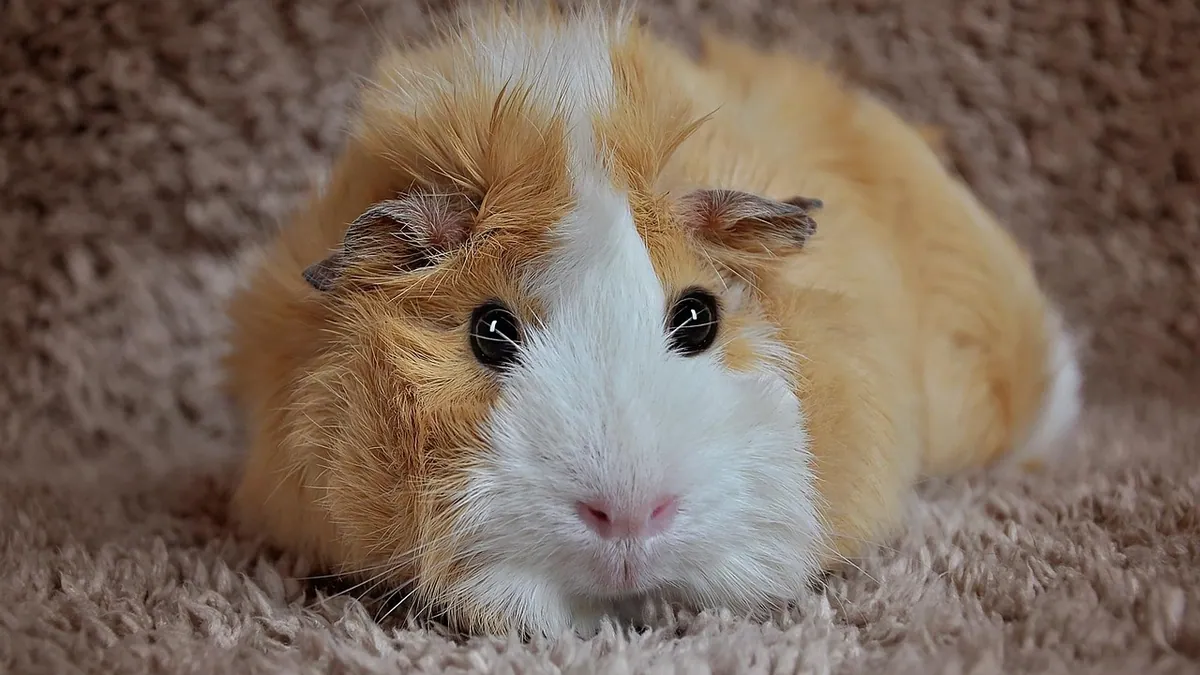
A guinea pig that suddenly stops using its back legs may have a spinal injury, a broken bone, or scurvy (vitamin C deficiency). This is a medical emergency, not something that improves with rest at home. If your guinea pig is not using back legs, call an exotic or small animal veterinarian today.
This article is educational and is not a substitute for veterinary diagnosis or treatment.
Quick Answer
- Sudden hindlimb loss in a guinea pig is an emergency. Call a veterinarian who treats guinea pigs the same day.
- The most likely causes are spinal injury, leg fracture, and vitamin C deficiency (scurvy).
- Do not pick your guinea pig up by the middle of the body or let it drag itself around the cage.
- Move it to a small, padded, single-level enclosure with food and water within easy reach.
- Do not give any medication or supplement dose on your own. Your veterinarian will calculate the right dose based on your pet's weight and health.
What Hindlimb Loss Looks Like in Guinea Pigs
A guinea pig with hindlimb problems may drag its rear end, wobble when walking, or sit with its back legs splayed out to the sides. Some guinea pigs stop moving the back legs completely. Others can still move them but cannot bear weight.
Watch for these signs:
- The back legs trail behind the body when the guinea pig moves.
- The guinea pig pulls itself forward with the front legs only.
- One or both back legs look crooked, swollen, or out of place.
- The guinea pig cries out or flinches when the rear end is touched.
- The guinea pig stops eating, stops passing droppings, or sits hunched.
Normal guinea pig movement is a low shuffle with all four feet under the body. Guinea pigs do not normally hop like rabbits, and they do not normally drag their hindquarters. Any change in how the back legs work is worth a veterinary call.
Main Causes of a Guinea Pig Not Moving Back Legs
| Cause | Typical clues | How urgent |
|---|---|---|
| Spinal injury | Sudden onset after a fall, a drop, or rough handling. Back legs limp or stiff. May lose bladder and bowel control. | Emergency now |
| Leg fracture | One leg is swollen, angled wrong, or very painful to touch. The guinea pig holds it up or drags it. | Emergency now |
| Scurvy (vitamin C deficiency) | Weakness that comes on over days to weeks. Reluctance to move, swollen joints, poor coat, slow wound healing. Hindlimb weakness can be part of it. | Same day |
| Arthritis or joint disease | Older guinea pig. Stiffness that builds slowly. Trouble rising but still able to move the legs. | Routine visit, sooner if sudden |
| Nerve damage | Loss of feeling or control in the back legs. May follow a spinal injury or a bad fall. | Emergency now |
| Cancer or internal masses | Weight loss, poor appetite, a swollen belly, or a mass found on exam. | Same day to urgent |
| Urinary or bladder disease | Straining to urinate, blood in the urine, crying while urinating. Guinea pigs with urinary stones may show vague signs and stop moving normally. | Same day |
Spinal injury is the top concern when hindlimb loss happens in minutes. Guinea pigs have a short, compact spine, and a fall from a table, a slippery floor, or a squeeze from a child can damage it. A fracture of the femur or pelvis can also cause sudden loss of use.
Scurvy is the other big cause to know. Guinea pigs cannot make their own vitamin C, so they depend on what you feed them. A guinea pig on a diet without fresh vitamin C sources can develop weakness, joint pain, and bleeding problems. Hindlimb weakness from scurvy tends to build over time, but owners often notice it as a sudden collapse.
Arthritis is common in older guinea pigs. Dunkin-Hartley guinea pigs, a breed used in research, develop osteoarthritis in their knees on their own as they age [1]. Pet guinea pigs can have the same kind of joint wear. Arthritis usually causes stiffness that gets worse slowly, but a guinea pig with sore joints may suddenly refuse to walk.
Other conditions can look like hindlimb loss even when the legs are fine. Urinary stones are common in guinea pigs and are made of calcium carbonate and other crystals that form in normal urine [2]. A guinea pig in pain from a stone may sit hunched and stop moving. Bladder tumors are not common, but they are being diagnosed more often, and late recognition leads to worse outcomes [3].
Red Flags That Mean Emergency Now
Call an emergency clinic or your veterinarian right away if you see any of these:
- The back legs stopped working suddenly, within hours.
- The guinea pig cannot stand or right itself.
- The guinea pig is dragging its hind end and the skin is getting scraped.
- One or both back legs look broken or bent the wrong way.
- The guinea pig is crying, grinding its teeth, or panting.
- The guinea pig cannot urinate or pass droppings.
- The guinea pig is not eating or drinking.
- The guinea pig feels cold, limp, or barely responds to you.
A guinea pig that cannot move its back legs is at risk of pressure sores, urine scald, and gut stasis (the digestive tract slowing down). Gut stasis can become life threatening fast. This is why same-day care matters even if your guinea pig still seems alert.
If you are also managing a limping pet of another species, the urgency rules are similar. Our guide to a cat limping on a back leg walks through the same decision steps.
Safe Things You Can Do at Home While You Wait
Your job before the vet visit is to keep your guinea pig safe, warm, and comfortable. Do not try to fix the leg or spine yourself.
Set up a hospital cage. Use a small, single-level enclosure with no ramps, no wheels, and no high sides to climb. Line it with soft, absorbent bedding such as fleece or paper bedding. Keep the food and water dishes close to the guinea pig so it does not have to walk.
Handle with a flat hand and full support. Slide one hand under the chest and one under the hindquarters. Keep the spine straight and the body level. Never lift a guinea pig by the scruff or let the back legs dangle. If you suspect a spinal injury, move the guinea pig as little as possible and use a small box or carrier with a towel for support.
Check for urine scald. A guinea pig that cannot lift its hind end will sit in urine. Gently wipe the skin with a warm, damp cloth and dry it well. Do not use human creams or powders unless your veterinarian tells you to.
Keep food and water available. Offer hay, fresh water, and its usual pellets. If your guinea pig is not eating, tell the veterinarian. Do not force feed unless a veterinarian instructs you.
Do not give vitamin C on your own. Scurvy is treatable, but the dose and route depend on your guinea pig's weight and condition. Your veterinarian will calculate the dose. Giving too much or the wrong form can cause problems.
Do not give pain medication from your home supply. Human pain relievers can be toxic to guinea pigs. Only give medication prescribed for your guinea pig by a veterinarian.
Keep the room quiet and warm. Stress makes pain worse. Keep other pets and loud children away from the cage.
If your guinea pig has a swollen, painful foot instead of a whole-leg problem, our guinea pig bumblefoot care article covers that separate condition.
What the Veterinarian Will Check and Test
Your veterinarian will start with a full physical exam. They will check the spine, hips, and legs for swelling, instability, and pain. They will test whether your guinea pig can feel its toes and whether it can right itself. They will also check the teeth, because dental problems are common in guinea pigs and can cause drooling, weight loss, and trouble eating [4]. A guinea pig in pain from bad teeth may stop moving normally.
Expect some of these tests:
- X-rays. These show fractures, spinal damage, and bladder or kidney stones. X-rays are also used to check the back teeth, which often cause problems even when the front teeth look normal [4].
- Ultrasound. This helps look at the bladder, kidneys, and reproductive tract. It can find stones, tumors, and cysts.
- Blood work. This checks organ function, infection, and overall health. It can also support a suspicion of scurvy or other nutritional problems.
- Urine testing. This checks for blood, crystals, and infection.
Treatment depends on the cause. A fracture may need surgery, a splint, or strict cage rest. A spinal injury may need steroids, pain control, and a long rest period. Scurvy is treated with vitamin C, but the dose must come from your veterinarian. Arthritis is managed with pain control, joint support, and changes to the cage setup.
Your veterinarian may also ask about your guinea pig's diet, especially how much vitamin C it gets each day. Be honest about what you feed. This helps the veterinarian find the cause faster.
Prevention and Monitoring
You cannot prevent every injury, but you can lower the risk.
Feed a proper diet. Guinea pigs need a steady source of vitamin C every day. Good sources include fresh bell pepper, a small amount of kale, and guinea pig pellets made with stabilized vitamin C. Hay should be the main part of the diet. Store pellets properly and check the expiration date, because vitamin C breaks down over time.
Prevent falls. Never leave a guinea pig on a table, bed, or couch without a hand on it. Use ramps with side rails in multi-level cages. Keep floors non-slip with mats or towels.
Handle gently. Support the chest and hindquarters every time. Teach children to sit on the floor when holding a guinea pig.
Watch for early signs. Weigh your guinea pig weekly. A drop in weight is often the first sign of a health problem. Watch how your guinea pig walks and whether it is eating, drinking, and passing droppings normally.
Know the sounds. Guinea pigs make many noises, and some mean pain or distress. Our article on guinea pig squeaking noise explains what different sounds can mean.
Schedule routine checkups. An annual exam with a guinea pig-savvy veterinarian helps catch arthritis, dental disease, and urinary problems before they become emergencies.
Limitations and When to Contact a Veterinarian
This article cannot tell you what is wrong with your specific guinea pig. Only a veterinarian who examines your pet can do that. Individual cases need a veterinarian.
Call your veterinarian the same day if your guinea pig:
- Stops using one or both back legs.
- Drags its hind end or cannot stand.
- Cries when touched or moves.
- Stops eating, drinking, or passing droppings.
- Has a swollen, crooked, or painful leg.
Go to an emergency clinic now if your guinea pig:
- Cannot breathe normally or is panting.
- Cannot urinate.
- Is limp, cold, or unresponsive.
- Has a leg that is clearly broken with bone showing.
- Collapsed suddenly after a fall.
Call for a routine visit if your guinea pig:
- Moves more slowly than usual but still walks.
- Seems stiff in the morning or after rest.
- Has a change in gait that has been slowly getting worse.
Do not wait to see if it gets better on its own. Hindlimb loss in guinea pigs rarely resolves without treatment, and delays make many conditions harder to treat.
Frequently Asked Questions
Can a guinea pig recover from not using its back legs?
Yes, some guinea pigs recover, but it depends on the cause and how fast you get treatment. A fracture or spinal injury needs prompt veterinary care, and recovery can take weeks. Scurvy often improves with the right vitamin C treatment, but the dose must come from your veterinarian.
Is scurvy a common reason a guinea pig stops using its back legs?
Scurvy is one of the main causes of hindlimb weakness in guinea pigs. Guinea pigs cannot make their own vitamin C, so a diet without enough of it leads to weakness, joint pain, and bleeding problems. If your guinea pig eats only hay and low-quality pellets, ask your veterinarian about its vitamin C intake.
Should I massage my guinea pig's back legs?
No. Do not massage, stretch, or move the back legs if you suspect an injury. You could make a spinal injury or fracture worse. Keep your guinea pig still and quiet until a veterinarian sees it.
Can my guinea pig live a normal life if it cannot use its back legs?
Some guinea pigs adapt well with a modified cage, soft bedding, and help staying clean. Others do not, especially if they are in pain or cannot urinate or pass droppings on their own. Your veterinarian can tell you what quality of life to expect based on the diagnosis.
What should I feed a guinea pig to prevent hindlimb problems?
Feed unlimited grass hay, a small measured amount of guinea pig pellets with stabilized vitamin C, and fresh vegetables high in vitamin C, such as bell pepper. Avoid sudden diet changes. Ask your veterinarian for a feeding plan based on your guinea pig's age and weight.
Related Articles
- Guinea Pig Bumblefoot Care
- Guinea Pig Squeaking Noise
- Husbandry and Welfare of Laboratory Guinea Pigs
- Guinea Pig Not Using One Leg: Limping Causes Explained
- Why Is My Guinea Pig Dragging Its Back Legs?
- Guinea Pig Not Moving: Causes and Emergency Care
References
- Micro-Computed Tomography Analysis of the Knee in Aged Dunkin-Hartley Guinea Pigs after Intra Articular Injection. Journal of visualized experiments : JoVE, 2024.
- Noninfectious Diseases of Guinea Pigs - Exotic and Laboratory Animals. Merck Veterinary Manual.
- Primary Urinary Bladder Tumors in Three Guinea Pigs (Cavia Porcellus). Topics in companion animal medicine, 2023.
- Common Health Problems of Guinea Pigs - All Other Pets. Merck Veterinary Manual.