Why Is My Rabbit Leaning to One Side? Head Tilt Causes
By Dr. Zubair Khalid, DVM, MS, PhD ·
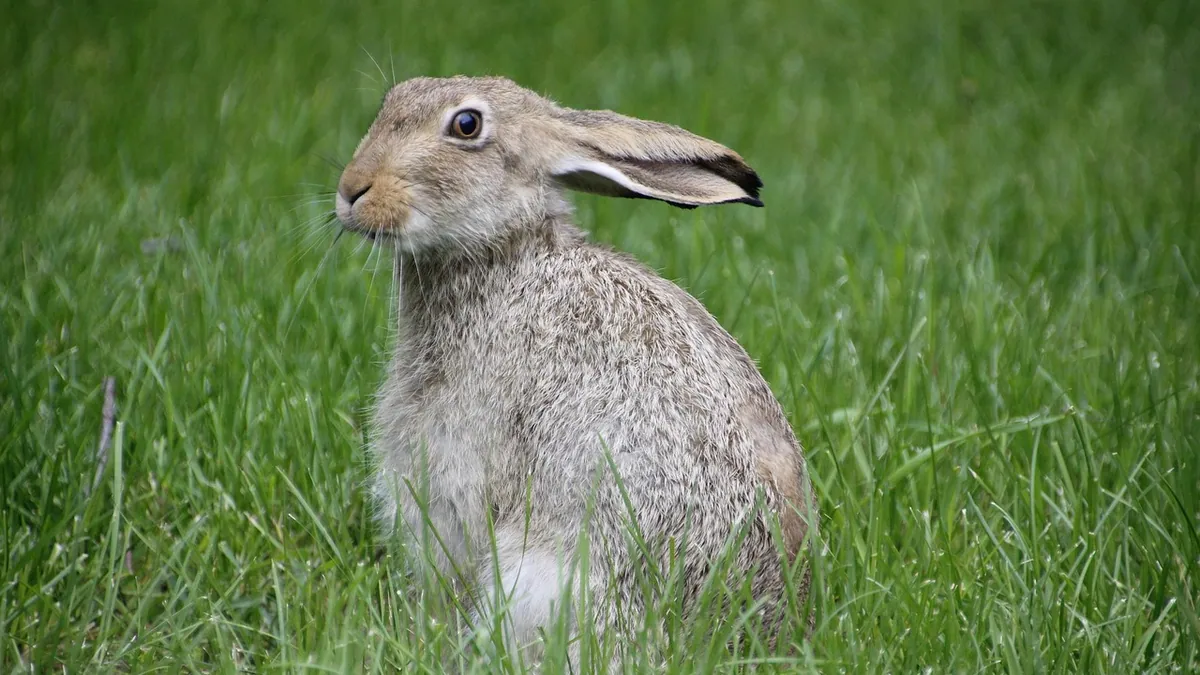
If your rabbit is holding its head tipped or rolled to one side, the cause is usually a problem in the balance system, most often an inner or middle ear infection, the parasite E. cuniculi, or another vestibular disorder. This is not a wait-and-see symptom. Rabbits with a head tilt need a veterinarian quickly, because the underlying cause can worsen and some treatments work best when started early.
This article is educational and is not a substitute for veterinary diagnosis or treatment.
Quick Answer
- A head tilt in a rabbit is a sign of vestibular (balance) disease, and the two most common causes in pet rabbits are ear infection and E. cuniculi [1].
- Call your veterinarian today. If your rabbit is rolling, cannot stand, is not eating, or has rapid eye movement, treat it as an emergency and go now.
- Do not put anything in your rabbit's ears, and do not give human or leftover medications. Some drugs are toxic to rabbits.
- Keep your rabbit in a small, padded, low-sided space so it cannot injure itself while rolling.
- A head tilt can improve, but some rabbits keep a permanent tilt even after treatment. Early care gives the best chance of recovery.
What a Head Tilt Looks Like and What Is Normal
A true head tilt means the head is held rotated toward one side, often with the chin turned and the ear dropped. Owners describe it as the rabbit leaning to one side, falling to one side, or tipping over when it tries to move. Some rabbits roll completely onto their side and cannot right themselves.
Some head movement is normal. Rabbits scan with a slow side-to-side head motion, which is a way of judging distance and is common in rabbits with certain coat colors. That scanning is smooth, controlled, and the rabbit stays balanced. A head tilt is different. The head stays rotated, the rabbit may circle, and balance is clearly off.
You may also see:
- Nystagmus, which is a fast, involuntary flicking of the eyes, often side to side or up and down.
- A body lean or a tendency to fall toward the tilted side.
- Rolling or spinning when the rabbit tries to walk.
- Reduced appetite, because nausea and dizziness make eating hard.
If you are comparing this to other species, the same balance system is involved in dogs. You can read more about why a dog tilts its head to one side for context, but rabbit causes and treatments differ.
Why Is My Rabbit Leaning to One Side? The Main Causes
Head tilt in rabbits comes from the vestibular system, which includes the inner ear and the parts of the brain that control balance. A study of 73 pet rabbits with head tilt found that the most common final diagnoses were E. cuniculi meningoencephalomyelitis, otitis media or interna (middle or inner ear infection), and both conditions at the same time [1].
Ear Infection (Otitis Media and Otitis Interna)
The middle and inner ear sit right next to the balance organs. When bacteria or pus build up there, the rabbit loses its sense of orientation. Ear infection was one of the top causes of head tilt in the study group, and rabbits with a history of middle ear surgery or a diagnosis of otitis externa had a significantly higher risk of developing it [1].
Ear infections in rabbits are often quiet at first. The eardrum may look normal, and the rabbit may not scratch its ears. Signs tend to come on over days to weeks, and the study found that rabbits with ear infection were more likely to have a subacute to chronic onset than rabbits with E. cuniculi [1]. Pus in rabbits is thick and drains poorly, so deep ear infections often need surgery plus long-term antibiotics, and they can come back [2].
E. cuniculi (Encephalitozoonosis)
E. cuniculi is a common protozoal parasite of rabbits that often affects the kidneys and brain [2]. It spreads from rabbit to rabbit through contact with infected urine and from mother to fetus [2]. Many infected rabbits show no signs at all, and the parasite can sit quietly for a long time before nervous system signs appear.
When it affects the brain, it can cause head tilt, rolling, seizures, tremors, and other nervous system signs [2]. Diagnosis requires lab testing, and treatment with anti-inflammatory and antiprotozoal medicines can help, but no treatment guarantees a cure [2]. Good sanitation, especially cleaning up urine promptly, matters for prevention [2].
Other Causes
Not every head tilt is infection or parasite. A case report described a 6-year-old spayed rabbit with paradoxical vestibular signs caused by a presumed stroke (an ischemic infarct) in the cerebellum, and the rabbit improved gradually and became free of clinical signs [3]. That report recommends including strokes in the list of possible causes of central vestibular problems in rabbits [3].
Trauma, tumors, and other brain disease can also cause these signs. Your veterinarian will sort out which category fits your rabbit.
Cause Comparison
| Cause | Typical clues | How urgent |
|---|---|---|
| Ear infection (otitis media/interna) | Gradual onset over days to weeks, head tilt, sometimes ear discharge or pain when the ear is touched, history of ear problems [1] | Urgent, same day. Deep infections need imaging and long-term treatment [2] |
| E. cuniculi | Head tilt, rolling, tremors, seizures, often with kidney involvement, possible exposure to infected urine [2] | Urgent, same day. Needs lab testing and medication [2] |
| Stroke or cerebellar infarct | Sudden onset, severe imbalance, may improve over time [3] | Emergency now, because sudden onset mimics other serious problems |
| Trauma or tumor | History of injury, or slow progressive signs with other neurologic changes | Urgent, same day |
Red Flags That Make This an Emergency
Go to a veterinarian or an emergency clinic right away if your rabbit:
- Rolls or spins and cannot stay upright.
- Cannot stand or eat on its own.
- Has rapid eye flicking that will not stop.
- Breathes with effort, or its gums look pale or blue.
- Is not producing droppings, or has stopped eating and drinking.
- Shows seizures, tremors, or a sudden change in awareness.
In the head tilt study, rabbits that were recumbent (unable to rise) or had impaired mentation had a higher risk of death or euthanasia [1]. Those signs are serious and should never be watched at home.
Heatstroke is a separate emergency that can also cause a rabbit to collapse or act disoriented. If you suspect heatstroke, wet your rabbit's ears with cool water, place it near a fan, and call a veterinarian or emergency clinic immediately [2].
Safe Things You Can Do at Home While Waiting
Your job at home is to prevent injury and keep your rabbit comfortable until it is seen. Do not try to treat the cause yourself.
- Move your rabbit to a small carrier or a low-sided pen with soft bedding. A rabbit that rolls can break its back or injure its eyes in a normal cage.
- Pad the sides so it cannot hit hard surfaces.
- Keep food and water within easy reach, at nose level if possible. Hand-feed if your rabbit cannot find the bowl.
- Keep the room quiet and dim. Dizziness gets worse with movement and stress.
- Do not clean or flush the ears, and do not put drops in them unless your veterinarian prescribes them.
- Do not give any medication, including pain relievers, without veterinary direction. Rabbits are sensitive to many drugs.
- Bring your rabbit in a carrier with a towel underneath so it does not slide.
If your rabbit is rolling continuously, call the clinic before you leave so they can prepare for you.
What Your Veterinarian Will Check and Test
Your veterinarian will start with a full physical and neurologic exam. They will look at the eyes for nystagmus and check how your rabbit responds to being moved or tilted. They will examine the ears with an otoscope, though deep ear disease can hide behind an intact eardrum.
Expect some of these tests:
- Blood work to check organ function and general health.
- Testing for E. cuniculi, since diagnosis requires lab testing [2].
- Imaging of the ears or skull, such as radiographs or more advanced imaging, to look for infection or other disease.
- A neurologic assessment to decide whether the problem is central (brain) or peripheral (inner ear).
Treatment depends on the cause. Ear infections often need long-term antibiotics and sometimes surgery, because rabbit pus is thick and drains poorly and recurrence is common [2]. E. cuniculi is treated with anti-inflammatory and antiprotozoal medicines, and no treatment guarantees a cure [2]. In the head tilt study, treatment with meloxicam was associated with improvement of clinical signs [1]. Your veterinarian will calculate any dose based on your rabbit's weight and health.
Some rabbits with sudden onset and a suspected stroke improve gradually over time [3]. Recovery of balance after vestibular damage involves the brain rebalancing signals between the two sides, which is an active process that takes time [4].
Monitoring, Recovery, and Prevention
Recovery from a head tilt is often slow. Many rabbits improve over weeks, and some keep a residual tilt. In the study group, residual head tilt was common even among survivors [1]. A remaining tilt does not always mean the rabbit is still sick, but any new or worsening signs need another visit.
For E. cuniculi, prevention focuses on sanitation. The parasite spreads through infected urine, so clean litter areas often and keep new rabbits separated until a veterinarian has checked them [2]. There is no vaccine, and no treatment guarantees a cure [2].
For ear disease, watch for early signs such as head shaking, ear scratching, or a slight lean. If your rabbit has had ear surgery or ear infections before, it is at higher risk for middle or inner ear disease, so regular checkups are worthwhile [1].
Spaying is a separate but important preventive step for female rabbits. The most common rabbit tumor is uterine adenocarcinoma, a malignant cancer of the uterus, and risk increases with age [2]. Many veterinarians recommend spaying female rabbits at 5 to 6 months old or later because of this risk, and chest x-rays can be taken before surgery to check for spread [2].
If you also keep other pets, balance problems can look similar across species. You can compare notes on a dog that keeps shaking its head and tilting to one side or read about head tilt in dogs, but always use rabbit-specific guidance for your rabbit.
Limitations and When to Contact a Veterinarian
This article cannot tell you which cause your rabbit has. Only a veterinarian can examine your rabbit, test for E. cuniculi, and look inside the ears. Individual cases need a veterinarian, and the timing of care matters.
Contact your veterinarian the same day if your rabbit has a new head tilt, a mild lean, or any change in balance, even if it is still eating.
Go to an emergency clinic now if your rabbit is rolling, cannot stand, has continuous eye flicking, is not eating, has seizures, or is breathing abnormally. Recumbency and impaired mentation were linked to a higher risk of death or euthanasia in rabbits with head tilt [1].
Schedule a routine visit if your rabbit had a head tilt in the past and you notice a slight return of the lean, or if your rabbit has a history of ear disease and you want to check for early signs.
Frequently Asked Questions
Can a rabbit recover from a head tilt?
Yes, many rabbits improve with treatment, though recovery can take weeks and some keep a permanent tilt. In one study group, residual head tilt was common among survivors [1]. The cause matters, because ear infection, E. cuniculi, and stroke are treated differently.
Is a head tilt in a rabbit always an emergency?
A new head tilt always needs a same-day veterinary visit, and rolling, inability to stand, or not eating makes it an immediate emergency. Early treatment gives the best chance of a good outcome. Waiting lets some causes get worse.
Can I treat my rabbit's head tilt at home?
No. Home care is limited to keeping your rabbit safe, quiet, and fed while you arrange veterinary care. Do not put anything in the ears or give any medication without veterinary direction, because rabbits can react badly to common drugs.
Does a head tilt mean my rabbit is in pain?
It can be painful, especially with ear infection or inflammation in the brain, and pain control is part of treatment. In one study, treatment with meloxicam was associated with improvement of clinical signs [1]. Your veterinarian will decide what pain relief is safe and at what dose.
Can I catch E. cuniculi from my rabbit?
E. cuniculi spreads between rabbits through infected urine and from mother to fetus [2]. It is not considered a routine risk to healthy people from normal contact, but anyone who is immunocompromised should ask their own doctor about precautions. Good sanitation reduces spread among rabbits [2].
Related Articles
- Why Is My Rabbit Lying on Its Side and Not Moving?
- Hunched Sick Rabbit Posture: What It Means
- Rabbit Not Using Back Legs: Causes and What to Do
References
- Otitis media/interna and encephalitozoonosis are the most common causes of head tilt in pet rabbits in the UK: 73 cases (2009-2020). The Veterinary record, 2024.
- Disorders Affecting Multiple Body Systems of Rabbits - All Other Pets. Merck Veterinary Manual.
- Paradoxical Vestibular Syndrome Caused by a Presumptive Cerebellar Infarction in a Rabbit. Topics in companion animal medicine, 2021.
- A pilot study on early microgliogenesis following unilateral vestibular neurectomy: A key player in vestibular compensation?. PloS one, 2026.