Why Is My Ferret Not Eating? Causes and When to Act
By Dr. Zubair Khalid, DVM, MS, PhD ·
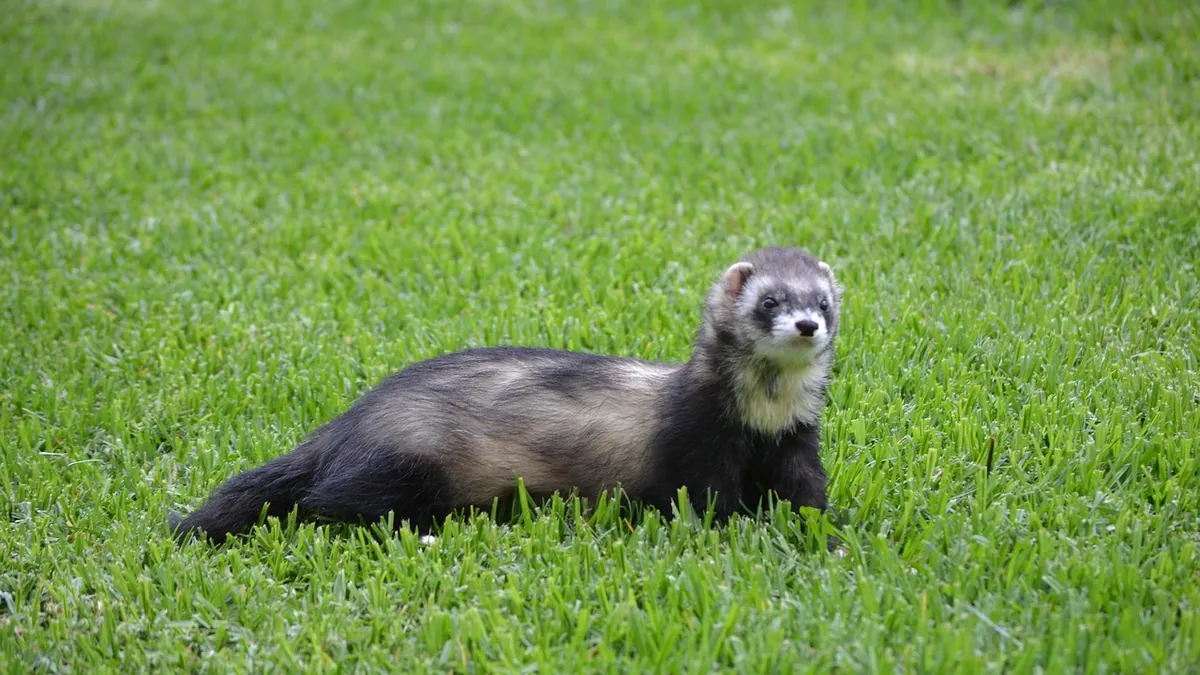
Ferrets burn energy fast, so a ferret that skips meals can slide from "a little off" to seriously ill in a day or two. The most common reasons a ferret stops eating include dental pain, gastrointestinal disease, insulinoma, infection, and stress from a new home. This article is educational and is not a substitute for veterinary diagnosis or treatment.
Quick Answer
- A ferret that has not eaten for 12 to 24 hours needs to be seen by a veterinarian, because ferrets hide illness until it is advanced and can become critically ill quickly [1].
- Vomiting or diarrhea lasting more than 24 hours is a reason to call your vet, since ferrets dehydrate and weaken fast [1].
- A new ferret that is not eating in the first day or two is often stressed, but it should start eating within about 24 hours. If it does not, call your vet.
- Never force-feed a ferret or give human medications. Your veterinarian calculates any drug dose from your pet's weight and health.
- Bloody or dark, tarry droppings mean you should seek veterinary care right away [1].
What Normal Eating Looks Like in a Ferret
Ferrets are obligate carnivores. They need diets high in protein and fat and low in carbohydrates, and plant-based ingredients do not belong in their food [2]. A healthy ferret eats many small meals across the day and night, not two big ones. Most ferrets also stash food, so a missing bowl does not always mean a missing meal.
Watch the whole pattern, not one bowl. A ferret that is eating but losing weight, or eating less each day, is still a concern. Owners often notice the change as "my ferret is not eating" only after a few days of gradual decline.
Signs that something is wrong include:
- Leaving favorite treats untouched
- Dropping food after picking it up, or pawing at the mouth
- Losing weight along the spine and hips
- Sleeping more and playing less
- Weakness or dragging of the hind legs [1]
- Vomiting, diarrhea, or no droppings in the litter box
Ferrets may hide signs of illness or discomfort until the illness is advanced [1]. That is why a small change in appetite deserves attention.
Why Is My Ferret Not Eating? Main Causes
Many conditions look alike at home. The table below groups the common causes and the clues that point toward each one.
| Cause | Typical clues | How urgent |
|---|---|---|
| Intestinal blockage (swallowed toy, hair, rubber) | Stops eating and defecating, may cough, choke, or vomit as it progresses [1] | Emergency. Same-day veterinary care. |
| Insulinoma (insulin-producing pancreatic tumor) | Weight loss, weakness, hind-leg dragging, seizures [1] | Emergency if seizures or collapse. Otherwise same day. |
| Dental disease or oral pain | Drops food, chews on one side, bad breath, drooling | See a vet within 24 to 48 hours |
| Gastrointestinal disease (infectious or noninfectious) | Lethargy, anorexia, vomiting, diarrhea, dark tarry stool [3] | Same day if vomiting or diarrhea lasts over 24 hours [1] |
| Liver disease or portosystemic shunt | Anorexia, weight loss, high liver values, later neurologic signs [4] | Same day |
| Lung lobe torsion or other chest problem | Sudden lethargy, weakness, anorexia, fast or labored breathing [5] | Emergency |
| Infection, including tuberculosis | Weight loss, apathy, reduced appetite [6] | Same day |
| Stress, new home, new diet, travel | A new ferret that is not eating, hiding, or acting shy | Monitor closely for 24 hours, then call your vet |
| Seasonal or hormonal changes | Appetite shifts with breeding season, especially in intact ferrets [7] | Routine visit if weight is stable |
A few notes on the list. Intestinal blockage is one of the classic reasons a ferret stops eating and stops defecating, and it can progress to vomiting [1]. Insulinomas drive blood sugar down and cause weight loss, weakness, hind-leg dragging, and sometimes seizures [1]. Gastrointestinal disease in ferrets often shows up with vague signs like lethargy and anorexia, so a detailed history and a systematic workup matter [3]. Liver disease can also cause anorexia and weight loss, and in one reported case a ferret with chronic hepatitis and cholangitis later developed neurologic signs from hepatic encephalopathy [4]. Lung lobe torsion is rare but life-threatening, and it presented in one ferret with 24 hours of lethargy, weakness, and anorexia [5]. Tuberculosis is uncommon but possible, and it appeared in a young ferret with weight loss, apathy, and reduced appetite [6].
If your ferret has diarrhea along with the appetite change, our guide to Dog Diarrhea and Not Eating: Causes and When to Act explains how vets think about dehydration risk, and the same principles of fast decline apply to small pets. For a broader look at appetite loss in another species, see Why Is My Cat Not Eating? A Vet-Reviewed Guide for Pet Owners.
My New Ferret Is Not Eating
A new ferret often needs a day or two to settle in. Keep the room quiet, keep the same food the breeder or shelter used, and offer food in several small dishes near the sleeping area. Do not switch diets during the first week. If your new ferret is still not eating after about 24 hours, or if it is also lethargic, call your veterinarian.
My Ferret Stopped Eating Suddenly
A sudden stop is more worrying than a slow decline. Sudden anorexia with vomiting, no droppings, weakness, or breathing changes points toward an emergency such as a blockage or a chest problem [1][5]. Go to a veterinarian the same day.
Red Flags That Make It an Emergency
Call an emergency clinic now if your ferret has any of these:
- Seizures, collapse, or extreme weakness [1]
- Hind-leg dragging or wobbliness [1]
- Vomiting or diarrhea for more than 24 hours [1]
- Bloody droppings, or dark tarry droppings [1]
- No droppings for a day or more, especially with vomiting
- Fast, labored, or open-mouth breathing [5]
- A swollen, painful belly
- Pale gums or a body that feels cool
- Sudden behavior change or deep lethargy [1]
Any ferret with vomiting or diarrhea that lasts more than 24 hours should be evaluated by a veterinarian because ferrets can quickly become dehydrated and weak [1]. Bloody or dark, tarry droppings mean you should seek veterinary care right away [1]. If your ferret shows signs of low blood sugar, such as weakness, hind-leg dragging, or seizures, have it examined by a veterinarian right away [1].
Safe Things You Can Do at Home While You Wait
Home care does not replace a vet visit. It buys you time and gives your veterinarian useful information.
- Track everything. Write down what you offered, how much was eaten, when the last droppings passed, and any vomiting or diarrhea. Bring the notes to the visit.
- Offer strong-smelling, high-protein foods. Warm a small amount of the ferret's usual food or a meat-based ferret treat. Ferrets are obligate carnivores, so keep plant-based items and fruit out of the bowl [2].
- Try several small dishes. Place food near the sleeping spot, in the carrier, and in the usual spot. Some ferrets eat better when food is easy to reach.
- Hand-feed gently. Offer food on a spoon or your finger. Never force food into the mouth, since that can cause choking or aspiration.
- Keep water available. Dehydration makes everything worse. Offer a shallow bowl and a water bottle if your ferret uses one.
- Reduce stress. Keep the room quiet, dim, and warm. Limit handling by guests and children.
- Do not give human medications, including pain relievers. Your veterinarian calculates any dose from your ferret's weight and health.
- Do not wait to see if it "snaps out of it." Ferrets hide illness until it is advanced [1].
If you are comparing this to appetite loss in other pets, Why Is My Dog Not Eating? covers similar decision points, and Why Is My Snake Not Eating? Causes and Solutions explains how temperature and stress affect appetite in reptiles.
What Your Veterinarian Will Check and Test
Your vet will start with a detailed history, since ferret gastrointestinal signs are often vague and the timeline matters [3]. Expect questions about diet, treats, toys, cage mates, and when the last normal stool passed.
The physical exam checks weight and body condition, hydration, gum color, heart and lung sounds, abdominal pain, and the mouth. Your vet may also check blood glucose, since insulinomas are common and cause low blood sugar with weakness and hind-leg dragging [1].
Common tests include:
- Blood work, including liver values and bile acids when liver disease is suspected [4]
- Blood glucose for insulinoma [1]
- X-rays or CT for blockages, chest disease, or masses [5]
- Fecal testing and possibly PCR for infectious causes [6]
- Ultrasound or exploratory surgery when a mass or blockage is likely [6]
Treatment depends on the cause. A blockage may need surgery. Insulinoma may need medical management. Liver disease, infection, and gastrointestinal disease each have their own plans [3]. Your veterinarian will explain the options and the expected timeline.
Prevention and Monitoring
You cannot prevent every illness, but you can catch problems earlier.
- Weigh your ferret every two to four weeks on a kitchen scale. A steady drop is a warning sign.
- Feed a high-protein, high-fat, low-carbohydrate diet, and avoid fruit and plant-based ingredients [2].
- Offer more than one diet format, since a single commercial diet may not meet every need [2].
- Ferret-proof the house. Block access to foam, rubber, hair ties, and small toys that can cause a blockage [1].
- Keep up with wellness visits. In the United States, most ferrets are spayed or neutered before 6 weeks of age, and early neutering reduces the musky odor typical of the species [7].
- Know that ferrets are highly susceptible to mycobacterial infections, so unusual weight loss and apathy deserve a workup [6].
- Watch for the first sign of appetite change and act on it. Early visits are easier and cheaper than emergencies.
Limitations and When to Contact a Veterinarian
This article cannot tell you what is wrong with your individual ferret. Only a veterinarian who examines your pet can do that, and individual cases need a veterinarian.
Use these timing rules:
- Emergency now: seizures, collapse, trouble breathing, pale gums, a swollen painful belly, or no droppings with vomiting [1][5]
- Same day: not eating for 12 to 24 hours, vomiting or diarrhea for more than 24 hours, bloody or tarry droppings, hind-leg weakness, or sudden behavior change [1]
- Within 24 to 48 hours: eating less than usual but still active, dropping food, or mild dental signs
- Routine visit: slow weight loss with a stable appetite, or appetite shifts in an intact ferret during breeding season [7]
When in doubt, call your veterinarian. A phone call costs nothing and can save your ferret's life.
Frequently Asked Questions
How long can a ferret go without eating?
Not long. Ferrets have a high metabolism and hide illness until it is advanced, so a ferret that has not eaten for 12 to 24 hours should be seen by a veterinarian [1]. Do not wait several days to see if appetite returns.
Can stress make a ferret stop eating?
Yes. A new home, a new diet, travel, or a new cage mate can cause a temporary drop in appetite. A new ferret usually settles within about a day. If it is still not eating after 24 hours, or if it is also lethargic, call your vet.
What should I feed a ferret that will not eat?
Offer the ferret's usual high-protein, high-fat food, warmed slightly to boost the smell. Ferrets are obligate carnivores, so avoid fruit, plant-based ingredients, and carbohydrate-heavy treats [2]. Never force-feed, and never give human medications.
Is it an emergency if my ferret is not eating and vomiting?
Yes, if the vomiting lasts more than 24 hours, because ferrets dehydrate and weaken quickly [1]. Vomiting with no droppings can point to an intestinal blockage, which is a surgical emergency [1]. Go to a veterinarian the same day.
Could a ferret that is not eating have low blood sugar?
Yes. Insulinomas are common in ferrets and cause excessive insulin that drives blood sugar down, leading to weight loss, weakness, hind-leg dragging, and sometimes seizures [1]. If you see any of these signs, have your ferret examined by a veterinarian right away [1].
Related Articles
- My Ferret Won't Eat: Causes and When to See a Vet
- Why Is My Ferret Drooling? Causes and When to Worry
- Why Is My Ferret Eating Poop? Coprophagia Explained
- Helicobacter pylori Infection in Cats and Ferrets: Gastric Ulcer Pathogenesis, Diagnosis, and Treatment
References
- Emergencies of Ferrets - All Other Pets. Merck Veterinary Manual.
- An Update on Key Nutritional Factors in Ferret Nutrition. The veterinary clinics of North America. Exotic animal practice, 2024.
- Ferret Gastroenterology. The veterinary clinics of North America. Exotic animal practice, 2025.
- Lobular dissecting hepatitis-like chronic hepatitis with bacterial chronic cholangitis in a ferret (Mustela putorius furo). The Journal of veterinary medical science, 2026.
- Right cranial lung lobe torsion in a domestic ferret (Mustela putorius furo). Veterinary radiology & ultrasound : the official journal of the American College of Veterinary Radiology and the International Veterinary Radiology Association, 2025.
- Tuberculosis in a pet ferret (Mustela putorius furo). Tierarztliche Praxis. Ausgabe K, Kleintiere/Heimtiere, 2020.
- Management of Ferrets - Exotic and Laboratory Animals. Merck Veterinary Manual.