Why Is My Ferret Eating Poop? Coprophagia Explained
By Dr. Zubair Khalid, DVM, MS, PhD ·
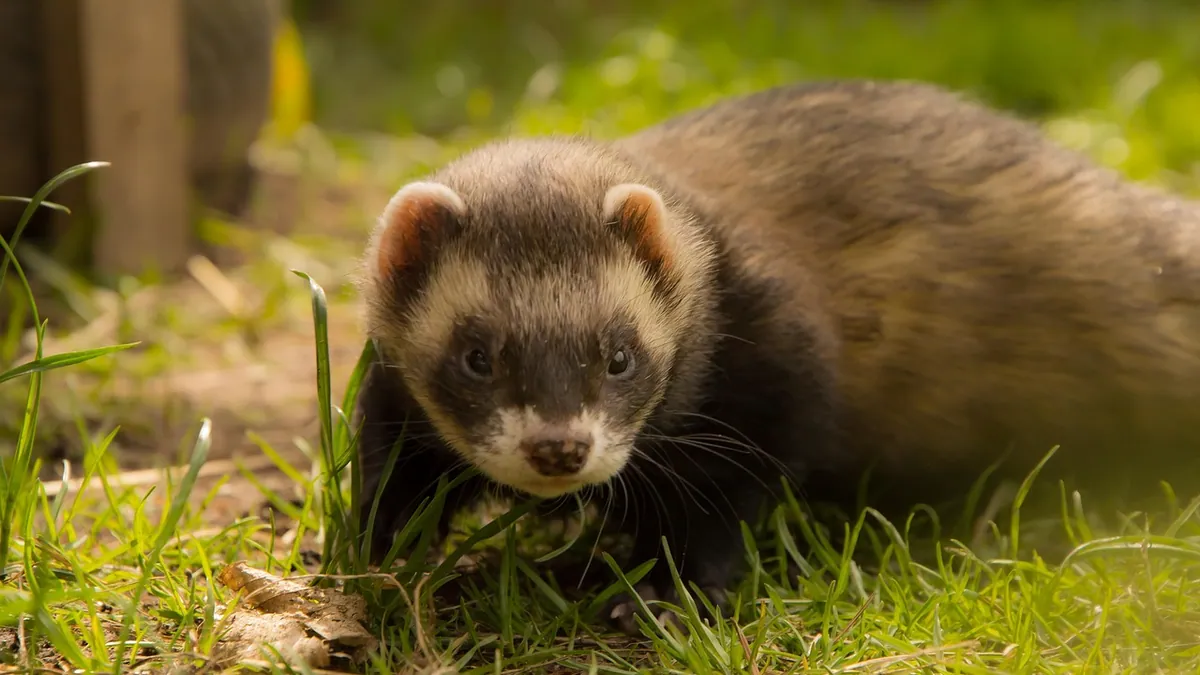
Why is my ferret eating his poop? In most cases, this is a behavioral habit or a sign that his diet is not meeting his needs as an obligate carnivore. Sometimes, though, it points to a medical problem such as poor nutrient absorption or intestinal parasites. The good news is that most cases improve once you fix the diet, add enrichment, and rule out disease.
This article is educational and is not a substitute for veterinary diagnosis or treatment.
Quick Answer
- Ferrets are obligate carnivores, meaning they are built to eat meat, not plants or carbohydrates [1][2].
- A diet that is too low in protein or fat, or too high in carbs, can leave a ferret hungry and prone to eating stool.
- Boredom, stress, and a dirty litter box are common behavioral triggers.
- Intestinal parasites and malabsorption can cause a ferret to eat feces, so a vet visit is wise if the habit is new or comes with weight loss or diarrhea.
- Never punish a ferret for eating poop. Punishment adds stress and usually makes the behavior worse.
Why Is My Ferret Eating His Poop? The Common Reasons
Diet Problems Come First
Ferrets are strict carnivores. Their teeth and digestive tracts are designed for a meat-based diet, and their wild ancestor, the European polecat, eats birds and small vertebrates [1]. Many ferrets today eat commercial ferret diets, and some owners also feed cat food or mink feed [1].
The trouble is that not every commercial diet fits every ferret. Manufacturing limits and cost make it hard for one food to meet all of a ferret's needs, so a mix of dietary formats is often recommended [2]. Ferret diets should be high in protein and fat and low in carbohydrates, with a protein-to-fat ratio around 2:1 [2]. Plant ingredients do not belong in a ferret's diet and can throw off the amino acid balance [2]. Fruits, even though ferrets love them, should be avoided [2].
When a ferret's food is short on animal protein or fat, or loaded with fillers, he may feel hungry even after eating. That hunger can push him toward the litter box.
Boredom and Stress
Ferrets are busy, curious animals. A ferret with nothing to do may develop repetitive habits, and eating stool is one of them. A small cage, few toys, and no time out of the enclosure all raise the odds. Stress from a new home, a new cagemate, or a disrupted routine can do the same.
A Dirty Litter Box
If stool sits in the box, a ferret may investigate it out of simple curiosity. Ferrets explore the world with their mouths. Cleaning the box more often removes the temptation.
Copying or Learning
Some ferrets pick up the habit from a cagemate. If one ferret in a group eats stool, others may follow.
Medical Causes to Rule Out
Behavior and diet explain most cases, but you should not assume that. A veterinarian can check for the problems below.
Malabsorption and Digestive Disease
If a ferret's gut cannot absorb nutrients properly, food passes through partly undigested. The ferret stays hungry and may eat stool to try to get more calories. Unexplained gastrointestinal disease in ferrets sometimes needs a full-thickness biopsy to diagnose, which is a surgical procedure [3]. That is a serious step, and it shows how hard some gut problems are to pin down.
Intestinal Parasites
Parasites steal nutrients and irritate the gut. A ferret with worms or other intestinal parasites may eat feces, lose weight, or have loose stool. A fecal test is simple and cheap compared with waiting.
Other Health Issues
Dental pain, pancreatic disease, and other conditions can change appetite and eating habits. Any sudden change in a ferret's behavior deserves a look.
A Note on Nausea and Pica
Pica is the eating of non-nutritive substances. Researchers have studied pica in rats as a model for nausea, but they question how well that model applies to other species [4]. Ferrets do have a vomiting reflex, and they are used in studies of nausea and vomiting because their response predicts the human response well [4]. What this means for you is simple. A ferret that eats strange things may be feeling unwell, and nausea is one possible reason. Do not try to treat this at home.
When Does Ferret Coprophagia Become a Problem?
Occasional stool eating is unpleasant but often harmless. It becomes a problem when:
- It happens every day or many times a day.
- The ferret loses weight or looks thin.
- Stool becomes soft, bloody, or changes color.
- The ferret vomits, drools, or seems uncomfortable.
- The ferret eats stool plus other non-food items like bedding or litter.
- The behavior starts suddenly in an adult ferret with no prior history.
Any of these signs means you should stop guessing and get a veterinary workup.
How to Stop a Ferret From Eating Poop: Step by Step
Step 1: Fix the Diet
This is the first and most important step. Feed a commercial ferret diet that is high in animal protein and fat and low in carbohydrates [2]. Many owners offer more than one format, such as kibble plus a moist food, because no single diet covers every need [2]. Skip fruits, vegetables, grains, and sugary treats. They do not belong in a ferret's bowl [2].
If you are unsure whether your current food is right, bring the label to your vet. A diet review takes minutes and can solve the whole problem.
Step 2: Clean the Litter Box More Often
Scoop the box at least twice a day, and do a full change often. A ferret cannot eat what is not there. This one change stops many cases on its own.
Step 3: Add Enrichment
Give your ferret things to do. Tunnels, dig boxes, puzzle feeders, and supervised time outside the cage all help. Rotate toys so they stay interesting. A tired, busy ferret has less time for odd habits.
Step 4: Reduce Stress
Keep a steady routine for feeding, play, and sleep. Introduce new cagemates slowly. Give a new ferret a quiet space to settle in. If you recently moved or changed the cage setup, expect a few weeks of adjustment.
Step 5: Train an Alternative Behavior
When you see your ferret heading for the litter box, call him away and offer a toy or a treat of plain meat. Reward him for leaving the box. Ferrets respond to short, positive sessions. Never scold him.
Step 6: Separate the Ferrets at Litter Time
If one ferret copies another, feed them in separate areas and clean boxes right after they use them. This breaks the cycle.
Step 7: Recheck With Your Vet
If diet, cleaning, and enrichment do not fix the habit within a few weeks, or if any red flag appears, book a veterinary visit. Bring a fresh stool sample if you can.
What Not to Do
Do Not Punish Your Ferret
Yelling, spraying water, or tapping the nose does not teach a ferret to stop. It teaches him to fear you and to hide the behavior. Stress can also make stool eating worse.
Do Not Use Home Remedies From the Internet
There is no safe home cure for coprophagia in ferrets. Products sold for dogs are not tested in ferrets, and some can be harmful. Ask your vet before giving anything.
Do Not Assume It Is Just a Bad Habit
A ferret that suddenly starts eating stool may be sick. Skipping the vet visit can delay treatment for parasites or gut disease.
Do Not Cut Calories to Stop It
Restricting food makes a ferret hungrier and more likely to eat stool. Feed a proper carnivore diet instead.
Do Not Rely on Myths
Some owners believe stool eating means a ferret is missing a specific vitamin or that it always means worms. Neither claim holds up on its own. Only a vet can tell you which cause applies to your ferret.
If you also have dogs, some of the same questions come up. You can read about why dogs eat stools and what deterrents work and about the reasons dogs eat poop. The causes overlap more than you might expect.
When to Involve a Veterinarian or Behavior Professional
Call your veterinarian if:
- The behavior is new or getting worse.
- Your ferret is losing weight or has diarrhea.
- You see worms or mucus in the stool.
- Your ferret vomits or refuses food.
- The habit continues after four to six weeks of diet and enrichment changes.
Ask for a fecal test, a physical exam, and a diet review. If your vet finds no medical cause, a certified behavior professional who works with small mammals can help you build a training plan. Ferrets are not dogs, so choose someone with ferret experience.
If your ferret eats something that could be toxic, call your veterinarian or a pet poison hotline right away.
Limitations and When to Contact a Veterinarian
This article covers common patterns, not your ferret's specific case. Every ferret needs an individual exam and plan from a veterinarian.
Contact a veterinarian the same day if your ferret:
- Vomits repeatedly or cannot keep food down.
- Has bloody or black stool.
- Seems weak, wobbly, or unusually quiet.
- Stops eating.
Go to an emergency clinic now if your ferret:
- Collapses or has trouble breathing.
- Has a swollen, painful belly.
- Strains to poop with nothing coming out.
- Eats a foreign object such as foam, rubber, or string.
Book a routine visit within a week or two if your ferret:
- Eats stool regularly but seems otherwise well.
- Has soft stool or mild weight loss.
- Has never had a fecal test.
One more thing worth knowing: ferrets have a natural musky odor, and stool eating is not the cause of it. If smell is your concern, see our guide on why ferrets smell and how to reduce it.
Frequently Asked Questions
Is it normal for ferrets to eat poop?
It is common but not truly normal. Many ferrets try it at some point, often out of curiosity or hunger. Regular stool eating usually means something in the diet, environment, or health needs attention.
Can a diet change really stop ferret coprophagia?
Yes, in many cases. Ferrets are obligate carnivores, and a food that is high in animal protein and fat with very few carbohydrates meets their needs better [1][2]. When the diet fits, hunger and nutrient gaps shrink, and the behavior often fades.
Could parasites be the reason my ferret eats feces?
Yes, parasites are one possible cause. They can rob a ferret of nutrients and irritate the gut, which may lead to stool eating. A simple fecal test at your vet can rule this in or out.
Should I punish my ferret for eating poop?
No. Punishment adds stress and does not stop the behavior. Redirect your ferret to a toy or a meat treat instead, and reward him when he leaves the litter box alone.
How long should I wait before seeing a vet?
If your ferret seems healthy, try diet and cleaning changes for two to four weeks. If the habit continues, or if you see weight loss, diarrhea, vomiting, or lethargy at any point, book a visit right away.
Related Articles
- Why Does My Ferret Smell, and How to Reduce It
- Ferret Gastrointestinal Foreign Bodies: Diagnosis and Management
- Why Is My Ferret Not Eating? Causes and When to Act
- Blood in Ferret Pee or Poop: Causes and When to Rush In
- Why Is My Ferret Throwing Up? Causes and Red Flags
- Helicobacter pylori Infection in Cats and Ferrets: Gastric Ulcer Pathogenesis, Diagnosis, and Treatment
References
- Ferret nutrition. The veterinary clinics of North America. Exotic animal practice, 2014.
- An Update on Key Nutritional Factors in Ferret Nutrition. The veterinary clinics of North America. Exotic animal practice, 2024.
- Gastrointestinal Surgery in Other Small Mammals. The veterinary clinics of North America. Exotic animal practice, 2026.
- Comparison of three preclinical models for nausea and vomiting assessment. Journal of pharmacological and toxicological methods, 2016.