Do Hamsters Eat Hay? Which Types Are Safe
By Dr. Zubair Khalid, DVM, MS, PhD ·
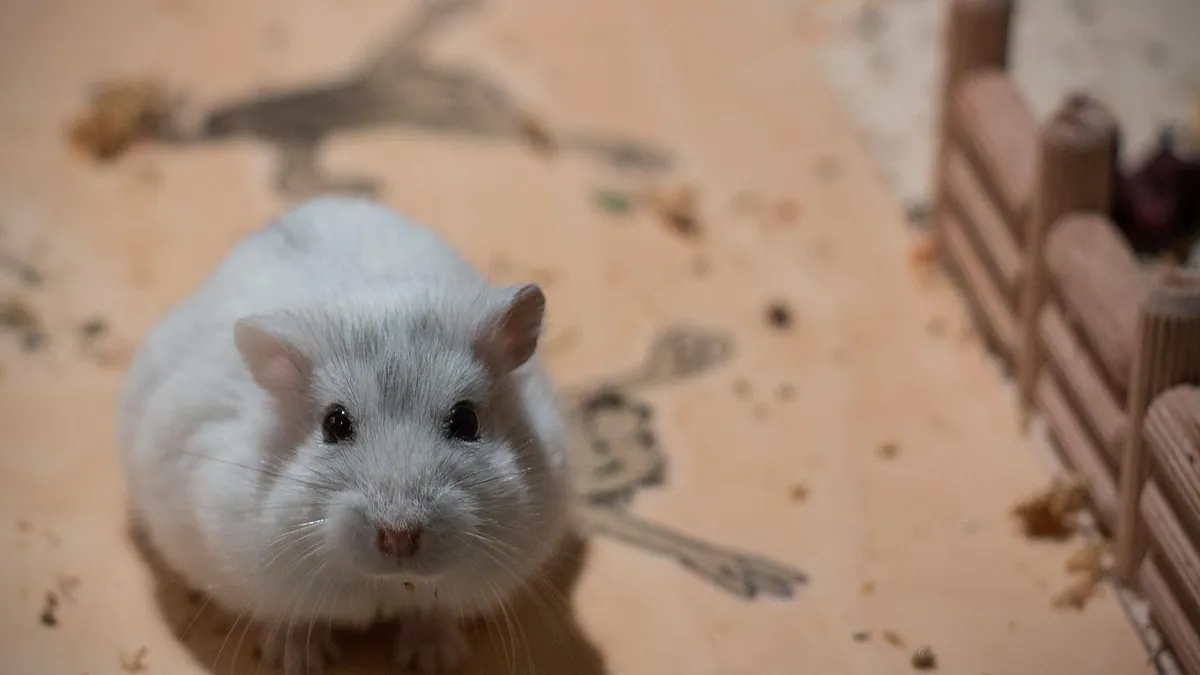
Hamsters do not need hay in their diet, and most types of hay are not a good fit for them. A hamster's digestive system is built for a complete pelleted food plus small amounts of fresh items, not for the grass hays that rabbits and guinea pigs rely on. If you are asking "do hamsters eat hay," the short answer is that they can nibble certain grass hays, but hay should never replace their balanced diet.
This article is educational and is not a substitute for veterinary diagnosis or treatment.
Quick Answer
- Hay is not a required part of a hamster's diet. Captive hamsters should eat a complete, balanced, pelleted diet made specifically for hamsters [1].
- Grass hays such as timothy, orchard grass, and oat hay are generally safe in tiny amounts as a chew or enrichment item, but they add little nutrition.
- Alfalfa hay is not a good choice for hamsters because it is high in calcium and protein and is meant for growing or nursing herbivores, not small omnivores.
- Never let hay replace pellets. Hamsters selectively pick out favorite items and ignore the rest, which is why generic seed mixes should be avoided [1].
- If your hamster eats a large amount of hay or any moldy, dusty, or chemically treated hay, call your veterinarian or a pet poison hotline right away.
Do Hamsters Eat Hay? The Direct Verdict
Hamsters are omnivores, not herbivores. Wild Syrian hamsters eat many kinds of green vegetation, seeds, fruit, and meat [1]. That means their bodies are set up to handle a mixed diet, not a fiber-heavy forage diet like a rabbit's.
Because of this, hay is not a dietary necessity for hamsters. It is not toxic in small amounts, and many hamsters will nibble on it, shred it, or stuff it into their cheek pouches. But nibbling is not the same as needing it. A hamster can live a full, healthy life on a proper pelleted diet with no hay at all.
The confusion often comes from rabbit and guinea pig care, where hay is a staple. Hamsters are different animals with different digestive anatomy and different nutritional needs. If you own multiple small pets, keep their feeding plans separate. Our guide to what guinea pigs can and cannot eat explains why hay matters so much more for those species.
Can Hamsters Eat Hay? Which Types Are Safe
Some hays are safe in small amounts. Others are better avoided. The table below breaks down the common options.
| Hay Type | Safe? | Notes |
|---|---|---|
| Timothy hay | Yes, in small amounts | A grass hay. Fine as a chew or nesting material, low nutritional value for hamsters. |
| Orchard grass | Yes, in small amounts | Another grass hay. Similar role to timothy. |
| Oat hay | Yes, in small amounts | Grass hay with some seed heads. Remove any sharp or moldy pieces. |
| Botanical hay mixes | Usually yes | Check the ingredient list for added flavorings, honey, or dried fruit. |
| Alfalfa hay | No, not recommended | High in calcium and protein. Meant for growing or nursing herbivores. |
| Moldy, damp, or dusty hay | No | Can cause respiratory and digestive problems. Discard it. |
| Hay with added flavors or sweeteners | No | Added sugars and artificial ingredients are not appropriate for hamsters. |
Can Hamsters Eat Oat Hay?
Yes, oat hay is generally safe in small amounts. It is a grass hay, so it behaves much like timothy or orchard grass in a hamster's cage. Your hamster may chew it, shred it, or ignore it completely.
The main caution is quality. Oat hay sometimes contains seed heads and stiff stems. Check for mold, dust, and sharp pieces before offering any. If the hay smells musty or looks damp, throw it out.
Can Hamsters Eat Alfalfa Hay?
No, alfalfa hay is not a good choice for hamsters. Alfalfa is a legume hay, not a grass hay, and it is much richer in calcium and protein. It is designed for young, growing, or nursing herbivores such as rabbits and guinea pigs.
Feeding alfalfa to a hamster adds nutrients it does not need and can throw off the balance of its diet. If your hamster nibbles a tiny piece by accident, that is unlikely to cause harm. But do not make alfalfa a regular offering.
Should Hamsters Eat Hay at All?
Not as food. Hay does not need to be part of your hamster's diet, and it should never crowd out pellets. Think of hay as an optional chew toy or nesting material, not a food group.
If your hamster enjoys shredding hay, that is fine. If it ignores hay completely, that is also fine. Neither behavior is a sign of a problem.
Do Hamsters Need Hay for Digestion?
No, hamsters do not need hay to keep their digestive tract moving. This is a common myth borrowed from rabbit care. Rabbits have a digestive system that depends on continuous fiber intake from hay. Hamsters do not work that way.
Research on hamster digestion shows that the forestomach and cecum play roles in how hamsters handle fiber and other dietary components, and removing these structures affects weight gain and nutrient use [2]. That tells us hamster digestion is complex and specialized, but it does not mean hay is required. It means the right complete diet matters.
A quality hamster pellet is formulated to meet those needs. That is why the standard recommendation is a complete, balanced, pelleted diet made for hamsters, with generic seed mixes avoided because hamsters pick out the seeds and leave the pellets behind [1].
Risks of Feeding Hay to Hamsters
Hay is not risk-free, even when it is a safe type. Here is what to watch for.
Choking and Cheek Pouch Problems
Hamsters stuff food into their cheek pouches, and long, stiff strands of hay can get lodged there. Sharp stems or seed awns can scrape the inside of the pouch. If your hamster has a swollen cheek, drools, or paws at its face, contact your veterinarian.
Digestive Upset
A large amount of hay can cause bloating, loose stool, or a drop in normal eating. Remember that hamsters cannot vomit, so you will not see vomiting as a sign. Watch for drooling, not eating, small or missing droppings, a bloated belly, hunching, or lethargy instead.
Mold, Dust, and Pesticides
Poor-quality hay can carry mold spores, dust, and pesticide residue. These can irritate the lungs and gut. Store hay in a dry place and discard any batch that smells sour or musty.
Additives and Flavorings
Some commercial hay products are mixed with dried fruit, honey, molasses, or artificial flavoring. These add sugar and empty calories. Plain hay is the only kind worth considering.
What About Xylitol, Salt, Garlic, and Onion?
These ingredients do not belong in hay, but they show up in some pet treats and processed mixes. Xylitol is toxic to dogs and can cause low blood sugar, and it has no place in a hamster's food. Garlic and onion can damage red blood cells in many species. Salt-heavy snacks are also inappropriate. Read labels and skip any product with these additives.
How to Offer Hay Safely
If you want to give your hamster hay as enrichment, keep it simple.
- Choose a plain grass hay such as timothy, orchard grass, or oat hay.
- Offer a small pinch, about the size of a cotton ball, once or twice a week.
- Place it in a corner of the cage or in a shallow dish so you can see how much is eaten.
- Remove any wet, soiled, or leftover hay daily to prevent mold.
- Never mix hay into the pellet bowl or use it to stretch the food supply.
- Check the hay for dust, mold, and sharp stems before offering it.
Parts and Preparations to Avoid
Skip hay that is damp, discolored, or smells off. Avoid hay cubes and compressed hay blocks, which are hard and can injure cheek pouches. Do not offer hay that has been sprayed with scent, dye, or flavoring. And never use hay as the only bedding if your hamster shows signs of allergy or breathing trouble.
What If Your Hamster Ate Too Much Hay or a Dangerous Form?
If your hamster ate a small amount of plain grass hay, watch it closely for the next 24 hours. Most hamsters will pass a small nibble without any problem.
Call your veterinarian or a pet poison hotline right away if your hamster ate moldy hay, hay treated with chemicals, or a product containing xylitol, garlic, onion, or another toxic additive. Also call if you see drooling, a swollen cheek pouch, not eating, no droppings, a bloated belly, hunching, or lethargy.
Do not try to make your hamster vomit. Hamsters cannot vomit, and forcing it can cause serious harm.
For more on safe medications and treatments if your hamster is unwell, see Hamster Medicine: Safe Use and Common Treatments.
Safer Alternatives to Hay
If you want to give your hamster something to chew, shred, or nest with, these options work better than hay.
- Plain paper bedding: Soft, safe, and easy to burrow in.
- Aspen shavings: A safe wood option for many hamsters. Avoid pine and cedar.
- Untreated cardboard tubes: Great for chewing and hiding.
- Apple wood or willow chews: Sold for small pets and safe to gnaw.
- A complete hamster pellet: The foundation of the diet, not a treat [1].
- Small pieces of safe vegetables: Offer in tiny amounts and remove leftovers.
A proper setup matters as much as food. Our hamster care guide covers habitat, diet, and health basics in more detail.
Hay as Bedding and Enrichment
Hay can serve a second purpose in the cage. Many hamsters enjoy burrowing in it, shredding it, or using it to line a nest. This is where hay earns most of its value for hamsters.
If you use hay as bedding, mix it with paper bedding so the cage stays soft and absorbent. Check daily for damp spots, since wet hay grows mold quickly. Replace soiled hay right away.
Some hamsters ignore hay entirely, and that is normal. Others will chew it into tiny pieces. Either way, hay is optional. It is not a substitute for proper bedding, a hideout, a wheel, or a balanced diet.
Limitations and When to Contact a Veterinarian
Individual hamsters vary, and this article cannot cover every situation. Your veterinarian is the right person to assess your pet's diet, weight, and overall health.
Contact your veterinarian the same day if your hamster:
- Stops eating or shows a sudden drop in appetite
- Has small, hard, or missing droppings
- Drools or has a swollen cheek pouch
- Sits hunched, moves less, or seems weak
- Has diarrhea or a bloated belly
Seek emergency care now if your hamster:
- Ate moldy hay, chemically treated hay, or a product with xylitol, garlic, or onion
- Has trouble breathing, gasping, or making clicking sounds
- Collapses, feels cold, or will not respond to touch
- Has a swollen, painful abdomen that keeps getting worse
Schedule a routine visit if you are unsure whether your hamster's diet is complete, if it is losing weight, or if you want help choosing a pellet. Bring the food label with you.
Frequently Asked Questions
Can hamsters eat hay every day?
No, hamsters do not need hay every day, and it should not be a daily food item. A small pinch once or twice a week is plenty if your hamster enjoys it. The bulk of the diet should come from a complete hamster pellet.
Is hay bad for hamsters?
Plain grass hay is not toxic, but it is not a good dietary fit. It adds little nutrition and can cause cheek pouch injuries or digestive upset if eaten in large amounts. Moldy or treated hay is genuinely dangerous.
Can hamsters eat timothy hay?
Yes, timothy hay is safe in small amounts. It is a grass hay, so it works as a chew or nesting material. It should not replace pellets or make up a large part of the diet.
Do hamsters sleep in hay?
Some hamsters will burrow in or nest with hay if you provide it. That is fine as long as the hay is clean, dry, and changed often. Wet hay grows mold quickly, so check the cage daily.
What should I feed my hamster instead of hay?
Feed a complete, balanced, pelleted diet made specifically for hamsters [1]. You can add small amounts of safe fresh vegetables as treats. Avoid generic seed mixes, since hamsters pick out the seeds and leave the pellets behind [1].
If you are still choosing your first hamster, our guide to choosing the best hamster for your lifestyle can help you plan ahead.
Related Articles
- Hamster Medicine: Safe Use and Common Treatments
- Hamster Care Guide: Habitat, Diet, and Health
- Choosing the Best Hamster for Your Lifestyle
- Syrian Hamster Care Guide
- Choosing the Best Hamster Substrate: A Comparative Guide
- Can Hamsters Eat Bread? Types and Safe Limits
- Can Hamsters Eat Fruit? Safe Fruits, Portions, and Risks
- Can Hamsters Eat Lettuce? Safe Types and Serving Tips
References
- Hamsters - Exotic and Laboratory Animals. Merck Veterinary Manual.
- Effects of removal of the forestomach and caecum on the utilization of dietary urea in golden hamsters (Mesocricetus auratus) given two different diets. The British journal of nutrition, 1981.