Do Hedgehogs Smell? What Owners Should Expect
By Dr. Zubair Khalid, DVM, MS, PhD ·
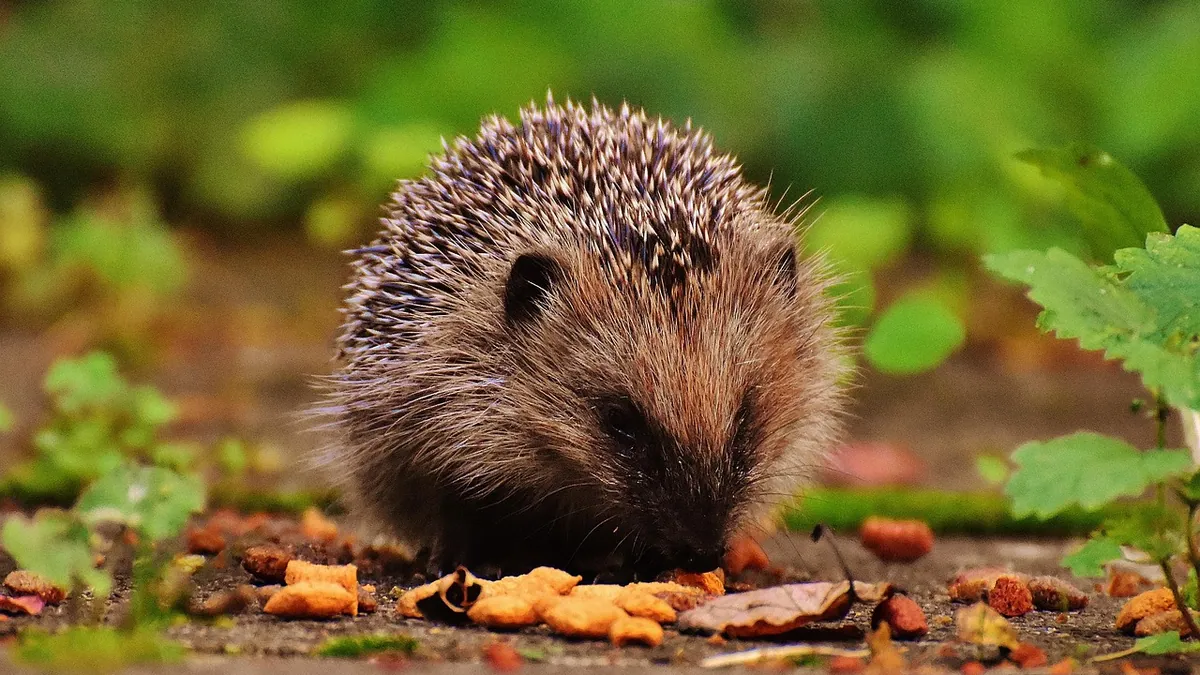
Do hedgehogs smell? Yes, but a healthy pet hedgehog has only a mild, musky odor that most owners stop noticing after a few weeks. The stronger smell people complain about usually comes from the cage, not the animal. A clean setup and a simple routine keep hedgehog odor under control.
This article is educational and is not a substitute for veterinary diagnosis or treatment.
Quick Answer
- A healthy hedgehog smells mildly musky. That scent is normal and comes from skin glands and quills.
- Hedgehog cage smell is the bigger issue. Urine, droppings, and soiled bedding build up fast in a small enclosure.
- Spot clean the cage daily and do a full bedding change at least once a week.
- A sudden bad or sickly odor is a health clue, not a cleaning problem. Sick hedgehogs can produce different-smelling waste [1].
- Never bathe a hedgehog more than a few times a year unless your veterinarian tells you otherwise. Too much bathing dries the skin and strips natural oils.
Why Hedgehogs Have a Natural Odor
Hedgehogs are not odorless animals. They have skin glands, and they self-anoint, which means they spread saliva and scent over their quills. That behavior is normal and part of how they communicate and groom.
Self-grooming is common in many small mammals. It removes parasites, spreads scent, and responds to odors in the environment [2]. When your hedgehog grooms, it is doing what its body is built to do. Some of that activity leaves a faint smell behind.
The natural hedgehog odor is earthy and musky. It is strongest right after your hedgehog wakes up, after handling, or when the animal is stressed. It should never be sharp, sour, or rotten.
What Makes a Hedgehog Smell Bad
A truly bad smell almost always has a cause you can find and fix. Common culprits include:
- Soiled bedding. Urine and droppings sit in bedding and release ammonia. This is the number one source of hedgehog cage smell.
- A dirty wheel. Hedgehogs often poop while running. A wheel can collect waste overnight and smell by morning.
- Wet or damp bedding. Moisture speeds up bacterial growth and makes any odor worse.
- Skin or quill problems. Mites, fungal infections, and wounds can all produce an unpleasant smell.
- Dental or mouth issues. Bad breath in a hedgehog is not normal and can point to dental disease.
- Digestive upset. Loose or bloody stool smells far worse than normal droppings.
- Sick waste. Research on wild hedgehogs found that sick animals had different fecal odor profiles than healthy ones, with higher levels of a compound called indole [1]. Similar odor changes appear in infected hosts in other studies [3]. A sudden change in how your hedgehog's waste smells can be an early warning sign.
If the smell changed suddenly and cleaning does not fix it, treat it as a medical question.
Do Hedgehogs Smell Bad? Setting Realistic Expectations
Most owners find that hedgehog odor is mild once the cage routine is solid. The animal itself is not the main problem. The enclosure is.
Small mammals produce concentrated waste for their size. A hedgehog in a small cage with bedding that is changed once every two weeks will smell. The same hedgehog in a larger cage with daily spot cleaning will not.
If you are still deciding whether a hedgehog fits your home, read Hedgehog Pet Ownership: What to Know Before Bringing One Home. Odor is one of several practical factors to weigh before you commit.
A Step-by-Step Cleaning Routine That Controls Odor
Daily (5 to 10 minutes)
- Remove droppings and soiled bedding with a scoop or gloved hand.
- Wipe the running wheel with a pet-safe wipe or warm water.
- Check the water bottle or bowl and refresh it.
- Look at the bedding. If it is damp, replace the wet spot now.
Weekly (20 to 30 minutes)
- Move your hedgehog to a safe holding container with a heat source.
- Remove all bedding and discard it.
- Wash the cage, wheel, bowls, and hideouts with warm water and a mild pet-safe cleaner.
- Rinse everything thoroughly. Soap residue can irritate skin and quills.
- Let surfaces dry completely before adding fresh bedding.
- Add fresh bedding and put the cage back together.
Monthly
- Inspect the cage for cracks, sharp edges, and worn spots.
- Check the heat source and thermometer.
- Replace any chewed or damaged items.
- Weigh your hedgehog and write down the number so you can spot changes.
As Needed
- Spot clean any accident outside the cage right away.
- Wash your hands after handling.
- Bathe only if your veterinarian recommends it, and use a shampoo made for hedgehogs.
Hedgehog Odor Control Schedule
| Task | How often | Why it matters |
|---|---|---|
| Remove droppings | Daily | Cuts ammonia right away |
| Wipe the wheel | Daily | Stops overnight waste buildup |
| Refresh water | Daily | Dirty water smells and deters drinking |
| Full bedding change | Weekly | Removes soaked bedding and odor |
| Wash cage and accessories | Weekly | Kills odor-causing bacteria |
| Deep clean and inspect | Monthly | Catches wear and damage |
| Weigh your hedgehog | Monthly | Tracks health trends |
| Bath | Rarely, only as directed | Over-bathing dries the skin |
Supplies and Setup That Reduce Smell
The right setup does most of the work for you.
- Cage size. A larger enclosure dilutes waste and airflow. More floor space means less concentrated odor.
- Bedding. Paper-based bedding is absorbent and easy to change. Avoid cedar and pine shavings, which can irritate the respiratory tract.
- Litter training. Many hedgehogs can be trained to use a litter pan under the wheel. This keeps most waste in one spot.
- Wheel type. A solid-surface wheel is safer and easier to clean than a wire wheel.
- Ventilation. Good airflow carries odor away. A closed, stuffy container traps it.
- Temperature. Hedgehogs need a warm enclosure. Cold stress can lead to health problems, so use a safe heat source and a thermometer.
- Air purifier. A small room purifier can help, but it does not replace cleaning.
For a full setup guide, see Pet Hedgehog Care: Housing, Diet, and Health Management.
Signs That Something Is Wrong
A smell change is one clue among many. Watch for these signs together.
- Bad breath. Dental disease and oral infections cause foul breath.
- Greasy, flaky, or crusty skin. This can point to mites or a skin infection.
- Quill loss or bald patches. Normal quilling happens in young hedgehogs. Patchy loss in an adult is not normal. See Hedgehog Quilling: What Owners Need to Know.
- Loose, bloody, or unusually foul stool. Digestive illness changes waste odor and consistency.
- Straining to urinate or bloody urine. Urinary problems are common and need prompt care.
- Limping, swelling, or a wound. Infected wounds smell and need treatment.
- Lethargy, not eating, or weight loss. These are general warning signs in any small mammal.
- Discharge from the eyes or nose. This can signal a respiratory infection.
- A sudden change in fecal odor. Sick hedgehogs can produce waste with a different odor profile than healthy ones [1]. If the smell changed and cleaning did not help, call your veterinarian.
Common Mistakes Owners Make
- Bathing too often. Frequent baths dry the skin and can make odor worse over time.
- Using harsh cleaners. Bleach, strong disinfectants, and scented sprays can harm your hedgehog. Rinse everything well.
- Skipping the wheel. The wheel is often the smelliest item in the cage. Clean it daily.
- Letting bedding get damp. Damp bedding grows bacteria fast. Change wet spots right away.
- Using scented bedding or candles. Fragrance does not remove odor. It adds irritants to the air.
- Ignoring a smell change. A new bad smell is information. Do not cover it up.
- Waiting too long to see a vet. Small mammals decline quickly. Early care is easier and cheaper.
- Assuming all odor is normal. Mild musk is normal. Rotten, sour, or sharp odor is not.
When Odor Is a Housing or Legal Issue
Some owners run into rules about keeping hedgehogs where they live. Odor complaints from neighbors or landlords are sometimes part of that. If you are checking local rules, see Are Hedgehogs Legal to Own? What to Check.
Limitations and When to Contact a Veterinarian
This article covers normal odor and basic cleaning. It cannot tell you whether your specific hedgehog is healthy. Individual cases need a veterinarian who can examine your pet.
Contact a veterinarian the same day if you see:
- Blood in the urine or stool
- Straining to urinate or defecate
- Not eating for more than 24 hours
- Vomiting or diarrhea that lasts more than a day
- A wound, swelling, or discharge
- Sudden bad breath or a new foul odor that cleaning does not fix
Go to an emergency clinic now if you see:
- Collapse, seizures, or trouble breathing
- Bleeding that will not stop
- A prolapse (tissue coming out of the body)
- Severe lethargy or unresponsiveness
- A suspected poisoning or toxin exposure
Schedule a routine visit if you see:
- Gradual weight loss
- Quill loss or skin changes
- A slow change in appetite or activity
- Any odor change you cannot explain
Find a veterinarian who treats exotic pets before you need one. Not every clinic sees hedgehogs.
Frequently Asked Questions
Do hedgehogs stink if you clean the cage every day?
No. Daily spot cleaning removes the main odor source, which is waste in bedding and on the wheel. A healthy hedgehog in a clean cage has only a faint musky scent.
How often should I bathe my hedgehog?
Rarely. Most hedgehogs need a bath only a few times a year, and some need none at all. Over-bathing dries the skin and can make odor worse. Ask your veterinarian before bathing.
Why does my hedgehog's poop smell different all of a sudden?
A sudden change in waste odor can be an early sign of illness. Sick hedgehogs can produce waste with a different odor profile than healthy ones [1]. If the change lasts more than a day or comes with other symptoms, call your veterinarian.
Does a hedgehog's smell bother other pets?
It can. Some dogs and cats are curious about hedgehogs and may try to investigate the cage. Keep the enclosure secure and supervise any interaction. Never leave other pets alone with your hedgehog.
Can I use air fresheners or candles near the cage?
No. Scented sprays, candles, and plug-ins add irritants to the air and do not remove the source of the odor. Fix the smell with cleaning and ventilation instead.
Do male and female hedgehogs smell different?
Both sexes have a similar mild musk. Males may mark more and their cages can get soiled faster. The cleaning routine matters more than the sex of the animal.
What bedding is best for odor control?
Paper-based bedding is absorbent and easy to change, which helps control odor. Avoid cedar and pine shavings because they can irritate the respiratory tract. Change soiled bedding daily and do a full change weekly.
Related Articles
- Hedgehog Quilling: What Owners Need to Know
- Are Hedgehogs Legal to Own? What to Check
- Hedgehog Pet Ownership: What to Know Before Bringing One Home
- Pet Hedgehog Care: Housing, Diet, and Health Management
- Hedgehog Care: Essential Health and Husbandry for Pet Hedgehogs
- Do Hedgehogs Make Good Pets? Honest Owner Guide
- Do Hedgehogs Carry Diseases? Zoonotic Risks for Owners
- Why Is My Hedgehog Hissing? What It Means and What to Do
References
- The fecal odor of sick hedgehogs (Erinaceus europaeus) mediates olfactory attraction of the tick Ixodes hexagonus. Journal of chemical ecology, 2011.
- Impact of external odor on self-grooming of lesser flat-headed bats, Tylonycteris pachypus. Ecology and evolution, 2019.
- Smelly communication between haemaphysalis longicornis and infected hosts with indolic odorants: A case from severe fever with thrombocytopenia syndrome virus. PLoS neglected tropical diseases, 2025.