Can Rabbits Eat Radishes? Leaves, Roots, and Safety
By Dr. Zubair Khalid, DVM, MS, PhD ·
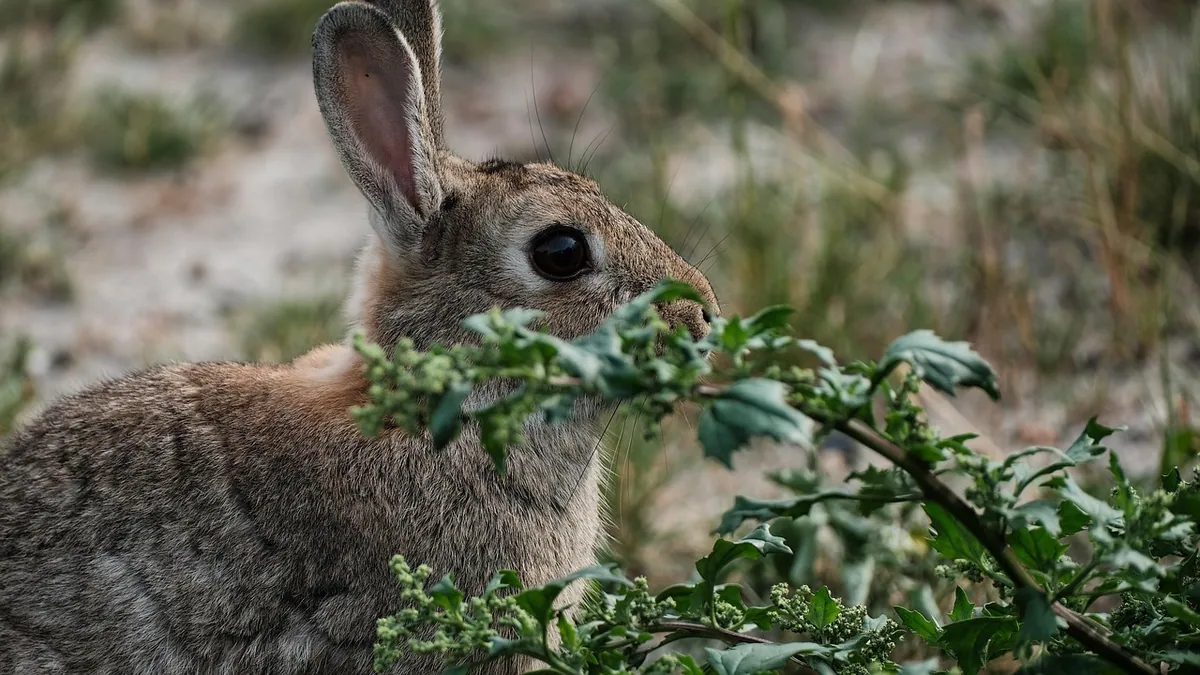
Yes, rabbits can eat radishes, including both the root and the leaves, but only in small amounts and only as an occasional treat. Radish greens are the better choice because they are leafy and higher in fiber, while the root is a sugary vegetable that should stay rare. This article is educational and is not a substitute for veterinary diagnosis or treatment.
Quick Answer
- Radish leaves (greens) are safe for adult rabbits in small amounts, roughly a small handful or less per day as part of a varied leafy green mix.
- Radish roots (the red, white, or black bulbs) are safe but should be a rare treat, about a thin slice or two at most, because they are higher in sugar and starch than leafy greens.
- Introduce any new food slowly, one small piece at a time, and watch droppings and appetite for 24 to 48 hours.
- Never feed radishes that are pickled, salted, cooked with oil, garlic, onion, or any seasoning. Those additives are dangerous.
- If your rabbit stops eating, drools, hunches, or passes small or no droppings after a new food, contact a veterinarian the same day.
Can Rabbits Eat Radishes? The Short Answer
Radishes are not toxic to rabbits. The leaves and the root can both be offered in limited amounts. The bigger issue is how radishes fit into a rabbit's overall diet.
Rabbits are herbivores with a specialized digestive system built for fiber [1]. A healthy diet is about 85 to 90 percent grass hay, with a smaller amount of pellets that contain 15 to 20 percent crude fiber [1]. High fiber supports normal digestion and lowers the risk of intestinal disease, while low-fiber diets raise the chance of serious digestive illness, especially in young rabbits [1].
That means radishes, whether leaves or roots, are a garnish. They are not a staple. Think of them as a small flavor and texture addition to a diet that is already built on hay and safe greens. If you want a full picture of how the daily diet should look, see Diet Of A Rabbit and What Do Rabbits Need In Their Diet.
Can Bunnies Eat Radishes and Radish Leaves?
Yes, bunnies can eat radishes and radish leaves, but the leaves are the part most owners should focus on. Radish greens are leafy, low in calories, and fit the general pattern of safe leafy greens for adult rabbits. The root is edible too, but it is denser and sweeter, so it belongs in the treat category.
Young rabbits have more fragile digestion than adults. A low-fiber diet raises the risk of severe digestive illness, especially in young rabbits [1]. For that reason, many owners wait until a rabbit is a few months old and already eating hay and greens well before adding anything new. Ask your veterinarian when your specific rabbit is ready for new foods.
Do Rabbits Eat Radishes? What Owners Usually See
Some rabbits enjoy radish leaves right away. Others sniff and walk off. Rabbits typically choose nutrient-rich plant parts and have a fast metabolism [1], so they can be picky about new textures.
The root is often more appealing because it is sweet and crunchy. That is exactly why you should limit it. A rabbit that learns radish slices are on the menu may start ignoring hay and pellets, which is the opposite of what you want. A good rule is to offer radish leaves mixed into a varied green salad, and to offer the root only as a rare bite.
Nutrition and Any Real Benefit
Radish leaves provide fiber and some vitamins, which fits the general goal of a high-fiber diet [1]. Rabbits need vitamins A, D, and E in their diet, and B vitamins and vitamin K are usually made by normal bacteria in the intestines, so supplements of those are generally unnecessary [1]. A varied green mix, including radish leaves, helps support that overall pattern.
Radish roots are mostly water and carbohydrate with a small amount of fiber. They do not add meaningful nutrition that a rabbit cannot get from hay and greens. Research on radish has looked at extracts and seeds in other species, not at whole radishes fed to pet rabbits. For example, a study in mice found that radish seed extract reduced weight gain and improved glucose handling [2], and a study in mice found that fermented black radish reduced lipid accumulation and liver inflammation [3]. Those are mouse studies using concentrated preparations, so they do not tell us how a slice of radish affects your rabbit. There is no well-established benefit of feeding radish roots to rabbits.
Risks of Feeding Radishes to Rabbits
Gas and digestive upset
Radishes are in the brassica family, along with cabbage, broccoli, and kale. These vegetables can cause gas and soft stool in some rabbits. A rabbit cannot vomit, so gas and bloating can become serious quickly. Watch for a hard or distended belly, hunching, teeth grinding, drooling, or a drop in droppings.
Sugar and starch in the root
The root is the part to limit most. Too much sugary food can upset the balance of bacteria in the gut and push a rabbit away from hay. A rabbit that fills up on treats eats less hay, and less hay means less fiber, which is the foundation of digestive health [1].
Pesticides and dirty produce
Wash all produce well. Unwashed greens can carry pesticides, fertilizer, or bacteria. Feed organic when you can, and rinse under running water.
Dangerous preparations and additives
Never feed pickled radishes, salted radishes, or radishes cooked in oil, butter, garlic, or onion. Garlic and onion can damage red blood cells in pets. Xylitol, a sweetener sometimes found in processed foods, is dangerous to pets. Salt and oil can cause stomach upset and add unnecessary fat. Any radish that has been in a salad with dressing, cheese, or seasoning is off the menu.
Choking and blockages
Large hard chunks can be a choking risk, and rabbits have small throats. Cut the root into thin, small pieces. Do not feed the whole bulb. Remove any tough stems that your rabbit cannot chew.
A note on radish pods
Radish pods are eaten as a vegetable by people. In a rabbit study, an ethanol extract of radish pods given for 60 days at 250, 500, and 1000 mg/kg showed protective effects on liver, kidney, and heart tissue, and lowered cholesterol at the highest dose, but higher doses caused chronic gastritis [4]. That study used a concentrated extract, not fresh pods, so it does not tell us a safe amount of fresh pods for pet rabbits. Fresh radish pods are not a well-established food for rabbits, so skip them.
Form | Safe? | Notes
| Form | Safe? | Notes |
|---|---|---|
| Fresh radish leaves | Yes, in small amounts | Wash well. Mix into a varied green salad. |
| Fresh radish root | Yes, rarely | Thin slices only. High in sugar and starch. |
| Radish pods | Not recommended | No established safe amount for pet rabbits. |
| Pickled radishes | No | Vinegar, salt, and spices can cause illness. |
| Cooked radishes with oil, garlic, or onion | No | Garlic and onion are toxic to pets. |
| Radishes with dressing or seasoning | No | Added salt, sugar, and fat are unsafe. |
| Radish leaves with stems | Yes, if tender | Remove tough stems that can cause choking. |
How to Offer Radishes Safely
Start with one small leaf. Wash it, pat it dry, and offer it alone so you can see how your rabbit reacts. If your rabbit eats it and acts normal, you can offer a small amount again the next day.
For the root, cut a piece about the size of a coin, then cut that into thin slivers. One or two slivers is plenty. Do not offer the root more than once or twice a week.
Keep the total treat portion small. Treats and new vegetables should never crowd out hay. A rabbit's diet should stay at about 85 to 90 percent grass hay [1]. If you are building a green salad, rotate among several safe greens so no single vegetable dominates. For ideas, see Rabbit Safe Vegetables.
Introduce one new food at a time. If you add radish leaves and a new herb on the same day and your rabbit gets loose stool, you will not know which one caused it. Space new foods a few days apart.
Parts and Preparations to Avoid
Avoid the root in large amounts, and avoid it entirely for rabbits with a history of gas, soft stool, or gut stasis. Avoid pods. Avoid anything pickled, canned, salted, or cooked with seasoning. Avoid radish tops that have wilted, molded, or been sprayed with chemicals. Avoid feeding radishes that have been sitting in a salad bowl with other ingredients.
If your rabbit has dental disease, kidney disease, or a sensitive gut, ask your veterinarian before adding any new vegetable. Rabbits with these conditions often need a specific diet plan.
What to Do If Your Rabbit Ate Too Much
If your rabbit ate a large amount of radish root or leaves, stay calm and watch closely. Rabbits cannot vomit, so do not try to make your rabbit throw up.
Signs to watch for include drooling, not eating, small or no droppings, bloating, hunching, lethargy, or diarrhea. These can signal a digestive problem that needs prompt care.
Call your veterinarian the same day if you see any of these signs. If your rabbit is bloated, breathing hard, lying on its side, or has not passed droppings for many hours, treat it as an emergency and call an emergency veterinary clinic right away. Do not wait to see if it passes.
If your rabbit ate a pickled radish, a radish with garlic or onion, or a food containing xylitol, call your veterinarian or a pet poison control hotline immediately. Have the product label ready so you can read the ingredients.
Safer Alternatives
If you want a crunchy treat, try a small piece of carrot, but keep it rare for the same sugar reasons. For everyday greens, rotate among romaine lettuce, cilantro, parsley, basil, mint, dandelion greens, and other rabbit-safe leafy greens. Hay should always be the main food. For a full list of safe options and foods to avoid, see Rabbit Diet: Hay, Greens, and Foods to Avoid.
Limitations and When to Contact a Veterinarian
Every rabbit is different. Age, weight, dental health, and gut history all change what a rabbit can tolerate. Individual cases need a veterinarian who can examine your rabbit and review its diet.
Contact your veterinarian the same day if your rabbit shows drooling, refuses food, passes small or no droppings, has a bloated or hard belly, hunches in a corner, or seems unusually tired after eating radishes or any new food.
Go to an emergency clinic now if your rabbit is breathing hard, lying on its side, has severe bloating, or has not passed droppings for many hours. These can be signs of a life-threatening digestive emergency.
Schedule a routine visit if you want help building a balanced diet, if your rabbit has repeated soft stool after vegetables, or if you are unsure whether a food is safe. Your veterinarian can calculate any needed doses based on your rabbit's weight and health.
Frequently Asked Questions
Can rabbits eat radish leaves every day?
Yes, radish leaves can be part of a daily green salad in small amounts, as long as they are washed and mixed with other safe greens. Keep the portion small so hay stays the main food. If your rabbit gets gas or soft stool, cut back or stop.
Are radish roots bad for rabbits?
Radish roots are not toxic, but they are high in sugar and starch, so they should be a rare treat. Too much can upset the gut and push your rabbit away from hay. Offer thin slices only, once or twice a week at most.
Can baby rabbits eat radishes?
It is best to wait until a young rabbit is eating hay and greens well before adding radishes. Young rabbits are more prone to severe digestive illness on low-fiber diets. Ask your veterinarian when your rabbit is ready for new foods.
What happens if my rabbit eats a pickled radish?
Pickled radishes contain vinegar, salt, and often garlic or onion, which can make your rabbit sick. Call your veterinarian or a pet poison control hotline right away and have the label ready. Do not wait for signs to appear.
Do radishes help rabbits lose weight?
No. There is no evidence that feeding radishes helps pet rabbits lose weight. Weight management in rabbits comes from a hay-based diet, measured pellets, limited treats, and exercise. Ask your veterinarian for a safe weight plan for your rabbit.
Related Articles
- Diet Of A Rabbit
- What Type Of Diet Do Rabbits Have
- Rabbit Safe Vegetables
- What Do Rabbits Need In Their Diet
- Rabbit Diet: Hay, Greens, and Foods to Avoid
- Suitable Diet For A Rabbit
- Can Rabbits Eat Carrots? Truth About This Treat
- Can Rabbits Eat Green Beans? Safe or Not?
- Can Rabbits Eat Cucumbers? Types and Serving Tips
- Rabbit Feed Ingredients: Safe and Nutritious Options
- Rabbit Food and Hay: A Nutritional Guide for Optimal Health
References
- Diet for Rabbits - All Other Pets. Merck Veterinary Manual.
- Radish Seed Exerts Anti-Diabetic and Obesity-Reducing Effects in Mice by Promoting the Activation of Uncoupling Protein 1 and Peroxisome Proliferator-Activated Receptor-γ Coactivator 1-α. Journal of evidence-based integrative medicine, 2025.
- Fermented black radish (Raphanus sativus L. var. niger) attenuates methionine and choline deficient diet-induced nonalcoholic fatty liver disease in mice. Food science & nutrition, 2019.
- Evaluation of pharmacological and toxic effects of ethanolic extract of radish pods in albino rabbits: A biochemical and histopathological study. Pakistan journal of pharmaceutical sciences, 2019.