Can Rabbits Eat Rice? Cooked, Uncooked, and Brown
By Dr. Zubair Khalid, DVM, MS, PhD ·
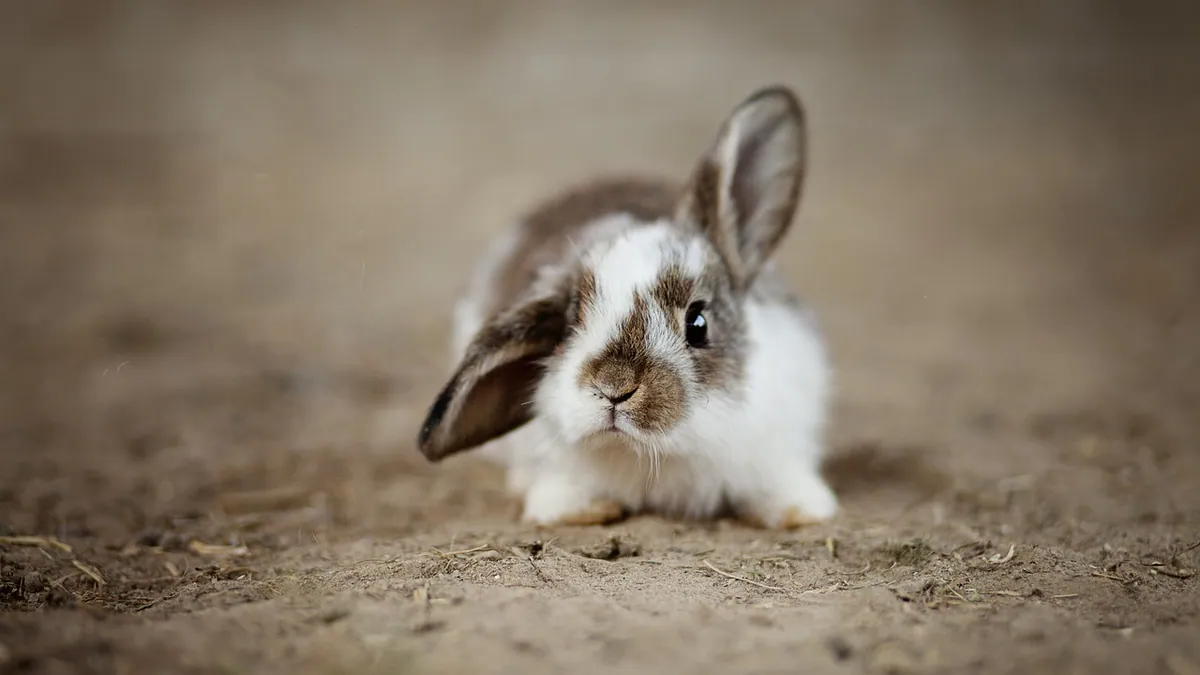
Rabbits should not eat rice in any form. Rice is a starchy grain that does not fit a rabbit's high-fiber, grass-based diet, and even a small amount can trigger digestive problems in some animals. If your rabbit ate rice, the right response depends on how much and what kind. This article is educational and is not a substitute for veterinary diagnosis or treatment.
Quick Answer
- Rice is not safe for rabbits. Skip it in all forms: cooked, uncooked, white, brown, or as a leftover side dish.
- A rabbit's diet should be about 85 to 90% grass hay, with a small measured amount of plain pellets and a limited serving of greens [1].
- Starchy, low-fiber foods can raise the risk of serious intestinal disease, especially in young rabbits [1].
- If your rabbit ate a plain grain of cooked rice, watch it closely for the next 24 hours. If it ate a large amount, seasoned rice, or rice with raisins or xylitol, call your veterinarian or a pet poison hotline right away.
- Never try to make your rabbit vomit. Rabbits cannot vomit, so this is both useless and dangerous.
Can Rabbits Eat Rice? The Short Answer Is No
Rice is a grain, and grains are not part of what a rabbit would choose to eat in the wild. Rabbits are plant eaters with a specialized digestive system built for fibrous plant material [1]. They are selective eaters that naturally pick nutrient-rich leaves and new plant shoots [2]. A bowl of rice does not look like that at all.
The bigger issue is starch. A rabbit's gut is designed to ferment fiber in the hindgut, not to handle a concentrated starch load. Research in farmed rabbits found that the high-starch diets commonly used in rabbit production differ from the natural feeding habits of rabbits and may pose health risks [3]. When part of that starch was replaced with fat in the same study, the rabbits had less diarrhea and better growth [3]. That tells you something useful: starch is the part of the diet you want to keep low.
So when someone asks "can rabbits eat rice," the honest answer is that there is no safe amount that adds anything good to your rabbit's diet. A single stray grain is unlikely to cause harm in a healthy adult rabbit. A spoonful or more is a different story.
Is Rice Toxic to Rabbits?
Rice itself is not a poison. It is a poor nutritional fit, and that is the real problem. The risk comes from three places.
Digestive upset
A sudden load of starch can disrupt the cecal bacteria that digest your rabbit's food. That can lead to soft droppings, diarrhea, gas, or a slowdown in gut movement. Low-fiber diets raise the chance of severe digestive illness, especially in young rabbits [1]. A rabbit that stops eating and stops producing droppings can become an emergency within hours.
Choking and blockage
Dry uncooked rice is small and hard. It can be inhaled or lodged in the mouth, and a large amount of any dry grain can contribute to a gut blockage. Rabbits cannot vomit, so anything that gets stuck has no easy way back out.
Dangerous add-ons
Plain rice is one thing. Rice that has been cooked in broth, butter, oil, or seasoning is another. Watch for these ingredients:
- Xylitol. A sugar alcohol used in some sweetened foods. It causes dangerous low blood sugar in dogs, and its effect in rabbits is not well established in veterinary research. Treat any xylitol exposure as an emergency.
- Garlic and onion. These can damage red blood cells in pets. Even small amounts in a shared dish are a concern.
- Salt and heavy seasoning. Rabbits have a low tolerance for added salt.
- Raisins, dried fruit, and nuts. These are high in sugar or fat and are exactly the kind of added ingredients that make rabbits ignore their pellets and eat selectively [1].
- Butter, oil, or cheese. High-fat additions do not belong in a rabbit's bowl.
If your rabbit ate rice that contained any of these, call your veterinarian or a pet poison hotline. Do not wait for signs to appear.
Can Rabbits Eat Uncooked Rice?
No. Uncooked rice is hard, dry, and expands when it absorbs water. That combination is a choking and blockage risk, and it offers zero nutritional value to a rabbit. There is no reason to ever offer it.
Can Rabbits Eat Cooked Rice or Cooked Brown Rice?
No, and this is the question owners ask most often. Cooking makes rice softer, but it does not change the basic problem. Cooked rice is still a starchy, low-fiber food that a rabbit's gut is not built to handle.
Brown rice is sometimes suggested as the "healthier" choice. It does have more fiber and more nutrients than white rice, but the difference is small compared with hay. It is still a grain, and it is still starch-heavy. There is no established nutritional benefit of brown rice for pet rabbits.
If you are wondering whether your rabbit's current diet is meeting its needs, it helps to understand the basics first. See What Do Rabbits Need In Their Diet and What Type Of Diet Do Rabbits Have for the full picture.
Rice in Rabbit Food: What the Research Actually Shows
You may see rice bran listed in rabbit feed studies. That is a different situation from feeding rice from your kitchen.
One study looked at fermented de-oiled rice bran meal used as a substitute for maize in rabbit diets over an eight-week trial. Growth performance was similar between groups, and the fermented version improved some meat quality measures [4]. Another study found that replacing part of the starch in rabbit feed with soybean oil reduced diarrhea and improved growth and feed efficiency [3].
Two things are worth pulling out of this. First, these are formulated commercial diets, not table food. Second, the research points in the same direction as everything else here: less starch is better for a rabbit's gut [3]. Your rabbit does not need rice. It needs hay.
Form-by-Form Safety Table
| Form | Safe? | Notes |
|---|---|---|
| Uncooked white rice | No | Hard, dry, expands with moisture. Choking and blockage risk. |
| Uncooked brown rice | No | Same risks as white, no benefit. |
| Cooked white rice | No | Starchy and low in fiber. Can upset the gut. |
| Cooked brown rice | No | Slightly more fiber, still a starch-heavy grain. |
| Rice with butter, oil, or broth | No | Added fat and salt are not appropriate. |
| Rice with garlic or onion | No | Can damage red blood cells. Call a vet if eaten. |
| Rice with xylitol or raisins | No | Treat as an emergency. Call a vet or poison hotline. |
| Rice bran in a formulated rabbit pellet | Sometimes | Only as part of a complete commercial diet, not as a topping. |
How to Offer Rice Safely (Spoiler: You Don't)
There is no safe way to offer rice as a treat. If you want to give your rabbit something special, stick with small amounts of appropriate fresh greens. Rabbit Safe Vegetables lists options that fit a rabbit's digestive system.
Portion size matters too. Even safe foods can cause problems in the wrong amount. How Much Food Should A Rabbit Eat walks through realistic daily amounts.
If you are feeding a commercial pellet, check the label. Plain pellets with 15 to 20% crude fiber are the goal, and pellets with added dried fruit or nuts are a poor choice because rabbits will pick out the extras and leave the pellets behind [1].
My Rabbit Ate Cooked Rice: What to Do Now
Stay calm and work through these steps.
Step 1: Figure out how much and what kind. A single grain of plain cooked rice is very different from half a cup of rice pilaf with onions and raisins. Note the amount, the ingredients, and roughly when it happened.
Step 2: Remove access. Take the rice away and check that your rabbit cannot reach the trash or the table again.
Step 3: Offer hay and fresh water. Hay is the best thing you can put in front of your rabbit right now. It supports normal gut movement and gives the digestive system something to work with [1].
Step 4: Watch closely for 24 hours. Look for drooling, refusing food, small or missing droppings, a bloated or tight belly, hunching, lethargy, or diarrhea. Rabbits cannot vomit, so do not expect that and do not try to cause it.
Step 5: Call for help if needed. If your rabbit ate a large amount, ate a seasoned or sweetened form, or is showing any of the signs above, contact your veterinarian or a pet poison hotline. Do not wait to see if things improve on their own.
Safer Alternatives to Rice
Your rabbit's core diet should be grass hay, with a measured amount of plain pellets and a small daily serving of appropriate greens [1]. That is the whole plan.
If you want a treat, choose a small piece of a rabbit-safe vegetable instead of a grain. Keep new foods small and introduce them one at a time so you can tell what agrees with your rabbit.
For comparison, rice is a common and reasonable addition to a dog's bland diet. Rabbits are built differently. If you want to understand why the same food gets different answers for different species, Can Dogs Eat Rice explains the dog side.
Limitations and When to Contact a Veterinarian
This article covers general information. Your rabbit is an individual, and only your veterinarian can examine it, weigh it, and decide what it needs.
Contact a veterinarian the same day if your rabbit:
- Ate more than a taste of rice
- Ate rice containing xylitol, raisins, garlic, onion, or a lot of salt or fat
- Is eating less than normal
- Has soft or watery droppings
- Seems quiet or is sitting hunched up
Go to an emergency clinic now if your rabbit:
- Has not eaten at all for several hours
- Has produced no droppings or very small droppings
- Has a bloated, tight, or painful belly
- Is drooling or grinding its teeth
- Is limp, cold, or unresponsive
Gut stasis and serious digestive illness can move fast in rabbits. A rabbit that stops eating and passing droppings is an emergency, not a wait-and-see situation [1]. When in doubt, call. A phone call costs you nothing and can save your rabbit's life.
Frequently Asked Questions
Can rabbits eat rice at all?
No. Rice is a starchy grain that does not fit a rabbit's high-fiber diet, and it can cause digestive upset. There is no nutritional reason to feed it.
What happens if a rabbit eats a little bit of rice?
A single plain grain is unlikely to cause a problem in a healthy adult rabbit. Watch for changes in appetite and droppings over the next day, and call your veterinarian if anything seems off.
Can rabbits eat cooked brown rice instead of white rice?
No. Brown rice has a bit more fiber, but it is still a starch-heavy grain with no real benefit for a rabbit. The answer is the same for both.
Should I make my rabbit throw up after eating rice?
Never. Rabbits cannot vomit, so this will not work and could cause serious harm. Offer hay and water, watch for signs, and call your veterinarian if your rabbit ate a large amount or a dangerous form.
What should I feed my rabbit instead of rice?
Grass hay should make up the large majority of the diet, with a small measured amount of plain pellets and a limited serving of rabbit-safe greens [1]. That combination covers your rabbit's fiber, vitamin, and nutrient needs far better than any grain.
Related Articles
- What Do Rabbits Need In Their Diet
- Rabbit Safe Vegetables
- How Much Food Should A Rabbit Eat
- What Type Of Diet Do Rabbits Have
- Diet Of A Rabbit
- Can Rabbits Eat Bananas? Safe Amounts and Risks
- Can Rabbits Eat Carrots and Lettuce Together?
- Can Rabbits Eat Watermelon? Seeds, Rind, and Portions
References
- Diet for Rabbits - All Other Pets. Merck Veterinary Manual.
- Nutrition of Rabbits - Exotic and Laboratory Animals. Merck Veterinary Manual.
- Partially replacing dietary starch with soybean oil improved production performance of weaned Rex rabbits. Journal of animal science, 2025.
- Fermented Rice Bran Enhances Rabbit Meat Quality and Nutritional Value via Metabolic Reprogramming and Enriched Nutrient Profiles. Animals : an open access journal from MDPI, 2026.