Can Rabbits Eat Cucumbers? Types and Serving Tips
By Dr. Zubair Khalid, DVM, MS, PhD ·
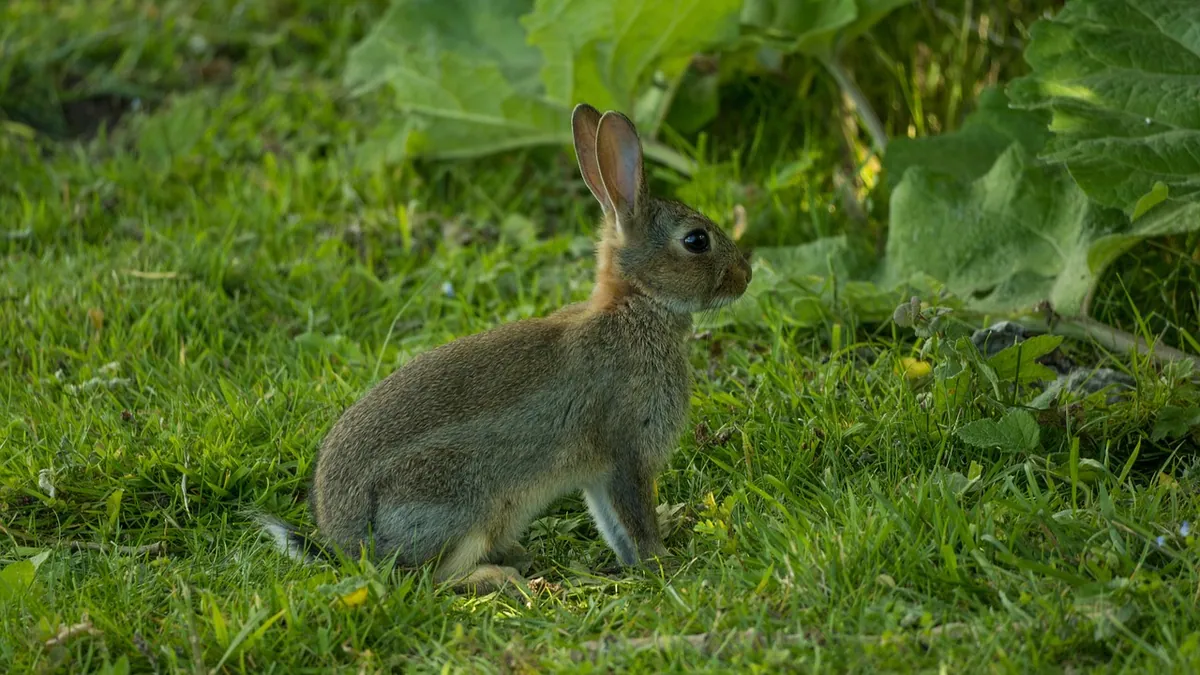
Yes, most healthy adult rabbits can eat cucumbers in small amounts. Cucumber is a low-calorie, water-rich treat that many rabbits enjoy, but it is not a staple food and it cannot replace grass hay. This article is educational and is not a substitute for veterinary diagnosis or treatment.
Quick Answer
- Cucumber is safe for most healthy adult rabbits as an occasional treat, not a daily food.
- Keep the serving small, roughly a one-inch slice or a couple of thin pieces, once or twice a week.
- Wash it well, cut it into small pieces, and remove any wax, dressing, seasoning, or added ingredients.
- Cucumber is mostly water and fiber with very few calories, so it adds little nutrition.
- Too much cucumber can cause soft stool or diarrhea, especially in young, sick, or newly adopted rabbits.
Can Rabbits Eat Cucumbers? The Short Answer
Yes, rabbits can eat cucumbers. Cucumber is a nontoxic vegetable, and it fits into the treat category for adult rabbits. It is not a hay, a pellet, or a leafy green, so it should stay a small side item.
The core of a healthy rabbit diet is grass hay. Rabbits are herbivores with a specialized digestive system, and they need a high-fiber diet to keep the gut moving [1]. In general, about 85 to 90 percent of the diet should be grass hay, plus a smaller amount of pellets that contain 15 to 20 percent crude fiber [1]. Cucumber does not help meet that fiber target in any meaningful way.
Think of cucumber the way you think of a single grape for a dog. It is a fun, low-calorie nibble, not a meal. If you want a full picture of how a rabbit diet is built, see What Type Of Diet Do Rabbits Have.
Do Rabbits Eat Cucumbers? What Owners Usually See
Most rabbits will eat cucumber if you offer it. The texture is soft and wet, and the mild flavor appeals to many rabbits. Some rabbits ignore it completely, and that is fine too.
Every rabbit has its own taste. A rabbit that loves parsley may turn its nose up at cucumber, and a rabbit that usually eats pellets may go wild for it. Offer a tiny piece and watch what happens. Do not force it.
If your rabbit has never eaten cucumber, start with one thin slice. Wait a day and check the droppings. If the stool stays normal, you can offer a small piece again later in the week.
Nutrition: What Cucumber Actually Provides
Cucumber is mostly water. It has a small amount of fiber and trace vitamins, but it is not a meaningful source of calories or protein. For a rabbit, that means cucumber is a treat with almost no nutritional value.
Rabbits need vitamins A, D, and E from their diet [1]. B vitamins and vitamin K are usually made by normal bacteria in the intestines, so supplements of these vitamins are generally unnecessary [1]. Cucumber does not supply the vitamins a rabbit needs in any reliable amount.
Quality commercial pellets, stored in cool, dry, airtight conditions and without added ingredients such as dried fruit or nuts, usually provide the nutrients a rabbit needs [1]. That is why pellets and hay, not cucumber, do the heavy lifting.
Fiber quality matters for gut health. Research on dietary fiber in meat rabbits shows that the physical properties of different fiber sources affect intestinal health and growth performance [2]. This supports the general rule that a rabbit's gut does best on consistent, high-fiber food, not on watery treats.
Risks of Feeding Cucumber to Rabbits
Digestive Upset
The biggest everyday risk is stomach upset. Cucumber is high in water and low in fiber, so a large serving can push the gut off balance. Soft droppings or diarrhea can follow.
Young rabbits are at higher risk. Low-fiber diets raise the chance of severe digestive illness, especially in young rabbits [1]. If you have a baby rabbit, skip cucumber until your veterinarian says the diet is stable.
Choking and Blockage
Cut cucumber into small, thin pieces. A large chunk can be hard for a small rabbit to chew and swallow. Rabbits have continuously growing teeth, and dental problems can make chewing difficult. Age and head shape are linked to the severity of dental disease in rabbits, and the type of bowl feed also had an effect [3]. A rabbit with bad teeth may struggle with any firm food, so keep pieces small and soft.
Added Ingredients Are the Real Danger
Plain cucumber is safe. Cucumber that has been pickled, salted, dressed, or seasoned is not. Pickles contain salt, vinegar, and often garlic or onion, none of which belong in a rabbit's bowl.
Watch for xylitol and other sweeteners in flavored or packaged vegetable snacks. These additives are not part of a rabbit's normal diet and can cause serious problems. If a product label lists anything beyond cucumber, do not feed it.
Pesticide Residue
Wash cucumber thoroughly under running water. If you can, choose organic or peel the skin. Peeling removes wax and most surface residue, which lowers the risk of an upset stomach.
Can Rabbits Eat English Cucumbers and Other Types?
English cucumbers are safe for rabbits. They have thinner skin and fewer seeds, which can make them easier to chew. The same rules apply: wash, cut small, and keep the serving tiny.
Here is a quick guide to common forms.
| Form | Safe? | Notes |
|---|---|---|
| Plain fresh cucumber | Yes | Wash well, cut into small thin pieces, serve occasionally |
| English cucumber | Yes | Thin skin and small seeds, still a treat only |
| Peeled cucumber | Yes | Peeling removes wax and surface residue |
| Cucumber with seeds | Yes, in small amounts | Seeds are not toxic, but remove them for rabbits with sensitive guts |
| Pickled cucumber | No | Salt, vinegar, garlic, and onion are unsafe |
| Cucumber with dressing or dip | No | Added fat, salt, garlic, and onion are unsafe |
| Flavored or packaged cucumber snack | No | Check for xylitol, sweeteners, and preservatives |
Can Rabbits Eat Celery and Cucumbers, Squash and Cucumbers, or Carrots and Cucumbers?
Owners often ask about combinations. The answer depends on each vegetable, not on the pairing.
Celery and cucumber together are fine in small amounts. Celery is stringy, so cut it into short pieces to reduce choking risk. Both are watery, so keep the total serving small.
Squash and cucumber together can work for some rabbits. Cooked or raw winter squash is generally safe in tiny amounts, but it is starchy and should stay occasional. Summer squash is closer to cucumber in water content.
Carrots and cucumber together are a common treat plate, but carrots are high in sugar. Keep carrot to a small slice and cucumber to a small piece. A rabbit that fills up on treats may eat less hay, which is the opposite of what you want.
If you are building a treat routine, How Much Food Should A Rabbit Eat walks through portion sizes for the whole diet.
How to Offer Cucumber Safely
Serving Size
Offer about a one-inch slice or two thin pieces for a medium-sized adult rabbit. Once or twice a week is plenty. A smaller rabbit gets a smaller piece.
Do not free-feed cucumber. Leaving a large piece in the bowl lets your rabbit eat more than intended, and watery food left out can spoil.
Preparation Steps
- Rinse the cucumber under running water.
- Peel it if you want to remove wax or reduce pesticide residue.
- Cut it into thin, small pieces.
- Remove large seeds if your rabbit has a sensitive stomach.
- Serve at room temperature, not cold from the fridge.
- Remove any uneaten pieces after a few hours.
What to Avoid
Never feed pickled cucumber, cucumber salad, cucumber with ranch or dip, or any cucumber product with salt, garlic, onion, oil, or sweetener. These additives can cause serious harm.
Avoid cucumber that has been sitting out for hours. Fresh is best.
What to Do If Your Rabbit Ate Too Much Cucumber
Stay calm and check your rabbit. Most rabbits that eat a little extra cucumber will be fine. The main thing to watch is the droppings.
Look for soft stool, diarrhea, or a sudden drop in appetite. If the stool is soft but your rabbit is still eating, drinking, and acting normal, stop all treats for a few days and offer fresh hay. Call your veterinarian if the stool does not firm up within a day.
If your rabbit ate pickled cucumber or a seasoned product, call your veterinarian or a pet poison hotline right away. Do not wait for symptoms. The dose and the specific ingredients matter, and your veterinarian will calculate any treatment based on your rabbit's weight and health.
If your rabbit stops eating, stops passing droppings, or sits hunched and quiet, treat it as an emergency. Gut stasis is a serious condition in rabbits and can worsen quickly.
Safer Alternatives to Cucumber
Leafy greens are a better everyday choice than cucumber. Good options include romaine lettuce, cilantro, parsley, and basil. Introduce new greens one at a time so you can spot a problem.
Hay is the true staple. A rabbit should have unlimited grass hay every day. Pellets come second, and treats come last.
If you want to compare how different species handle cucumber, Can Dogs Eat Cucumbers covers the dog side. For a deeper look at rabbit nutrition, Diet Of A Rabbit explains the full picture.
Limitations and When to Contact a Veterinarian
This article gives general guidance for healthy adult rabbits. Individual cases need a veterinarian. Your rabbit's age, weight, dental health, and current diet all change what is safe.
Contact your veterinarian the same day if your rabbit has soft stool or diarrhea after eating cucumber, if it refuses its normal food, or if it seems uncomfortable.
Go to an emergency clinic now if your rabbit is not eating at all, is not passing droppings, is breathing hard, or is limp and unresponsive. These signs can point to a serious gut or dental problem.
Schedule a routine visit if your rabbit has repeated soft stool after treats, has trouble chewing, or has dropped weight. A dental exam can catch problems early. Age and head shape are linked to dental disease severity in rabbits [3], so regular checks matter as your rabbit gets older.
Frequently Asked Questions
Can baby rabbits eat cucumber?
No, baby rabbits should not eat cucumber. Young rabbits have a delicate digestive system, and low-fiber foods raise the risk of severe digestive illness in this age group [1]. Wait until your rabbit is fully grown and eating hay and pellets well, then ask your veterinarian before adding treats.
Can rabbits eat cucumber every day?
No, cucumber should not be a daily food. It is a treat, and the daily diet should center on grass hay and a measured amount of pellets [1]. A small piece once or twice a week is a safer routine.
Do rabbits drink water from cucumber?
Cucumber does contain water, but it is not a substitute for a water bowl or bottle. Rabbits need constant access to fresh water. Cucumber adds only a small amount of moisture and should not be counted on for hydration.
Can rabbits eat cucumber skin?
Yes, cucumber skin is safe for most rabbits if it is washed well. Peeling removes wax and surface residue, which some owners prefer. If your rabbit has a sensitive stomach, peel the cucumber first.
What happens if a rabbit eats a pickle?
A pickle is not safe for rabbits. Pickles contain salt, vinegar, and often garlic or onion, and these can cause digestive upset or worse. Call your veterinarian or a pet poison hotline right away if your rabbit ate a pickle, and do not wait for symptoms to appear.
Related Articles
- What Type Of Diet Do Rabbits Have
- How Much Food Should A Rabbit Eat
- Diet Of A Rabbit
- What Do Rabbits Need In Their Diet
- Can Rabbits Eat Carrots? Truth About This Treat
- Can Rabbits Eat Watermelon? Seeds, Rind, and Portions
- Can Rabbits Eat Strawberries and Other Berries?
References
- Diet for Rabbits - All Other Pets. Merck Veterinary Manual.
- Effects of Dietary Fibers with Different Physicochemical Properties on Intestinal Health and Growth Performance of Meat Rabbits. Animals : an open access journal from MDPI, 2026.
- Association of Age, Cephalic Index, and Feeding Method with Dental Severity in Rabbits. Journal of veterinary dentistry, 2026.