Can Hamsters Eat Cucumbers? Safe Amounts and Risks
By Dr. Zubair Khalid, DVM, MS, PhD ·
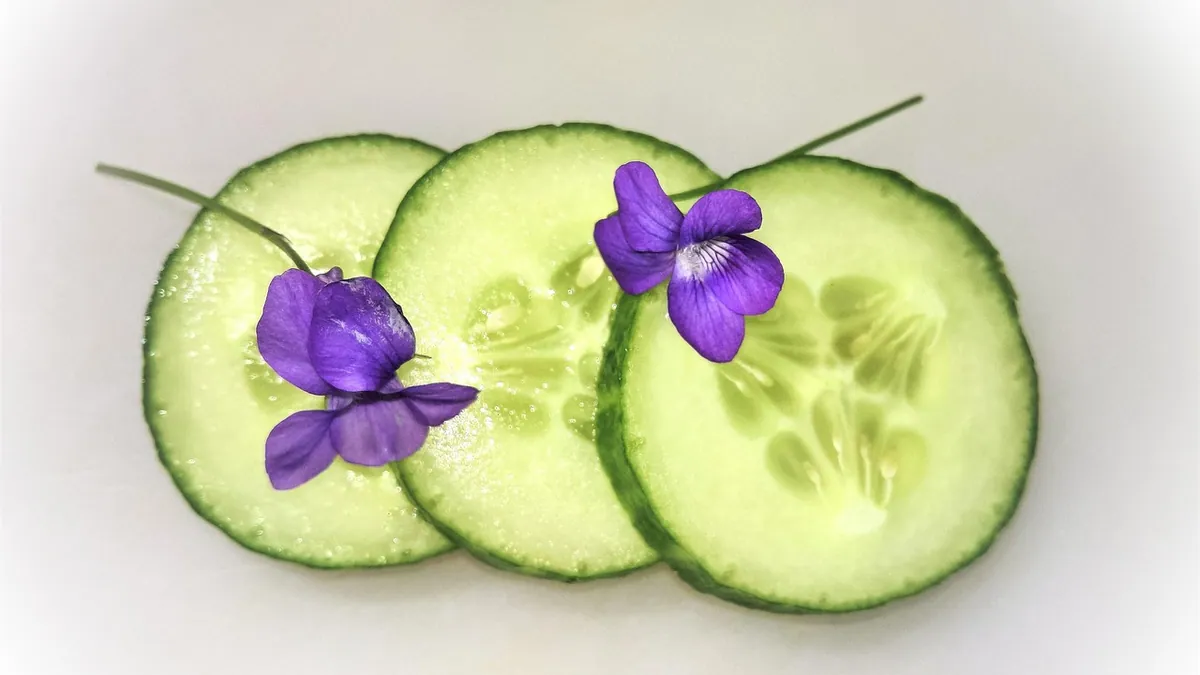
Yes, hamsters can eat cucumbers, but only in small amounts and only as an occasional treat. The main catch is water content. Cucumber is mostly water, and too much of it can cause diarrhea in hamsters, which is a serious problem in such a small animal. This article is educational and is not a substitute for veterinary diagnosis or treatment.
Quick Answer
- Cucumber flesh is safe for hamsters in tiny pieces, roughly a thumbnail-sized slice or smaller, once or twice a week.
- Syrian hamsters can handle a slightly larger piece than dwarf or Robo hamsters because of their larger body size.
- Remove any uneaten cucumber within a few hours so it does not spoil in the cage.
- Never feed pickled cucumbers, seasoned cucumbers, or cucumbers with added salt, garlic, onion, or xylitol.
- Stop feeding cucumber and call your veterinarian if you see soft stool, diarrhea, or a sudden drop in eating.
Can Hamsters Eat Cucumbers? The Verdict
Cucumber flesh is not toxic to hamsters. It is a safe food in the sense that it will not poison your pet. The problem is quantity and water content, not toxicity.
Hamsters are small rodents with a digestive system built for dry seeds, grains, and fibrous plant material. A food that is over 90 percent water can overwhelm that system quickly. A few bites are fine. A whole slice is not.
This applies across hamster types. Can dwarf hamsters eat cucumbers? Yes, in smaller pieces than a Syrian. Can Syrian hamsters eat cucumbers? Yes, and they can handle a slightly bigger piece because of their larger size. Can Robo hamsters eat cucumbers? Yes, but Robos are the smallest common pet hamster, so the piece should be very small, about the size of a pea.
The same caution applies to other watery vegetables. If you keep other small pets, the feeding logic is similar to what you would use for what guinea pigs can and cannot eat, where watery foods are limited and dry forage makes up the bulk of the diet.
What Is in a Cucumber?
Cucumber is mostly water with a small amount of fiber, vitamin K, and a few other micronutrients. It has very little protein, fat, or calories.
That nutritional profile means cucumber adds almost nothing to a hamster's diet. It is not a meal. It is a low-calorie, high-moisture snack that some hamsters enjoy and others ignore.
There is no strong evidence that cucumber provides a specific health benefit to hamsters. The general idea that fruits and vegetables can protect cells from certain dietary carcinogens comes from laboratory work using hamster-derived cell lines, not from feeding cucumbers to pet hamsters [1]. That research looked at how plant juices affected genotoxic compounds in engineered cells, so it does not translate into a feeding recommendation for your pet.
If your hamster is eating a complete commercial diet and drinking normally, cucumber is optional. It is a treat, not a supplement.
Risks of Feeding Cucumber to Hamsters
Diarrhea and dehydration
This is the main risk. Too much watery food pulls water into the gut and produces loose stool. In a hamster weighing a few ounces, diarrhea can lead to dehydration and electrolyte loss fast.
Watch for stool that is soft, pale, or watery instead of the normal firm, dark pellets. Also watch for a wet or stained rear end. These are signs to stop all fresh foods and call your veterinarian.
Choking and pouch problems
Hamsters stuff food into their cheek pouches. A piece that is too large or too firm can get stuck. Cut cucumber into small, thin pieces so your hamster can manage it.
Sharp or hard edges are more of a concern with other foods, but any oversized piece can cause trouble. If your hamster is pawing at its face, drooling, or has a visibly swollen cheek that does not empty, contact a veterinarian.
Additives and seasonings
Plain cucumber is the only safe form. Avoid anything that has been pickled, salted, oiled, or seasoned.
Several common additions are dangerous. Onion and garlic can damage red blood cells in rodents. Xylitol is toxic to many small animals. Salt and vinegar can upset the gut and cause dehydration. Pickles are never safe for hamsters.
Pesticide residue
Wash cucumber well under running water before feeding. If you can, choose organic or peel the skin. Pesticide residue is a small but real concern for a pet that weighs only a few ounces.
Diet imbalance
If cucumber or other treats make up too much of the diet, your hamster may eat less of its balanced commercial food. That leads to nutrient gaps over time. Treats should stay under about 10 percent of daily intake.
How Much Cucumber Is Safe?
Portion size depends on the hamster's size. Use the table below as a general guide. These are starting points, not fixed rules, and your veterinarian can adjust them for your pet.
| Hamster type | Safe piece size | Frequency | Notes |
|---|---|---|---|
| Syrian (golden) | Piece about the size of a thumbnail | 1 to 2 times per week | Largest common pet hamster, so it tolerates the biggest piece |
| Dwarf (Campbell's, winter white) | Piece about the size of a pea | 1 to 2 times per week | Smaller gut, so keep pieces small |
| Roborovski (Robo) | Piece about half a pea | Once per week or less | Smallest common pet hamster, so the smallest portion |
| Chinese hamster | Piece about the size of a pea | 1 to 2 times per week | Similar to dwarf hamsters in size |
Start with one small piece and watch for 24 hours. If stool stays normal, you can offer cucumber again on another day. If stool softens, wait a week and try an even smaller piece, or skip cucumber entirely.
Never leave a large piece in the cage overnight. Cucumber spoils quickly at room temperature, and spoiled food can make your hamster sick.
How to Offer Cucumber Safely
Follow these steps to reduce risk.
- Wash the cucumber thoroughly under running water.
- Peel the skin if you are not sure about pesticide residue.
- Cut a piece no larger than the size listed for your hamster type.
- Pat the piece dry with a paper towel to remove surface moisture.
- Place it in a clean food dish, not on bedding.
- Remove anything uneaten after 2 to 4 hours.
- Check stool the next day before offering more.
Parts and preparations to avoid
- Pickled cucumbers of any kind
- Cucumbers with salt, oil, vinegar, or spices
- Cucumbers with garlic, onion, or xylitol
- Large chunks that could lodge in a cheek pouch
- Cucumber that has been sitting out or looks slimy
- Cucumber seeds in large amounts, since they add more water and fiber
Can hamsters eat carrots and cucumbers together?
Yes, but keep the total treat portion small. Carrot is higher in sugar than cucumber, so it should be an even smaller piece. A common approach is a pea-sized piece of carrot plus a pea-sized piece of cucumber for a dwarf hamster, offered no more than once or twice a week. For a Syrian, you can go slightly larger on each.
Do not offer both on the same day if your hamster has never had either one. Introduce one new food at a time so you can tell what caused any stomach upset.
What to Do If Your Hamster Ate Too Much Cucumber
If your hamster ate a larger piece than planned, act quickly.
First, remove all remaining cucumber and any other fresh food from the cage. Make sure fresh water is available. Do not offer any more treats for at least several days.
Then watch closely for 24 to 48 hours. Check the stool, the rear end, and your hamster's energy level. A hamster that is hunched, quiet, or not eating is in trouble.
Call your veterinarian if you see diarrhea, a wet or dirty rear end, refusal to eat, or unusual lethargy. Small rodents decline fast, so same-day contact is best. If your hamster is limp, cold, or unresponsive, treat it as an emergency and go to a vet immediately.
Do not try to treat diarrhea at home with human medications. Doses for hamsters are calculated by a veterinarian based on body weight and health status, and the wrong dose can be fatal.
Safer Alternatives to Cucumber
If you want to give your hamster a fresh treat, these options are generally safer because they are lower in water or easier to portion.
- Small pieces of carrot
- Small pieces of broccoli florets
- Thin slices of apple without seeds
- Small pieces of pear without seeds
- A few spinach or romaine leaves
- Small amounts of cooked plain squash
Avoid citrus fruits, which are too acidic for most hamsters. Avoid any fruit with pits or seeds, since some contain compounds that are harmful.
For owners who also keep dogs, the treat rules are different, and you can read more about watery vegetable treats in can dogs eat cucumbers and about hydration-focused feeding in can dogs eat cucumbers? hydration and weight loss benefits. The key point is that a food safe for one species is not automatically safe at the same amount for another.
If you are building a fresh-food routine for small pets, the same portion discipline applies across species. The guide on what guinea pigs can and cannot eat is a useful comparison for how fiber-heavy diets differ from watery treats.
Limitations and When to Contact a Veterinarian
This article gives general guidance. It cannot account for your hamster's age, weight, health history, or current medications. Individual cases need a veterinarian who can examine your pet.
Contact your veterinarian the same day if you notice:
- Diarrhea or soft stool that lasts more than a few hours
- A wet, stained, or dirty rear end
- Refusal to eat or drink
- Hunched posture or reduced activity
- A swollen or non-emptying cheek pouch
- Drooling or pawing at the mouth
Go to an emergency clinic right away if your hamster is:
- Limp, cold, or unresponsive
- Having seizures
- Breathing rapidly or with obvious effort
- Bleeding from the mouth or rear
Schedule a routine visit if your hamster has had repeated soft stool after treats, if you are unsure how to balance its diet, or if you want help planning safe treat portions for a dwarf, Robo, or Syrian hamster.
Frequently Asked Questions
Can hamsters eat cucumber every day?
No. Cucumber is too watery to feed daily. Offer it once or twice a week at most, and only in the small portions described above. Daily feeding raises the risk of diarrhea and can crowd out more nutritious food.
Do hamsters eat cucumbers in the wild?
Pet hamsters are domesticated, so their wild diet is not a direct guide. Wild hamsters eat seeds, grains, grasses, and some plant material. Cucumber is not a natural part of that diet, which is another reason to keep it as an occasional treat.
Can dwarf hamsters eat cucumbers?
Yes, dwarf hamsters can eat cucumber in very small pieces, about the size of a pea. Their smaller body size means they tolerate less water than a Syrian hamster. Watch stool closely after the first piece.
Can Robo hamsters eat cucumbers?
Yes, but Robos are the smallest common pet hamster, so the piece should be no bigger than half a pea. Offer it rarely, and remove any uneaten portion within a couple of hours.
What happens if a hamster eats a whole cucumber slice?
A single large slice can cause diarrhea, dehydration, and stomach upset. Remove all remaining fresh food, provide fresh water, and watch for soft stool or lethargy. Call your veterinarian if symptoms appear or if your hamster stops eating.
Related Articles
- Can Hamsters Eat Fruit? Safe Fruits, Portions, and Risks
- Can Hamsters Eat Carrots? How Much Is Safe
- Can Hamsters Eat Lettuce? Safe Types and Serving Tips
References
- Fruits and vegetables protect against the genotoxicity of heterocyclic aromatic amines activated by human xenobiotic-metabolizing enzymes expressed in immortal mammalian cells. Mutation research, 2010.