Can Guinea Pigs Eat Zucchini and Squash?
By Dr. Zubair Khalid, DVM, MS, PhD ·
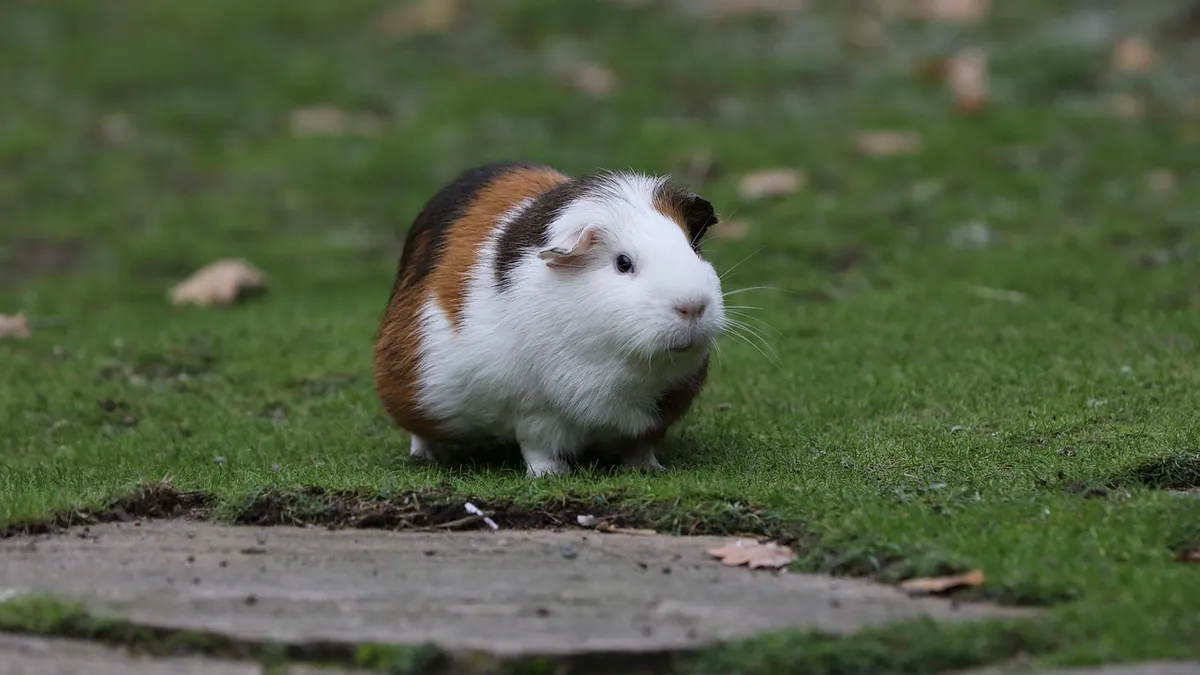
Can guinea pigs eat zucchini? Yes, they can. Zucchini and most types of squash are safe for guinea pigs when fed in small amounts as part of a hay-based diet. Treat them as an occasional vegetable, not a daily staple.
This article is educational and is not a substitute for veterinary diagnosis or treatment.
Quick Answer
- Zucchini and squash are safe for guinea pigs in small amounts, roughly a few thin slices or about a 1-inch chunk per day for an adult.
- Hay must stay the main food. Grass hay such as timothy or orchard grass should be the bulk of what your guinea pig eats every day [1].
- Pellets are measured, not free-fed. Offer about 2 tablespoons (1/8 cup) of good-quality guinea pig pellets daily [1].
- Skip the seeds, stems, and any added oil, salt, garlic, onion, or sweetener. Plain raw zucchini or squash only.
- Introduce any new vegetable slowly, since guinea pigs are often picky and form food preferences early [1].
Can Guinea Pigs Eat Zucchini? The Verdict
Zucchini is safe for guinea pigs. It is a low-calorie, high-water vegetable that fits into the small vegetable portion of a guinea pig's diet. The same is true for many squash varieties, including yellow summer squash, butternut, and acorn squash.
The catch is quantity. Guinea pigs are herbivores, and their digestive systems are built around fiber from hay, not around watery vegetables [1]. Zucchini and squash should be a garnish on top of a hay-based diet, not a meal replacement. If you are still building your guinea pig's overall menu, see What Guinea Pigs Can and Cannot Eat for the full picture.
Can Guinea Pigs Eat Squash and Zucchini?
Yes to both, with the same rules. Summer squash and zucchini are close cousins and behave almost identically in the bowl. Winter squash such as butternut and acorn is denser and slightly higher in sugar and starch, so keep those pieces even smaller.
One caution with winter squash: it is firmer and can be harder to chew. Cut it into small, thin pieces so your guinea pig does not struggle or choke.
Do Guinea Pigs Eat Zucchini?
Most guinea pigs will try zucchini, and many enjoy it. Some will ignore it completely, especially if they were not exposed to it young. Guinea pigs often form food preferences early and can be picky about new foods [1].
If your guinea pig turns up its nose, do not force it. Offer a small piece again in a few days, or mix it with a vegetable your pet already likes. Never remove hay or pellets to encourage a guinea pig to eat a new vegetable.
Nutrition and Real Benefits
Zucchini is mostly water, with modest amounts of fiber and small amounts of vitamins and minerals. It adds variety and moisture to the diet without adding many calories. That makes it a reasonable choice for guinea pigs that need to watch their weight.
Squash brings a bit more energy. Research on guinea pig feed ingredients shows wide variability in the nutrient and energy content of different plant feeds, with forages averaging around 23% crude fiber and roughly 2,400 to 3,000 kcal/kg of digestible and metabolizable energy depending on the feed [2]. That variability is exactly why vegetables like squash should be a small side dish, not the main event.
The real benefit of zucchini and squash is behavioral. Chewing different textures keeps mealtime interesting. It does not replace the fiber your guinea pig needs from hay, which also helps wear down continually growing teeth and supports proper digestion [1].
Risks and What to Avoid
Digestive Upset
Too much watery vegetable can cause soft stool or diarrhea. A guinea pig's gut is tuned to a high-fiber diet, and sudden diet changes are a common trigger for digestive problems. Introduce zucchini in one small piece and wait a day before offering more.
Choking and Blockage
Seeds, tough stems, and large hard chunks are choking hazards. Remove seeds from squash, especially larger winter varieties. Cut everything into thin, bite-sized pieces.
Toxic Additives
Plain zucchini and squash are safe. Prepared dishes are not. Never feed your guinea pig zucchini bread, fried squash, casseroles, or anything cooked with oil, butter, salt, garlic, onion, or xylitol. Garlic and onion can damage red blood cells in small pets, and xylitol causes dangerous drops in blood sugar. These are human foods, not guinea pig foods.
Calcium and Oxalate Considerations
Some squash varieties and zucchini contain modest oxalate levels. For most healthy adult guinea pigs, small amounts are not a problem. If your guinea pig has a history of bladder stones or urinary issues, ask your veterinarian before adding zucchini or squash to the rotation.
Pesticides and Spoilage
Wash all produce well. Discard any moldy, mushy, or fermented pieces. A guinea pig's small body weight means even a little spoiled food can cause real illness.
How Often Can Guinea Pigs Have Zucchini?
Offer zucchini or squash a few times per week at most, in small portions. A reasonable serving for a healthy adult guinea pig is about a 1-inch chunk or two to three thin slices. For winter squash, use half that amount because it is denser and sweeter.
Think of the daily plate this way. Unlimited grass hay is the foundation [1]. About 2 tablespoons of pellets round it out [1]. Then a small mix of vegetables fills the remaining space, with zucchini or squash appearing only a few times a week. Fruit, if you offer it at all, should be even more limited.
Young, pregnant, or nursing guinea pigs have different nutritional needs and may do better on alfalfa-based pellets, which are higher in calcium [1]. Ask your veterinarian for pellet recommendations that match your guinea pig's life stage [1].
Zucchini vs Cucumber for Guinea Pigs
Owners often ask can guinea pigs eat cucumbers and zucchini together. The answer is yes, but keep the combined total small. Both are high-water vegetables with similar roles in the diet. Cucumber is even more watery, so it can loosen stool faster if you overdo it.
| Form | Safe? | Notes |
|---|---|---|
| Raw zucchini, washed, sliced | Yes | Remove stem. A few thin slices a few times per week. |
| Raw yellow summer squash | Yes | Same portion as zucchini. |
| Raw butternut or acorn squash | Yes, small amounts | Peel, remove seeds, cut thin. Denser and sweeter, so use less. |
| Cooked plain squash | Yes, in moderation | Must be fully plain, no oil, butter, salt, or seasoning. |
| Zucchini or squash with seeds and stem | No | Choking risk. Remove both. |
| Zucchini bread, fried squash, casseroles | No | Contains oil, sugar, salt, garlic, onion, or xylitol. |
| Cucumber | Yes | Very high water content. Smaller portions than zucchini. |
If you want a broader list of safe produce, What Veggies Can Dogs Eat covers canine options, though guinea pig safe foods differ in several important ways.
How to Offer Zucchini and Squash Safely
Choose and Prepare
Pick firm, fresh zucchini or squash with no soft spots. Rinse under running water. Cut off the stem and the ends. Slice into thin rounds or small cubes. For winter squash, peel the hard skin and scoop out all seeds before cutting.
Introduce Slowly
Give one small piece the first time. Watch for loose stool, gas, or refusal over the next 24 hours. If all is well, you can offer it again a few days later. Guinea pigs that are used to a certain diet may resist change, so patience matters [1].
Keep the Base Diet Stable
Never cut back on hay or pellets to make room for vegetables. Hay should always be available in a clean rack [1]. Pellets stay at the measured daily amount [1]. Vegetables are the smallest part of the plate.
Store Leftovers Properly
Refrigerate cut pieces in a sealed container and use within a few days. Do not leave fresh vegetables in the cage for more than a couple of hours, since warm, wilted food spoils quickly.
What to Do If Your Guinea Pig Ate Too Much
If your guinea pig ate a large amount of plain zucchini or squash, remove the leftovers and offer fresh hay and water. Watch for soft stool, diarrhea, bloating, or a hunched posture. Mild upset often settles within a day once the diet returns to normal.
If your guinea pig ate zucchini bread, fried squash, or any dish containing garlic, onion, xylitol, or heavy seasoning, call your veterinarian or a pet poison control hotline right away. Do not wait for symptoms. Small pets can decline quickly.
If your guinea pig stops eating, stops passing stool, or seems painful, that is an emergency. Guinea pigs that stop eating can develop serious gut problems within hours.
Safer Alternatives
If zucchini or squash does not agree with your guinea pig, or you simply want more variety, try these:
- Bell pepper, especially red, which is a common favorite and rich in vitamin C.
- Romaine lettuce in small amounts.
- Cilantro or parsley as an occasional herb.
- Cucumber in very small pieces.
- A small piece of carrot as an occasional treat.
For a deeper look at how these fit together, Guinea Pig Diet Food breaks down the daily plate. If you also keep a dog, Can Dogs Eat Zucchini? Calorie Limits & Preparation and Can Dogs Eat Carrots explain how those foods work for a very different species.
Limitations and When to Contact a Veterinarian
This guidance covers healthy adult guinea pigs eating a balanced diet. Individual cases need a veterinarian who can examine your pet, review its history, and account for any ongoing conditions.
Contact your veterinarian the same day if your guinea pig develops diarrhea, stops eating, seems bloated, or has not passed stool normally after a new food.
Go to an emergency clinic now if your guinea pig is struggling to breathe, has a swollen or painful belly, is limp or unresponsive, or ate a food containing xylitol, garlic, or onion.
Schedule a routine visit if your guinea pig has repeated soft stool after vegetables, has a history of bladder stones, or you are unsure how to build a balanced daily diet. Your veterinarian can calculate any needed treatment or supplement dose based on your pet's weight and health, so never guess at amounts on your own.
Frequently Asked Questions
Can guinea pigs eat zucchini every day?
No, zucchini should not be a daily food. Offer it a few times per week in small pieces so hay and pellets stay the foundation of the diet. Daily large servings of watery vegetables can cause loose stool.
Is yellow squash better than zucchini for guinea pigs?
Neither is clearly better. They are nutritionally similar and both work as occasional vegetables. Pick whichever your guinea pig accepts, and keep the portion small either way.
Can guinea pigs eat the skin and seeds of squash?
The skin of summer squash and zucchini is fine if washed well. Seeds should be removed, especially from winter squash, because they can pose a choking risk. Peel hard-skinned winter squash before feeding.
What happens if a guinea pig eats too much zucchini?
Mild cases cause soft stool or diarrhea. Remove the remaining vegetable, offer fresh hay and water, and monitor closely. If diarrhea continues, your guinea pig stops eating, or it seems painful, contact your veterinarian.
Can I feed my guinea pig cooked squash?
Plain cooked squash is acceptable in small amounts if it is fully cooled and has no oil, butter, salt, garlic, onion, or sweetener added. Raw pieces are simpler and safer for most owners. When in doubt, keep it raw and plain.
Related Articles
- What Guinea Pigs Can and Cannot Eat
- Guinea Pig Diet Food
- Can Guinea Pigs Eat Carrots and Other Root Vegetables?
- Can Guinea Pigs Eat Cabbage?
- Can Guinea Pigs Eat Cauliflower, Celery and Broccoli Leaves?
References
- Diet for a Guinea Pig - All Other Pets. Merck Veterinary Manual.
- Nutritional value of some raw materials for guinea pigs (Cavia porcellus) feeding. Translational animal science, 2021.